The 808nm diode laser Hair Removal Machine is a revolutionary technology that offers effective and long-lasting solutions for unwanted hair. By targeting the melanin in hair follicles with a specific wavelength, this device achieves precise hair reduction while ensuring minimal impact on surrounding skin. In this guide, we will delve into how the 808nm diode laser functions, its benefits and safety features, and how it compares to other hair removal technologies. Additionally, we will discuss key factors to consider when procuring these machines and provide essential maintenance tips to optimize their performance. This comprehensive overview will help you make informed decisions in the realm of laser hair removal.

English

808nm Diode Laser Hair Removal Machine: How It Works
2026-04-23 08:45:16
Selective photothermolysis targets melanin in hair cells while protecting healthy tissue in the 808nm diode laser hair removal equipment. It damages hair germinative cells and prevents regrowth by heating the hair shaft to 65–70°C without injuring the skin by generating coherent light energy. It works on all skin and hair types, making it popular among global B2B clients like clinical providers and distributors. This comprehensive guide on diode laser technology helps buyers make informed decisions that meet industry standards and client needs, building trust and strategic partnerships.
Understanding How the 808nm Diode Laser Hair Removal Machine Works
The Science Behind Selective Photothermolysis
Targeted energy intake is the foundation. Hair shaft melanin chromophores absorb 808nm better than surrounding tissues, creating a regulated thermal damage zone. As heat damages follicular cells, selective absorption protects adjacent structures. The frequency is ideal, between 700nm and 1400nm. It allows melanin absorb light while hemoglobin and water molecules pass through easily.
Clinical studies reveal that 808nm can reach hair follicles 3–4 mm below the skin, while 755nm alexandrite lasers cannot. Treating terminal hairs with deep skin roots requires this depth of penetration. Energy passes via the skin to the hair. The hair shaft conducts heat to the follicular tissue and dermal papilla, where regenerative cells are found.
Core Technical Components and System Architecture
High-performance laser systems have numerous sophisticated, coordinated pieces. The laser diode array is key to the technique. Bars from US firms like Coherent are typical. These meticulously built diode bars regularly deliver 600W to 2000W, depending on patient needs and treatment area size. Premium laser bars can handle over 50 million waves, therefore they will work as long as the 808nm diode laser hair removal machine is used.
Advanced cooling systems matter too. Professional equipment uses air flow, semiconductor refrigeration, thermoelectric cooling (TEC), and water-based heat transfer. This multi-tiered approach maintains sapphire contact tip temperatures between -5°C and +4°C during protracted treatments. Continuous cooling prevents heat burns and allows practitioners to use higher fluence levels safely, improving therapy efficacy without reducing patient comfort.
Customizable Treatment Protocols for Diverse Applications
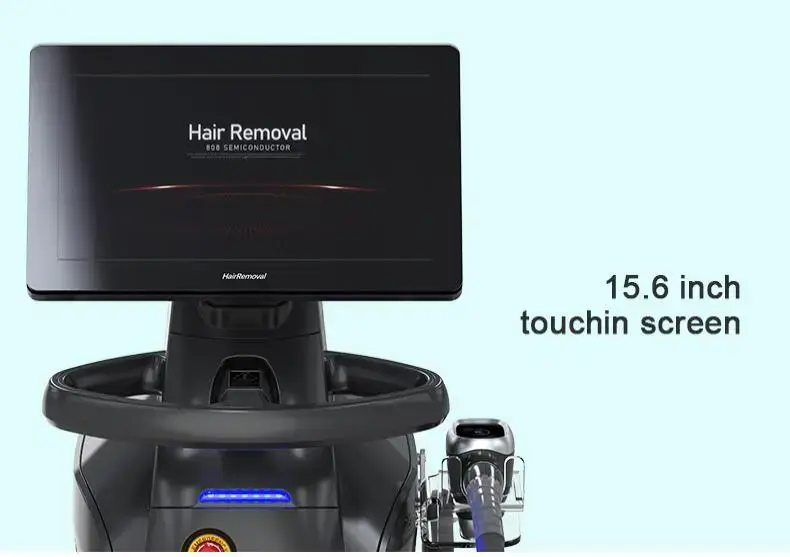
Modern systems have simple control panels with 15.6-inch touchscreens for precise parameter changes. The pulse length can be adjusted from 10ms to 400ms to match hair type and thickness heat release times. Stamping and sliding on tiny and large body parts can be done swiftly at 1Hz to 10Hz. The 12x36mm spot size speeds therapy, shortening sessions and maintaining energy across the treatment field.
Professional diode lasers can function in multiple colors. Advanced designs blend 755nm for lighter skin tones (Fitzpatrick types I–III), 808nm for all skin types, and 1064nm for darker skin types IV–VI and tanned skin. This capacity to work at three wavelengths allows doctors adapt therapies for each patient, improving safety and results.
Professional systems offer fluence levels up to 120 J/cm², with energy density settings allowing for further adjustments. Treating fine vellus hairs or follicles that survived the first sessions requires more energy. Clinicians can customize face treatments for gentler settings and body treatments for higher energy transmission by changing parameters. This expands the treatment options and allows places buy one treatment for all their hair removal needs.
Benefits and Safety of 808nm Diode Laser Hair Removal
Clinical Efficacy and Long-Term Results
Many clinical studies have demonstrated that diode laser technology is the best permanent hair removal method. Patient hair removal rates improve over time, with a 54% drop within two weeks of treatment in controlled tests. By seven weeks following the last treatment, reduction rates are 94%, proving the therapies work. These results are superior than intense pulsed light (IPL) systems, which lack wavelength precision and entry depth to consistently destroy follicles.
The approach is effective for all forms of Fitzpatrick syndrome, from I to VI. The 808nm diode laser hair removal machine can treat patients with varied melanin levels, unlike ruby and alexandrite lasers. This lets more people become clients, so aesthetic practices can service more patients without buying several gadget platforms. To avoid summer delays and sun avoidance, treating tanned skin is another competitive advantage.
Enhanced Safety Profile and Risk Mitigation
Safety remains the top priority when using professional beauty products. Quality diode laser platforms incorporate cooling systems to reduce skin burns, swelling, and post-inflammatory hyperpigmentation. Sapphire contact cooling maintains thermal protection, preventing skin heat buildup during high-energy treatments. This cooling device is ideal for delicate skin or responsive skin disorders.
Changes to the protocol increase safety. Based on skin sensitivity and tolerance, professionals can start with safe settings and gradually increase them. The LCD handle monitor displays energy, pulse count, and cooling state in real time, allowing operators to maintain their method throughout sessions. Safety interlocks prevent inadvertent discharge and ensure tip contact before releasing energy. This reduces operational errors.
Regulatory approvals prove expert equipment is safe. The CE and ISO 13485 marks indicate that the medical device fulfills European safety and quality control standards. These permits reassure buyers that the equipment fulfills international safety standards. For patient safety and risk prevention methods, certified equipment is a budgetary requirement.
Patient Comfort and Treatment Experience
Modern diode laser systems integrate cooling and energy delivery to make treatments "painless". Traditional laser hair removal was painful, so patients were less likely to persist with it and be satisfied. Contemporary "ICE depilation" devices decrease discomfort to moderate warmth, making the treatment tolerable. This encourages treatment completion and positive word-of-mouth.
Sessions are shorter and more pleasant with faster treatment. Each pulse covers a vast area with the 12x36mm huge spot size, so doctors may treat the back or legs in 15–20 minutes. Quick treatment periods allow more patients to be treated, improving efficiency and reducing suffering. Professional diode systems are faster and more comfortable than previous technologies. Practices that prioritize patient experience have an advantage.
Comparing 808nm Diode Laser With Other Hair Removal Technologies
Diode Laser Versus IPL Systems
IPL devices are older hair removal methods. They employ 590–1200nm light. IPL is utilized for numerous cosmetic applications, however its scattered, non-coherent light source isn't as precise or deep as laser technology. Instead of targeting melanin, IPL energy sweeps across tissue chromophores. For the same follicular damage, more energy is needed. This spreading out increases heat damage to neighboring hairs and reduces treatment efficacy on finer hairs or deeper follicles.
The 808nm diode laser hair removal system emits monochromatic, coherent light at the specified wavelength. This maximizes melanin absorption with minimal energy waste. The focused beam targets hair cells deeper in the dermis than IPL. Research shows that diode lasers offer faster clearance rates and better long-term reduction, which improves treatment outcomes and patient satisfaction, justifying the higher equipment cost. After switching from IPL to diode laser, practices report they retain more patients and treat them less often.
Wavelength Comparisons: 755nm, 808nm, and 1064nm
Distinct aesthetic laser hair removal tools have distinct features. Alexandrite lasers at 755nm absorb melanin well, making them ideal for lighter skin and dark hair. However, active melanin targeting makes darker skin more susceptible to burning, limiting their utility. More treatment runs may be needed because the shorter wavelength makes it tougher to reach lower hair cells.
Nd:YAG lasers at 1064nm are best for dark skin because they absorb less melanin. However, follicular destruction requires significantly more energy. 1064nm band treatments usually hurt more and take longer. The 808nm frequency absorbs enough melanin to destroy hair while protecting all skin types. The "gold standard" for hair removal is 808nm because to its balanced form.
Stationary Versus Portable Configurations
Equipment format is another consideration while buying. Floor-standing units are the most powerful, can cool a big area, and are more stable during treatments. Strong and stable, these platforms are ideal for busy workplaces with discrete treatment rooms that need 24-hour use. The huge size accommodates larger power sources, more advanced cooling systems, and ergonomic design to keep operators comfortable over extended treatment days.
Portable arrangements are suitable for mobile practitioners, multi-site practices, and small spaces. Bigger units offer more power and better cooling, but tiny ones can still deliver professional results. Portable units are useful for young firms or those testing the market before investing in fixed equipment because they are cheaper and versatile. Knowing your operational model makes it easy to choose a configuration for your business goals and growth.
Key Factors to Consider When Procuring 808nm Diode Laser Hair Removal Machines
Critical Technical Specifications and Performance Metrics
Technical specifications affect long-term value and clinical performance, thus procurement specialists must study them. Minor wavelength changes from 808nm can diminish therapeutic efficacy and increase negative effects. Quality manufacturers ensure constant melanin absorption with wavelength precision of ±5nm. Nominal power ratings are unimportant if the system cannot deliver stable energy throughout long treatments. To avoid power drops, check duty cycle and heat management criteria. Finally, robust cooling systems with multi-layer technology should beat air cooling. Professional equipment keeps crystal tip temperatures below 5°C for optimal performance during high-energy sessions.
Essential Certifications and Regulatory Compliance
Regulatory approvals indicate product quality and help market growth. The CE mark verifies that a medical equipment fulfills EU health and safety criteria for sale in Europe. It shows the manufacturer's quality dedication. ISO 13485 accreditation means the manufacturing process follows medical device quality control methods, ensuring product quality, full documentation, and risk management. The accreditation gives clients trust in a supplier's operational maturity and supply chain management. FDA approval or clearance boosts credibility in North America by demonstrating safety and efficacy. In order to simplify the import process, reduce liability risks, and develop trust with discriminating American customers, buyers should select FDA-approved suppliers.
Supplier Evaluation and Partnership Considerations
Supplier expertise affects long-term customer satisfaction and corporate performance. Since Xi'an Taibo Laser Beauty Company has been manufacturing for 15 years, quality and support are guaranteed. Clear usage instructions, online tutorials, fast technical support, and parts availability are essential after-sales service. Two-year warranties show product confidence, but extended guarantees reduce risk for high-volume enterprises. OEM and ODM provide strategic customisation, letting firms stand out with unique colors, logos, and features. You must know customized minimum order requirements early in the procurement process to meet company goals.
Financial and Logistical Considerations
Understanding pricing models requires more than equipment expenses. Get precise pricing on the basic equipment, extras, shipping, customs taxes, and installation. Some merchants offer package prices for large orders, which decreases the cost per item for firms with several locations or stockpiling distributors. Paying with bank transfers, credit cards, and payback plans is easy for those with diverse budgeting and cash flow issues.
Shipping methods and arrival times effect operational planning and profit expectations. Experienced international suppliers have relationships with freight forwarders, customs agents, and logistics partners that simplify cross-border shipment. Aluminum alloy boxes with bespoke foam inserts safeguard electronics during shipping, reducing damage and insurance claims. Understand transportation times, tracking, and insurance coverage to create realistic goals and plan for delays.
Maintenance and Optimization Tips for 808nm Diode Laser Machines
Routine Maintenance Protocols and Component Care
Regular maintenance programs that cover important components and operational aspects are necessary for optimal performance. Cleaning optical elements regularly avoids energy absorption that lowers beam quality and treatment efficacy. Use lint-free products and manufacturer-recommended ways to clean the sapphire contact tip for optimal light transmission. For consistent energy output, calibrate the laser every three to six months, as recommended by the manufacturer. Record test results to track performance. Update software regularly to fix security concerns and enhance functionality. Backup settings before making changes to ensure compatibility with new accessories.
Troubleshooting Common Issues and Minimizing Downtime
Proactive troubleshooting helps staff fix common issues quickly, eliminating unnecessary downtime. Low water levels, clogged filters, and loose electrical connections can cause inadequate cooling, inconsistent energy production, and control panel mistakes. Train personnel to diagnose these issues. To speed up repairs, stock up on cooling system filters and sapphire tips. Maintain service contracts or strong supplier relationships for fast part deliveries. Maintain detailed service logs of operational issues and maintenance chores to discover patterns and provide technical help, improving equipment care and resale value.
Operator Training and Competency Development
Full operator training increases instrument use, treatment quality, and patient safety. Basic training should address hair growth cycles, skin types, and wavelength-tissue interaction. Operators learn parameter selection and complication management through hands-on practice under supervision. Maintaining skills requires manufacturer webinars, conferences, and peer guidance. Understanding equipment features lets operators use sophisticated functions to improve service. Certification helps operators create trust and reduce liability. Continuous learning improves patient happiness and clinic reputation by updating personnel on new procedures.
Conclusion
The 808nm diode laser hair removal machine uses tried-and-true technology to permanently reduce hair on a wide range of skin types while also being very safe. Understanding how selective photothermolysis works, as well as scientific details and practical issues, helps business-to-business buyers make smart purchasing choices that are in line with their clinical goals and budgets. A full analysis of the equipment's specs, the supplier's skills, the supplier's legal certifications, and the support infrastructure can tell the difference between good investments and bad ones that hurt results and profits.
Getting the right tools is only one part of a successful implementation. You also need to teach operators, follow maintenance procedures, and form smart partnerships with suppliers. When practices put patient safety, treatment effectiveness, and long-term value first, they should choose well-known makers with certified tools, full warranties, and quick technical support. The tough market for beauty products rewards companies that use cutting-edge technology and skilled application to get better results.
FAQ
1. Is the 808nm diode laser safe for darker skin tones?
Even those with darker skin tones and tans can safely use the 808nm diode laser hair removal machine wavelength for Fitzpatrick skin types IV through VI. Balancing melanin absorption helps target hair follicles, and built-in cooling devices keep skin cool. However, treatment regimens should start with lower intensity and increase energy as the skin responds. Multi-wavelength platforms with 1064nm allow operators treat many patients, including dark-skinned ones.
2. What is the expected lifespan and durability of professional diode laser systems?
Quality systems using foreign laser bars from Coherent may deliver 50 million pulses before requiring a part replacement. Since most treatments require 2,000–5,000 beats, this corresponds to about 10,000 therapy sessions based on normal usage trends. Its longevity depends on maintenance, use, and environment. Maintaining the cooling system, cleaning, and following manufacturer recommendations extend tool life. Premium platforms from well-known manufacturers are good long-term investments because they are therapeutically relevant for 8–10 years.
3. Are OEM customization options available for bulk purchases?
Many companies, like Xi'an Taibo Laser Beauty Company, offer OEM and ODM services for major buyers who wish to stand out. You may name, alter colors, change the program interface, and make your own package. Minimal customization order amounts vary by provider. The complexity of the alteration determines the unit count, usually 5–10. Customization adds 3–6 weeks to manufacture, so plan ahead for market beginnings or seasonal sales. Ask about particular customisation demands early in the procurement process to determine feasibility and cost.
Partner With Taibo Beauty for Premium 808nm Diode Laser Hair Removal Equipment
Xi'an Taibo Laser Beauty Company has been a trusted manufacturer and 808nm diode laser hair removal machine supplier for over 15 years, exporting globally. Our CE and ISO 13485-certified systems feature advanced cooling technology, user-friendly tablet controls, and American Coherent laser bars, ensuring clinical-grade performance. We provide two-year warranties, extensive training resources, and prompt technical support for seamless operations. Our B2B team understands the needs of medical offices and aesthetic practices, offering flexible OEM options, competitive pricing, and efficient logistics. Contact us at susan@taibobeauty.com to discuss your needs or schedule a product presentation and experience our reliable service and innovative solutions.
References
1. Anderson, R. R., & Parrish, J. A. (1983). Selective photothermolysis: Precise microsurgery by selective absorption of pulsed radiation. Science, 220(4596), 524-527.
2. Haedersdal, M., Beerwerth, F., & Nash, J. F. (2011). Laser and intense pulsed light hair removal technologies: From professional to home use. British Journal of Dermatology, 165(s3), 31-36.
3. Lanigan, S. W. (2003). Management of unwanted hair in females. Clinical and Experimental Dermatology, 28(4), 369-373.
4. Gold, M. H., Bell, M. W., Foster, T. D., & Street, S. (1997). Long-term epilation using the EpiLight broad band, intense pulsed light hair removal system. Dermatologic Surgery, 23(10), 909-913.
5. Sadick, N. S., Shaoul, J., & Prieto, V. G. (2004). The diode laser for permanent hair removal: A clinicopathologic and immunohistochemical study. Dermatologic Surgery, 30(2), 179-186.
6. Bernstein, E. F. (2006). Hair growth and hair removal. Lasers in Surgery and Medicine, 38(4), 247-254.





YOU MAY LIKE