
808nm Diode Laser Hair Removal Machine Buying Tips
2026-05-14 08:56:09
If you want to buy professional hair removal tools for your beauty business, picking the right 808nm diode laser Hair Removal Machine can make a big difference in the services you offer and how happy your customers are. This new technology uses selective photothermolysis to target melanin in hair shafts while leaving skin tissue around them unharmed. These devices work with all skin types and hair colors because they use wavelengths ranging from a single 808nm to three wavelengths (755nm, 808nm, and 1064nm). They also get lasting hair reduction benefits for a wide range of clients. If you know about the technical requirements, how reliable the seller is, and the operational needs, you can be sure that your buying choice will support both clinical excellence and business profitability.
Understanding 808nm Diode Laser Hair Removal Technology
How Selective Photothermolysis Works?
Selective photothermolysis is what diode laser hair removal is based on. This is when certain wavelengths of light target chromophores, in this case melanin in hair follicles. The 808nm frequency is in the best range for melanin absorption (700–1400nm), so it can reach deep into the dermis, where the follicles are. When laser energy hits the hair shaft, melanin takes it in and turns it into heat, raising the temperature of the follicle to about 65°C. This harms the germinative cells that help hair grow back permanently without hurting the nearby tissue.
Wavelength Versatility and Skin Type Coverage
Professional systems today often have more than one range setup. The 755nm Alexandrite frequency works really well for people with lighter skin (Fitzpatrick I–III) and fine to medium hair. The main 808nm frequency is the best choice for treating all skin types because it goes deeper than 755nm and protects the epidermis safely. The 1064nm Nd:YAG range targets darker skin tones (Fitzpatrick IV–VI), even brown skin, by going deeper into the epidermis and lowering the absorption of melanin. With this three-wavelength method, your clinic can handle as many people as possible without any treatment limits.
Treatment Effectiveness and Session Requirements
Clinical studies show that diode laser systems can permanently remove 54% of hair in two weeks and up to 94% of hair after seven weeks of treatments done correctly. For the best results, most clients need six to eight treatments, split four to six weeks apart. However, results can vary from person to person depending on hair thickness, density, and hormonal factors. This clear timeline for treatment helps you handle your clients' goals and plan your schedule well.
Key Factors to Consider When Buying an 808nm Diode Laser Machine
Aligning Equipment with Your Business Model
Before making a choice about procurement, you should look at your operational environment. Beauty centers and spas that see a lot of clients benefit from machines with higher power outputs (1200W–2000W) and bigger spot sizes (12x36mm), which speed up treatments and let more clients come in each day. Dermatology centers often put an emphasis on accuracy and having more than one wavelength to deal with complicated situations and different skin kinds. If you run a franchise or a business with more than one location, using the same types of tools makes teaching your staff easier and makes sure that clients get the same results at all of your locations.
Critical Technical Specifications to Evaluate
Laser power (600W–2000W) directly impacts treatment speed and efficacy—higher wattages enable faster large-area coverage. Spot size is critical: 12x36mm window covers significantly more area per pulse than smaller competitors, reducing session time up to 40%. Adjustable pulse duration (10–400ms) matches hair thickness and density. Frequency options (1–10Hz) enable static stamping or fast-gliding continuous motion modes for different treatment preferences.
Comparing Alternative Technologies
Knowing how diode lasers stack up against other hair removal methods helps you decide if you should buy one. IPL (Intense Pulsed Light) systems use a wide range of light (590-1200nm), which isn't as focused or deep-penetrating as diode lasers. This means that more sessions are needed and they don't work as well on smaller hairs. Alexandrite lasers (755nm) are faster, but they can only treat lighter skin types and need to be carefully managed so that darker clients don't get epidermal damage. Because they can't absorb as much melanin, Nd:YAG lasers (1064nm) usually need higher energy levels and more sessions to treat dark skin safely. IPL and single-wavelength systems can't compare to the 808nm diode laser hair removal machine when it comes to treatment speed, results that are constant, and skin types that can be treated.
Vendor Selection and Risk Mitigation
Manufacturers with 15+ years experience demonstrate technical stability and market trust. Verify laser bars from reputable sources—component quality directly impacts longevity and consistent performance. Comprehensive two-year warranty covering parts and labor protects investment. Clear after-sales support including remote troubleshooting, spare parts access, and technical training minimizes downtime. CE certification, ISO13485, and FDA clearance (where applicable) validate safety and quality compliance.
Best Practices for Using and Maintaining Your 808nm Diode Laser Machine
Pre-Treatment and Operational Protocols
Client skin should be clean, dry, and free of lotions or makeup upon arrival. Pre-treatment shaving removes surface hair, allowing laser energy to reach follicles directly rather than being absorbed by surface hair. Patch testing small area before full treatment identifies individual sensitivity levels and optimal parameter settings. Cooling gel application before procedure reduces discomfort and enhances light penetration through skin for more effective treatment delivery.
Maintenance and Calibration Requirements
Weekly cleaning of sapphire contact cooling tip removes gel buildup, ensuring optimal heat transfer performance. Monthly filter checks and replacement maintain proper airflow through cooling systems, preventing overheating. Quarterly calibration verification ensures energy delivery matches display settings for consistent treatment outcomes. Annual professional servicing by factory-trained technicians addresses wear components and software updates. Maintain service logs tracking machine usage hours and shot counts for predictive part replacement.
Safety Standards and Complication Management
International safety compliance protects clients and practice. All operators require manufacturer training and understanding of contraindications (pregnancy, photosensitizing medications, active skin infections). Appropriate eye protection mandatory for both operator and client. Post-treatment sun avoidance, sunscreen application, and avoiding hot water for 24 hours minimize side effect risks. Proper cooling and parameter selection reduce common side effects (temporary erythema, mild edema). Burns or hyperpigmentation indicate operator error or equipment malfunction.
Procurement Options and Pricing Insights for 808nm Diode Laser Machines
New versus Used Equipment Considerations
When you buy new tools from a legitimate maker, you get a full warranty, the newest technology, and the peace of mind that the parts are real. When you buy a new machine, it usually comes with beginning training, help with installation, and established service relationships. The market for used equipment has lower initial costs, but it also comes with a lot of risks, such as not knowing how it was used before, having guarantees that are no longer valid, possibly fake parts, and little or no maker support. Initial savings are often canceled out by higher service costs and shorter useful lives.
For businesses that are already up and running and want to upgrade their equipment, certified refurbished units from reputable makers are a good compromise because they come with some insurance coverage and have been reconditioned by the factory at reasonable prices. This choice is best for practices that already have technical understanding and service ties in place.
Understanding Price Determinants
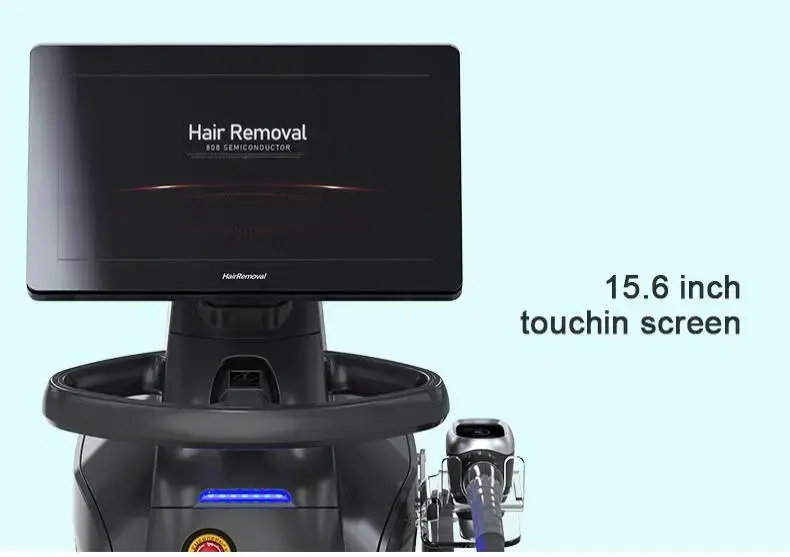
Professional 808nm diode laser hair removal machine systems can cost anywhere from $8,000 to more than $60,000, based on a number of factors. Power output has a big effect on price. Entry-level systems with 600W of power are good for small offices that don't plan to treat many patients, while high-end 2000W systems cost more but treat patients quickly, which is important for high-volume operations. Triple-wavelength setups are more expensive than single-wavelength types, but they let you serve a wider range of clients. Prices are affected by the name of the brand and where the parts come from. For example, systems with Coherent laser bars and foreign cooling parts are priced higher because they are more reliable and last longer. Extra features like tablet interfaces (15.6-inch displays), LCD handle screens that show real-time settings, and more than one handpiece choice make the machine more useful and cost more. When compared to retail outlets, wholesale and bulk purchases made through approved distributors or straight from the factory offer big savings.
Sourcing from Authorized Suppliers
Working with well-known companies like Xi'an Taibo Laser Beauty Company, which has been making and exporting laser beauty products to 180 countries for 15 years, guarantees the validity of the products and prompt customer service. Businesses that have direct relationships with factories can get OEM and ODM customization choices for branded equipment or changes to specific features without having to pay markups to distributors. Check a supplier's qualifications by looking at proof of business registration, the validity of certifications, and third-party platform verification on Alibaba or Global Sources. International transaction risks can be reduced by using trusted sites for payment safety or safe methods like letter of credit arrangements. Clear contract terms that cover guarantee coverage, shipping duties, customs paperwork, and help after the sale protect your investment and set expectations for who is responsible for what.
Future Trends and Innovations in Diode Laser Hair Removal Technology
Enhanced Cooling and Comfort Technologies
Next-generation systems use more advanced cooling technologies to make treatments even less painful while also delivering more energy. New cryogen spray systems and touch cooling create two layers of thermal protection, letting harsh parameters be used on tough areas with little feeling. These changes make treatments more available to people who are sensitive to pain and used to be hesitant to get laser hair removal.
AI Integration and Smart Treatment Protocols
Using artificial intelligence together in the 808nm diode laser hair removal machine is a big change in technology. Built-in sensors in smart systems analyze skin type and instantly suggest the best settings, so operators don't have to learn how to use them and mistakes are less likely to happen. Treatment history files keep track of how well clients are doing and change the rules between meetings to get the best results while keeping the quality of care consistent. These smart systems are good for businesses with multiple locations that want uniform results no matter how experienced each user is.
Sustainability and Energy Efficiency
Environmental awareness affects buying choices more and more. Power sources and cooling systems that use less electricity without lowering performance are now highly valued by manufacturers. Equipment that is made so that parts can be upgraded instead of being replaced completely lasts longer and produces less electrical waste. These environmentally friendly methods are in line with larger business responsibility efforts and also lower long-term running costs.
Strategic Preparation for Technology Evolution
To stay relevant, you need to keep an eye on technology and plan upgrades strategically. Building partnerships with makers that are committed to ongoing innovation gives you access to upgrade paths and trade-in programs that keep the value of your equipment. Setting aside money in your budget for technology updates every five to seven years will help you stay competitive as customer needs change along with technology.
Conclusion
Buying an 808nm diode laser hair removal machine is a big business choice that will have long-lasting effects on service quality, customer happiness, and the ability to make money. You can set up your beauty business for long-term success by knowing the technology behind it, carefully examining technical specifications, choosing reputable vendors with a track record of success, and following the right operating procedures. The best system combines power output, wavelength flexibility, cooling efficiency, and vendor support while staying within your budget and meeting the needs of your particular clients. Your equipment investment will give you great clinical results and strong returns if you do your research and form smart partnerships with suppliers.
FAQ
1. Is the 808nm diode laser safe for all skin types?
Yes, all Fitzpatrick skin types (I–VI) can be treated safely with diode laser technology when set up correctly. Advanced cooling devices protect the epidermis while the 808nm range goes deep into the skin to reach the hair follicles. With 755nm for lighter skin, 808nm as the all-around choice, and 1064nm for darker skin and brown skin without burning risks, triple-wavelength systems provide the best treatment for all skin tones.
2. How long does each treatment session take?
How long the treatment lasts varies on the size of the area and the machine's specs. Full legs take about 20 minutes, backs take 15 minutes, and face areas take less than 10 minutes with high-power systems (1200W+) and big spot sizes (12x36mm). Sessions need to be longer for devices with less power. Compared to standard pressing methods, fast-gliding continuous motion modes that work at a frequency of 10Hz cut treatment time by 30 to 40 percent.
3. How does diode laser compare to IPL for hair removal?
Diode lasers send out focused, single-wavelength energy at the best amounts for absorbing melanin. This allows the energy to go deeper into the hair root and destroy it more consistently. IPL uses spread bands of broad-spectrum light, which means it only treats the top layer of hair, needs more sessions, and isn't very good at getting rid of fine hair. All skin types can use diode systems, but IPL treatments can't be used on darker skin because the epidermis absorbs more light and there is a higher risk of burns.
Partner with TB for Your 808nm Diode Laser Hair Removal Machine Supplier Needs
Xi'an Taibo Laser Beauty Company is a reliable 808nm diode laser hair removal machine supplier ready to help you purchase professional hair removal equipment. They have been manufacturing high-quality products for 15 years and have exported to more than 180 countries. Our approved systems come with genuine Coherent laser bars, advanced cooling technology, and full two-year warranties supported by responsive customer service. Our factory-direct pricing and bulk-order advantages make us the ideal choice whether you need standard configurations or customized OEM solutions. Send an email to susan@taibobeauty.com right away to get full specs, competitive prices, and a personalized consultation that is tailored to your business goals and operational needs.
References
1. Anderson, R.R., & Parrish, J.A. (1983). "Selective Photothermolysis: Precise Microsurgery by Selective Absorption of Pulsed Radiation." Science, 220(4596), 524-527.
2. Haedersdal, M., & Wulf, H.C. (2006). "Evidence-Based Review of Hair Removal Using Lasers and Light Sources." Journal of the European Academy of Dermatology and Venereology, 20(1), 9-20.
3. Sadick, N.S., Shaoul, J., & Abdel-Meguid, J. (2004). "Treatment of Unwanted Hair with the Long-Pulsed Diode Laser: Experience with Different Parameters." Journal of Cosmetic Dermatology, 3(3), 133-137.
4. Gold, M.H. (2007). "Laser Hair Removal: Clinical Evaluation of a 810nm Diode Laser." Journal of Drugs in Dermatology, 6(10), 1041-1044.
5. Nanni, C.A., & Alster, T.S. (1999). "Complications of Laser Hair Removal." Dermatologic Surgery, 25(6), 461-466.
6. Campos, V.B., Dierickx, C.C., & Anderson, R.R. (2000). "Hair Removal with an 800nm Pulsed Diode Laser." Journal of the American Academy of Dermatology, 43(3), 442-447.





YOU MAY LIKE