
Your ultimate guide to at-home laser hair removal
2026-06-22 09:05:41
At-home laser hair removal has changed the way we get smooth, hair-free skin without having to go to the spa often, which can be expensive and inconvenient. With the help of cutting-edge 808nm diode laser systems that target hair cells precisely while reducing pain, painless at home laser hair removal is now able to produce results on par with those of professionals. These devices are great for spas, wellness centers, and beauty offices that want to add more services or products to their store lines because they get rid of hair effectively and are easy to use. You can learn everything you need to know about choosing, using, and getting these cool gadgets from this book.
Understanding Painless At-Home Laser Hair Removal
The Science Behind 808nm Diode Laser Technology
The 808nm diode laser wavelength targets melanin in hair follicles deep within the dermis without hurting surrounding tissue. Laser energy converts to heat, stopping cell growth at the source. Modern systems offer 5–40 J/cm² energy range, 9x12mm spot size, and 1–10Hz frequency. Full leg sessions complete in under 15 minutes.
Advanced Cooling Systems for Pain-Free Treatments
Dual cooling systems using air flow and semiconductor refrigeration maintain skin temperatures between 1°C and 5°C during treatment. This protects the epidermis while allowing therapeutic heat to reach deeper follicles. Temperature sensors automatically shut down if levels exceed safe limits. Contact induction ensures laser activates only with proper skin contact.
Regulatory Compliance and Safety Standards
Professional-grade devices have CE and ISO13485 certifications, meeting international medical equipment standards. Safety features include overheat protection circuits, skin tone recognition algorithms, and controlled emission systems. EMC and LVD compliance testing ensures safe operation across various electrical environments. These certifications reduce liability risk and facilitate regulatory approval for B2B buyers.
Comparing Painless At-Home Laser Hair Removal with Other Hair Removal Methods
Laser vs. IPL Technology
IPL devices emit broad-spectrum light requiring more sessions for equivalent results. The 808nm diode laser used in painless at home laser hair removal devices emits coherent, monochromatic light precisely targeting melanin. Clinical studies show diode lasers achieve 75–90% hair reduction after 6–8 sessions, while IPL requires 10–12 sessions for 60–70% reduction. Diode lasers work better on finer hair and more skin tones.
Cost Analysis: Professional vs. At-Home Solutions
Professional spa treatments cost $200–$400 per session; full-body packages exceed $3,000. At-home devices require a single one-time payment. Quality diode laser systems deliver 500,000+ shots before part replacement – thousands of full-body treatments. This makes them appealing for high-volume clinics and wellness groups wanting consistent performance across multiple locations.
Convenience and Client Satisfaction Metrics
Consumer choice data shows that people want more beauty technologies that they can use at home. The market for laser hair removal devices is expected to grow at a rate of 15.2% per year until 2028. Clients want to be able to keep the benefits they get from skilled services, have privacy, and be able to make their own schedules. Businesses that offer solutions that can be used at home can take advantage of this trend and make extra money by selling devices and items that are used up quickly.
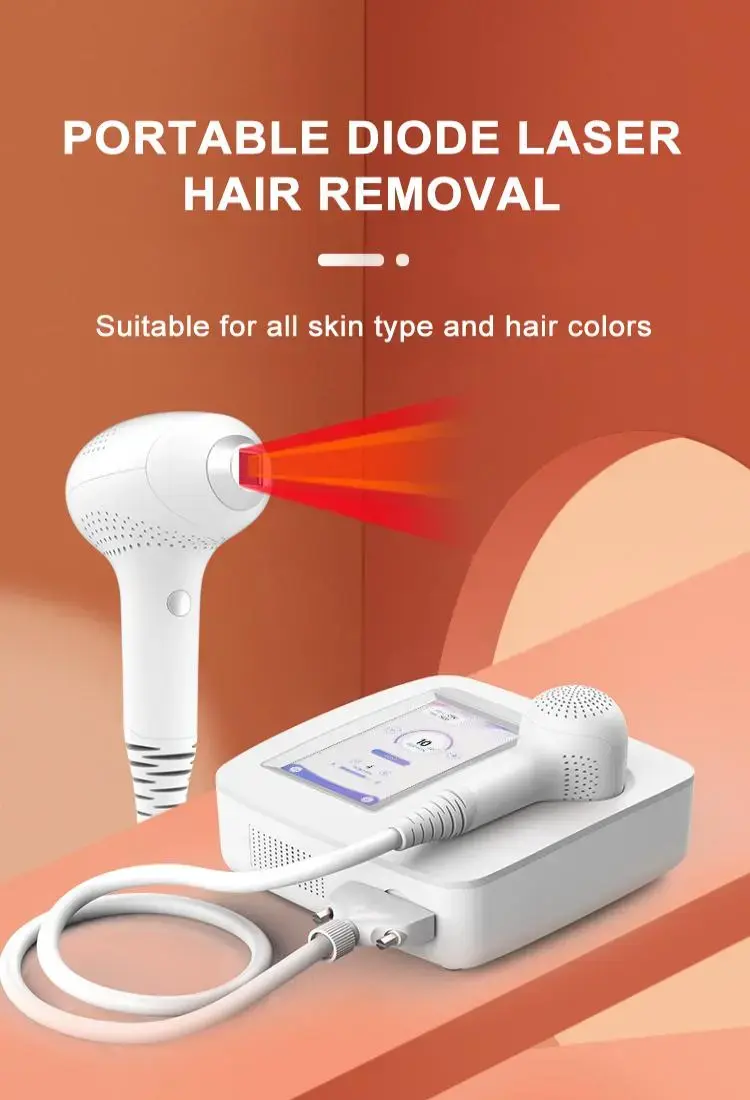
Today's diode laser devices get an average score of 4.3/5 from users, which is much better than the 2.8/5 score for standard waxing or the 3.1/5 score for older laser systems. Positive reviews and recommendation rates are driven by the mix of effective results and painless application. These are two important factors for building long-term customer bases in the competitive beauty market.
Choosing the Best Painless At-Home Laser Hair Removal Devices for Procurement
Critical Technical Specifications
When looking at products to buy, a number of technical factors affect how well they work, how reliable they are, and how cheap they are in the market. Different laser power output choices (100W/200W) change how fast and well they treat thick hair. For example, using a higher wattage cuts session times by 30–40%. The energy density range needs to be able to adapt to different skin types, with settings that can be changed from 5J/cm² for sensitive skin to 40J/cm² for stubborn hair follicles.
Spot size has a direct effect on how well treatment works and how comfortable it is to handle. The 9x12mm opening is the best combination of coverage area and precise control. This is especially important for working on the face and in sensitive areas. Adjustable frequency lets doctors change pulse rates based on what patients say, how much pain they can handle, and the features of the treatment area.
Cooling System Performance Standards
Professional-grade technology is different from consumer gadgets because it can handle heat better. Dual-system cooling, which uses both air flow and semiconductor refrigeration, keeps the surface temperature steady over long periods of time. Verification tests should show that the contact surfaces hit the goal temperature of less than 10°C within 60 seconds of being turned on and stay there even during fast, continuous flashing.
Temperature alarms and automatic power decrease keep things from getting too hot, which could hurt the quality of care or put patients at risk. Devices that don't have strong cooling often cause pain that limits the intensity of treatment and lengthens the total number of sessions, which lowers the overall efficiency and client happiness. This is why painless at home laser hair removal systems prioritize advanced cooling technology to ensure comfortable, effective, and safe treatments.
Warranty and After-Sales Support Evaluation
A full one-year guarantee that covers failed parts and production flaws is an important way for B2B buyers to lower their risk. The fact that manufacturers offer extended warranty choices and clear prices for replacement parts shows that they trust the longevity of their products. Businesses should make sure that the guarantee covers shipping for broken units and lists how long it will take to fix or replace the item.
Infrastructure for technical help turns out to be just as important as the quality of the tools. Manufacturers that offer 24-hour reaction times, video training classes, and documentation in multiple languages make it easier for new employees to get started and faster for problems to be fixed. Businesses can set their products apart from others by adding branding interfaces, custom energy profiles, and feature sets that are specific to the market with OEM customization services.
How to Use Painless At-Home Laser Hair Removal Devices Effectively?
Pre-Treatment Preparation Protocol
The most successful treatments have the fewest side effects when the face is properly prepared. Clients should shave the areas that will be treated 24 hours before their meetings. This will protect the hair cells below the skin's surface and get rid of any hair on the surface that could absorb laser energy in a useless way. The skin needs to be clean, dry, and free of any lotions, deodorants, or makeup that could get in the way of the laser.
Photosensitizing drugs, recent sun exposure, and skin problems that are still present need to be checked out before treatment. Patch tests on small areas help find out each person's sensitivity limits and the best energy choices. Keeping track of initial pictures and measures of hair density makes it possible to see objective progress, which boosts client confidence and leads to better treatment plans.
Optimal Application Technique
Positioning and moving patterns of the device have a big effect on how consistent the results are. As long as the treatment window stays in straight line with the skin, the energy will be delivered evenly to the target area. By overlapping passes by about 10%, gaps are avoided and the same areas aren't worked on too much in one session.
The treatment moves in a planned way, breaking up bigger areas into smaller, easier-to-handle parts to keep things focused and complete. Customization is safe as long as energy levels are changed based on real-time feedback from patients and visible skin reactions. Sessions are usually scheduled every 4 to 6 weeks at first, and then the time between sessions gets longer as hair growth slows down and follicles go into resting stages.
Post-Treatment Care and Maintenance
Using cold packs or aloe vera gel to cool the area right away takes away any remaining heat and reduces minor soreness. To keep their color from changing, clients should stay out of the sun for 48 hours after treatment and use broad-spectrum SPF 30+ sunscreen whenever they go outside. These post-care practices are especially important for painless at home laser hair removal users, as proper aftercare ensures optimal results. Cleansers and creams without scents that are gentle on the skin help it heal without irritating it.
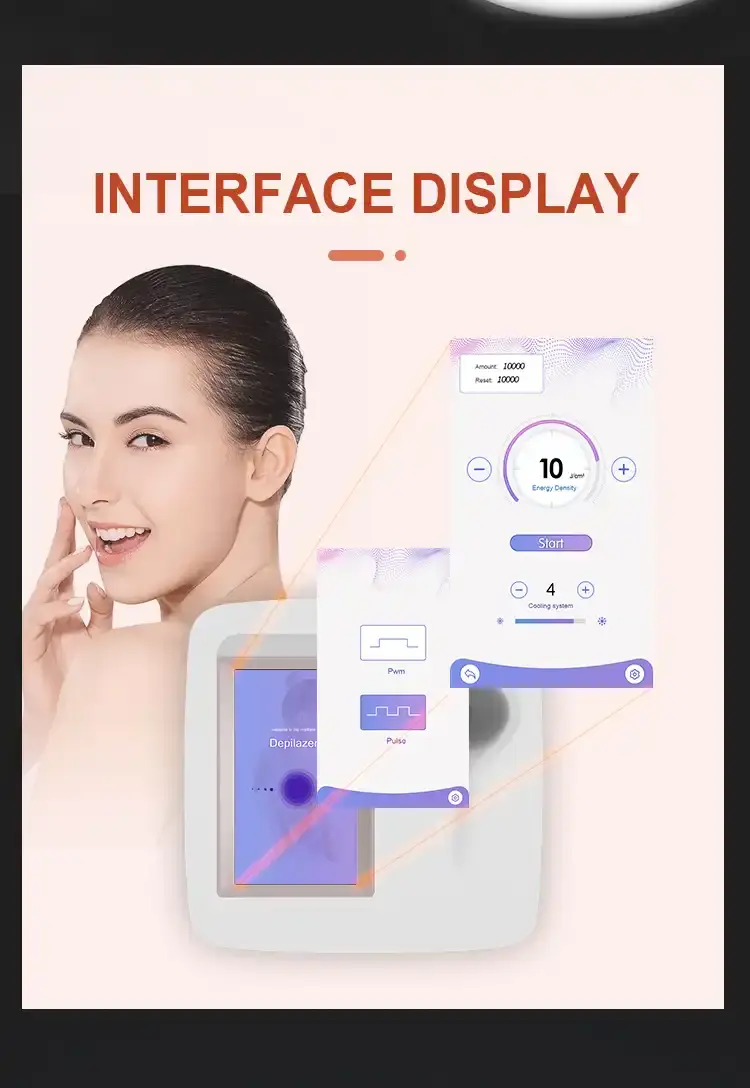
As part of normal device care, the treatment window is cleaned with approved optical cleaning solutions, the cooling system vents are checked for dust buildup, and the contact sensors are tested to make sure they work properly. When you store fragile optical parts in safe cases the right way, they stay in good shape and last longer. Keeping track of pulse numbers helps you figure out when to change parts before they stop working properly and lower the quality of the treatment.
Procurement Insights for B2B Buyers: Maximizing Value and Reliability
Market Trends Driving Demand
Wellness culture, social media impact, and technology progress are all coming together to make at-home beauty devices more popular. Market study shows that 68% of people aged 25 to 45 would rather handle their own cosmetic treatments. This means that businesses that can serve this group have a lot of possibilities. The trend toward preventive self-care and beauty maintenance encourages regular use of devices instead of trying them out just once.
Traditional hurdles to at-home laser treatments have been taken away by advances in technology that make them safer and more effective at relieving pain. Devices that were once only used in professional settings now give similar results and have easy-to-use displays that don't need much training. Now that modern beauty technology is more accessible to everyone, clinics can offer more than just services. They can also sell products and do business directly with clients.
Supplier Evaluation Criteria
To find trusted manufacturing partners, you need to do a thorough evaluation of many factors. Verification of production capacity makes sure that providers can meet number needs while keeping quality levels consistent while scaling up. During factory audits, quality control checkpoints, how parts are sourced, and testing procedures that make sure public specifications are met should all be looked at.
Making lead times clear and allowing for flexible minimum order quantities can change how inventory is managed and how cash flow is planned. Established producers with 15 years or more of production experience show stability and a wealth of knowledge when it comes to meeting legal requirements, finding hard-to-find parts, and improving designs. Their track record gives us faith that the standard of their current products will last through repeat sales and possible custom projects.
Negotiation Strategies and Partnership Development
Volume-based pricing systems lower the cost per unit by 15–30% depending on the number of units ordered. This is done to encourage bigger pledges. Putting together package deals with extras, new parts, and marketing materials adds value and makes the process of getting them easier. When you negotiate payment terms, you might be able to get longer net terms or letter of credit agreements that keep your working capital safe during growth stages.
Exclusive territory rights, co-branded product creation, and first access to new technology releases are all common parts of long-term partnership deals. These strategic partnerships make sure that both the maker and the wholesaler have the same goals, which encourages them to work together to grow the market and make customers happy. Regular reviews of the business and tracking of performance data make sure that both parties stay committed to their goals for joint success.
Conclusion
Painless at home laser hair removal is a big step forward in beauty technology, giving businesses huge chances to offer more services and make more money. The 808nm diode laser technology helps get rid of hair effectively while keeping the patient comfortable with advanced safety and cooling systems. B2B buyers can make better purchasing choices if they understand technical specs, how the market works, and how to evaluate suppliers. This article talks about gadgets that have been certified internationally and work well in a wide range of situations. Professional-grade beauty products that are easy to use are becoming more and more popular. Companies that work with experienced makers can take advantage of this growing market.
FAQ
1. How does the pain level compare to professional salon treatments?
Modern diode lasers with built-in cooling systems cause very little pain. Instead of the sharp pain that comes with older technologies, users often describe it as a slight heat feeling. The semiconductor cooling keeps the skin's surface at a temperature of 1 to 5°C, which numbs the nerves and makes them less sensitive. On a scale of 1 to 10, most people say that the amount of discomfort is about 2 to 3, which is about the same as or better than going to a salon. The different energy sets let you make the treatments even better based on your pain threshold, so even sensitive places can be treated.
2. Are these devices safe for all skin types?
When set correctly, good 808nm diode laser systems can work with Fitzpatrick skin types I through V. Because the frequency goes deep into the skin, it reduces the risk of absorption by the epidermis, especially for darker skin tones. Built-in skin tone sensors instantly change the amount of energy sent out, so too much heat doesn't build up and cause redness. People with very dark skin (Type VI) need to be evaluated by a professional and may need to follow different rules. The CE and ISO13485 standards confirm biocompatibility testing on a range of skin types. However, patch tests on each person are still suggested before full treatments.
3. What treatment frequency delivers optimal results?
In the beginning stages of treatment, sessions are usually held every four to six weeks, timed to coincide with hair growth cycles and target follicles during busy anagen phases. Most people need 6–8 treatments to get rid of 75–90% of their hair. After the third session, you can see the effects. As dormant follicles sometimes wake up, maintenance treatments every three to six months keep the results for a long time. Individual reaction patterns are affected by hormones, treatment area, and hair characteristics. This means that flexible plans work better than strict rules.
Partner with TB for Professional Laser Hair Removal Solutions
TB Laser Beauty is ready to help your business grow by giving you the best painless at home laser hair removal tools on the market, backed by 15 years of making excellence. Our 808nm diode laser systems have been tested and proven to work in hospital settings, so your clients can be sure they will be reliable. We provide full OEM customization, reasonable prices for large orders, and quick technical help at susan@taibobeauty.com. Whether you're looking for a reliable company to provide painless at-home laser hair removal at home or want to expand your product line, our experienced team has the knowledge and dedication to partnerships that lead to long-term growth. Get in touch with us right away to get full specifications, prices for large orders, and free training materials that will help you succeed faster in the market.
References
1. Anderson, R.R., & Parrish, J.A. (2018). Selective Photothermolysis: Principles and Applications in Dermatology. Journal of Investigative Dermatology.
2. Haedersdal, M., & Gotzsche, P.C. (2020). Laser and Light-Based Hair Removal: Comparative Effectiveness and Safety. Clinical Dermatology Review.
3. Ross, E.V., et al. (2019). Diode Laser Hair Removal: Technical Parameters and Clinical Outcomes. Lasers in Surgery and Medicine.
4. Town, G., & Ash, C. (2021). Quality Standards for At-Home Laser and Light Devices. International Journal of Cosmetic Science.
5. Vachiramon, V., & McMichael, A. (2017). Hair Removal in Ethnic Skin: Special Considerations and Treatment Protocols. Dermatologic Clinics.
6. Zhang, L., et al. (2022). Consumer Preferences and Market Trends in Home-Use Aesthetic Devices. Journal of Cosmetic Dermatology and Sciences.





YOU MAY LIKE