
Which RF microneedling device is best?
2025-11-07 09:02:56
Imagine looking in the mirror and noticing sagging skin, stubborn wrinkles, and acne scars that refuse to fade despite trying countless treatments. You are not alone in this frustration. Professional aesthetic clinics worldwide face the challenge of selecting the right rf microneedling machine that delivers consistent, transformative results for their clients. The answer lies in understanding advanced radiofrequency microneedling technology that combines precise needle penetration with controlled thermal energy to stimulate deep collagen remodeling and skin rejuvenation.
Understanding RF Microneedling Machine Technology
The rf microneedling machine represents a revolutionary advancement in aesthetic medicine by merging two proven skin rejuvenation methodologies into one powerful treatment platform. Traditional microneedling creates controlled micro-injuries through tiny needles that penetrate the skin surface, triggering the body's natural wound healing response. This process alone encourages collagen and elastin production, improving skin texture and reducing imperfections. However, when radiofrequency energy is introduced through these same channels, the treatment effectiveness multiplies exponentially. Radiofrequency technology delivers thermal energy deep into the dermal layers without damaging the epidermis. This controlled heating reaches temperatures that cause immediate collagen contraction and stimulate long-term collagen remodeling. The rf microneedling machine delivers this energy precisely at various depths, ranging from superficial 0.5mm treatments for fine lines to deep 7mm penetration for body contouring and stretch mark removal. The combination creates both mechanical stimulation from needling and thermal stimulation from radiofrequency, resulting in comprehensive skin transformation that addresses multiple concerns simultaneously. Professional-grade rf microneedling machines feature adjustable parameters including needle depth, radiofrequency power output, pulse duration, and treatment modes. These variables allow practitioners to customize treatments for different skin types, concerns, and anatomical areas. Advanced systems incorporate real-time temperature monitoring and feedback mechanisms that ensure consistent energy delivery while maintaining patient safety. The technology has evolved significantly, with modern devices offering insulated needle tips that protect the epidermis while delivering concentrated heat to target tissues, making treatments safer for all skin tones.
-
Key Features That Define Quality RF Microneedling Equipment
Professional rf microneedling machines distinguish themselves through several critical technical specifications. The radiofrequency frequency typically operates at 1-2 MHz, which provides optimal tissue penetration and heating efficiency. Power output ranges from 10W to 300W depending on the device and treatment area, with facial treatments generally requiring lower power than body applications. Needle configurations vary significantly, with handpieces featuring anywhere from 12 pins for delicate areas like around the eyes to 40 pins for large body zones requiring extensive coverage. Needle depth adjustability remains paramount for treatment versatility. Premium rf microneedling machines offer precise depth control from 0.2mm to 7mm, allowing practitioners to target specific skin layers based on treatment objectives. Superficial depths address fine lines and texture irregularities, while deeper penetration tackles severe laxity, deep wrinkles, and subdermal concerns. The ability to adjust both depth and energy independently provides practitioners with complete control over treatment intensity and outcomes. Safety features integrated into professional rf microneedling machines include automatic shut-off mechanisms, error alert systems, temperature monitoring sensors, and cooling systems. Semi-conductor cooling technology helps maintain optimal handpiece temperature during extended treatment sessions, ensuring consistent performance and patient comfort. User-friendly interfaces with touchscreen displays allow for intuitive operation, with many systems offering preset treatment protocols alongside customizable programming options. These technological refinements transform complex procedures into streamlined, repeatable treatments that deliver reliable results.
Advanced RF Microneedling Machine Treatment Applications
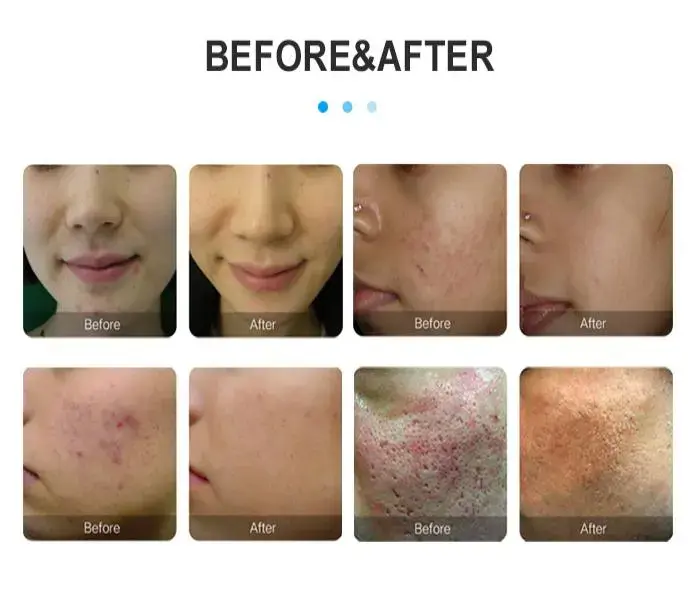
The rf microneedling machine addresses an extensive spectrum of aesthetic concerns across facial, neck, and body areas. For facial rejuvenation, these devices excel at treating expression lines, crow's feet, forehead wrinkles, nasolabial folds, and marionette lines. The controlled energy delivery stimulates collagen synthesis in precisely targeted areas, creating natural-looking improvements without the artificial appearance sometimes associated with injectable treatments. Skin texture improvements become evident as enlarged pores minimize, rough patches smooth out, and overall complexion quality enhances. Acne scarring responds exceptionally well to rf microneedling machine treatments. The combination of mechanical needling and thermal energy breaks down fibrous scar tissue while simultaneously stimulating new collagen formation. This dual action gradually elevates depressed scars and smooths irregular skin topography. Similarly, surgical scars, trauma scars, and keloid formations show marked improvement with consistent treatment protocols. The technology proves particularly effective for ice pick, rolling, and boxcar acne scar morphologies that resist other treatment modalities. Body applications of rf microneedling machines include stretch mark reduction, skin tightening after weight loss, cellulite improvement, and localized fat reduction. The deeper penetration capabilities of specialized body handpieces allow practitioners to reach subdermal layers where connective tissue damage and fat deposits reside. For stretch marks, the treatment remodels the damaged collagen matrix, improving both color and texture of striae. Post-pregnancy abdominal laxity, arm skin sagging, and thigh irregularities respond favorably to properly administered rf microneedling machine protocols that combine appropriate needle depths with sufficient radiofrequency power.
-
Clinical Benefits for Aesthetic Practice Integration
Integrating professional rf microneedling machines into beauty salons, dermatology clinics, and cosmetic surgery centers provides substantial competitive advantages. These devices offer minimally invasive alternatives to surgical procedures, attracting clients seeking significant improvements without extensive downtime or surgical risks. Treatment sessions typically last 30-60 minutes depending on the area treated, making them compatible with busy practice schedules. The minimal downtime associated with rf microneedling machine procedures allows clients to return to normal activities quickly, typically within 24-48 hours with only mild redness and minimal swelling. Results from rf microneedling machine treatments develop progressively over weeks and months as new collagen matures and skin remodeling continues. Initial improvements in skin texture and radiance appear within days, while substantial tightening and wrinkle reduction become evident over 4-12 weeks. This gradual transformation creates natural-looking outcomes that avoid the sudden, obvious changes that sometimes concern clients. Most treatment protocols involve 3-4 sessions spaced 4-6 weeks apart for optimal results, with maintenance treatments recommended annually to preserve improvements. The versatility of rf microneedling machines allows practices to treat diverse clientele across various age groups, skin types, and concern categories. Unlike some laser technologies that carry higher risks for darker skin tones, modern rf microneedling equipment with insulated needle technology provides safe, effective treatments for all Fitzpatrick skin types. This inclusivity expands potential client bases and establishes practices as comprehensive aesthetic solution providers. The combination of safety, efficacy, and versatility makes rf microneedling machines valuable investments that generate strong return on investment through high client satisfaction and repeat business.
Evaluating Professional RF Microneedling Machine Options
Selecting the optimal rf microneedling machine requires careful evaluation of technical specifications, clinical capabilities, manufacturer reputation, and business considerations. Professional-grade systems differ significantly from home-use devices in power output, penetration depth, safety features, and treatment precision. Clinical devices deliver substantially higher radiofrequency energy levels that create therapeutic temperatures necessary for collagen denaturation and remodeling. Home devices lack this power and cannot achieve comparable results, making professional equipment essential for practice success. When comparing rf microneedling machines, practitioners should prioritize devices offering multiple handpiece options to address varied treatment needs. Facial handpieces with 12-24 pins provide precision for delicate areas and detailed work, while body handpieces with 40 pins enable efficient treatment of large surface areas. Specialized nano-needle tips accommodate clients with pain sensitivity or those requiring gentle treatments for sensitive skin conditions. The availability of complementary accessories like ice compression hammers enhances treatment comfort by reducing tissue temperature, constricting blood vessels, and minimizing post-treatment discomfort. Technical specifications warrant thorough examination. RF frequency, power range, pulse modes, and depth increments all impact treatment capabilities and outcomes. Devices offering both monopolar and bipolar radiofrequency modes provide greater versatility for different tissue types and treatment goals. Pulse duration options allow customization of energy delivery timing, with longer pulses creating more sustained heating for deeper tissue effects. Advanced systems incorporate single-pulse and dual-pulse modes that optimize energy distribution based on needle depth, automatically adjusting parameters to maintain safety margins while maximizing therapeutic benefit.
-
Certification and Compliance Standards
Professional rf microneedling machines must meet stringent regulatory requirements to ensure safety and efficacy. CE certification indicates compliance with European Union safety, health, and environmental protection standards. This certification confirms that devices have undergone rigorous testing and meet essential requirements for medical equipment. ISO 13485 certification demonstrates that manufacturers maintain quality management systems specifically designed for medical device production, ensuring consistent manufacturing processes and product reliability. FDA clearance represents approval from the United States Food and Drug Administration, confirming that devices are safe and effective for their intended uses. While not all international manufacturers pursue FDA clearance, this certification provides additional credibility and opens American market opportunities. SGS certification, EMC electromagnetic compatibility testing, and LVD low voltage directive compliance further validate device safety and performance. These certifications protect practitioners from liability concerns and assure clients they are receiving treatments with properly tested, approved medical equipment. Manufacturers offering comprehensive certification portfolios demonstrate commitment to quality, safety, and professional standards. When evaluating rf microneedling machine suppliers, verification of current, valid certifications should constitute a fundamental component of due diligence. Reputable manufacturers readily provide certification documentation and maintain transparent communication about regulatory compliance. This transparency reflects manufacturing integrity and supports professional practices in meeting their own regulatory obligations while delivering safe, effective aesthetic treatments.
Maximizing RF Microneedling Machine Treatment Outcomes
Achieving optimal results with rf microneedling machines requires proper technique, appropriate treatment parameters, and comprehensive pre- and post-care protocols. Pre-treatment skin preparation includes thorough cleansing to remove makeup, oils, and debris that might impede needle penetration or introduce contaminants. Topical anesthetic application 20-30 minutes before treatment significantly enhances patient comfort, particularly for deeper penetration depths or sensitive areas. Photographing treatment areas with consistent lighting and angles establishes baseline documentation for tracking progress and demonstrating outcomes. Treatment technique significantly influences results and client comfort. Proper handpiece positioning maintains perpendicular needle entry, ensuring consistent penetration depth and uniform energy delivery. Systematic treatment patterns prevent missed areas while avoiding excessive overlapping that could cause unnecessary trauma. Adjusting parameters based on anatomical location acknowledges varying skin thickness and sensitivity across facial and body regions. Delicate areas like periorbital zones require lighter pressure, shallower depths, and reduced power, while resilient areas like the cheeks and body tolerate more aggressive settings. Post-treatment protocols support healing and optimize outcomes. Immediately following treatment, cooling measures reduce inflammation and minimize discomfort. Gentle skincare products without harsh actives, fragrances, or irritants should be used during the initial healing phase. Sun protection becomes critically important as treated skin exhibits increased photosensitivity. Hydration, both topical and systemic, supports the healing process and collagen synthesis. Advising clients about expected post-treatment responses including redness, mild swelling, and temporary textural changes sets realistic expectations and reduces anxiety about normal healing phenomena.
-
Ongoing Professional Development and Training
Successful rf microneedling machine utilization requires comprehensive training beyond basic device operation. Understanding skin anatomy, wound healing physiology, collagen production mechanisms, and radiofrequency energy properties enables practitioners to make informed treatment decisions. Recognizing contraindications such as active infections, certain medications, autoimmune conditions, and pregnancy protects client safety and practice reputation. Identifying appropriate candidates through thorough consultations ensures treatments align with client goals and realistic outcome expectations. Advanced technique training covers troubleshooting common challenges, managing adverse reactions, and optimizing protocols for specific concerns. Learning to recognize subtle differences in skin response allows real-time parameter adjustments that maximize results while maintaining safety. Understanding how factors like age, skin condition, previous treatments, and lifestyle habits influence outcomes enables personalized treatment planning. Continuous education about emerging research, technique refinements, and technology advances keeps practitioners at the forefront of aesthetic medicine. Many rf microneedling machine manufacturers provide comprehensive training programs including hands-on instruction, video tutorials, and ongoing support. Taking advantage of these resources accelerates proficiency development and confidence building. Attending industry conferences, workshops, and certification programs expands knowledge and connects practitioners with peers facing similar challenges. This commitment to professional development translates directly into superior treatment outcomes, enhanced client satisfaction, and practice growth through positive reputation building.
Business Considerations for RF Microneedling Machine Investment
Investing in professional rf microneedling machines represents a significant financial commitment that requires careful business analysis. Equipment costs vary substantially based on technology sophistication, brand reputation, and included accessories, typically ranging from moderate investments for basic systems to substantial expenditures for premium platforms with advanced capabilities. However, focusing solely on initial purchase price overlooks important factors like treatment efficacy, client satisfaction, equipment longevity, and revenue generation potential that ultimately determine return on investment. Calculating potential revenue involves estimating treatment pricing, session frequency, and client volume. RF microneedling treatments command premium pricing due to their advanced technology and superior results, with sessions typically priced between $500-$2500 depending on treatment area, market positioning, and geographic location. Assuming conservative estimates of 15-20 treatments monthly at average pricing, practices can project substantial annual revenue from a single rf microneedling machine. When considering that equipment lifespans exceed 5-10 years with proper maintenance, the long-term revenue potential far outweighs initial investment costs. Additional business advantages include practice differentiation, expanded service offerings, and enhanced reputation. Offering cutting-edge rf microneedling machine treatments positions practices as technology leaders and attracts clients seeking the latest innovations. Cross-selling opportunities emerge as clients receiving rf microneedling treatments often pursue complementary services. The non-invasive nature and impressive results generate positive word-of-mouth marketing and social media sharing that provide valuable organic promotion. Building a reputation for excellence in rf microneedling treatments establishes practices as destination providers, drawing clients from expanded geographic areas.
-
OEM and ODM Partnership Opportunities
Original Equipment Manufacturing OEM and Original Design Manufacturing ODM services provide opportunities for established practices, distributors, and entrepreneurs to develop branded rf microneedling machines tailored to their specifications. OEM arrangements allow businesses to place their branding on existing equipment designs, creating proprietary products without extensive development costs or manufacturing infrastructure investments. This approach enables rapid market entry with proven technology while building brand recognition and client loyalty. ODM partnerships offer deeper customization, allowing modification of machine designs, feature sets, interface designs, and technical specifications. Businesses can differentiate their offerings through unique capabilities, aesthetic designs, or specialized applications that address specific market niches. Working with experienced manufacturers provides access to engineering expertise, regulatory knowledge, and quality assurance systems that ensure products meet professional standards. These partnerships prove particularly valuable for distributors seeking exclusive products that distinguish them from competitors selling identical equipment. Successful OEM and ODM partnerships require clear communication, detailed specifications, and realistic timeline expectations. Reputable manufacturers provide comprehensive support throughout development including prototype creation, testing protocols, certification assistance, and production scaling. Minimum order quantities, payment terms, and intellectual property considerations require careful negotiation to protect all parties' interests. For businesses seeking significant market presence in the aesthetic equipment sector, OEM and ODM arrangements with established rf microneedling machine manufacturers provide strategic pathways to success.
Conclusion
Selecting the best rf microneedling machine ultimately depends on specific practice needs, client demographics, treatment focus areas, and business objectives. Professional-grade equipment with comprehensive certifications, versatile capabilities, and manufacturer support provides the foundation for successful aesthetic practices. The transformative results achievable through properly administered rf microneedling treatments create satisfied clients who become practice advocates, driving sustainable growth through referrals and repeat business.
Cooperate with Xi'an Taibo Laser Beauty Company
Xi'an Taibo Laser Beauty Company stands as a leading China rf microneedling machine manufacturer with over 15 years of production experience and expertise serving more than 180 countries worldwide. As a trusted China rf microneedling machine supplier, Taibo offers professional-grade equipment featuring Morpheus 8 technology, multiple treatment handles, and comprehensive certifications including CE and ISO13485. Our China rf microneedling machine factory maintains dedicated production departments, quality inspection teams, and professional after-sales support ensuring you receive High Quality rf microneedling machines that deliver consistent results.
Whether you seek rf microneedling machine for sale as a standalone purchase or prefer exploring China rf microneedling machine wholesale opportunities, Taibo provides flexible solutions including OEM and ODM services. Our competitive rf microneedling machine price structures, combined with two-year warranties, free training programs, and 24-hour technical support, make Taibo your ideal partner for aesthetic equipment needs. Visit our factory, experience our technology firsthand, and discover why professionals worldwide trust Taibo for their rf microneedling machine requirements. Contact us today at susan@taibobeauty.com to discuss how we can support your practice growth with cutting-edge aesthetic solutions.
References
1. Gold, M. H., & Sensing, W. (2019). Radiofrequency Microneedling: A Review of the Literature and Clinical Applications. Journal of Drugs in Dermatology, 18(11), 1070-1074.
2. Alster, T. S., & Tanzi, E. L. (2021). Minimally Invasive Aesthetic Procedures: A Guide to Dermal Fillers, Neurotoxins, and Energy-Based Devices. Springer Publishing.
3. Alam, M., White, L. E., Martin, N., Witherspoon, J., Yoo, S., & West, D. P. (2020). Fractional Laser Resurfacing and Microneedling: Current Clinical Practices and Future Directions. Dermatologic Surgery, 46(9), 1195-1202.
4. Fernandes, D., & Signorini, M. (2018). Combating Photoaging with Percutaneous Collagen Induction and Radiofrequency Technology: Clinical Evidence and Protocols. Plastic and Reconstructive Surgery Global Open, 6(3), e1623.





YOU MAY LIKE