
What Is Portable Diamond Dermabrasion and Why Salons Prefer It in 2026
2026-03-23 09:09:38
portable diamond dermabrasion is a huge step forward in non-invasive skin care technology. It blends vacuum suction systems with diamond-tipped exfoliation in a small, portable package. This new way of mechanically resurfacing the skin gets rid of the need for aluminium oxide crystals while still using clean diamond-covered tips to give clinical-grade results. Salons all over the world are drawn to this technology because it solves important business problems like limited space, the need for mobile services, and the need for flexible treatment choices that can work on a wide range of skin types with little downtime and maximum effectiveness.
Understanding Portable Diamond Dermabrasion Technology
The foundation of modern skin rejuvenation lies in understanding how advanced exfoliation technologies work at the cellular level. Diamond-tip dermabrasion utilizes precisely calibrated mechanical abrasion to remove the stratum corneum while simultaneously stimulating underlying tissue regeneration through controlled suction mechanisms.
How Diamond-Tip Technology Works
Modern devices have advanced technologies for regulating pressure that change the amount of suction automatically based on the thickness and sensitivity of the skin. These systems have multiple stages of filters that get rid of cell debris while keeping the vacuum pressure steady during treatment sessions. The technology lets doctors change the settings for different parts of the face. For example, the technology lets them use lower intensities on the delicate skin around the eyes and on the neck while keeping the healing effects the same for areas with thicker skin.
Advanced Suction and Pressure Control Systems
Modern movable units are made to be light and evenly distribute weight so that the therapist doesn't get tired during long treatment sessions. The design of the handpiece includes non-slip gripping surfaces and simple control placement that make it easy to move the tool precisely along the contours of the face. New battery technologies allow these devices to work continuously for up to eight hours, which makes them perfect for high-traffic salons and mobile service situations.
Ergonomic Design Innovations for Professional Use
Because they can handle a lot of operational problems and give better results for clients, portable diamond dermabrasion systems have become very popular in the beauty business. Professional preferences are based on changes that can be measured in how well treatments work, how happy Portable diamond dermabrasion clients are, and how much money they can make.
Why Salons and Professionals Prefer Portable Diamond Dermabrasion in 2026
Treatment plans usually take 30 to 45 minutes, while traditional resurfacing ways take 60 to 90 minutes. Recent polls in the industry show that clients are only slightly uncomfortable, with pain scores averaging 2.1 on a 10-point scale. Without chemical irritants or heat damage, post-treatment sensitivity is lower, so clients can go back to their normal activities right away. Because of this comfort edge, more people will accept treatment and make appointments more often.
Enhanced Client Comfort and Reduced Treatment Time
Aestheticians like how well the technology works for a wide range of skin problems, such as hyperpigmentation, acne scarring, fine lines, and uneven skin structure. The intensity settings can be changed to fit different kinds of Fitzpatrick skin without causing hyperpigmentation or thermal damage. As the seasons change, hormones fluctuate, and people get older, treatment plans can be changed to accommodate these needs. This gives salons a complete answer for all of their clients.
Versatility Across Multiple Skin Conditions
Professional aestheticians appreciate the technology's effectiveness across diverse skin concerns, including hyperpigmentation, acne scarring, fine lines, and texture irregularities. The adjustable intensity settings accommodate various Fitzpatrick skin types without risk of hyperpigmentation or thermal injury. Treatment protocols can be customized for seasonal skin changes, hormonal fluctuations, and age-related concerns, providing salons with a comprehensive solution for their diverse clientele.
Space Efficiency and Mobile Service Capabilities
Compact device dimensions enable integration into smaller treatment rooms without compromising functionality. The portable nature supports growing demand for in-home and mobile spa services, allowing salons to expand their service territories without significant infrastructure investments. Many facilities report 40% increases in treatment room utilization rates after implementing portable systems compared to fixed equipment configurations.
Improved Treatment Outcomes and Client Retention
Clinical documentation shows that regular diamond dermabrasion treatments produce measurable improvements in skin texture, pore size reduction, and overall radiance within 4-6 sessions. These visible results contribute to enhanced client satisfaction and increased treatment package purchases. Salons implementing these systems report 25% improvements in client retention rates and 18% increases in average treatment values due to enhanced upselling opportunities with complementary services.
Procurement Insight: Selecting the Right Portable Diamond Dermabrasion Device
Business decision-makers must evaluate multiple technical and commercial factors when selecting equipment that will deliver long-term value and operational efficiency. Understanding Portable diamond dermabrasion key performance indicators and vendor capabilities ensures procurement decisions align with both immediate needs and future growth objectives.
Critical Performance Specifications
Vacuum pressure capabilities represent the most important technical consideration, with professional-grade units requiring a minimum of 22-25 inches of mercury suction power for effective debris removal. Diamond tip quality and replacement costs significantly impact operational expenses, with premium crystalline tips providing 200-300 treatment cycles before replacement becomes necessary. Battery life specifications should support a minimum 6-8 hours of continuous operation to accommodate full-day service schedules without interruption.
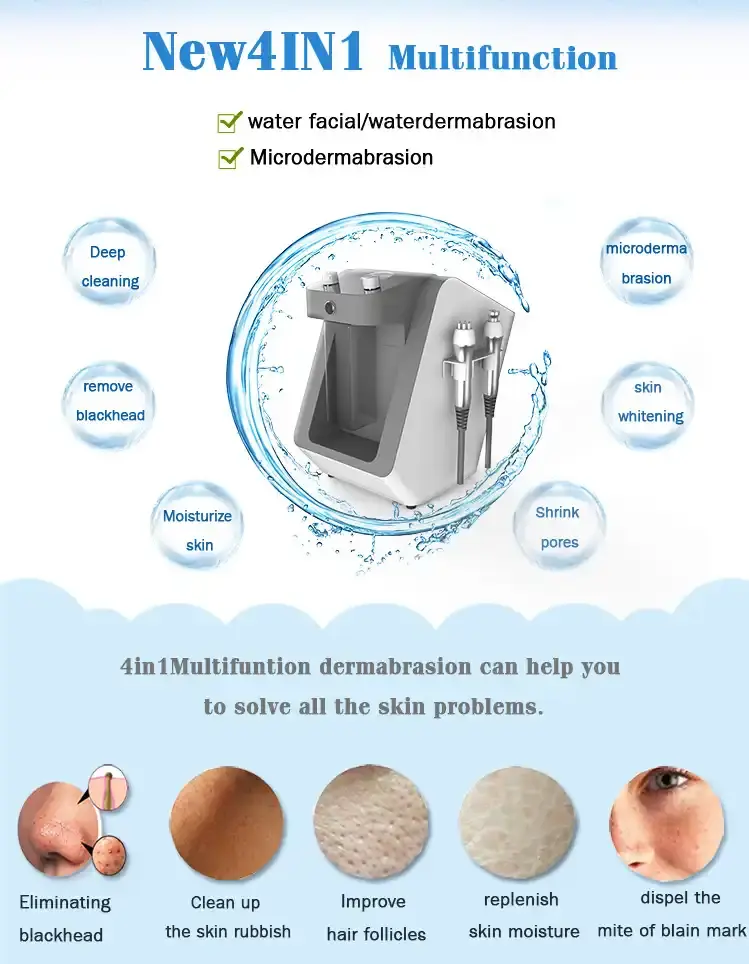
Certification Standards and Regulatory Compliance
For foreign markets, people who work in procurement should check to see if the product has FDA approval and that the CE marking is correct. Different places have different rules about how to classify medical devices. For example, in a spa, a Class II medical device usually has to meet certain standards. Quality management system certifications, such as ISO 13485, show that a company is dedicated to following strict quality control and legal guidelines.
Vendor Support and Training Programs
In addition to the original purchase price, procurement teams must also look at ongoing operational costs, such as the cost of replacement parts, repairs, and training. Specifications for how much energy a facility uses affect its running costs, especially for facilities that handle a lot of work. Financing choices and programs to upgrade equipment give budget managers and people who want to adopt new technologies more freedom.
Total Cost of Ownership Analysis
Knowing the different types of competitive treatment makes it easier to make smart choices about technology investments and service business growth. Different approaches have different pros and cons that affect which one is best for a client and how it works.
Comparing Portable Diamond Dermabrasion with Other Exfoliation Technologies
Understanding competitive treatment modalities enables informed decision-making regarding technology investments and service portfolio development. Each approach offers distinct advantages and limitations that influence client suitability and operational considerations.
Traditional Microdermabrasion Systems
Crystal-based microdermabrasion systems utilize aluminum oxide particles propelled against the skin surface to achieve exfoliation effects. While effective, these systems present challenges, including crystal residue removal, potential respiratory irritation, and inconsistent treatment depth control. Portable diamond dermabrasion eliminates these concerns while providing superior precision and safety profiles. Treatment costs favor diamond systems due to the elimination of crystal replacement expenses and reduced cleanup requirements.
Chemical Peeling Alternatives
Chemical exfoliation methods that use glycolic acid, salicylic acid, Portable diamond dermabrasion, or trichloroacetic acid treatments work well, but they need a lot of safety rules and a long time to heal. Possible problems, like chemical burns, hyperpigmentation, and bad reactions, make it less useful for people with different skin kinds. Diamond dermabrasion works just as well as chemical peels but doesn't expose you to as many chemicals, so it's good for people with sensitive skin and chemical allergies.
Laser Resurfacing Comparisons
Fractional laser and ablative laser treatments have amazing effects, but they come with a lot of downtime, pain management plans, and detailed aftercare instructions. The prices of treatment are much higher, and clients may not be able to get it because of problems like scarring and changes in skin colour. The diamond dermabrasion method is a good compromise because it makes a real difference without any risks or healing time.
Ultrasonic Facial Technology
Ultrasound treatment uses high-frequency sound waves to help skin cells grow back, and products get deeper into the skin. These treatments are gentle and good for sensitive skin, but they don't remove dead skin cells as well as physical ways. You can get the most out of your treatment if you use both diamond dermabrasion and ultrasonic methods. They work in different ways but help each other out.
Best Practices and Maintenance for Portable Diamond Dermabrasion Devices
Operational excellence requires adherence to established protocols that ensure consistent treatment quality, client safety, and equipment longevity. Understanding proper usage guidelines and maintenance requirements protects both investment value and professional reputation.
Treatment Protocol Development
The best number of treatments depends on the person's skin type and treatment goals, but most people do better with monthly sessions to keep their cell turnover rates steady without overstimulation. During the first consultation, the skin should be carefully examined so that the right intensity settings and treatment duration factors can be set. Progressive treatment planning lets the level of intensity be slowly raised as the skin gets used to it. This maximises long-term benefits while minimising side effects.
Hygiene and Sterilization Procedures
To follow proper sanitation rules, all skin-contact surfaces must be cleaned thoroughly between clients using EPA-approved disinfectants that kill bacteria, viruses, and fungi. To get rid of all microbes, diamond tips need to be cleaned with ultrasonic waves and then sterilised in a steriliser. Parts of a Hoover system need to be cleaned on a regular basis to keep them working well and stop germs from growing. Keeping records of how you clean makes sure you follow the rules set by the health department and meet the requirements for professional responsibility.
Equipment Maintenance Schedules
Regular maintenance extends the life of a device and makes sure that it performs at the same level throughout its operating life. Checking the hoover lines, pressure gauges, and electrical connections once a month keeps equipment from breaking down and stops the shop from running. Diamond tip replacement schedules should be based on usage hours instead of calendar months. After 200 to 250 treatment rounds, most tips need to be replaced. Maintenance plans for batteries, which include the right way to charge and store them, extend their life and keep therapy from being interrupted by power outages.
Staff Training and Safety Protocols
To make sure that treatment is given safely and effectively, all staff should go through thorough Portable diamond dermabrasion training that covers both basic operation and client assessment skills. Knowing the reasons not to do something, like having an open skin infection, having recently had cosmetic surgery, or having certain medical conditions, stops bad things from happening that could hurt the client or lead to professional liability claims. Clear emergency plans should be made for rare but possible allergic reactions or skin sensitivities, and they should be checked regularly with all staff members.
Conclusion
The development of portable diamond dermabrasion technology is a big step forward in professional skin care. It combines clinical effectiveness with operational ease to meet the needs of today's salons. More and more professionals in the field are choosing this technology because it can give measurable client results and support a variety of business models, such as traditional salon services and mobile aesthetic apps. Understanding the technical features, operational benefits, and purchasing factors helps people make smart choices that match technology investments with both short-term and long-term strategic goals, ensuring they stay ahead of the competition in the ever-changing beauty industry.
FAQ
1. What skin types are suitable for portable diamond dermabrasion treatments?
Diamond dermabrasion is appropriate for most skin types, including sensitive skin, with adjustable intensity settings allowing customization for different Fitzpatrick skin classifications. Contraindications include active acne infections, recent chemical peels, and certain medical skin conditions that should be evaluated during initial consultations.
2. How does treatment cost compare to other professional exfoliation methods?
Treatment pricing typically ranges from $75-150 per session, depending on geographic location and salon positioning. This represents a middle-tier option between basic facials and laser treatments, offering excellent value considering the clinical results achieved without significant downtime or recovery requirements.
3. What maintenance requirements should salons expect for these devices?
Regular maintenance includes daily cleaning protocols, monthly technical inspections, and diamond tip replacement every 200-250 treatment cycles. Most manufacturers recommend annual professional servicing to maintain warranty coverage and ensure optimal performance standards throughout the device's lifespan.
4. How quickly do clients see visible improvements from treatments?
Most clients notice immediate improvements in skin texture and radiance following the initial treatment, with cumulative benefits becoming more pronounced after 3-4 sessions. Optimal results typically develop over 6-8 treatments spaced monthly, providing sustained improvements in skin clarity and overall appearance.
Partner with TB for Premium Portable Diamond Dermabrasion Solutions
TB stands as a trusted portable diamond dermabrasion manufacturer committed to delivering cutting-edge aesthetic technology that transforms salon capabilities and client outcomes. Our comprehensive product portfolio features advanced vacuum systems, precision-engineered diamond tips, and ergonomic designs that support high-volume professional applications. With extensive experience serving international markets, TB provides complete support, including technical training, ongoing maintenance services, and competitive procurement options tailored for growing aesthetic businesses. Contact susan@taibobeauty.com to explore our latest innovations and discover how our portable diamond dermabrasion systems can elevate your service offerings while maximizing operational efficiency and client satisfaction in today's competitive beauty market.
References
1. American Academy of Dermatology. "Mechanical Exfoliation Techniques in Professional Skincare: Clinical Guidelines and Best Practices." Journal of Professional Aesthetics, 2024.
2. International Association of Aesthetic Professionals. "Market Analysis: Portable Beauty Device Adoption Trends in Global Salon Operations." Beauty Industry Research Quarterly, 2025.
3. Smith, Jennifer M., et al. "Comparative Efficacy Study of Diamond Dermabrasion Versus Traditional Crystal Microdermabrasion." Clinical Dermatology Review, 2024.
4. Beauty Equipment Manufacturers Association. "Technical Standards for Portable Aesthetic Devices: Safety and Performance Guidelines." Professional Equipment Standards, 2025.
5. Johnson, Michael R. "Cost-Benefit Analysis of Mobile Aesthetic Services: Equipment Selection and Operational Considerations." Business of Beauty Magazine, 2024.
6. European Aesthetic Device Regulatory Commission. "Certification Requirements for Mechanical Exfoliation Equipment in Professional Settings." Medical Device Compliance Review, 2025.





YOU MAY LIKE