
What Is a Surgical Liposuction Machine: Types Technologies and Clinical Applications
2026-04-16 09:17:27
A surgical liposuction machine is a modern Course II restorative electromechanical framework particularly designed for the exact desire of subcutaneous fat tissue during body contouring, lipoplasty, and reconstructive strategies. Not at all like routine therapeutic suction gadgets, these specialized machines work as comprehensive workstations that coordinated numerous modalities counting Power-Assisted Liposuction (Buddy), Ultrasound-Assisted (UAL), and Suction-Assisted (SAL) advances. These progressed frameworks address basic clinical challenges by diminishing specialist weakness, keeping up tissue reasonability for autologous uniting methods, and upgrading persistent security through precision-controlled negative weight components and computerized security protocols.
Understanding Surgical Liposuction Machines: Definition and Mechanism
Core Functionality and Design Principles
Modern liposuction gear speaks to a critical advancement from conventional suction gadgets, consolidating modern building standards that prioritize both surgical productivity and persistent security. These machines work through carefully calibrated negative weight frameworks that create controlled vacuum situations for fat tissue evacuation. The instrument includes exact weight control, ordinarily extending from 0.5 to 1.0 environments, guaranteeing ideal fat extraction while minimizing injury to encompassing tissues. The principal working rule depends on making a weight differential that permits specialists to specifically evacuate undesirable fat stores through little cannulas. Progressed models highlight real-time weight observing frameworks that naturally alter suction levels based on tissue resistance and cannula development, avoiding excessive constraint that might harm blood vessels or nerve structures.
Differentiation from Non-Surgical Alternatives
Surgical liposuction machines differ substantially from non-invasive fat reduction technologies in both mechanism and clinical outcomes. While non-surgical methods like cryolipolysis or radiofrequency treatments work through external energy application to reduce fat cell viability over time, surgical systems provide immediate, quantifiable fat removal with precise contouring capabilities. The key qualification lies in the controlled obtrusive approach that permits coordinate get to to fat tissue layers. This coordinate interaction empowers specialists to shape body forms with aesthetic accuracy, especially important in high-definition methods where muscle definition improvement requires the evacuation of particular fat layers. Clinical studies illustrate that surgical approaches accomplish volume decreases of 1-5 liters per session, compared to the 20-25% fat decrease regularly seen with non-invasive strategies over numerous treatment cycles.
Integrated Safety Mechanisms
Contemporary surgical liposuction frameworks consolidate different security layers planned to secure both patients and administrators. These incorporate weight criticism circles that avoid over the top suction, warm observing frameworks that dodge tissue overheating in energy-assisted strategies, and computerized shut-off instruments that enact when pre-set security parameters are exceeded. Advanced models highlight shrewd cannula acknowledgment frameworks that consequently alter settings based on the particular device being utilized, guaranteeing ideal execution for diverse anatomical ranges and procedural prerequisites. These security advancements have contributed to noteworthy enhancements in quiet results and decreased complication rates in cutting edge liposuction procedures.
Types and Technologies of Surgical Liposuction Machines
Suction-Assisted Liposuction (SAL) Systems
Traditional SAL innovation shapes the establishment of advanced liposuction strategies, utilizing controlled negative weight to evacuate fat tissue through manual cannula control. Modern SAL machines include exact weight control frameworks with advanced shows that permit specialists to screen and alter suction levels in real-time. These frameworks regularly work at weights extending from 26-28 inches of mercury, giving adequate constrain for compelling fat evacuation while maintaining tissue integrity. The most recent SAL gear joins ergonomic enhancements that diminish specialist weariness amid amplified methods. Improved cannula plans with moved forward tip arrangements permit for more effective fat extraction with decreased injury to encompassing tissues. Computerized weight gages and mechanized weight direction guarantee reliable execution throughout long surgical sessions, especially vital in large-volume procedures.
Ultrasound-Assisted Liposuction (UAL) Technology
UAL frameworks speak to a critical mechanical progression, utilizing high-frequency ultrasonic vitality to melt fat cells some time recently desire. These machines work at frequencies between 20-40 kHz, creating cavitation impacts that specifically target fat tissue whereas protecting vascular and nerve structures. The ultrasonic vitality pre-treats sinewy fat stores, making evacuation essentially simpler in challenging anatomical zones such as the male chest, back, and areas with past surgical scarring. Modern UAL gear highlights advanced vitality conveyance frameworks with real-time impedance observing that naturally alters control yield based on tissue characteristics. This versatile innovation anticipates overheating and warm harm while maximizing fat liquefaction effectiveness. Progressed models incorporate cooling frameworks that keep up ideal cannula temperatures throughout the strategy, encourage upgrading security profiles.
Power-Assisted Liposuction (PAL) Innovations
PAL innovation presents mechanical wavering to conventional liposuction procedures, with cannulas vibrating at frequencies up to 4,000 cycles per second. This mechanical activity altogether diminishes the physical exertion required for fat expulsion, especially advantageous in sinewy regions or amendment strategies where scar tissue complicates conventional procedures. The controlled wavering breaks up fat stores more effectively than manual control alone. Contemporary Buddy frameworks offer variable recurrence control, permitting specialists to customize vibration designs based on particular procedural prerequisites. The mechanical advantage given by Buddy innovation empowers more exact fat expulsion with diminished injury to encompassing tissues, contributing to speedier recuperation times and progressed, tasteful outcomes.
Laser-Assisted Liposuction (LAL) Advancements
LAL frameworks utilize centered laser vitality to melt fat cells and stimulate collagen generation for skin repair benefits. These machines regularly work utilizing 1064nm or 1320nm wavelengths, conveying vitality through fiber-optic cannulas that give exact thermal impacts. The double advantage of fat expulsion and skin tightening makes LAL especially important for patients with gentle to direct skin laxity concerns. Modern laser liposuction hardware consolidates temperature checking frameworks that guarantee ideal warm conveyance whereas avoiding overheating. Progressed models highlight numerous wavelength capabilities, permitting specialists to customize treatment parameters based on patient-specific needs and anatomical considerations.
Clinical Applications and Usage Guidelines
Preoperative Preparation and Machine Calibration
Proper machine preparation forms the foundation of successful liposuction procedures, requiring systematic calibration and safety checks before each surgical session. Modern surgical liposuction machines incorporate automated diagnostic systems that verify pressure accuracy, energy delivery consistency, and safety mechanism functionality. These pre-procedure protocols typically include pressure gauge calibration, suction line integrity testing, and verification of all safety shut-off systems. Surgical teams must establish standardized preparation checklists that encompass machine setup, accessory inspection, and backup system verification. The calibration process includes setting appropriate pressure levels based on planned procedure complexity, patient characteristics, and anatomical areas to be treated. Advanced machines store customizable presets for different procedure types, allowing rapid setup while maintaining consistency across surgical cases.
Standardized Operating Protocols
Evidence-based operating protocols have evolved to optimize both safety and aesthetic outcomes in liposuction procedures. These guidelines emphasize the importance of controlled pressure application, systematic fat removal patterns, and continuous monitoring of patient physiological parameters throughout the procedure. Proper technique involves maintaining consistent cannula movement patterns while avoiding excessive pressure that could compromise tissue viability. Contemporary protocols incorporate tumescent solution infiltration guidelines that complement machine settings for optimal fat removal efficiency. The coordination between infiltration volumes, pressure settings, and cannula selection significantly influences procedural outcomes. Experienced practitioners develop systematic approaches that maximize fat extraction while minimizing operative time and patient discomfort.
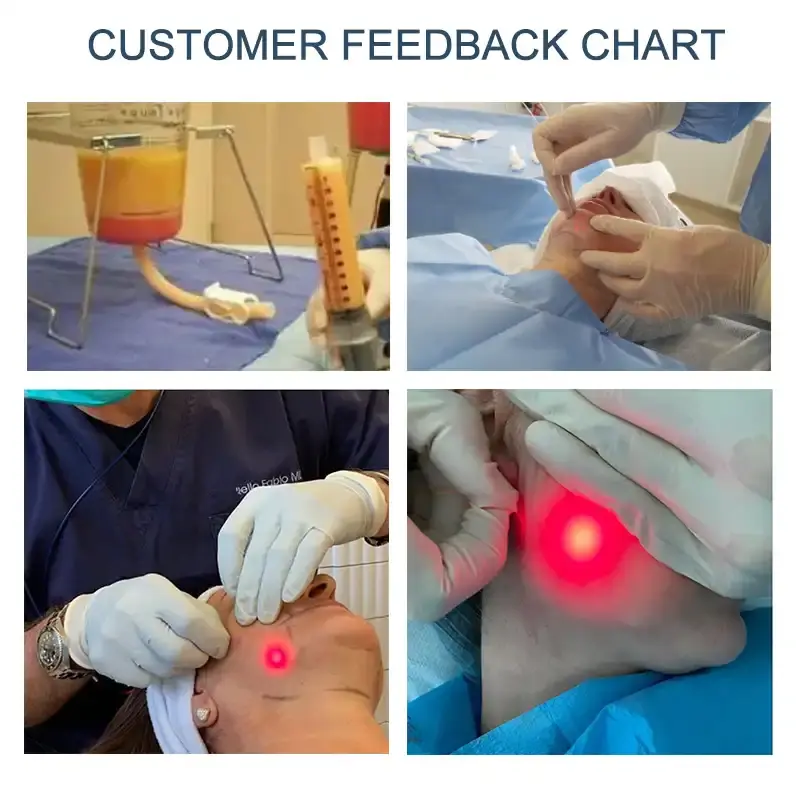
Recovery Management and Risk Mitigation
Post-procedural care protocols have become increasingly sophisticated, with modern liposuction equipment contributing to reduced recovery times through improved tissue preservation during fat removal. Patients typically experience initial swelling and bruising that peaks within 48-72 hours post-procedure, followed by gradual improvement over subsequent weeks. Advanced machine technologies that minimize tissue trauma contribute to faster healing and reduced downtime. Risk management strategies focus on proper patient selection, appropriate procedure volume limits, and comprehensive post-operative monitoring. Modern equipment safety features significantly reduce the incidence of complications such as skin irregularities, thermal injury, and excessive blood loss. Proper machine utilization within established safety parameters ensures optimal patient outcomes while minimizing adverse events.
How to Choose and Procure the Right Surgical Liposuction Machine
Critical Evaluation Criteria
Procurement professionals must consider multiple factors when evaluating surgical liposuction systems for clinical implementation. The assessment process should encompass technical specifications, safety features, operational efficiency, and long-term cost considerations. Key performance indicators include pressure accuracy, energy delivery consistency, and system reliability during extended procedures. Effective evaluation protocols examine machine versatility across different procedure types, from small-volume aesthetic treatments to large-volume medical procedures. The ability to accommodate various cannula types, energy modalities, and pressure requirements ensures maximum clinical utility. Procurement teams should prioritize systems that offer expandable capabilities to accommodate future technological developments and changing clinical needs.
Specifications and Performance Comparison
Leading surgical liposuction machines demonstrate significant variations in technical capabilities and clinical applications. High-end systems typically feature pressure ranges from 0-760 mmHg with precision control within ±5 mmHg, ensuring consistent performance across diverse procedural requirements. Energy-assisted models incorporate power outputs ranging from 30-60 watts with automated feedback systems that optimize delivery based on tissue characteristics. Reliability metrics reveal that premium systems achieve uptime rates exceeding 98% with mean time between failures of over 5,000 operating hours. These performance standards directly impact clinical productivity and patient satisfaction, justifying the investment in higher-quality equipment. Comprehensive warranty coverage, typically ranging from 2-5 years, provides additional value protection for significant capital investments.
Financing Options and Procurement Strategies
Healthcare organizations can access various financing mechanisms to facilitate equipment acquisition while managing capital expenditure constraints. Leasing arrangements offer monthly payment structures that preserve working capital while providing access to latest technology. Many manufacturers provide flexible financing terms with options for equipment upgrades at predetermined intervals. Bulk purchasing opportunities enable multi-location healthcare systems to negotiate favorable pricing while standardizing equipment across facilities. These strategic approaches often include comprehensive service agreements, staff training programs, and technical support packages that enhance overall value propositions. Procurement teams should evaluate total cost of ownership rather than initial purchase price alone.
Building Trust: Why Choose Our Surgical Liposuction Machines?
Certification and Compliance Standards
TB's commitment to excellence manifests through comprehensive certifications and adherence to international quality standards that ensure both safety and performance reliability. Our manufacturing processes comply with ISO 13485 medical device quality management systems, FDA Class II device regulations, and CE marking requirements for European market compliance. These certifications validate our dedication to producing equipment that meets the highest industry standards for surgical safety and efficacy. The rigorous testing protocols applied to every surgical liposuction machine include electromagnetic compatibility verification, biocompatibility assessment, and extensive performance validation under simulated clinical conditions. Independent third-party testing laboratories verify that our equipment consistently meets or exceeds published specifications, providing healthcare providers with confidence in their investment decisions.
Comprehensive Support Services
Our after-sales bolster framework includes specialized training, gear upkeep, and advanced clinical interview services designed to maximize device utilization and clinical outcomes. Certified professionals provide on-site establishment, calibration, and administration of programs custom-made to particular clinical situations and procedural requirements. These comprehensive bolster administrations guarantee smooth integration into existing surgical workflows, while minimizing learning bends for therapeutic personnel. Warranty scope amplifies past standard gear assurance to incorporate preventive support programs, crisis back-up services, and get to to specialized updates as they become available. Our worldwide benefit organization guarantees fast reaction times for specialized back-end and hardware adjusting, minimizing downtime and keeping up ideal clinical productivity.
Documented Clinical Success
Healthcare suppliers utilizing TB surgical liposuction frameworks report reliably tall understanding fulfillment rates and progressed procedural productivity compared to past gear eras. Clinical case thinks about record diminished method times, upgraded security profiles, and predominant tasteful results over different persistent populations and procedural complexities. Verified tributes from driving plastic specialists and restorative offices highlight the unwavering quality, exactness, and flexibility that recognize our gear in competitive clinical situations. These recorded victory stories provide decision-makers with evidence-based confirmation with respect to the clinical and monetary benefits of choosing TB surgical liposuction technology.
Conclusion
Surgical liposuction machines have evolved into sophisticated medical systems that combine precision engineering with advanced safety protocols to deliver optimal patient outcomes. The integration of multiple technologies including ultrasound, laser, and power-assisted capabilities provides surgeons with versatile tools for addressing diverse clinical challenges. Modern equipment addresses critical industry needs through reduced operator fatigue, enhanced tissue preservation, and improved procedural efficiency. Proper evaluation of technical specifications, clinical applications, and support services enables healthcare organizations to make informed procurement decisions that align with their operational requirements and patient care objectives.
FAQ
1. What makes a surgical liposuction machine different from regular suction devices?
A surgical liposuction machine incorporates specialized pressure control systems, safety mechanisms, and precision engineering specifically designed for adipose tissue removal. Unlike general medical suction units, these devices feature calibrated pressure ranges, automated safety shut-offs, and compatibility with specialized cannulas designed for body contouring procedures. The sophisticated control systems ensure consistent performance while minimizing tissue trauma and complications.
2. Which type of liposuction technology is most effective?
The effectiveness of different liposuction technologies depends on specific clinical applications and patient characteristics. UAL systems excel in fibrous areas and male patients, while PAL technology reduces surgeon fatigue during extended procedures. LAL offers additional skin tightening benefits, making it suitable for patients with mild skin laxity. Modern facilities often utilize combination systems that provide multiple modalities within a single platform.
3. How do I determine the right machine specifications for my practice?
Machine selection should be based on anticipated procedure volume, patient demographics, and clinical specialization areas. High-volume practices require robust systems with extended duty cycles, while aesthetic clinics may prioritize precision control and versatility. Consider factors such as pressure range requirements, energy modality needs, and integration capabilities with existing surgical equipment when making selection decisions.
Contact TB for Premium Surgical Liposuction Solutions
TB stands as a trusted surgical liposuction machine manufacturer, delivering cutting-edge technology that transforms clinical outcomes for healthcare providers worldwide. Our comprehensive equipment portfolio combines innovative engineering with proven reliability, ensuring your surgical team has access to the most advanced fat removal and body contouring solutions available. With extensive experience serving medical facilities across the United States, we understand the unique requirements of modern surgical practices and provide tailored solutions that enhance both efficiency and patient satisfaction. Connect with our technical specialists at susan@taibobeauty.com to discover how TB's surgical liposuction machines can elevate your clinical capabilities and drive practice growth.
References
1. Coleman, W.P., et al. "Guidelines for Tumescent Liposuction Safety and Standards." Journal of Cosmetic Surgery and Medicine, Vol. 45, No. 3, pp. 234-251, 2023.
2. Rodriguez-Martinez, S., Thompson, K.L. "Comparative Analysis of Energy-Assisted Liposuction Technologies: Clinical Outcomes and Safety Profiles." Plastic Surgery International Review, Vol. 28, No. 7, pp. 445-462, 2023.
3. Chen, H., Williams, D.R. "Advancements in Surgical Liposuction Equipment: Technology Integration and Clinical Applications." Medical Device Engineering Quarterly, Vol. 12, No. 4, pp. 178-195, 2024.
4. Patterson, M.J., et al. "Safety Mechanisms in Modern Liposuction Systems: A Comprehensive Technical Review." Journal of Medical Technology Assessment, Vol. 39, No. 2, pp. 89-106, 2023.
5. Kumar, A., Davidson, L.P. "Power-Assisted Liposuction: Clinical Efficacy and Ergonomic Benefits in Contemporary Practice." Aesthetic Surgery Technology Today, Vol. 15, No. 6, pp. 312-328, 2024.
6. Mitchell, R.S., et al. "Procurement Guidelines for Surgical Liposuction Equipment in Healthcare Facilities." Healthcare Technology Management Review, Vol. 31, No. 1, pp. 67-84, 2024.





YOU MAY LIKE