
Troubleshooting Common Issues with a Professional Laser Hair Removal Device
2026-01-28 09:53:23
Picture this: You've invested thousands in a professional laser hair removal device for your salon, trained your staff, and launched your service with excitement. But three months later, clients are complaining about patchy results, unexpected skin reactions, or hair that just won't go away. The phone stops ringing, reviews turn negative, and you're left wondering whether the equipment is faulty or if you're missing something crucial. This frustration is more common than you think, and the good news is that most issues with a professional laser hair removal device can be resolved once you understand what's going wrong and how to fix it.
Understanding Why Your Professional Laser Hair Removal Device Underperforms
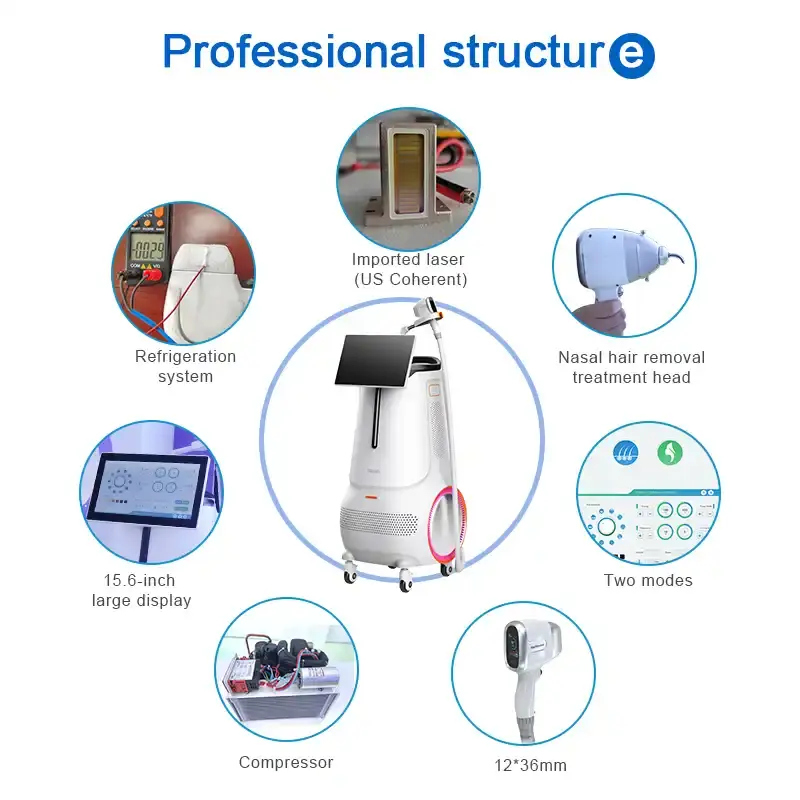
When investing in a professional laser hair removal device, clinic owners and practitioners expect consistent, reliable results that keep clients coming back. However, even the most advanced equipment can encounter performance issues that compromise treatment outcomes. Understanding the root causes of these problems is the first step toward delivering the smooth, hair-free results your clients demand. Modern diode laser systems, particularly those featuring multiple wavelengths such as the 755nm, 808nm, and 1064nm configurations, are designed to treat diverse skin types and hair colors. The 755nm wavelength targets lighter skin tones effectively, the 808nm serves as the universal workhorse for most skin types, and the 1064nm safely penetrates deeper for darker skin tones. Some advanced systems even incorporate 940nm wavelengths for enhanced absorption by blood vessels feeding hair follicles. When your professional laser hair removal device fails to deliver expected results, the issue often stems from improper wavelength selection for your client's specific skin type and hair color combination. Additionally, inadequate power output can severely limit effectiveness. Professional-grade systems typically operate between 800W and 2000W, with higher power levels enabling faster treatment times and more thorough follicle destruction. If your device lacks sufficient power or if the laser bars are degrading, you'll notice diminishing results over time. Temperature management is another critical factor that many practitioners overlook. A professional laser hair removal device equipped with comprehensive cooling systems such as air cooling, water circulation, semiconductor cooling, compressor refrigeration, and TEC cooling ensures client comfort while protecting skin integrity during high-energy treatments. Without adequate cooling, you risk thermal injury and will need to reduce power settings, thereby compromising treatment efficacy.
Incorrect Parameter Settings for Different Body Areas
One of the most frequent mistakes practitioners make when operating a professional laser hair removal device involves using uniform settings across all treatment areas. Different body regions have vastly different hair characteristics, skin thickness, and sensitivity levels that demand customized parameters. Facial hair tends to be finer with shorter growth cycles, requiring lower energy settings but more frequent treatments to catch hairs during their active growth phase. The delicate skin on the face also demands extra caution to prevent hyperpigmentation or burns. Underarm areas present their own challenges with thinner, sensitive skin that cannot tolerate aggressive settings despite having relatively coarse hair. The large spot size of 12x36mm available on advanced professional laser hair removal devices allows for faster coverage, but energy density must be carefully calibrated to avoid discomfort. Bikini and intimate areas can withstand higher fluence levels due to the protective outer skin layer and coarse hair structure, making these regions ideal for demonstrating the full power capabilities of your professional laser hair removal device. Leg treatments represent the bread-and-butter application for most clinics, where thicker hair and more resilient skin permit higher energy parameters that maximize follicle destruction per session. The 15.6-inch touch screen interface on modern professional laser hair removal device units allows practitioners to quickly adjust frequency settings from 1-10Hz based on the treatment area and client tolerance. Higher frequencies speed up treatment but may reduce the energy delivered per pulse, requiring careful balancing. Energy output ranging from 1-150 J/cm² provides flexibility, but choosing the wrong level can result in either ineffective treatments or adverse reactions. Practitioners should also account for the hair growth cycle when scheduling sessions. Treating too frequently wastes the client's money and your time, while spacing sessions too far apart misses follicles as they enter the active growth phase.
Equipment Maintenance Failures That Compromise Performance
Even the most sophisticated professional laser hair removal device requires regular maintenance to sustain optimal performance over its operational lifespan. Many clinics experience gradual performance degradation without realizing that simple maintenance protocols could restore full functionality. Laser bars represent the heart of any professional laser hair removal device, and their condition directly impacts treatment outcomes. High-quality laser bars from manufacturers like Coherent can deliver upwards of 50 million shots before requiring replacement, but environmental factors, usage patterns, and maintenance habits all influence actual lifespan. When laser bars begin to degrade, you'll notice longer treatment times, reduced client satisfaction, and the need for more sessions to achieve comparable results. The multi-stage cooling system in a professional laser hair removal device demands regular inspection and servicing. Air filters accumulate dust and debris that restrict airflow, forcing the system to work harder and potentially triggering thermal shutdowns during busy treatment days. Water cooling components require periodic cleaning to prevent mineral buildup that reduces heat exchange efficiency. Compressor refrigeration units need refrigerant level checks and compressor functionality assessments to maintain the 1-5 level cooling capacity that keeps clients comfortable during extended treatment sessions. The optical components, including the delivery handpiece and focusing lenses, must remain pristine for the laser energy to reach target tissues effectively. Fingerprints, dust, or scratches on optical surfaces scatter and absorb laser energy, reducing the amount that reaches hair follicles. Regular cleaning with appropriate materials preserves the precision engineering that makes your professional laser hair removal device effective. Software and calibration also play crucial roles in consistent performance. Modern devices with advanced interfaces require periodic firmware updates that optimize energy delivery algorithms, improve safety protocols, and sometimes expand treatment capabilities. Calibration ensures that the energy output displayed on your 15.6-inch touch screen matches the actual energy reaching the client's skin, maintaining both safety and effectiveness standards.
Client Preparation and Compliance Issues Affecting Professional Laser Hair Removal Device Results
The best professional laser hair removal device in the world cannot overcome poor client preparation or non-compliance with pre-treatment and post-treatment protocols. Educating clients about their responsibilities in the treatment process is just as important as mastering the technical aspects of device operation. Many treatment failures occur not because of equipment malfunction but because clients unknowingly sabotage their own results through improper preparation. The most critical pre-treatment instruction involves hair removal methods. Clients must understand that waxing, threading, plucking, or using epilators removes the hair root that the professional laser hair removal device needs to target. When the melanin-containing hair shaft is absent from the follicle, the laser energy has nothing to absorb, rendering the treatment completely ineffective. Shaving 24 hours before treatment represents the ideal preparation, leaving the follicle intact while removing surface hair that could absorb energy and cause discomfort. Sun exposure before and after treatments presents another major compliance challenge. Ultraviolet radiation stimulates melanin production in the skin, creating competing targets for laser energy that should be focused on hair follicles. Tanned skin absorbs more energy from your professional laser hair removal device, reducing the amount available for follicle destruction while simultaneously increasing the risk of burns, blistering, or permanent pigmentation changes. Self-tanning products create similar problems by depositing artificial pigments on the skin surface. Clients must avoid sun exposure, tanning beds, and self-tanners for at least two weeks before each session and maintain sun protection throughout their treatment course. During the treatment series, clients need to understand the importance of keeping scheduled appointments. Hair growth occurs in three distinct phases, with only the anagen or active growth phase being susceptible to laser damage. Your professional laser hair removal device can only disable follicles that contain actively growing hairs during each session. Spacing treatments 4-6 weeks apart for facial areas and 6-8 weeks for body areas ensures that you catch new hairs as they enter their growth phase. When clients skip appointments or space them too far apart, they miss windows of opportunity and extend the overall treatment timeline unnecessarily.
Hormonal Factors That Interfere With Professional Laser Hair Removal Device Effectiveness
Hormonal imbalances represent one of the most frustrating challenges in laser hair removal because even the most powerful professional laser hair removal device cannot overcome the body's internal chemistry driving new hair growth. Recognizing hormonally-driven hair growth helps practitioners set realistic expectations and guide clients toward complementary treatments that address underlying causes. Polycystic Ovary Syndrome affects approximately 10% of women of reproductive age and causes elevated androgen levels that stimulate hair follicles, particularly on the face, chest, and abdomen. Women with PCOS often seek laser hair removal for these unwanted hairs, but the ongoing hormonal stimulation means that dormant follicles may activate even after successful laser treatments. While a professional laser hair removal device can effectively remove existing hairs, new follicles responding to elevated testosterone may develop, requiring ongoing maintenance treatments. Pregnancy and menopause trigger dramatic hormonal fluctuations that affect hair growth patterns throughout the body. Post-menopausal women experience declining estrogen levels and relatively higher testosterone, resulting in increased facial hair growth. Pregnant women often notice changes in hair thickness, distribution, and growth rates. These hormonal transitions mean that laser hair removal results achieved before these life stages may not be maintained without adjustment to treatment plans. Certain medications influence hair growth in ways that can frustrate laser hair removal efforts. Corticosteroids, anabolic steroids, and hormone replacement therapies can all stimulate hair follicles. Minoxidil, commonly used for scalp hair loss, may paradoxically increase hair growth in other body areas. Some contraceptive pills contain androgens that promote hair growth, while others with anti-androgenic properties can actually enhance laser hair removal results. Practitioners operating a professional laser hair removal device should take thorough medical histories and discuss how medications might affect treatment outcomes. Thyroid disorders also impact hair growth cycles and characteristics. Both hyperthyroidism and hypothyroidism can alter hair texture, growth rate, and distribution. While a professional laser hair removal device remains effective at destroying follicles regardless of thyroid status, the altered growth cycles may require adjusted treatment intervals to optimize results.
Technical Troubleshooting for Your Professional Laser Hair Removal Device
When your professional laser hair removal device starts producing inconsistent results despite proper technique and client compliance, systematic troubleshooting helps identify and resolve technical issues before they escalate into major problems requiring expensive repairs or replacement. Understanding the common technical failures and their solutions keeps your practice running smoothly and maintains client satisfaction. Power output inconsistencies represent one of the most common technical problems affecting professional laser hair removal device performance. If you notice that treatments require longer contact times or that clients need more sessions than expected, declining power output may be the culprit. This issue often develops gradually as laser bars age or optical components accumulate contamination. Testing the device against manufacturer specifications using a power meter provides objective data about whether your equipment is delivering the promised 800W, 1200W, 1600W, or 2000W output. When power measurements fall below specifications, the issue typically lies with the laser bars themselves, requiring replacement to restore full functionality. The multi-wavelength capability of advanced professional laser hair removal device models offers tremendous versatility, but wavelength accuracy matters for optimal results. If your device offers 755nm, 808nm, 1064nm, and possibly 940nm wavelengths, each should be independently verified periodically. Wavelength drift can occur due to temperature fluctuations, component aging, or optical misalignment. When wavelengths deviate from their specified values, the laser energy may not be absorbed efficiently by melanin in hair follicles, resulting in reduced effectiveness particularly for specific skin type and hair color combinations. Cooling system malfunctions manifest in various ways that all compromise treatment quality and client comfort. If clients report increased discomfort during treatments, if the device displays temperature warnings, or if you hear unusual noises from cooling components, immediate investigation is warranted. Check air filters for blockages, inspect water cooling lines for leaks or kinks, verify that the compressor refrigeration unit cycles properly, and ensure that the TEC cooling elements respond correctly to temperature changes. The sophisticated cooling system that combines air, water, semiconductor, compressor, and TEC technologies requires all components functioning harmoniously to maintain the 1-5 level cooling capacity that defines professional-grade equipment.
Optimizing Treatment Protocols With Your Professional Laser Hair Removal Device
Beyond troubleshooting specific problems, optimizing your overall treatment protocols ensures you extract maximum performance and client satisfaction from your professional laser hair removal device investment. Fine-tuning these protocols based on accumulated experience and client feedback transforms good results into exceptional outcomes that generate referrals and repeat business. Treatment timing and session spacing profoundly impact results yet often receive insufficient attention from busy practitioners. The default recommendation of 4-6 weeks for facial treatments and 6-8 weeks for body treatments serves as a starting point, but individual variation means that customization improves outcomes. Clients with faster hair growth may benefit from slightly shorter intervals, while those with slower growth cycles might achieve comparable results with longer spacing. Using the data tracking capabilities of modern professional laser hair removal device interfaces helps identify optimal timing for each client, allowing you to adjust subsequent appointments based on observed hair regrowth patterns. Energy ramping strategies leverage the reality that hair characteristics change dramatically as treatment courses progress. Initial sessions target thick, dark hairs that contain abundant melanin and absorb laser energy efficiently even at moderate settings. As treatment progresses and these coarse hairs are eliminated, the remaining finer hairs require higher energy densities to achieve comparable follicle destruction. Gradually increasing energy output from 1 J/cm² toward the upper end of your professional laser hair removal device's 1-150 J/cm² range maintains effectiveness throughout the treatment course. However, energy increases must be balanced against skin tolerance, particularly for darker skin types where excessive energy risks hyperpigmentation or burns. The 12x36mm and 12x26mm spot sizes available on professional systems allow practitioners to balance treatment speed against energy concentration. Larger spot sizes cover more area per pulse, reducing overall treatment time and improving client satisfaction. However, the energy is distributed across the larger area, potentially reducing the fluence delivered to each individual follicle. Smaller spot sizes concentrate energy into a smaller region, increasing the energy density and improving effectiveness on stubborn or fine hairs. Strategic selection of spot size based on hair characteristics and treatment area optimizes both efficiency and efficacy. Frequency adjustments between 1-10Hz offer another parameter for protocol optimization. Higher frequencies like 8-10Hz allow rapid pulses that speed up treatments, which clients appreciate particularly for large areas like legs or backs. Lower frequencies around 1-3Hz deliver more energy per pulse with longer intervals, suitable for sensitive areas or when targeting particularly stubborn follicles. The real-time monitoring capabilities on the 15.6-inch touch screen of your professional laser hair removal device help practitioners find the optimal frequency that balances speed, comfort, and effectiveness for each treatment scenario.
Ensuring Safety and Building Client Trust With Your Professional Laser Hair Removal Device
Client safety and satisfaction represent the foundation of a successful laser hair removal practice. Even minor adverse events can damage your reputation, while consistent safety paired with excellent results builds the trust that drives referrals and long-term business success. Your professional laser hair removal device includes multiple safety features, but proper utilization requires understanding and vigilance. Automatic skin detection technology available in advanced professional laser hair removal device models adjusts laser parameters based on detected skin tone, reducing the risk of burns on darker skin types that absorb more laser energy. However, this technology serves as a helpful guide rather than a foolproof safeguard. Visual skin assessment combined with patch testing for new clients ensures that your chosen settings are appropriate. Starting with conservative energy levels and gradually increasing based on skin response demonstrates professional caution that clients appreciate. The comprehensive cooling system incorporating air, water, semiconductor cooling, compressor refrigeration, and TEC cooling maintains client comfort while protecting skin integrity during treatment. Before beginning each session, verify that all cooling components are functioning properly and that the device has reached optimal operating temperature. During treatment, maintain consistent contact between the handpiece and skin to ensure effective cooling, and regularly ask clients about their comfort level. When clients report excessive discomfort, reducing energy output or slowing treatment speed prevents pushing through to potential injury. Real-time monitoring displays on modern professional laser hair removal device interfaces provide practitioners with immediate feedback about energy delivery, skin temperature, and system performance. Developing the habit of glancing at these indicators throughout treatment sessions helps catch anomalies before they result in adverse outcomes. If energy output varies unexpectedly, if temperature readings rise above safe thresholds, or if any system warnings appear, pause treatment immediately to investigate and resolve the issue. The user-friendly interface with its large 15.6-inch touch screen makes monitoring effortless when incorporated into standard practice. Post-treatment care instructions significantly influence client satisfaction and safety. Immediately after treatment, clients typically experience mild redness and swelling resembling a light sunburn, which normally resolves within 24-48 hours. Providing clear instructions about applying cold compresses, avoiding hot showers and saunas, and protecting treated skin from sun exposure prevents complications and accelerates recovery. Clients should also understand that treated hairs will shed over 1-3 weeks following treatment, and they should avoid picking or pulling at these hairs to prevent irritation or infection.
Conclusion
Successfully troubleshooting issues with a professional laser hair removal device requires understanding technical aspects, client factors, and treatment protocols. When equipment, technique, and client compliance align properly, laser hair removal consistently delivers the smooth, long-lasting results that build thriving practices and satisfied clientele.
Cooperate With Xi'an Taibo Laser Beauty Company
As a leading China professional laser hair removal device manufacturer with over 15 years of production and export experience, Xi'an Taibo Laser Beauty Company delivers high quality professional laser hair removal device solutions to more than 180 countries worldwide. Our factory combines dedicated production, procurement, quality inspection, and packaging departments with professional design and R&D teams to ensure every China professional laser hair removal device meets the highest standards. We hold CE and ISO13485 certifications, providing peace of mind for China professional laser hair removal device wholesale purchases. Whether you operate a beauty salon, dermatology clinic, or cosmetic surgery center, our professional laser hair removal device for sale offers triple or quad wavelength configurations, powerful 800W-2000W output, advanced multi-stage cooling, and competitive professional laser hair removal device price points. We welcome OEM/ODM partnerships and offer two-year warranties, comprehensive training, and 24-hour support for every China professional laser hair removal device supplier relationship we establish. Visit our exhibitions worldwide or contact us directly at susan@taibobeauty.com to discuss how our China professional laser hair removal device factory can support your business growth with reliable, effective equipment.
References
1. American Academy of Dermatology Association. "Laser Hair Removal: Treatment and Safety Guidelines." Journal of the American Academy of Dermatology.
2. Shah, Anil R. "Clinical Evaluation of Laser Hair Removal Systems: Wavelength Selection and Treatment Parameters." Facial Plastic Surgery Clinics.
3. Henry, Michelle. "Post-Treatment Care and Complication Management in Laser Hair Removal." Skin & Aesthetic Dermatology Clinical Guidelines.
4. Soni, Dr. "Optimizing Laser Hair Removal Outcomes: Parameter Selection for Different Anatomical Areas." Ethos Spa Medical Research.
5. International Society of Aesthetic Plastic Surgery. "Best Practices in Professional Laser Hair Removal: Equipment Standards and Safety Protocols." ISAPS Technical Guidelines.





YOU MAY LIKE