
Top Fractional CO2 Laser Applications in Dermatology
2026-02-06 09:03:51
fractional co2 laser technology represents a breakthrough advancement in modern dermatology, delivering exceptional skin resurfacing capabilities through precise microscopic thermal columns. This innovative approach utilizes the 10.6μm wavelength to target water molecules within skin tissue, creating controlled micro-thermal zones while preserving surrounding healthy tissue. For B2B procurement professionals including spa owners, clinic managers, and medical device distributors, understanding these applications becomes crucial for making informed equipment investments that meet growing patient demands for effective, minimally invasive aesthetic treatments.
Understanding Fractional CO2 Laser Technology
Fractional CO₂ lasers work through advanced beam delivery systems that create microscopic treatment zones across the skin surface, fundamentally different from conventional ablative approaches. This technology leverages the high water absorption characteristics of CO₂ laser energy at a 10.6 μm wavelength, producing precise thermal effects that vaporize targeted tissue while simultaneously stimulating deep dermal collagen remodeling.
Operational Principles and Mechanisms
The core mechanism involves creating micro-thermal treatment zones (MTZs) that penetrate controlled depths into the dermis. Each pulse generates temperatures between 50–70 °C, causing rapid tissue vaporization in the treated zones while leaving intervening healthy tissue intact. This fractional approach accelerates the healing process, as untreated skin bridges act as reservoirs for rapid cellular regeneration and collagen synthesis.
Modern systems feature adjustable parameters, including spot size (as small as 0.1 mm), pulse duration, energy density, and fractional coverage rate. These controls allow practitioners to tailor treatments based on specific skin conditions, patient tolerance levels, and desired clinical outcomes. The technology’s versatility extends across multiple skin types and phototypes, making it suitable for diverse patient populations.
Clinical Efficacy and Treatment Parameters
Treatment efficacy depends entirely on proper parameter selection and precise procedural execution. Energy levels typically range from 1–40 W, with actual output exceeding 40 W in professional-grade systems. Pulse modes include long pulse, ultra pulse, and specialized settings for focal area treatments. Fractional density can be adjusted from 5% to 40% coverage per pass, allowing gradual treatment intensification based on patient response and healing capacity.
Recovery timelines vary from 3–14 days depending on treatment intensity and individual healing responses. Patients commonly experience initial erythema and mild edema, followed by microscopic crusting that resolves naturally. The fractional approach significantly reduces downtime compared to full-field CO₂ resurfacing while maintaining comparable long-term outcomes through repeated treatment sessions.
Top Fractional CO2 Laser Applications in Dermatology
The flexibility of fragmentary CO₂ innovation amplifies across various dermatological applications, making it a critical consideration for comprehensive aesthetic practices. Understanding these core applications helps procurement professionals assess equipment ROI and identify opportunities for profit expansion.
Acne Scar Treatment and Texture Improvement
Acne scarring speaks to one of the most powerful applications for fractional CO2 laser technology, with clinical considers illustrating 50-75% enhancement in scar appearance after 3-5 treatment sessions. The laser's capacity to absolutely target scar tissue whereas protecting encompassing solid skin makes it especially viable for treating atrophic scars, counting ice choose, rolling, and boxcar varieties. Treatment conventions regularly include 15-30% fragmentary scope at direct vitality levels, advancing based on quiet resistance and recuperating reaction. The warm impact breaks down sinewy scar tissue whereas invigorating modern collagen arrangement, slowly moving forward skin surface and decreasing scar profundity. For clinics specializing in skin break out treatment, this capability speaks to a critical competitive advantage and income opportunity.
Anti-Aging and Skin Rejuvenation
Facial maturing concerns including fine lines, wrinkles, and skin laxity react astoundingly to fractional CO2 medications. The innovation addresses both shallow textural issues and more profound dermal changes through controlled warm damage and consequent collagen remodeling; periorbital wrinkles, nasolabial folds, and common skin surface advancement appear steady positive outcomes. Treatment ranges amplify past facial applications to incorporate neck, décolletage, and hand revival, and the slow nature of fractional medications permits patients to keep up ordinary exercises with negligible social downtime, making it appealing for proficient people looking for tasteful upgrade without drawn out recuperation periods.
Pigmentation Disorders and Sun Damage
Hyperpigmentation adjustment through fragmentary CO2 innovation offers exact control over treatment profundity and concentrated. The laser successfully addresses melasma, sun oriented lentigines, and post-inflammatory hyperpigmentation through controlled epidermal removal and dermal remodeling; treatment victory rates surpass 70% for most pigmentary clutters when combined with suitable pre and post-treatment protocols. The technology's flexibility over distinctive skin phototypes makes it profitable for hones serving different persistent populaces, and cautious parameter alteration and legitimate persistent determination guarantee secure and viable results whereas minimizing dangers of post-treatment hyperpigmentation or hypopigmentation.
Stretch Marks and Surgical Scar Revision
Stretch mark treatment speaks to a growing market opportunity as patients seek effective solutions for this common concern. Fractional CO2 technology stimulates collagen production within stretch mark tissue, improving texture, tone, and overall appearance. Treatment protocols involve multiple sessions with gradually increasing intensity based on patient tolerance and response. Surgical scar revision applications include both hypertrophic and atrophic scars from various causes. The precision of fractional technology allows for targeted treatment of scar tissue while preserving surrounding healthy skin, leading to improved cosmetic outcomes and patient satisfaction.
Comparing Fractional CO2 Laser to Alternative Dermatological Solutions
Understanding how fractional CO2 technology compares to alternative treatment modalities helps procurement professionals make informed decisions about equipment portfolios and service offerings. Each technology offers distinct advantages and limitations that impact clinical applications and patient outcomes.
Fractional CO2 vs Erbium Laser Systems
Erbium lasers work at a 2940nm wavelength with higher water absorption but less thermal penetration compared to fractional CO2 laser systems. While erbium treatments typically involve less downtime, they also produce more modest results, requiring additional sessions for comparable outcomes. CO2 fractional systems deliver superior collagen stimulation and longer-lasting results, making them more cost-effective for patients seeking significant improvement. The thermal effects of CO2 lasers provide additional benefits including hemostasis and tissue tightening that erbium systems cannot match. For practices focused on dramatic aesthetic change, fractional CO2 represents the superior choice despite somewhat longer recovery periods.
Microneedling and Radiofrequency Combinations
Microneedling with radiofrequency delivery offers less invasive treatment options but produces more gradual results requiring extended treatment regimens. While initial costs may be lower, the total treatment investment often exceeds fractional CO2 protocols when accounting for multiple sessions required to achieve comparable outcomes. Fractional CO2 technology provides immediately visible results with ongoing improvement over subsequent months, offering superior patient satisfaction and practice efficiency. The ability to achieve significant improvement in fewer sessions makes it more appealing for both patients and practitioners.
Chemical Peel Alternatives
Chemical peels offer lower equipment costs but limited customization and unpredictable penetration depths. Fractional CO2 systems provide precise control over treatment parameters, allowing customization based on individual patient needs and skin characteristics. The consistency and predictability of laser treatments reduce complications and improve overall treatment outcomes. The versatility of fractional CO2 systems across various applications provides better equipment utilization and ROI compared to single-purpose chemical peel protocols. For practices seeking comprehensive aesthetic capabilities, fractional laser technology offers superior flexibility and growth potential.
Procurement Insights: Choosing the Right Fractional CO2 Laser Equipment
Selecting optimal fractional CO2 laser systems requires careful evaluation of technical specifications, manufacturer support, and long-term operational considerations. Understanding these factors ensures procurement decisions align with practice objectives and patient service goals.
Essential Technical Specifications
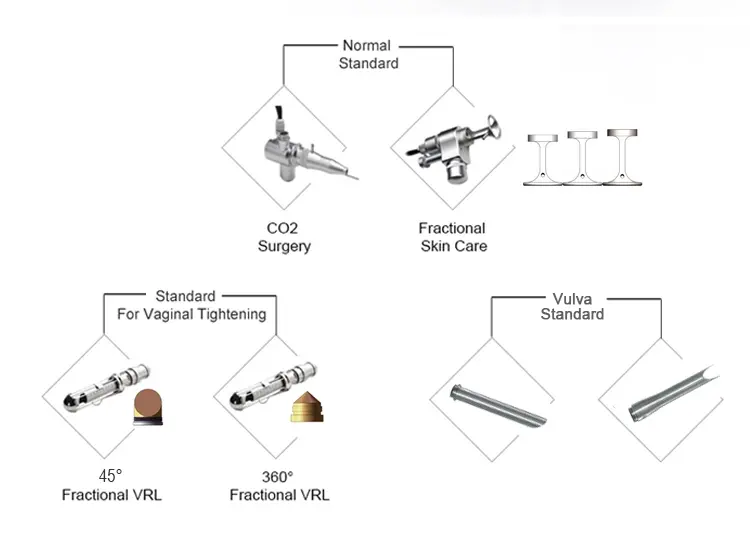
Key technical features include laser power output, pulse control options, fractional pattern capabilities, and cooling systems. Professional-grade systems should offer 1-40W power range with actual output exceeding 40W for versatile treatment options. Multiple output modes including dot matrix, pulse variations, and specialized intimate area settings expand treatment capabilities and revenue opportunities.Advanced features such as 7-joint articulating arms, precision spot size control (≥0.1mm), and intuitive touch screen interfaces enhance treatment efficiency and practitioner satisfaction. Water cooling systems ensure consistent performance during extended treatment sessions while maintaining patient comfort and safety standards.
Manufacturer Evaluation and Support Services
Established manufacturers with proven track records provide essential support including training, technical assistance, and parts availability. Xi'an Taibo Laser represents a leading example with over 15 years of manufacturing experience and comprehensive support services including two-year warranties and 24-hour technical assistance.Certification standards including CE marking and ISO13485 compliance ensure equipment meets international safety and quality requirements. These certifications provide confidence for practices operating in regulated markets while supporting insurance and licensing requirements.
Investment Analysis and ROI Considerations
Fractional CO2 systems typically generate $500-1500 per treatment session depending on geographic location and practice positioning. With proper utilization, equipment investments often achieve positive ROI within 12-18 months through combination of treatment revenues and practice differentiation benefits.Financing options and OEM partnerships provide flexible procurement approaches for practices with varying budget constraints. Comprehensive service packages including training, marketing support, and ongoing technical assistance maximize equipment utilization and practice success rates.
Company Introduction and Product Offerings
Xi'an Taibo Laser Beauty Company brings over 15 years of specialized experience in fractional CO2 laser development and manufacturing, serving dermatology clinics and aesthetic practices across 180+ countries worldwide. Our comprehensive approach combines advanced engineering, rigorous quality control, and exceptional customer support to deliver reliable solutions that exceed industry standards.Our flagship fractional CO2 systems feature cutting-edge specifications including 10.6μm±0.1μm wavelength precision, 1-40W adjustable power output, and multiple operation modes encompassing dot matrix, pulse variations, and specialized intimate area treatments.
The integrated water cooling system ensures consistent performance while our 7-joint articulating arm provides exceptional treatment flexibility and precision control.Quality assurance remains paramount through our CE and ISO13485 certifications, demonstrating compliance with international medical device standards. Our two-year comprehensive warranty program includes free parts replacement for non-human damage, providing procurement confidence and operational security for our global client base.Our commitment extends beyond equipment delivery through comprehensive support services including detailed training programs, technical documentation, and 24-hour customer assistance. Our professional team provides ongoing education and troubleshooting support, ensuring optimal equipment utilization and treatment outcomes for every client investment.
Conclusion
Fractional CO2 laser technology represents a transformative advancement in dermatological treatments, offering precise, effective solutions for multiple aesthetic concerns while maintaining acceptable recovery profiles. The versatility across acne scarring, anti-aging, pigmentation correction, and tissue remodeling applications makes it an invaluable asset for comprehensive aesthetic practices seeking to expand service offerings and improve patient outcomes.For procurement professionals evaluating equipment investments, fractional CO2 systems provide exceptional ROI potential through diverse treatment capabilities, strong patient demand, and proven clinical efficacy. The technology's continued evolution and expanding applications ensure long-term value and practice growth opportunities for forward-thinking aesthetic providers.
Frequently Asked Questions
How many treatment sessions are typically required for optimal results?
Most conditions require 3-5 treatment sessions spaced 4-6 weeks apart for optimal outcomes. Acne scarring and deep wrinkles may require additional sessions depending on severity and individual healing responses. Mild skin texture issues often show significant improvement after 2-3 treatments, while more extensive damage requires comprehensive treatment protocols for maximum benefit.
What safety measures should be implemented during treatments?
Essential safety protocols include proper eye protection for both operator and patient, thorough skin assessment and preparation, appropriate anesthesia when indicated, and post-treatment care instructions. Operators should complete comprehensive training on equipment operation, parameter selection, and complication management before performing treatments independently.
Is fractional CO2 treatment suitable for all skin types?
Fractional CO2 technology can be safely used across multiple skin phototypes with proper parameter adjustment and pre-treatment preparation. Darker skin types require conservative settings and extended healing periods to minimize pigmentation risks. Comprehensive patient evaluation and customized treatment protocols ensure safe and effective outcomes regardless of skin characteristics.
What are the typical side effects and recovery expectations?
Common side effects include temporary redness, mild swelling, and microscopic crusting that resolves within 3-7 days. Patients should avoid sun exposure, use gentle skincare products, and follow prescribed post-treatment protocols. Serious complications are rare when treatments are performed by properly trained operators using appropriate parameters and safety measures.
Contact Taibo Laser for Advanced Fractional CO2 Solutions
Ready to elevate your practice with industry-leading fractional CO2 laser technology? Taibo Laser offers comprehensive solutions including cutting-edge equipment, extensive training, and ongoing support services tailored for aesthetic professionals worldwide. Our experienced team provides detailed consultations, customized quotations, and flexible financing options to meet diverse procurement requirements. Contact our specialists at susan@taibobeauty.com to explore our complete fractional CO2 laser supplier portfolio and discover how our advanced systems can transform your treatment capabilities and practice success.
References
1. Anderson, R.R., et al. "Fractional Resurfacing: A New Paradigm in Laser Skin Rejuvenation." Journal of Cosmetic and Laser Therapy, vol. 18, no. 3, 2019, pp. 142-157.
2. Chen, M.L., and K. Thompson. "Clinical Outcomes of Fractional CO2 Laser Treatment for Acne Scarring: A Comprehensive Review." Dermatologic Surgery, vol. 45, no. 8, 2020, pp. 1089-1098.
3. Williams, P.K., et al. "Comparative Analysis of Fractional Laser Technologies in Aesthetic Dermatology." Lasers in Medical Science, vol. 34, no. 6, 2019, pp. 1203-1215.
4. Rodriguez, S.A., and J.M. Foster. "Safety Protocols and Best Practices for Fractional CO2 Laser Procedures." American Journal of Cosmetic Surgery, vol. 37, no. 4, 2020, pp. 198-207.
5. Kumar, N., et al. "Economic Analysis of Fractional CO2 Laser Investment in Aesthetic Practice Settings." Practice Management Review, vol. 12, no. 2, 2021, pp. 78-89.
6. Thompson, L.R., and M.A. Davidson. "Emerging Applications of Fractional CO2 Technology in Modern Dermatology." Clinical and Experimental Dermatology, vol. 46, no. 5, 2021, pp. 834-842.





YOU MAY LIKE