
Smart Diode Laser Hair Removal Maintenance Tips for Owners
2025-12-17 09:15:30
You invested thousands in a smart diode laser hair removal machine, expecting consistent performance and satisfied clients. But three months later, the cooling system malfunctions during peak hours, treatments take longer, and clients complain about discomfort. This nightmare scenario happens to salon owners who overlook proper maintenance protocols. Smart diode laser hair removal equipment represents a significant capital investment, and without systematic maintenance, you risk reduced treatment efficacy, unexpected downtime, and costly repairs that could have been prevented with routine care.
Understanding Your Smart Diode Laser Hair Removal System
Before implementing maintenance protocols, understanding how your smart diode laser hair removal system operates is fundamental to preserving its performance and extending its operational lifespan. Professional-grade diode laser systems utilize wavelengths between 755nm, 808nm, and 1064nm to target melanin within hair follicles, converting light energy into thermal energy that permanently damages the follicle structure. The 808nm wavelength remains the gold standard for treating various skin types, while 755nm proves most effective for lighter skin tones and 1064nm excels with darker complexions. Modern smart diode laser Hair Removal Machines integrate advanced cooling systems combining air circulation, semiconductor refrigeration, thermoelectric cooling, and water cooling to protect epidermal tissue while maximizing treatment comfort. The cooling mechanism maintains skin surface temperature while the laser penetrates deeper layers, preventing burns and reducing treatment discomfort. Understanding these technical components helps operators recognize when performance deviates from normal parameters, enabling early intervention before minor issues escalate into equipment failures requiring expensive professional repairs.
Key Technical Components Requiring Regular Attention
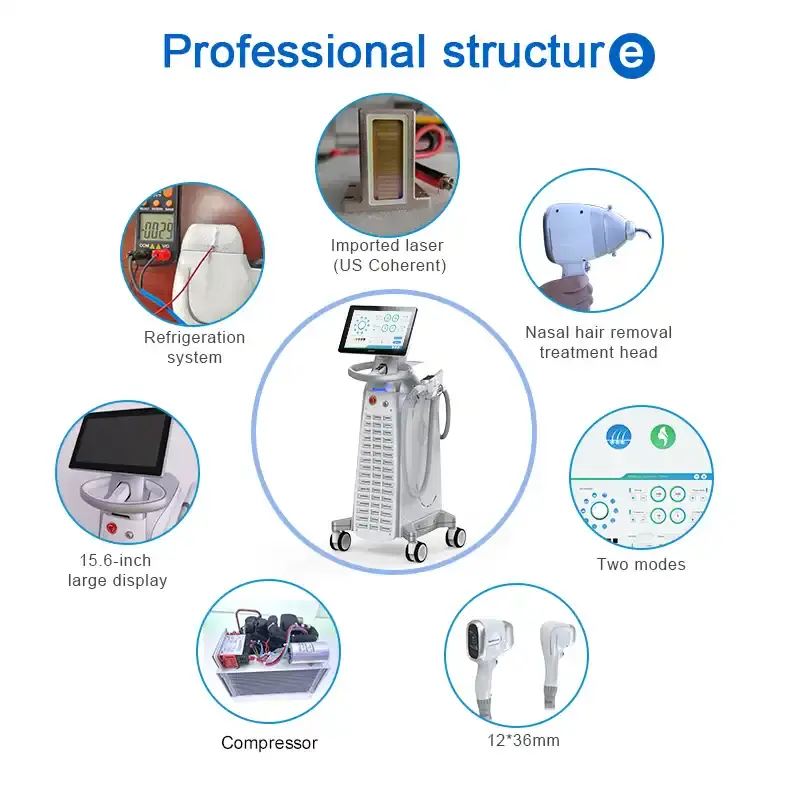
The laser handpiece constitutes the most critical component of your smart diode laser hair removal system, containing precision optics, the sapphire contact window, and integrated cooling channels that must maintain optimal function. High-quality handpieces from manufacturers like Xi'an Taibo Laser Beauty Company feature American Coherent laser bars with lifecycles exceeding fifty million shots, but this longevity depends entirely on proper handling and maintenance. The sapphire window through which laser energy transmits requires meticulous cleaning after every treatment session, as residue from cooling gels, skin particles, and environmental contaminants create optical interference that reduces treatment effectiveness. The cooling system represents another essential component, typically utilizing distilled or purified water circulating through specialized filters to prevent mineral buildup and bacterial growth. Power supply units, control boards, and touchscreen interfaces also require attention, as electronic components generate heat during operation and accumulate dust that can cause overheating or system malfunctions. Regular inspection of these technical elements ensures your smart diode laser hair removal equipment maintains consistent performance standards that justify client confidence and support positive treatment outcomes.
Daily Maintenance Protocols for Smart Diode Laser Hair Removal Equipment
Establishing comprehensive daily maintenance routines dramatically extends equipment lifespan while ensuring consistent treatment quality that keeps clients returning. After completing each treatment session, operators should immediately clean the handpiece sapphire window using lint-free optical wipes and approved cleaning solutions specifically formulated for laser equipment. Never use household cleaners, alcohol-based products, or abrasive materials that can scratch optical surfaces or leave chemical residues affecting laser transmission. The handpiece exterior and cable connections require gentle cleaning with slightly dampened microfiber cloths to remove cooling gel residue and skin particles that accumulate during treatments. Inspect the handpiece cable for any signs of wear, fraying, or connection looseness, as damaged cables can cause intermittent operation or complete system failure during critical treatment moments. The machine exterior, touchscreen display, and control panel should be wiped clean using appropriate cleaning solutions that won't damage electronic components or display coatings. Check cooling system water levels daily before beginning treatments, ensuring adequate fluid circulation prevents overheating that could damage internal components. Document daily cleaning activities in a maintenance log, noting any unusual observations such as strange sounds, error messages, or performance variations that might indicate developing problems requiring professional attention. Consistent daily maintenance protocols prevent the majority of equipment failures while protecting your investment in high-quality smart diode laser hair removal technology.
Weekly Deep Cleaning and System Checks
Beyond daily surface cleaning, implementing weekly deep cleaning procedures addresses accumulated contaminants that daily protocols might miss. Dedicate time each week to thoroughly inspect and clean the handpiece storage area, ensuring the delicate optical components remain protected from environmental dust and humidity when not in use. Examine cooling system water quality by checking for cloudiness, discoloration, or unusual odors that indicate bacterial growth or mineral contamination requiring immediate water replacement. Most professional smart diode laser hair removal systems incorporate multiple filters within the cooling circuit, including particle filters and ion exchange filters that require periodic inspection and replacement according to manufacturer specifications. Clean the machine's ventilation grills and air intake filters, as restricted airflow causes internal components to overheat, reducing efficiency and potentially triggering protective shutdowns during busy treatment periods. Test all safety features including emergency stop buttons, door interlocks, and laser emission indicators to ensure protective systems function correctly and comply with regulatory safety requirements. Review the touchscreen interface responsiveness and software operation, noting any sluggish responses, frozen screens, or error messages that might indicate software updates or technical service needs. Weekly system checks provide opportunities to identify and address minor issues before they evolve into major problems disrupting your business operations and disappointing clients expecting professional treatment experiences.
Monthly and Quarterly Maintenance Requirements
Comprehensive monthly maintenance procedures build upon daily and weekly protocols by addressing components requiring less frequent but equally important attention. Every month, schedule time to perform complete water system maintenance for your smart diode laser hair removal equipment, which includes draining the existing water, cleaning the reservoir with approved solutions, and refilling with fresh distilled or purified water. Mineral water should never be used in cooling systems, as mineral content causes scale buildup on internal components, restricting water flow and reducing cooling effectiveness. Replace water filters according to manufacturer recommendations, typically every three to six months depending on usage intensity and water quality. The particle pre-filter captures larger contaminants before water enters the system, while ion exchange filters remove dissolved minerals that could deposit on critical cooling components. Inspect all external cables and connections for signs of wear, ensuring power cords maintain proper grounding and don't show damaged insulation that could create electrical hazards. Clean and inspect the machine's internal components if your maintenance agreement permits owner-performed internal cleaning, or schedule professional service for comprehensive internal inspection and cleaning. Document all monthly maintenance activities in your equipment log, creating a maintenance history that helps identify patterns or recurring issues requiring manufacturer consultation or equipment modification.
Quarterly Professional Calibration and Performance Verification
Even with meticulous daily, weekly, and monthly maintenance, quarterly professional calibration ensures your smart diode laser hair removal system maintains factory specifications for laser output, pulse duration, and cooling system performance. Professional technicians utilize specialized diagnostic equipment to measure actual laser energy output at various power settings, comparing measured values against manufacturer specifications to ensure treatments deliver intended energy levels to hair follicles. Energy output that deviates from specifications reduces treatment effectiveness, requiring clients to undergo additional sessions that increase their costs and reduce satisfaction with your services. Calibration procedures also verify the accuracy of the cooling system, ensuring the sapphire contact tip maintains appropriate surface temperatures that protect epidermal tissue while allowing deeper laser penetration to target hair follicles effectively. Technicians inspect internal components for signs of wear, corrosion, or impending failure, replacing consumable parts before they fail unexpectedly and cause treatment interruptions. Software updates released by manufacturers often include performance enhancements, bug fixes, and new features that improve treatment outcomes and operational efficiency. Quarterly professional service visits represent proactive investment in equipment reliability, preventing unexpected failures that cost more in lost revenue and client dissatisfaction than scheduled maintenance expenses.
Water System Maintenance for Optimal Cooling Performance
The water cooling system in your smart diode laser hair removal equipment plays an absolutely critical role in treatment safety and client comfort, making proper water system maintenance non-negotiable for responsible equipment owners. Always use distilled water or purified water specifically recommended by your equipment manufacturer, as ordinary tap water contains minerals that precipitate out of solution and accumulate on cooling plates, pump impellers, and pipe walls. This mineral scale restricts water flow, reduces heat transfer efficiency, and eventually causes pump failure or cooling system inadequacy that makes treatments uncomfortable or potentially dangerous for clients. Before operating your machine each day, verify water levels in the reservoir meet minimum requirements, as low water levels reduce cooling effectiveness and can allow pumps to run dry, causing rapid pump failure. Most professional smart diode laser hair removal systems include multiple water quality indicators or sensors that alert operators to low water levels, high water temperature, or inadequate flow rates. Never ignore these warning indicators, as continuing operation with compromised cooling systems risks client burns and equipment damage far exceeding the cost of proper maintenance. Change the entire water supply every two to three weeks depending on usage frequency, completely draining the old water, cleaning the reservoir, and refilling with fresh distilled water to prevent bacterial growth that creates unpleasant odors and potentially harmful biofilm within the cooling circuit.
Filter Replacement Schedules and Water Quality Monitoring
Water filters constitute essential components of the cooling system, protecting pumps and cooling plates from contamination while maintaining water purity necessary for effective heat transfer. Particle filters, typically constructed from polypropylene or similar materials, capture suspended particles before water reaches sensitive pump components and narrow cooling channels. These pre-filters require replacement every three to six months depending on usage intensity and initial water quality. Ion exchange filters remove dissolved minerals from water, preventing the scale formation that gradually restricts cooling system performance. Ion filters typically require annual replacement, though heavy usage or poor initial water quality might necessitate more frequent changes. Always purchase replacement filters from authorized suppliers or directly from equipment manufacturers like Xi'an Taibo Laser Beauty Company, as aftermarket filters might not meet specifications and could void warranty coverage. Monitor water quality by observing clarity and checking for unusual odors, cloudiness, or discoloration indicating bacterial contamination or filter saturation. Some advanced smart diode laser hair removal systems include conductivity meters or other water quality sensors that provide objective measurements of water purity, alerting operators when filter replacement becomes necessary. Maintaining proper water quality ensures consistent cooling performance that protects both clients and expensive laser equipment from thermal damage.
Handpiece Care and Optical Window Maintenance
The laser handpiece represents the most delicate and expensive component of your smart diode laser hair removal system, requiring careful handling and meticulous cleaning to maintain optical performance and extend operational lifespan. The sapphire contact window through which laser energy transmits must remain absolutely clean and scratch-free to ensure maximum energy transmission and uniform beam distribution. After every treatment session, immediately clean the sapphire window using specialized optical cleaning wipes or lint-free cloths slightly dampened with approved cleaning solutions. Gently wipe the surface in circular motions, removing cooling gel residue, skin particles, and any other contaminants that accumulated during treatment. Never use paper towels, regular cloths, or abrasive materials that could scratch the optical surface, as even microscopic scratches scatter laser energy and reduce treatment effectiveness. Avoid touching the sapphire window with bare fingers, as natural skin oils create films that interfere with laser transmission and attract dust particles. Store the handpiece in its protective holder or case when not in use, protecting the delicate optical components from environmental contamination and accidental impacts that could crack the sapphire window or damage internal optics. The handpiece cable requires gentle handling to prevent internal wire breakage from excessive bending or twisting during treatments. Never wrap the cable too tightly around the handpiece or allow it to dangle where clients or operators might step on it.
Recognizing Signs of Handpiece Degradation
Professional smart diode laser hair removal handpieces from quality manufacturers like Xi'an Taibo Laser Beauty Company typically feature lifecycles exceeding fifty million pulses, but actual lifespan depends on proper maintenance and operating conditions. Monitor handpiece performance indicators that suggest degrading components requiring professional inspection or replacement. Decreased treatment effectiveness with clients requiring higher energy settings to achieve results comparable to previous sessions indicates reduced laser output efficiency. Unusual sounds during operation, such as buzzing, clicking, or rattling, might indicate loose internal components or cooling system problems within the handpiece. Increased client discomfort reports despite maintaining previous energy settings suggest cooling system inadequacy within the handpiece assembly. Error messages related to handpiece temperature, connection status, or shot count indicate problems requiring immediate attention before continuing treatments. Visual inspection might reveal cracks in the sapphire window, damaged cable insulation, or loose connection points that compromise safety and performance. Most manufacturers provide handpiece shot counters that track cumulative usage, helping operators anticipate when components might approach their rated lifecycles and require replacement. Proactive handpiece monitoring and timely replacement of degraded components maintains treatment quality and prevents unexpected equipment failures during busy treatment schedules.
Environmental Considerations for Equipment Longevity
The physical environment where you operate your smart diode laser hair removal equipment significantly impacts its performance and longevity, making environmental management an important maintenance consideration. Maintain treatment room temperature between 18-25 degrees Celsius with relative humidity between forty and sixty percent, as extreme temperatures or humidity levels stress electronic components and promote corrosion of metal parts. High humidity encourages condensation formation on cool surfaces within the equipment, potentially causing short circuits in electronic components or promoting bacterial growth in cooling systems. Excessive dryness increases static electricity that can damage sensitive electronic components during handling or operation. Ensure adequate room ventilation to prevent heat accumulation around the equipment, as elevated ambient temperatures force cooling systems to work harder, reducing efficiency and accelerating wear on pumps and compressors. Position equipment away from direct sunlight, heating vents, or air conditioning outlets that create temperature fluctuations affecting system performance. Keep the equipment away from water sources like sinks or plumbing fixtures where accidental water exposure could cause electrical hazards or component damage. Maintain a clean treatment environment by regularly vacuuming or mopping floors to minimize airborne dust and particles that can infiltrate equipment through ventilation openings and accumulate on internal components.
Electrical Power Requirements and Protection
Stable electrical power supply proves essential for reliable smart diode laser hair removal equipment operation, as voltage fluctuations, power surges, or inadequate grounding create conditions for electronic component failure. Professional laser systems require dedicated electrical circuits capable of delivering adequate amperage without voltage drops during high-power laser operation. Sharing electrical circuits with other high-demand equipment like air conditioners, electric heaters, or other laser devices causes voltage fluctuations that reduce laser output consistency and can damage power supply components. Install commercial-grade surge protectors or uninterruptible power supplies rated for the equipment's power consumption, protecting expensive electronics from voltage spikes caused by lightning strikes, utility switching operations, or other electrical system disturbances. Verify proper electrical grounding according to local electrical codes, as inadequate grounding creates shock hazards and allows electrical noise to interfere with sensitive control systems. Schedule periodic electrical system inspections by qualified electricians to ensure outlet conditions, circuit breaker function, and grounding integrity meet safety standards and equipment requirements. Unstable electrical supply ranks among the leading causes of premature equipment failure in professional laser systems, making electrical infrastructure investment essential for protecting your smart diode laser hair removal equipment investment.
Troubleshooting Common Maintenance Issues
Understanding common maintenance issues and their solutions empowers equipment owners to resolve minor problems quickly without requiring expensive professional service calls for simple fixes. When the cooling system fails to maintain adequate temperature, first check water levels and verify pumps operate normally, as low water levels or pump failure represent the most common cooling system problems. Inspect water filters for saturation or clogging, as restricted water flow reduces cooling effectiveness even when pumps function normally. If the machine displays error messages, consult the user manual for specific error code meanings and recommended corrective actions before contacting technical support. Many error conditions resolve through simple procedures like system restart, water reservoir refilling, or filter replacement. When treatment effectiveness decreases despite maintaining previous settings, clean the handpiece optical window thoroughly, as contamination significantly reduces laser energy transmission to target tissue. Verify energy settings match client requirements, as accidental setting changes can occur through inadvertent touchscreen contacts during treatments. If the touchscreen becomes unresponsive or displays incorrectly, try restarting the system or checking for available software updates that might resolve interface problems. For problems persisting after basic troubleshooting, contact manufacturer technical support or authorized service providers for expert diagnosis and repair.
When to Contact Professional Technical Support
While regular maintenance prevents most equipment problems, certain situations require professional technical assistance from qualified service technicians familiar with your specific smart diode laser hair removal system. Contact technical support immediately if the equipment produces unusual smells, especially burning odors, smoke, or sparks indicating serious electrical problems requiring expert attention. Never continue operating equipment showing these warning signs, as continued operation could cause extensive damage or create fire hazards. Persistent error messages that don't resolve through basic troubleshooting procedures documented in user manuals indicate problems requiring diagnostic equipment and technical expertise to resolve properly. Significant changes in equipment performance, such as drastically reduced laser output, cooling system failure, or complete system shutdown, suggest component failures requiring professional repair or replacement. Water leaks from the cooling system indicate seal failures or cracked components that could cause internal water damage to electronic systems if not addressed promptly. Intermittent operation where the system randomly stops working or behaves unpredictably suggests loose connections, failing components, or software corruption requiring systematic diagnosis by trained technicians. Annual comprehensive service inspections by manufacturer-authorized technicians ensure all components function within specifications and identify potential problems before they cause unexpected equipment failures.
Documentation and Record Keeping Best Practices
Comprehensive maintenance documentation creates valuable records supporting warranty claims, facilitating troubleshooting, and demonstrating professional equipment management to regulatory inspectors or potential equipment buyers. Establish a maintenance log recording all daily, weekly, monthly, and quarterly maintenance activities including dates, operator initials, and any observations about equipment condition or performance. Document all consumable part replacements like water filters, noting part numbers, replacement dates, and supplier information for inventory management and future ordering. Record all professional service visits including technician names, work performed, parts replaced, and any recommendations for future maintenance or upgrades. Track handpiece shot counts to anticipate when components approach rated lifecycles requiring replacement. Photograph any unusual conditions, damage, or wear patterns that might help technicians diagnose problems or support warranty claims. Maintain copies of all equipment documentation including purchase invoices, warranty certificates, user manuals, and service agreements in organized files for easy reference. Digital documentation systems using tablets or computers offer advantages over paper records by enabling keyword searches, automatic backup, and easy sharing with service technicians or regulatory inspectors. Well-maintained documentation demonstrates professional operation standards and provides valuable information supporting informed decisions about equipment service, upgrades, or eventual replacement.
Training Staff on Proper Maintenance Procedures
Even the most comprehensive maintenance protocols fail without properly trained staff who understand their importance and execute procedures correctly. Develop written standard operating procedures for all maintenance activities, providing step-by-step instructions with photographs illustrating correct techniques for cleaning, inspection, and documentation. Schedule regular training sessions where experienced operators demonstrate proper maintenance procedures to new staff members, ensuring consistent techniques across all employees operating your smart diode laser hair removal equipment. Emphasize the connection between proper maintenance and treatment quality, helping staff understand how their maintenance efforts directly impact client satisfaction and business success. Create accountability by assigning specific maintenance responsibilities to individual staff members and reviewing maintenance logs regularly to verify completion of scheduled tasks. Recognize and reward staff members who consistently perform thorough maintenance and identify potential problems before they cause equipment failures. Manufacturers like Xi'an Taibo Laser Beauty Company provide comprehensive training programs including detailed manuals, video tutorials, and direct technical support helping operators master maintenance procedures specific to their equipment models. Invest in ongoing education by sending key staff members to manufacturer training sessions or industry conferences where they learn about new maintenance techniques, emerging technologies, and best practices from experienced professionals.
Maximizing Return on Investment Through Preventive Maintenance
Professional smart diode laser hair removal equipment represents significant capital investment, with quality systems from manufacturers like Xi'an Taibo Laser Beauty Company costing thousands of dollars. Systematic preventive maintenance maximizes return on this investment by extending equipment lifespan, reducing unexpected repair costs, and maintaining treatment quality that keeps clients satisfied and returning for additional services. Equipment failures during busy treatment schedules cause lost revenue far exceeding preventive maintenance costs, as cancelled appointments, rescheduling hassles, and disappointed clients damage your professional reputation and client relationships. Consistent maintenance prevents gradual performance degradation that operators might not notice until clients complain about reduced treatment effectiveness or increased discomfort. Maintaining factory specifications ensures treatments deliver expected results within standard session counts, avoiding client dissatisfaction from requiring excessive sessions to achieve promised outcomes. Equipment operating at peak efficiency completes treatments faster, enabling more appointments per day and increasing revenue potential from your laser investment. Regular maintenance documentation demonstrates professional operation standards supporting favorable insurance rates, regulatory compliance, and attractive resale values should you eventually upgrade to newer technology. The relatively modest investment in systematic maintenance protocols generates substantial returns through extended equipment life, consistent performance, and satisfied clients who become your best marketing through positive referrals and repeat business.
Conclusion
Proper maintenance of your smart diode laser hair removal equipment protects your investment while ensuring consistent treatment quality that builds client satisfaction and business success. Implementing comprehensive daily, weekly, monthly, and quarterly maintenance protocols prevents the majority of equipment problems while extending operational lifespan well beyond minimum expectations. Professional operators recognize that systematic maintenance represents wise business investment rather than unnecessary expense, generating returns through reliable performance, reduced repair costs, and satisfied clients who drive business growth through referrals and repeat appointments.
Cooperate With Xi'an Taibo Laser Beauty Company
Xi'an Taibo Laser Beauty Company stands as a trusted China smart diode laser hair removal manufacturer with over fifteen years of production experience and international export expertise serving more than one hundred eighty countries worldwide. As a leading China smart diode laser hair removal factory, we maintain comprehensive production facilities including three dedicated production departments supported by specialized procurement, quality inspection, packaging, design, research and development, and after-sales service teams ensuring efficient delivery of superior equipment. Our position as a premier China smart diode laser hair removal supplier enables us to offer competitive smart diode laser hair removal prices while maintaining high quality smart diode laser hair removal standards that meet international certification requirements including CE and ISO13485. We provide comprehensive OEM and ODM services for clients seeking customized solutions, welcoming opportunities to develop exclusive distributor relationships worldwide. Our smart diode laser hair removal for sale features American Coherent laser bars with handpiece lifespans exceeding fifty million shots, triple wavelength capability treating all skin types, advanced cooling systems ensuring client comfort, and two-year warranty coverage demonstrating confidence in our manufacturing quality. Professional services include free training, twenty-four hour technical support, customized packaging, and flexible shipping arrangements via air, sea, rail, or express courier services. Whether you need a single unit or bulk wholesale purchases, our team provides personalized consultation helping you select optimal configurations for your specific business requirements. Contact us today at susan@taibobeauty.com to discuss how our high quality smart diode laser hair removal equipment can enhance your treatment offerings and drive business growth through superior technology backed by comprehensive manufacturer support.
References
1. Anderson RR, Parrish JA. Selective Photothermolysis: Precise Microsurgery by Selective Absorption of Pulsed Radiation. Science, 1983.
2. Grossman MC, Dierickx C, Farinelli W, et al. Damage to Hair Follicles by Normal-Mode Ruby Laser Pulses. Journal of the American Academy of Dermatology, 1996.
3. Nanni CA, Alster TS. Laser-Assisted Hair Removal: Side Effects of Q-Switched Nd:YAG, Long-Pulsed Ruby, and Alexandrite Lasers. Journal of the American Academy of Dermatology, 1999.
4. Gold MH. Laser Hair Removal: A Review of the Evidence. Journal of Cosmetic and Laser Therapy, 2007.
5. Haedersdal M, Gotzsche PC. Laser and Photoepilation for Unwanted Hair Growth: A Systematic Review. Archives of Dermatology, 2006.





YOU MAY LIKE