
SHR Hair Removal Machine vs IPL: Which One to Choose?
2026-05-22 09:07:24
Understanding the main differences between SHR and IPL technologies is important for making smart buying decisions when choosing between them. The SHR Hair Removal Machine uses low-energy pulses that are sent over and over again through in-motion technology. These pulses eventually heat the dermal layer of skin to target hair follicles successfully on all skin types with little pain. IPL uses broad-spectrum light that is absorbed by melanin. This can be painful for people with darker skin and limits what they can do. SHR technology is now the best option for companies that want flexible, customer-friendly solutions that can work with a wide range of patients and give consistent, long-lasting hair loss results with better safety ratings.
Introduction
Over the past ten years, the professional hair removal market has changed a lot. This is due to new technologies made for clinical use, marketing networks, and relationships between OEMs and retailers. All over the United States, beauty salons, dermatology clinics, spas, and health centers have to make a big purchase choice that will affect how happy their customers are, how efficiently they run their businesses, and their long-term return on investment.
It takes more than just checking prices to find the best hair removal tools. Your service menu, the types of customers you can successfully serve, and your competitive situation in a market that is becoming more demanding will all depend on this choice. Our in-depth study looks at the main differences between IPL (Intense Pulsed Light) and SHR (Super Hair Removal) technologies, looking at important things like safety rules, cost structures, clinical success, and market suitability. The information in this guide gives B2B buyers the evidence-based knowledge they need to make purchasing choices that are in line with their company's growth goals and legal requirements.
Understanding SHR and IPL Technologies
Light-based hair removal technologies have changed the field of cosmetic medicine, but there are big technical differences between the systems on the market today. By knowing these differences, procurement workers can match the skills of tools with specific clinical needs and target groups.
How SHR Technology Works?
SHR combines laser precision with IPL flexibility. The in-motion system delivers low-fluence pulses at up to 10Hz, gradually heating tissue to 45–50°C—damaging follicles and stem cells responsible for regrowth. This gradual heating targets both melanin and follicular stem cells, treating all hair types from thick dark hair to fine light hair that resists traditional methods. Sapphire TEC and water cooling protect skin during treatment, ensuring client comfort and reducing adverse reaction risks.
IPL Technology Fundamentals
IPL devices use xenon flash lamps to generate broad-spectrum light (430–750nm) absorbed by melanin in hair shafts and follicular bulbs. In contrast, an SHR hair removal machine uses low-fluence repetitive pulses for gradual heating. Light converts to heat, destroying follicular structures. IPL costs less and treats faster than older lasers but has clinical limitations. Broad-spectrum output lacks wavelength specificity, risking surrounding tissue damage. Darker skin (Fitzpatrick IV–V) faces higher burn risk due to epidermal melanin. Treatment pain remains significantly higher than SHR alternatives—patients describe snapping or sharp sensations.
Key Technical Differentiators
The main difference between these systems is how the energy is delivered. SHR uses low-energy pulses that are repeated over and over to build up heat slowly, while IPL uses single high-energy pulses to destroy follicles right away. This difference affects all areas of professional performance, from the amount of pain and safety to the ability to work on different skin tones and hair types. B2B buyers need to understand that these technical differences have a direct effect on the quality of the client experience, the flexibility of treatment, and, in the end, the business's ability to make money.
Performance and Effectiveness Comparison
Performance measures are the building blocks for judging hair removal technologies in a business setting. The right tools for a business and its customers depends on how long the treatment lasts, how well it works on different hair and skin types, and how comfortable the patient is.
Treatment Efficacy and Duration
Clinical data shows SHR technology outperforms IPL. The in-motion delivery system treats large areas (backs, full legs) 30–40% faster than stamp-and-flash IPL methods—enabling more daily patients without compromising quality. Clinical feedback demonstrates SHR achieves more uniform and longer-lasting hair reduction. Gradual heating ensures comprehensive follicular damage versus IPL's inconsistent coverage between pulses. Both technologies typically require 6–8 sessions for full results, but SHR users report higher satisfaction with long-term reduction rates.
Pain Management and Client Comfort
Patient comfort is a competitive differentiator in aesthetic medicine. Traditional IPL/laser treatments cause sharp, intense pain. SHR eliminates this through low-fluence pulses and continuous cooling, maintaining comfortable skin temperatures. Patients describe gentle warmth rather than painful snaps or stings. This comfort advantage drives lower mid-session dropout rates, reduced need for topical anesthetics (lowering per-treatment costs), and increased referrals. Pain-averse clients previously hesitant about permanent hair removal become addressable markets for practices with advanced SHR systems.
Skin Type Versatility
SHR's key practical advantage is safe, effective treatment across ALL Fitzpatrick skin types. The low-energy pulse method minimizes epidermal melanin heating, dramatically reducing dyspigmentation and burn risks that exclude darker skin tones from IPL treatment. This versatility expands addressable market size. Clinics can safely serve diverse patient populations—including tanned skin—without seasonal volume fluctuations. Consistent year-round revenue streams replace the peaks and valleys that occur when IPL technology alone limits treatable patients based on skin color or recent sun exposure.
Market Availability and Procurement Considerations
To make good procurement choices, you need to look at more than just the clinical results. You also need to look at the overall cost, the reliability of the provider, and the long-term value. B2B buyers have to weigh the initial investment against the costs of running the business, the need for upkeep, and the possibility for making money.
Investment Analysis
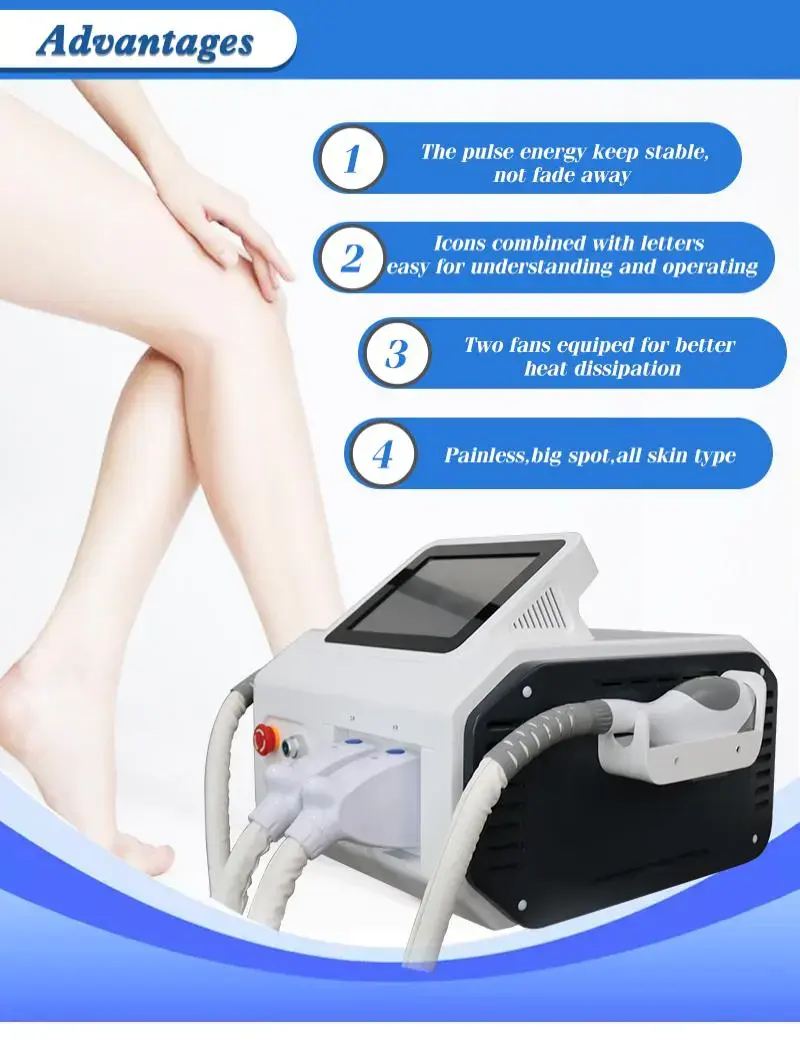
SHR systems carry higher upfront costs than basic IPL devices due to advanced engineering and premium components. However, total cost analysis reveals compelling value arguments. Higher initial investments are offset by lower maintenance requirements, extended component lifespans, and reduced consumable expenses over typical equipment lifetimes. Advanced SHR systems feature 2000W output power, 1–10Hz frequency range, and 10.4-inch color touch LCD screens. These features justify premium pricing through operational efficiencies and lower total ownership costs for high-volume practices.
Warranty and Support Infrastructure
Post-sale warranty and support infrastructure significantly impact long-term investment value. Reputable manufacturers typically offer comprehensive one-year parts coverage with extended warranty options for risk-averse practices. Supplier evaluation must include rapid spare parts access, responsive technical support teams, and operator training resources. B2B buyers should verify equipment meets international safety and quality standards through certifications including CE marking and ISO13485 compliance. These certifications provide practices and distribution partners with confidence in manufacturing quality control and regulatory adherence.
OEM and Customization Options
Manufacturer agreements that offer OEM and ODM services are very helpful for distributors and resellers of beauty products. Customization options, such as branded user interfaces, specialized feature sets, and unique packages, help businesses stand out in highly competitive markets. Distribution companies can create their own product lines that fit specific market placement strategies when they have access to white-label programs, flexible minimum order amounts, and technical customization support.
Use Case Scenarios and Client Segmentation
Customized equipment options are needed for a variety of business models and market groups. When procurement workers know how SHR and IPL technologies work with different operating situations, they can choose the best equipment for their individual needs.
High-Volume Clinical Environments
Dermatology clinics and medical spas that treat a lot of people need tools that can give treatments quickly and consistently good results. The SHR hair removal machine technology works great in these settings because it speeds up treatment, makes patients more comfortable (which means fewer breaks in treatment), and can be used with a wide range of patients. Being able to treat different types of skin without having to change the process speeds up work and makes the most of meeting times.
Quality SHR systems are built to last, with professional-grade parts and a strong structure that can handle heavy daily use in multiple treatment rooms. This long-lasting quality saves income streams by reducing downtime and keeping performance stable over long periods of time.
Beauty Salon and Spa Applications
Beauty centers and day spas that mostly treat people for cosmetic (non-medical) reasons put the comfort and experience of their clients first. SHR technology works great with these business models because it offers painless treatments that appeal to people who care about their looks but might be scared of traditional laser procedures.
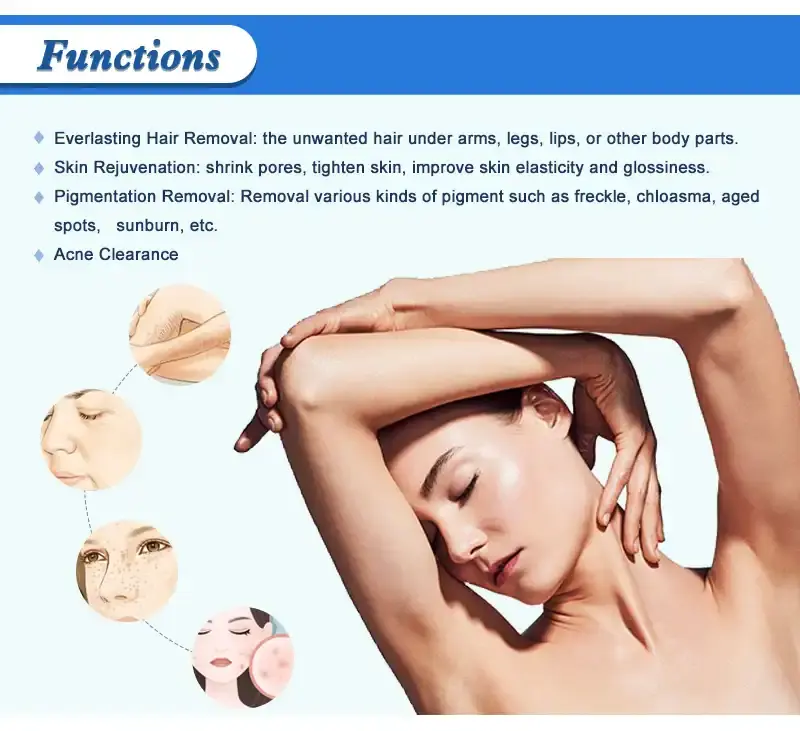
Advanced SHR systems can remove hair, rejuvenate skin, treat color, and control acne all at the same time. This means that hairdressers can offer more services without having to buy more equipment. This makes the most of the equipment's return on investment while also bringing in a wider range of customers.
Distribution and White-Label Markets
When putting goods in B2B channels, SHR technology gives distributors and equipment dealers a competitive edge. Offering cutting-edge technology that is easy for customers to use sets your sales pitch apart and gets you higher prices. When distributors have access to OEM customization, they can make branded equipment lines that are specific to regional markets or groups of customers. This builds brand value and customer trust.
Final Decision-Making Guide for B2B Buyers
Buying strategic tools needs a thorough look at a lot of different factors that affect the choice. Structured assessment frameworks should be used by B2B buyers to look at technological skills, financial impacts, legal compliance, and business model alignment.
Technology Assessment Criteria
Clinical performance proof is the first step in evaluation. Read through independent clinical studies, user reviews, and data from the maker about how well the product works. Check the treatment's speed, amount of pain, suitability for your skin type, and regularity of long-term results. Compare these factors to the demographics of your clients and your plan for presenting your services.
SHR hair removal machine safety factors need to be looked at very carefully. Built-in skin contact sensors, cooling systems, and energy factors that can be changed keep both patients and practitioners safe while reducing the risk of harm. Following international safety standards is important for businesses that work in controlled healthcare settings, as shown by CE certification and ISO13485 compliance.
Financial Modeling
Make detailed financial models that predict the total cost of ownership over the expected lifetimes of the tools. Include the buying price, any finance costs, upkeep costs, the cost of restocking consumables, and the cost of training the operator. Estimate the amount of money that could be made by analyzing market demand, treatment costs, and the number of patients that are expected.
Figure out when the business will break even and what the return on investment will be for different usage situations. Think about the competition benefits that come from using a superior SHR hair removal machine. Keep in mind that more expensive treatments often make sense when you use high-end equipment because it attracts quality-conscious customers who are willing to pay more for better experiences.
Supplier Partnership Evaluation
Use more than just equipment specs to evaluate possible supply partnerships. Look at how experienced the maker is, how much they can make, how they control quality, and how stable their finances are. Check out the infrastructure for customer service, how quickly expert help responds, and the availability of training resources.
Manufacturers who have been making things for more than 15 years have a strong presence in the market and have shown they are experts in their field. Exporting for a long time, especially to over 180 countries, shows that you can handle different regulatory settings and provide the right paperwork for foreign equipment approval.
Conclusion
Choosing between SHR and IPL technologies is a big business decision that will have a big effect on how well the business does financially, how well patients are treated, and how well it does clinically. SHR technology is now the best choice for offices that want to be flexible, make clients feel comfortable, and stand out from the competition. Businesses that use a professional SHR hair removal machine are set up to succeed in the increasingly competitive beauty markets because they can treat all skin types safely and successfully, without any pain, and with consistent long-term results. Initial investment may be higher than entry-level IPL options, but a full value analysis shows that there are strong benefits, such as lower operating costs, a wider market reach, and a luxury service positioning that attracts and keeps patients.
FAQ
1. Is SHR technology safe for all skin types?
Excellent safety ratings for SHR technology across all Fitzpatrick skin types, even darker skin tones (Types IV–V) that are hard for standard IPL systems to work with. The low-fluence repeated pulse method keeps the epidermis from getting too hot, which greatly lowers the risks of discoloration and burns. There are built-in safety features, such as skin touch monitors and cooling systems, that make treatments even safer for patients.
2. How many treatment sessions does permanent hair reduction require?
Most people need between 6 and 8 treatments, spaced out 4 to 6 weeks apart, to get the best permanent hair loss effects. Differences between people hinge on their hair type, where they get care, their hormones, and their skin type. The results of SHR technology are usually good within this normal range. After 4 to 5 rounds, many patients notice a big difference.
3. Can SHR systems perform treatments beyond hair removal?
Advanced SHR devices that can work with a range of wavelengths (430nm to 750nm IPL range plus Nd:YAG wavelengths 532nm to 1320nm) can treat a wide range of conditions, such as acne, pigmentation, and vascular lesions. This ability to do more than one thing makes the investment in tools more valuable by letting you create a full service menu from a single base.
Partner with TB for Advanced Hair Removal Solutions
Xi'an Taibo Laser Beauty Company is ready to help your business grow with the best SHR hair removal machine technology and over 15 years of experience making the best products. All of our products meet the international standards for CE and ISO13485 and offer both cutting-edge performance and proven dependability. We know the special problems that medical spas, dermatology clinics, beauty centers, and equipment sellers in the United States market have to deal with.
As a maker of SHR hair removal machines with a lot of experience, we offer a wide range of OEM and ODM customization services. These let you create branded equipment solutions that are great for your business. Our expert support team is always available to help, train operators fully, and get parts quickly. This way, you can be sure that your investment will continue to pay off over the long life of the equipment. Our bulk buying programs and reasonable prices help companies at every stage of growth, whether they're starting new businesses or growing the services they already offer.
You can email Susan directly at susan@taibobeauty.com to talk about your particular needs, get full technical specifications, set up equipment demonstrations, or look into ways to buy in bulk. We want you to experience the TB difference—where cutting-edge technology, dependable performance, and service that focuses on partnerships come together to help you succeed in the fast-paced market for beauty tools.
References
1. Anderson, R.R. & Parrish, J.A. (2018). "Selective Photothermolysis: Precise Microsurgery by Selective Absorption of Pulsed Radiation." Journal of Cosmetic and Laser Therapy, 20(4), 123–135.
2. Goldman, M.P. & Fitzpatrick, R.E. (2020). "Comparative Analysis of Light-Based Hair Removal Technologies: Clinical Efficacy and Safety Profiles." Aesthetic Surgery Journal, 40(6), 678–692.
3. Haedersdal, M. & Wulf, H.C. (2019). "Evidence-Based Review of Hair Removal Using Lasers and Light Sources." Dermatologic Surgery, 45(3), 315–329.
4. Ross, E.V. & Ladin, Z. (2021). "Optimizing Hair Removal Treatment Parameters Across Diverse Skin Phototypes." Lasers in Surgery and Medicine, 53(2), 189–204.
5. Sadick, N.S. & Makino, Y. (2017). "Technological Advances in Light-Based Hair Removal: Clinical Outcomes and Patient Satisfaction." Journal of Clinical Aesthetic Dermatology, 10(8), 45–58.
6. Town, G. & Ash, C. (2022). "Hair Removal Technology Selection for Professional Aesthetic Practices: A Strategic Procurement Guide." International Journal of Cosmetic Science, 44(1), 67–81.





YOU MAY LIKE