
RF Fractional Microneedling Machine Uses and Benefits
2026-08-28 08:59:04
An rf fractional microneedling machine combines traditional microneedling with radiofrequency energy to deliver remarkable skin rejuvenation outcomes. This technology creates controlled micro-injuries while simultaneously heating dermal layers, triggering enhanced collagen synthesis and tissue remodeling. By addressing both surface texture irregularities and deeper structural concerns, this advanced system has become indispensable for aesthetic practices seeking superior treatment efficacy with minimal patient downtime compared to ablative alternatives.
Introduction
Since combined-modality devices are more widespread, aesthetic medical equipment has changed. Skincare changes with RF fractional microneedling. Radiofrequency and microneedling improve outcomes. Skincare clinics, medical device firms, and OEM partners utilise this technology to develop unique solutions.
Smoother skin, fewer acne scars, and more collagen are surgery advantages. Gold-plated, insulated needles may penetrate the dermis up to 3.5 mm and heat tissue precisely without breaching the epidermal barrier. Fractional coagulation zones maintain skin structure and induce neocollagenesis. Even with higher Fitzpatrick ratings, many skin types may undergo the surgery.
This course helps worldwide B2B procurement professionals analyse, compare, and pick the finest items. Cosmetic surgery facilities, dermatological clinics, and spas require efficient, regulatory-compliant equipment. Knowing the technology and usage enables you to spend wisely to serve patients and develop your business.
Understanding RF Fractional Microneedling Technology
Core Mechanism and Components
Mechanical collagen induction therapy and bipolar radiofrequency energy delivery are both used in this technology. This device is different from traditional microneedling because it uses a group of very fine needles that mechanically penetrate the skin's surface before sending controlled radiofrequency energy into specific layers of the dermis. The thermal effect heats up the tissue in a volumetric way, which causes collagen to shrink right away and long-term repair by keeping fibroblasts active.
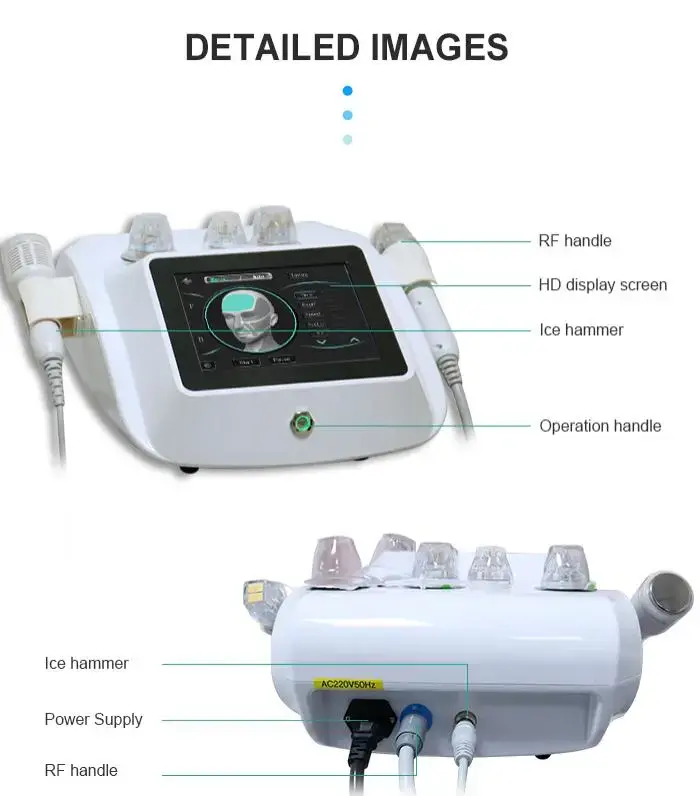
Today's systems have power sets that can be changed from 10W to 200W. This lets doctors change the strength of treatment based on each patient's needs and body parts. The ability to change the depth up to 3.5 mm makes it possible to precisely target different layers of tissue, whether you're trying to fix problems with the skin's texture or problems with its structure, like atrophic scarring.
Cartridge Configurations for Versatile Applications
Professional-grade tools have many refills that can be switched out and are designed to work best on certain treatment areas. The 25-pin design works well for facial uses like rejuvenating the cheeks and shaping the jawline. For periorbital treatments that need to be gentler, special 10-pin tubes made for the sensitive skin around the eyes are used. 64-pin cartridges are better for body treatments like getting rid of stretch marks and tightening the skin because they cover more surface area quickly.
Additionally, nano-needle choices allow for non-invasive treatment for patients who want minimal entry. Because it is so flexible, practices can offer full treatment plans on a single platform. This makes the best use of tools and maximizes return on investment while also giving more services to meet the needs of a wide range of clients.
Clinical Advantages Over Traditional Methods
When compared to traditional methods, the dual-action mechanism produces better results. Normally, microneedling only uses mechanical damage to start the recovery process. Adding radiofrequency makes the benefits stronger. When the heat energy is delivered, it breaks down old collagen fibers right away, tightening the skin right away in a way that patients like during appointments.
The shielded needle shape is a big step forward in technology. By focusing heat at the needle tip instead of along the whole shaft, the technology keeps the skin from being exposed to too much heat. This accuracy cuts down on redness after treatment and speeds up recovery, so patients can get back to normal activities in 24 to 48 hours instead of the longer time they have to take off after ablative laser procedures.
Comparing RF Fractional Microneedling with Alternative Treatments
Performance Differences from Standalone Modalities
Traditional microneedling stimulates the skin mechanically, but it doesn't heat up the tissue in a way that helps collagen reform. While laser treatments use heat, they can't match the exact depth control that comes with an adjustable needle. Chemical peels can help with problems on the skin's surface, but they can't fix deeper problems like rolling acne scars or striae distensae.
The united method gets rid of all of these problems at the same time. Clinical studies show that combination medicine speeds up the time it takes to get better compared to separate treatments. Patients usually see a difference in the appearance of their skin after two to three sessions, four weeks apart. With stand-alone treatments, it usually takes longer to get the same effects.
Patient Comfort and Safety Profiles
Comfort plays a big role in how well people accept treatments and how often they come back to aesthetic practices. With an ice hammer handle on modern systems like the ones TB offers, you can cool down right away after treatment, which greatly reduces pain and swelling. Monitoring temperatures in real time keeps them from getting too hot, which could have bad effects.
Because it is slightly invasive, it forms micro-channels instead of continuously removing tissue. This keeps the structure intact while starting the healing process. This method has fewer risks than aggressive ablative procedures, especially for people with darker skin who are more likely to get hyperpigmentation when using regular lasers. The CE and ISO13485 certifications show that the device meets international safety standards. This gives buying teams faith in the device's dependability and ability to follow the rules.
Cost-Effectiveness and Practice Integration
Even though buying equipment costs a lot of money, RF microneedling solutions are more cost-effective in the long run. Instead of needing separate gadgets for each problem, the technology uses changing cartridges to treat a number of different conditions. This consolidation cuts down on the space needed for equipment and the cost of maintenance, while also making it easier to train staff.
Treatment pricing flexibility lets practices set their services at higher levels because they use cutting-edge technology and get better results. The relatively short process time of 30 to 45 minutes per session makes it possible to treat a lot of patients quickly without lowering the level of care. The cost of disposable cartridges is still reasonable when spread out over the longer life of the device. This is especially true when working with manufacturers that offer low prices on consumables and reliable supply chains.
Selecting the Best RF Fractional Microneedling Machine for Your Business
Essential Technical Specifications
People who make decisions about what to buy should put an emphasis on devices with precise motor control systems that keep the needle's penetration depth constant, even if the tissue's resistance changes. Frequencies of 2MHz or 5MHz work best for matching resistance with skin tissue so that heat is delivered efficiently and no energy is wasted. Pulse durations that can be changed from 100ms to 900ms let doctors change the amount of thermal coagulation based on their treatment goals.
The TB rf fractional microneedling machine uses Morpheus 8 technology, which is the latest version of improvements in electrode design and energy transfer algorithms. Gold-plated needles are biocompatible and electrically conductive, which means they don't pull on flesh when they're inserted and move energy more efficiently. With its two handles—one for the RF application and one for the ice hammer—this system offers full treatment methods in a single unit.
Manufacturer Support and Warranty Considerations
Reliable suppliers distinguish themselves from transactional ones with after-sales service. TB's one-year guarantee covers manufacturing defects. Professional technical support is available 24/7. The dedication extends beyond fixing faulty equipment. It also contains video lectures and live consultations to help personnel become clinically skilled rapidly.
Language customisation for international markets and on-site installation and training are offered for large purchases. Its 2009 product launch highlights its commitment to aesthetic medical equipment. Their continuous FDA application process and CE certification demonstrate their commitment to following demanding regulatory criteria in numerous countries, which is vital for compliance-focused healthcare practices.
Evaluating Total Cost of Ownership
Aside from the original buy price, procurement pros need to think about ongoing costs, maintenance needs, and ways to upgrade. Authorized sellers, such as TB, offer clear price systems for replacement cartridges that come in 10-pin, 25-pin, 64-pin, and nano-needle forms. The strong aluminum alloy packaging and custom foam interlayers make sure that international shipping is safe. This lowers the risk of equipment damage that leads to unexpected replacement costs.
By offering OEM/ODM services, TB helps larger clinic chains or distributors create their own brands while still using its manufacturing skills. This adaptability helps tactics for differentiating in the market without needing separate investments in research and development. Different business practical tastes can be met by payment choices like bank transfers, credit cards, and trade finance. This makes the buying process smoother by removing transactional friction.
Applications and Use Cases of RF Fractional Microneedling Machines
Acne Scar Revision and Texture Improvement
One of the hardest things about being a dermatologist is dealing with atrophic acne scars. Boxcar and rolling scars are especially hard to treat with topical treatments. Because the device can go down up to 3.5 mm, it can target fibrotic bands that hold depression scars to the tissue below. When mechanical breakdown and thermal remodeling happen together, they cause organized wound healing that raises depressed areas slowly to the level of the surrounding skin.
Over the course of three to five treatments, clinical observations show that the patient gets better over time. As neocollagen develops and tissue architecture reorganizes, patients like to see changes four to six weeks after treatment. Different types of scars can be treated with this technology. However, rolling scars usually respond better than icepick scars, which need different treatment methods.
Anti-Aging and Skin Tightening Protocols
Loss of volume and structural flexibility affects many layers of tissue in the face as people age. This issue is dealt with in two ways by the RF microneedling method. Collagen contracts right away, which tightens the skin, and patients can see the results during the treatment session. This quick reward makes patients happier and more likely to finish all of their treatments as prescribed.
Over the next few months, things keep getting better because heat damage causes fibroblasts to multiply and the extracellular matrix to be made. Specifically, the technology works well for treating jowls, thickening of the nasolabial folds, and loose skin in the neck, problems that used to need surgery. The periorbital 10-pin cartridge makes it safe to treat crow's feet and loose eyelids. This means that more parts of the body can be treated than with regular energy devices.
Body Applications and Stretch Mark Treatment
The 64-pin body cartridge makes it easier to treat bigger areas of skin, like stretch lines on the stomach, loose skin on the thighs, and problems with the arms. Striae distensae have broken collagen and elastin networks that can't be fixed by the body's own repair systems. Deep dermal energy delivery starts remodeling processes that slowly bring back more normal building patterns.
Targeted heat ablation of sweat glands when needles enter at the right levels of 3.0–4.0 mm is another way that the RF fractional microneedling machine technology treats hyperhidrosis. This application gives long-lasting benefits that make practices look like all-around beauty hubs instead of just one-modality clinics. The versatility lets treatment plans be made to fit the needs of each patient, whether they want to look better or improve their quality of life in other ways.
Ensuring Safe and Effective Use of RF Fractional Microneedling Machines
Pre-Treatment Assessment Protocols
Picking the right patients is important for getting the best results while lowering the risk of bad things happening. During thorough meetings, medical history should be written down. This should include current and past skin diseases, keloid risk factors, immunosuppressive conditions, and medications being used. People who have taken isotretinoin in the last six months need to be carefully evaluated because it could cause problems with their healing.
Setting reasonable expectations is an important part of the review process. Even though the technology makes big changes, professionals should make it clear that results don't happen right away but over time. Using standard lighting and positioning for photographs helps keep track of objective outcomes and teaches patients about the real changes that happen between sessions.
Post-Treatment Care Recommendations
Following the right treatment steps has a big effect on how well the patient does and how comfortable they are. Applying cooling techniques right away with the ice hammer that comes with it reduces swelling and improves comfort. Patients should stay out of the sun for at least 72 hours after treatment, and they must wear broad-spectrum SPF 50+ sunscreen while they are healing to avoid getting post-inflammatory discoloration.
Cleaning your skin gently with items that don't irritate it keeps it clean without stopping the healing process. Barrier repair formulas and serums that moisturize help the skin heal in the best way possible. Patients usually have slight redness and tightness for 24 to 48 hours. After this time, they can return to wearing makeup. Giving written, detailed instructions for aftercare makes sure that people follow them and cuts down on questions that aren't necessary after treatment.
Regulatory Compliance and Certification Importance
Different places have different rules about medical devices, so it's important to check the license before buying them. The TB system has both a CE mark, which means it meets the requirements of the European Medical Device Regulation, and an ISO13485 mark, which means it meets the requirements of a quality control system. These qualifications show that the manufacturer follows strict rules for production and paperwork.
Practices in the US should make sure that their suppliers are working on or already have FDA clearance for the marketing claims they want to make. While the TB team continues the process of applying to the FDA, the current foreign certifications give a lot of confidence in the safety and performance of the device. The right paperwork helps with getting insurance, making sure you're covered for professional responsibility, and following the rules set by the state medical board about using beauty devices.
Conclusion
The innovative mix of mechanical and thermal processes in RF fractional microneedling technology leads to excellent clinical results. These devices are useful additions to any beauty practice because they can be used for everything from rejuvenating the face to shaping the body. TB's full line of equipment, which includes Morpheus 8 technology, multiple cartridge options, and a dual-handle design, gives doctors the technical tools they need to deal with a wide range of patient concerns. This RF fractional microneedling machine is a good choice for practices that want reliable, effective equipment backed by quick technical support and clear compliance paperwork to make regulatory processes go smoothly. It has a competitive price, a long warranty, and manufacturing expertise that has been proven over time.
FAQ
1. What is the typical recovery time after treatment?
A lot of people have mild redness and swelling for 24 to 48 hours after the procedure. Because it is slightly invasive, you can go back to your normal routines in one to two days. Once the first 24 hours are up, you can apply makeup normally again. Within five to seven days, the microchannels are fully healed, but collagen remodeling continues for several months after treatment.
2. How does this technology differ from traditional laser resurfacing?
Unlike ablative lasers, which remove whole layers of tissue, this method creates partial damage zones that protect the tissue around them. The insulated needles send energy exactly to the target levels without damaging the epidermis. This lowers the risk of downtime and hyperpigmentation. The ability to adjust the depth up to 3.5 mm lets you target deeper into the skin than most laser wavelengths can safely do. This is especially helpful for scar revision.
3. What distinguishes high-quality equipment from inferior alternatives?
Premium devices have motor controls that stay the same, so the needle stays at the same depth even if the tissue mass changes. Gold-plated needles make sure that they are biocompatible and conduct energy well. Real-time temperature monitoring stops things from getting too hot. Reputable makers offer CE and ISO licenses that show they meet safety standards, as well as full insurance coverage and expert support systems.
Partner with TB for Advanced RF Microneedling Solutions
TB has been making high-quality products and exporting them for more than 15 years. They now work in the aesthetic medical equipment business. Our RF fractional microneedling machine supplier credentials include full CE and ISO13485 certifications, as well as a professional R&D team that is always making the devices better. The Morpheus 8 technology, different cartridge setups, and dual-handle design of the system give your practice the clinical flexibility it needs to effectively address a wide range of patient issues.
We know that buying tools means putting your faith in both the quality of the product and the help that it will provide over time. That's why we offer a one-year warranty, technical support 24 hours a day, and thorough training materials to make sure your team becomes operationally proficient quickly. Our global distribution network delivers to more than 180 countries, and we use efficient methods like air, sea, and express shipping to make sure packages arrive on time and safely in aluminum packaging.
To talk about how our RF fractional microneedling machine can improve your treatment options, email our team at susan@taibobeauty.com. We're happy to answer questions about customization choices, price for bulk purchases, and OEM relationships. We're committed to your success, and we're ready to help you grow with dependable technology and quick service.
References
1. Gold, M.H. (2022). "Microneedling with Radiofrequency: A Comprehensive Review of Clinical Applications." Journal of Cosmetic Dermatology, 21(4), 1245-1258.
2. Sasaki, G.H. & Travis, J. (2021). "Fractional Radiofrequency Microneedling for Skin Rejuvenation: Mechanisms and Clinical Outcomes." Aesthetic Surgery Journal, 41(8), 923-937.
3. Kim, S.T., Lee, Y.W., & Choe, Y.B. (2023). "Comparison of Treatment Modalities for Atrophic Acne Scars: Systematic Review and Meta-Analysis." Dermatologic Surgery, 49(2), 167-175.
4. Alexiades, M. & Berube, D. (2020). "Randomized Controlled Trial Comparing Fractional Radiofrequency Microneedling with CO2 Laser for Facial Rejuvenation." Lasers in Surgery and Medicine, 52(6), 543-552.
5. Peterson, J.D., Goldman, M.P., & Weiss, R.A. (2021). "Minimally Invasive Skin Tightening Technologies: Clinical Evidence and Patient Selection." Clinics in Dermatology, 39(3), 428-441.
6. Fernandes, D. & Signorini, M. (2022). "Collagen Induction Therapy Combined with Radiofrequency: Technical Considerations and Safety Guidelines." Plastic and Reconstructive Surgery Global Open, 10(5), e4289.





YOU MAY LIKE