
RF fractional microneedling machine for skin tightening: does it work?
2025-12-30 09:17:58
Are you frustrated with sagging skin, deepening wrinkles, or stubborn acne scars that refuse to fade? You're not alone. Millions of people worldwide struggle with visible signs of aging and skin laxity, desperately searching for effective solutions that don't require invasive surgery or extensive downtime. The rf fractional microneedling machine has emerged as a revolutionary answer to these concerns, combining two powerful technologies to deliver remarkable skin tightening and rejuvenation results. This advanced treatment stimulates your body's natural collagen production while precisely targeting problem areas, offering a minimally invasive path to firmer, smoother, more youthful-looking skin without the risks and recovery time associated with traditional surgical procedures.
Understanding RF Fractional Microneedling Technology
The rf fractional microneedling machine represents a significant advancement in aesthetic dermatology, merging the proven benefits of traditional microneedling with the transformative power of radiofrequency energy. This innovative combination addresses skin concerns at multiple levels, creating a comprehensive treatment approach that delivers superior results compared to standalone technologies. To understand why this technology works so effectively, we need to explore how each component contributes to skin transformation. Traditional microneedling has been used for decades as a collagen induction therapy. The process involves creating controlled micro-injuries to the skin using fine needles, which triggers the body's natural wound healing response. This physiological reaction prompts fibroblasts to migrate to the treatment area and produce fresh collagen and elastin, the structural proteins responsible for skin firmness and elasticity. However, while traditional microneedling produces beneficial results, the addition of radiofrequency energy amplifies these effects exponentially. When radiofrequency energy is delivered through insulated microneedles, it penetrates deep into the dermal layers without causing excessive damage to the epidermis. The rf fractional microneedling machine uses gold-plated microneedles that are insulated along their length, with only the tips delivering RF energy directly to the target tissue. This precise delivery system ensures that the therapeutic heat reaches the dermis and even subdermal fat layers, where it can stimulate profound changes in tissue structure. The controlled thermal injury causes immediate collagen fiber contraction while simultaneously triggering neocollagenesis, the formation of new collagen that continues for months after treatment.
How Radiofrequency Energy Transforms Skin Structure
The science behind radiofrequency energy in aesthetic treatments is based on the principle of tissue heating and controlled thermal damage. When the rf fractional microneedling machine delivers RF energy into the skin, it creates zones of thermal coagulation that extend beyond the immediate needle penetration sites. This bulk heating effect causes existing collagen fibers to contract and tighten, producing immediate visible improvements in skin laxity. More importantly, the thermal stimulation activates fibroblasts throughout the treatment area, initiating a cascade of regenerative processes that continue developing over several months. The temperature elevation in the dermis must be carefully controlled to achieve optimal results. Professional rf fractional microneedling machine systems include built-in temperature monitoring to ensure patient safety while maximizing therapeutic effects. The ideal temperature range for collagen remodeling is between 60-70 degrees Celsius in the deep dermis, which causes sufficient protein denaturation to stimulate new collagen production without creating burns or scarring. This precision is what separates medical-grade devices from less effective alternatives. Clinical studies have demonstrated that radiofrequency treatments can produce collagen increases of 100-300% in treated areas when protocols are followed correctly. The rf fractional microneedling machine achieves these remarkable results by combining mechanical stimulation from the needles with thermal stimulation from RF energy, creating a synergistic effect that surpasses either technology used alone. Additionally, the fractional nature of the treatment means that healthy tissue remains between treated zones, serving as a reservoir of cells that accelerates healing and minimizes downtime.
Adjustable Depth Technology for Customized Treatment
One of the most significant advantages of modern rf fractional microneedling machine systems is their adjustable depth capability. Professional devices offer needle penetration ranging from 0.5mm to 3.5mm, allowing practitioners to customize treatments based on the specific area being treated and the patient's individual concerns. This versatility makes the technology suitable for delicate areas like the periorbital region as well as thicker skin on the body. For facial skin tightening treatments, practitioners typically use depths between 1.5mm and 3mm to reach the reticular dermis where mature collagen fibers reside. At these depths, the rf fractional microneedling machine can effectively remodel existing collagen structure while stimulating robust new collagen formation. The precise depth control ensures that energy is delivered exactly where it's needed most, maximizing efficacy while minimizing surface disruption. Different needle configurations serve specific purposes in comprehensive skin rejuvenation protocols. The 10-pin cartridges are ideal for treating sensitive areas around the eyes where precision is paramount. The 25-pin cartridges work excellently for general facial treatments, providing balanced coverage and comfortable treatment experiences. For body applications such as stretch mark reduction or abdominal skin tightening, 64-pin cartridges deliver efficient treatment of larger areas. Some advanced rf fractional microneedling machine systems also include nano-needle options for superficial, non-invasive treatments that address surface texture and tone without penetrating the skin.
Clinical Evidence: Does RF Fractional Microneedling Actually Work for Skin Tightening?
The effectiveness of the rf fractional microneedling machine for skin tightening is supported by extensive clinical research and documented patient outcomes. Peer-reviewed studies published in dermatology and plastic surgery journals have consistently demonstrated significant improvements in skin laxity, wrinkle depth, and overall skin quality following treatment protocols. Understanding this evidence helps both practitioners and patients set realistic expectations while appreciating the true capabilities of this technology. Research comparing rf fractional microneedling machine treatments to other modalities has revealed impressive results. One comparative study found that a single fractional RF treatment achieved approximately 37% of the improvement seen with surgical facelift procedures. While this might seem modest compared to surgery, it represents a remarkable outcome for a minimally invasive procedure with minimal downtime. Patients in this research showed an average improvement of 16% in skin laxity relative to baseline measurements, with results continuing to improve over the following months as new collagen matured. Objective measurements using specialized equipment have quantified the mechanical improvements in skin properties following treatment with the rf fractional microneedling machine. Studies measuring Young's modulus, which indicates skin stiffness and firmness, have documented decreases of 5-12%, signifying that skin becomes more supple yet structurally sound. Retraction time measurements, which assess skin elasticity, improved by 10-16% after treatment courses. These objective findings correlate strongly with subjective improvements reported by patients and observed by independent evaluators.
Patient Satisfaction and Real-World Results
Beyond clinical measurements, patient satisfaction rates provide valuable insight into the practical effectiveness of rf fractional microneedling machine treatments. Multiple studies have reported patient satisfaction rates exceeding 90%, with many patients describing results as "very high" in terms of meeting their aesthetic goals. This high satisfaction stems from the combination of visible improvements, relatively comfortable treatment experiences, and manageable recovery periods. The improvements patients notice include tighter skin texture, reduced jowling, diminished appearance of nasolabial folds, lifted brow position, and overall facial rejuvenation. For body treatments, patients report significant improvements in abdominal skin laxity, reduced appearance of stretch marks, and tighter skin on arms and thighs. These results develop gradually over 3-6 months following treatment as new collagen matures and remodels, creating natural-looking improvements rather than the sudden dramatic changes that can appear artificial. Long-term follow-up studies tracking patients for 1-3 years after rf fractional microneedling machine treatments have documented sustained improvements, with many patients maintaining significant benefits without additional treatments. This longevity makes the investment in treatment particularly attractive, as results continue providing value long after the initial treatment series is completed. For patients who choose to undergo maintenance treatments annually or biannually, results can be maintained and even enhanced over time.
Safety Profile and Minimal Side Effects
The safety record of the rf fractional microneedling machine is exceptionally favorable, particularly when treatments are performed by trained practitioners using quality equipment. The most common side effects are mild and temporary, typically resolving within hours to a few days. Patients commonly experience erythema and slight edema in treated areas, similar to a mild sunburn sensation. These effects usually subside within 24-48 hours, with most patients able to return to normal activities within one to two days. Unlike ablative laser treatments that can cause prolonged redness, post-inflammatory hyperpigmentation, or scarring, the rf fractional microneedling machine spares the epidermis while delivering therapeutic energy to deeper layers. This selective approach dramatically reduces complication risks while maintaining excellent efficacy. The fractional nature of treatment, leaving healthy tissue between treated zones, accelerates healing and further minimizes adverse effects.
Comprehensive Treatment Applications Beyond Skin Tightening
While skin tightening represents the primary application of the rf fractional microneedling machine, this versatile technology addresses numerous additional aesthetic concerns with impressive efficacy. The ability to adjust treatment parameters including needle depth, RF energy levels, and treatment density allows practitioners to customize protocols for diverse indications, making this a truly comprehensive solution for professional aesthetic practices.
Wrinkle Reduction and Anti-Aging Benefits
The rf fractional microneedling machine excels at reducing fine lines and wrinkles throughout the face and neck. By stimulating collagen production in areas where collagen degradation has occurred, treatments restore volume and structural support that naturally diminishes with aging. Forehead wrinkles, crow's feet, nasolabial folds, marionette lines, and vertical lip lines all respond favorably to properly executed treatment protocols. The mechanism behind wrinkle improvement involves both immediate and delayed effects. Immediately following treatment with the rf fractional microneedling machine, thermal contraction of collagen fibers provides some visible tightening. Over subsequent weeks and months, newly formed collagen fills in wrinkled areas from within, creating smoother surface contours. The improvement in skin elasticity also prevents new wrinkles from forming as readily, providing preventive anti-aging benefits alongside corrective improvements. Treatment of the delicate periorbital area requires special consideration, which is why rf fractional microneedling machine systems include specialized 10-pin cartridges designed for this sensitive region. Lower energy settings and shallower penetration depths ensure safety while still delivering meaningful improvements in crow's feet, under-eye crepiness, and mild hooding of the upper eyelids. These subtle improvements contribute significantly to overall facial rejuvenation without the risks associated with more aggressive treatments near the eyes.
Scar Reduction and Skin Texture Improvement
Acne scarring represents one of the most challenging aesthetic concerns to address, yet the rf fractional microneedling machine has proven remarkably effective for this indication. Both atrophic scars, which appear as depressions in the skin, and hypertrophic scars, which are raised, respond to treatment protocols. The combination of mechanical needling to release fibrous adhesions beneath depressed scars and thermal energy to remodel scar tissue creates comprehensive scar improvement. Clinical protocols for acne scar treatment typically involve treatment series of 3-6 sessions spaced 4-6 weeks apart. Each session with the rf fractional microneedling machine creates controlled injury that stimulates the body to replace disorganized scar tissue with healthier, more normally structured dermis. Patients commonly see 30-70% improvement in scar appearance, with individual results varying based on scar severity, skin type, and adherence to post-treatment care protocols. Stretch marks, technically known as striae distensae, also respond favorably to rf fractional microneedling machine treatments. These scars form when skin stretches rapidly during pregnancy, growth spurts, or weight changes, causing disruption of dermal collagen structure. Delivering RF energy to appropriate depths stimulates new collagen formation that gradually fills in the depressed areas while improving the color difference between stretch marks and surrounding skin. Multiple treatment sessions are typically required for optimal results, but improvements can be substantial and life-changing for patients who have struggled with prominent stretch marks.
Pore Minimization and Sebum Control
Enlarged pores represent a common concern, particularly for patients with oily skin or a history of acne. The rf fractional microneedling machine addresses this issue through multiple mechanisms. The thermal effect on sebaceous glands can reduce oil production, decreasing the shiny appearance and makeup difficulties associated with excess sebum. Simultaneously, the collagen tightening effect around pores causes them to appear smaller as the surrounding tissue firms. Treatment protocols for pore refinement typically use moderate needle depths and energy settings, focusing on creating widespread thermal stimulus rather than deep penetration. The 25-pin cartridges work excellently for this application, providing even coverage across the central face where pores are typically most prominent. Patients notice that their skin texture appears smoother and more refined, with a more matte finish that requires less blotting throughout the day. The sebum-reducing effect of the rf fractional microneedling machine can also benefit patients with active acne by addressing one of the condition's underlying causes. While the treatment is not a replacement for medical acne therapy, it can serve as an excellent adjunctive treatment that improves skin quality while acne is being medically managed. Once acne is controlled, the scar-reducing capabilities of the technology become particularly valuable.
Choosing Professional-Grade RF Fractional Microneedling Equipment
The effectiveness of any rf fractional microneedling machine treatment depends heavily on the quality of equipment used. Professional-grade devices differ dramatically from consumer-level products in terms of energy delivery, safety features, treatment versatility, and reliability. For aesthetic practices, medical spas, and dermatology clinics, investing in high-quality equipment from established manufacturers ensures optimal patient outcomes and practice success.
Essential Features of Medical-Grade Systems
Professional rf fractional microneedling machine systems incorporate several critical features that distinguish them from inferior alternatives. Adjustable energy levels, typically ranging from 1-10 settings or measured in watts, allow practitioners to customize treatment intensity based on patient skin type, treatment area, and desired outcomes. Systems offering 10-200W power output provide the flexibility needed to treat diverse patients and indications effectively. Precise depth control is another essential feature of quality rf fractional microneedling machine equipment. The ability to adjust needle penetration from 0.5mm to 3.5mm in small increments ensures that practitioners can target specific skin layers for optimal results. Digital displays showing current settings in real-time help maintain consistency across treatment sessions and between different practitioners in multi-provider settings. Built-in safety systems represent perhaps the most critical distinguishing feature of medical-grade rf fractional microneedling machine devices. Real-time temperature monitoring prevents overheating that could cause burns or unwanted tissue damage. Automatic shutoff mechanisms activate if unsafe conditions are detected, protecting both patients and operators. Quality manufacturers design their systems with multiple redundant safety features, recognizing that patient safety must always remain the top priority.
Importance of Certification and Compliance
When selecting a rf fractional microneedling machine for professional use, verification of appropriate certifications is essential. CE marking indicates compliance with European health, safety, and environmental protection standards, demonstrating that devices meet strict performance and safety requirements. ISO 13485 certification confirms that the manufacturer operates under a quality management system specifically designed for medical devices, ensuring consistency and reliability in manufacturing processes. These certifications are not merely bureaucratic formalities; they represent extensive testing, documentation, and ongoing compliance monitoring. Rf fractional microneedling machine devices with proper certifications have undergone rigorous evaluation of electrical safety, electromagnetic compatibility, biocompatibility of materials contacting skin, and clinical effectiveness. Practices using certified equipment protect themselves from liability risks while assuring patients they're receiving treatment with thoroughly vetted technology. Some manufacturers are pursuing additional certifications including FDA clearance for the United States market and medical CE marks for expanded clinical indications. These enhanced certifications open additional market opportunities while further validating the safety and effectiveness of rf fractional microneedling machine technology. Practices should inquire about certification status and request documentation before making equipment purchase decisions.
Multiple Cartridge Options for Comprehensive Treatment
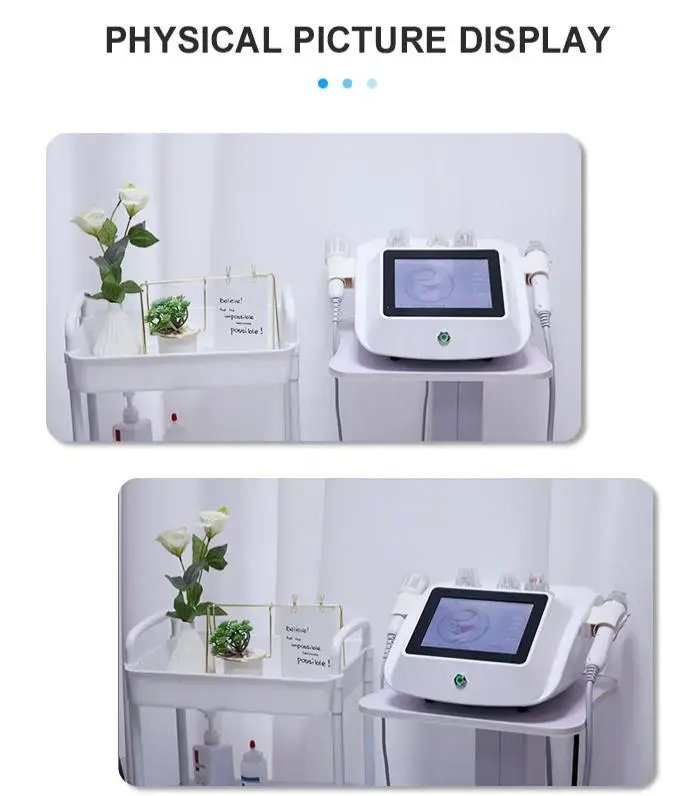
The versatility of a rf fractional microneedling machine system depends largely on the range of available treatment cartridges. Professional systems should offer multiple needle configurations to address different treatment areas and aesthetic concerns. The 10-pin cartridge designed for periorbital treatments allows safe, effective treatment of delicate eye area skin without risk of excessive trauma. The fine needle pattern and typically lower energy settings appropriate for this cartridge make it indispensable for comprehensive facial rejuvenation. The 25-pin cartridge represents the workhorse of most rf fractional microneedling machine protocols, ideal for treating the full face, neck, and décolletage. This configuration provides balanced coverage with comfortable treatment experiences, making it suitable for routine anti-aging treatments and general skin quality improvement. Most practitioners find that the majority of their treatments utilize this cartridge, so ensuring its quality and reliability is paramount. For body treatments addressing larger areas, the 64-pin cartridge delivers efficient coverage while maintaining therapeutic effectiveness. Applications including abdominal skin tightening after pregnancy or weight loss, stretch mark treatment, and arm or thigh skin rejuvenation benefit from this larger treatment stamp. The increased pin count allows practitioners to cover more surface area in less time, making body treatments more practical and economically viable. Advanced rf fractional microneedling machine systems also include nano-needle cartridges for non-invasive superficial treatments. These options use extremely fine needles or may deliver RF energy without penetrating the skin, addressing surface texture, tone irregularities, and mild fine lines without creating the micro-injuries associated with traditional microneedling. This non-invasive approach appeals to patients seeking minimal downtime while still benefiting from RF skin tightening effects.
Technical Specifications That Define Treatment Quality
Understanding the technical specifications of a rf fractional microneedling machine helps practitioners evaluate equipment options and optimize treatment protocols. Beyond the obvious features like needle depth adjustment and energy settings, several less apparent specifications significantly impact treatment outcomes and patient experiences. Knowledgeable practitioners consider these factors when selecting equipment for their practices. The RF energy delivery method varies between different rf fractional microneedling machine systems. Bipolar RF, where energy flows between adjacent needles, provides more superficial heating patterns suitable for epidermal and papillary dermal treatments. Unipolar RF delivers energy from the needles to a grounding pad elsewhere on the body, creating deeper thermal effects that can reach subdermal fat layers. Understanding which delivery method a system uses helps practitioners select appropriate equipment for their intended treatment applications. Display and interface design affects both treatment precision and user experience. Large touchscreen displays showing real-time treatment parameters, energy delivery feedback, and treatment progress create more intuitive operation compared to systems with small button-based interfaces. The rf fractional microneedling machine systems with ergonomic handpiece designs reduce operator fatigue during longer treatment sessions, maintaining precision and consistency throughout the procedure. Voltage compatibility is a practical consideration often overlooked until equipment arrives. Quality rf fractional microneedling machine manufacturers design their systems to operate on either 110V or 220V power supplies, accommodating international markets and diverse practice settings. Automatic voltage detection eliminates the need for manual switching and prevents damage from incorrect voltage application.
Maximizing Patient Results Through Proper Treatment Protocols
Even the highest quality rf fractional microneedling machine will underperform if treatment protocols are poorly designed or inconsistently executed. Developing standardized treatment protocols based on patient skin type, specific concerns, and treatment goals ensures reproducible excellent outcomes while minimizing complication risks. Successful aesthetic practices invest time in protocol development and staff training to maximize the return on their equipment investment.
Pre-Treatment Preparation and Patient Selection
Proper patient selection forms the foundation of successful rf fractional microneedling machine treatments. Ideal candidates include patients with mild to moderate skin laxity, visible signs of aging, acne scarring, or textural irregularities who prefer minimally invasive treatments over surgical options. Patients should have realistic expectations about treatment timelines and outcomes, understanding that results develop gradually over several months rather than appearing immediately. Pre-treatment skin preparation significantly influences treatment comfort and outcomes. Patients should discontinue retinoids and other potentially irritating topical medications for several days before treatment to minimize sensitivity. Proper cleansing removes surface oils and debris that could interfere with needle penetration or harbor bacteria that might cause infection. Application of appropriate topical anesthetic 30-45 minutes before treatment with the rf fractional microneedling machine dramatically improves patient comfort, making higher energy treatments well-tolerated. Comprehensive pre-treatment consultation and photography documentation are essential professional practices. High-quality photographs taken in consistent lighting conditions provide invaluable records for tracking treatment progress and demonstrating results to patients who may forget their starting condition. Written informed consent documents should clearly outline expected outcomes, potential side effects, and post-treatment care requirements, ensuring patients understand all aspects of their rf fractional microneedling machine treatment.
Optimal Treatment Parameters for Different Indications
Treatment parameter selection requires balancing efficacy with safety and patient comfort. For skin tightening applications, the rf fractional microneedling machine typically operates at depths of 2-3mm with energy settings in the moderate to high range. These parameters ensure that thermal energy reaches the reticular dermis where mature collagen resides, creating significant tightening effects while remaining safe. Acne scar treatments often use slightly shallower depths, typically 1.5-2.5mm, with energy settings adjusted based on scar depth and characteristics. The rf fractional microneedling machine protocols for scarring may involve multiple passes over severely affected areas, building thermal effect gradually rather than using maximum energy in a single pass. This approach reduces discomfort while achieving comparable or superior outcomes. Fine line and wrinkle treatments with the rf fractional microneedling machine use moderate depths around 1.5-2mm with energy levels sufficient to create visible thermal endpoints without causing excessive swelling or prolonged erythema. The goal is stimulating adequate collagen remodeling while maintaining patient comfort and minimal downtime that allows rapid return to normal activities.
Post-Treatment Care and Result Optimization
Post-treatment care instructions significantly impact both patient comfort during recovery and final treatment outcomes. Immediately following rf fractional microneedling machine treatments, cold compresses help reduce swelling and provide comfort. Gentle cleansing with mild soap and application of healing ointments or serums promote rapid recovery while optimizing the treatment environment for collagen formation. Sun protection is absolutely critical following rf fractional microneedling machine treatments. Treated skin is temporarily more vulnerable to UV damage, and sun exposure during healing can cause pigmentation irregularities or interfere with optimal collagen formation. Patients should use broad-spectrum SPF 30 or higher sunscreen and avoid direct sun exposure for at least one week following treatment. Avoiding certain activities and products during the healing period prevents complications. Patients should avoid strenuous exercise, excessive heat exposure including saunas and hot tubs, and harsh skincare products including retinoids and exfoliants for several days following rf fractional microneedling machine treatments. Following these guidelines minimizes inflammation while allowing optimal healing and collagen formation.
OEM and ODM Services for Professional Equipment
For businesses seeking to establish or expand their presence in the aesthetic equipment market, OEM and ODM services provide pathways to offering branded rf fractional microneedling machine systems without the enormous investment required to develop technology from scratch. Established manufacturers with proven track records can partner with aesthetic practices, distributors, and entrepreneurs to create customized equipment solutions that meet specific market needs. OEM services allow partners to rebrand existing rf fractional microneedling machine designs with their own company identity. This arrangement provides access to proven technology with established safety records and regulatory certifications while enabling brand building and market differentiation. Quality OEM partners provide comprehensive support including technical training, marketing materials, and ongoing customer service to ensure partner success. ODM services go further, allowing partners to specify customized features, performance parameters, and design elements for their rf fractional microneedling machine systems. This collaborative development process creates truly unique products that can command premium positioning in competitive markets. Experienced manufacturers guide partners through technical feasibility assessment, regulatory compliance planning, and production scaling to bring custom equipment visions to reality. Successful OEM and ODM partnerships require selecting manufacturers with proven capabilities and commitment to quality. Essential evaluation criteria include manufacturing capacity, quality control systems, certification compliance, after-sales support infrastructure, and track record of successful partnerships. The rf fractional microneedling machine market is competitive, and partnering with manufacturers who prioritize excellence in all aspects of their business creates the foundation for long-term success.
Conclusion
The rf fractional microneedling machine delivers proven skin tightening results through its innovative combination of mechanical collagen induction and radiofrequency thermal stimulation. Clinical evidence, patient satisfaction data, and favorable safety profiles confirm that this technology effectively addresses skin laxity, wrinkles, scars, and texture concerns with minimal downtime. For patients seeking non-surgical skin rejuvenation and for practices wanting to offer cutting-edge treatments, rf fractional microneedling represents an excellent solution backed by science and real-world results.
Cooperate With Xi'an Taibo Laser Beauty Company
As a leading China rf fractional microneedling machine manufacturer with over 15 years of production experience, Xi'an Taibo Laser Beauty Company provides High Quality rf fractional microneedling machine systems to more than 180 countries worldwide. Our China rf fractional microneedling machine factory combines advanced Morpheus8 technology with CE and ISO13485 certification, ensuring professional-grade equipment for beauty salons, dermatology clinics, and cosmetic surgery centers. As a trusted China rf fractional microneedling machine supplier, we offer comprehensive OEM/ODM services, competitive rf fractional microneedling machine price options, and China rf fractional microneedling machine wholesale opportunities for distributors seeking rf fractional microneedling machine for sale. Our two-year warranty, 24-hour support, professional training, and customized packaging demonstrate our commitment to your success. Contact us today at susan@taibobeauty.com to discuss how our expertise can elevate your aesthetic practice and help you deliver exceptional patient results.
References
1. Gold, M.H., "Fractional Radiofrequency Technology in Aesthetic Medicine," Journal of Cosmetic Dermatology
2. Anderson, R.R., "Advances in Non-Ablative Skin Rejuvenation: Combination Therapies," Dermatologic Surgery
3. Chen, Y.Q., "Clinical Applications of Microneedling with Radiofrequency," Aesthetic Plastic Surgery Journal
4. Kumar, P., "Cost-Effectiveness Analysis of Office-Based Aesthetic Devices," International Journal of Cosmetic Science
5. Simmons, B.J., "Safety and Efficacy of Minimally Invasive Radiofrequency Devices," American Journal of Clinical Dermatology





YOU MAY LIKE