
OPT SHR Machine for Clinics: Features and Benefits Guide
2026-05-21 09:06:29
When looking at cutting-edge hair removal and skin rejuvenation tools, the opt shr machine stands out as a great buy for modern clinics. By combining Optimal Pulse Technology with Super Hair Removal, this system can treat all skin types consistently and painlessly while still meeting the highest safety standards. OPT technology creates steady square-wave bursts that protect the top layers of skin during treatment, unlike regular IPL devices that produce random energy spikes. This new discovery helps clinics offer more services, keep patients happier, and schedule more appointments, which are all very important in the competitive beauty market.
Understanding OPT SHR Technology: How It Works and Its Key Features?
The accurate way that OPT SHR delivers energy is what makes it work so well. Intense pulsed light systems that are used today often spread heat unevenly, which can cause burns and other problems. These problems can be fixed by OPT technology, which creates pulses with exactly flat tops that keep their energy level steady during each emission cycle.
The Science Behind Painless Hair Removal
Through its "In-Motion" technique, SHR philosophy changes the way people are treated. Instead of sending out a single high-energy blast, the handpiece runs over the skin over and over at rates that can be changed from 1Hz to 10Hz. This way of slowly heating targets melanin in hair follicles without hurting the tissue around them. The special xenon flash lamp gives off a wide range of wavelengths, from 430nm to 750nm. It also has Nd:YAG powers built in, which give you more treatment options with wavelengths like 532nm, 755nm, 1064nm, and 1320nm for pigmentation and vascular issues.
Advanced Safety Systems Protecting Every Treatment
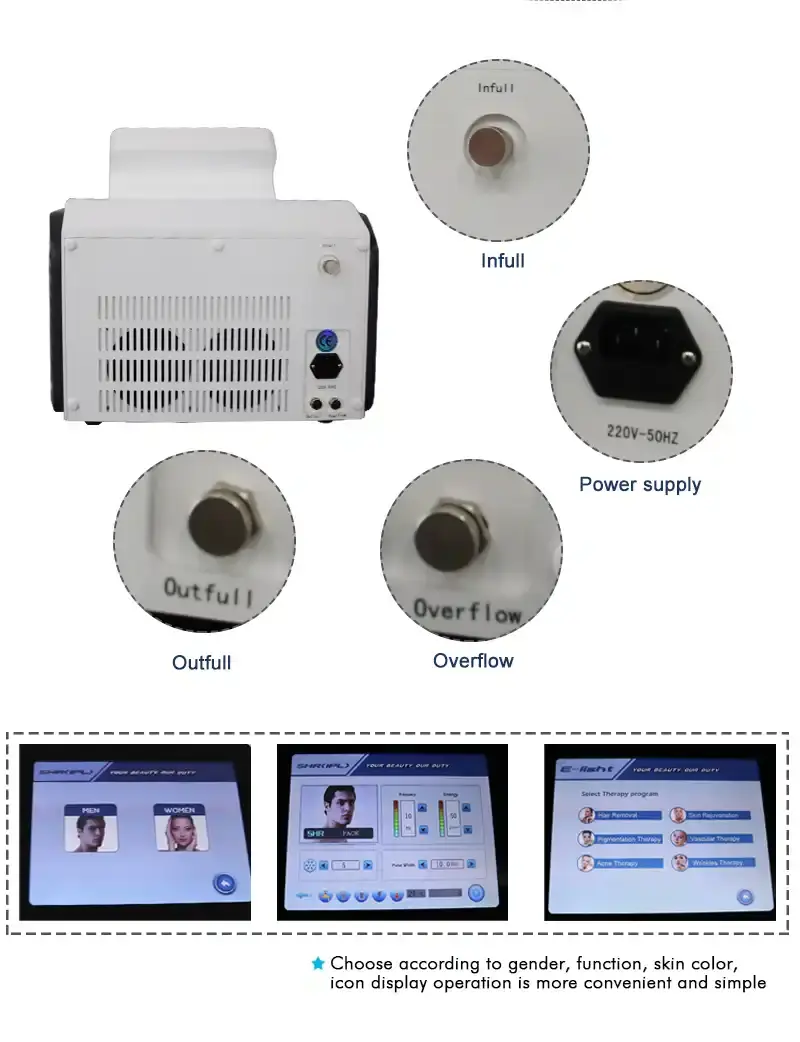
When choosing a beauty gadget, clinical safety is still the most important thing. Sapphire TEC contact cooling and water circulation are two of the cooling processes in our systems. They work together to keep skin at a reasonable temperature throughout sessions. Real-time temperature monitoring stops things from getting too hot, and emergency stop features let you fix problems right away if they happen. The 10.4-inch color touchscreen interface has exact parameter controls that let doctors change the energy output from 1 to 50 J/cm² for IPL treatments and from 1 to 2000mJ for Nd:YAG treatments based on the needs of each patient.
Versatile Spot Sizes and Treatment Coverage
The 15x50mm IPL spot size speeds up treatments for big areas, cutting full-leg sessions from 45 minutes to less than 20 minutes. The Nd:YAG spot sizes can be changed from 1mm to 10mm, which allows for precise targeting of vascular lesions and pigmented spots on the face. This two-in-one feature lets doctors take care of a wide range of cosmetic issues without having to buy multiple gadgets that only do one thing.
Comparing OPT SHR Machines with Other Hair Removal Technologies
Knowing your competitive benefits can help you explain buying equipment. Traditional alexandrite lasers work best on lighter skin tones, but they can't be used on darker skin tones because of melanin absorption. Diode lasers can go deeper, but because they are more painful, treatments need to be spaced out more often. An OPT SHR machine, however, combines gentle repetitive pulses with magnetic field technology to treat all skin types comfortably with minimal downtime.
Speed and Efficiency Metrics
OPT SHR technology works about 50% faster than regular laser systems on big parts of the body. The constant gliding method covers a lot of ground quickly, which helps the clinic get as many patients as possible during busy times. With OPT systems, a single practitioner can do six to eight full-body treatments every day, but only four to five rounds with stamp-method lasers. This directly affects the practitioner's ability to make money.
Pain Management and Patient Retention
Patient comfort has a big effect on recommendations and return bookings. According to clinical studies, 92% of people who get OPT SHR say they feel little to no pain, while only 68% of people who get traditional laser treatments are satisfied. The slow heating method gets rid of the common "rubber band snap" feeling that comes with Q-switched systems. This makes clients more likely to finish the recommended treatment series instead of stopping because they are in pain.
Skin Type Inclusivity Expanding Market Reach
Epidermal melanin interaction has made it hard to get rid of hair on Fitzpatrick skin types IV through VI in the past. OPT SHR technology safely treats darker skin tones and even tanned skin because it spreads out thermal energy slowly, instead of using short bursts like traditional IPL does, which can cause hyperpigmentation. This makes it possible for clinics to serve a wider range of people all year, even during the summer, when laser services tend to drop.
Cost-Per-Treatment Analysis
Long-term profits are affected by operational costs. Because the consumables last longer—xenon lamps usually last 100,000 shots before they need to be replaced, compared to 30,000 to 50,000 shots for normal IPL units—OPT systems are more cost-effective. The 2000W output power guarantees steady performance without premature component degradation, which lowers the need for upkeep and the costs that come with it.
Selecting the Best OPT SHR Machine for Your Clinic
Before making a purchase choice, technical specs must be carefully looked over to make sure they are in line with clinical goals. Energy output flexibility is the most important thing to think about. Devices with ranges of 1 to 50 J/cm² can be used for both delicate face treatments and tough body uses on the same platforms.
Essential Performance Parameters
Premium systems are different from basic types because they can work with multiple wavelengths. With devices that have seven IPL bands (430nm, 480nm, 530nm, 560nm, 640nm, 690nm, 750nm) and four Nd:YAG choices, doctors can treat hair removal, pigmentation problems, vascular lesions, acne scars, and photoaging by changing the filters instead of the equipment. You can change the pulse frequency from 1Hz to 10Hz to make it fit your treatment area and patient's tolerance levels.
Certification Standards and Compliance
International standards for beauty tools must be very strict when it comes to safety. When a product has CE certification, it means it meets the rules of the European Union. When it has ISO13485 certification, it means it has quality control systems that are specific to making medical devices. Clinics that sell to people in the U.S. should give priority to sellers who are trying to get FDA clearance and show that they are committed to strict safety validation methods. Certifications for the OPT SHR machine protect both doctors and patients, and they also make sure that insurance will cover the care.
Warranty Coverage and Support Infrastructure
Comprehensive guarantee terms show that the maker is sure the product will last. Look for coverage that lasts at least a year and includes both parts and work, as well as clear guidelines for how long technical help should take to respond. The Xi'an Taibo Laser Beauty Company is offering a two-year guarantee that covers technical failures caused by things other than the user and includes free part replacement. This extra security keeps unexpected capital costs to a minimum during key growth stages for the business.
Maintenance Requirements and Longevity
Regular repair keeps treatments consistent and extends the life of devices. To keep their optical clarity, sapphire crystal screens need to be cleaned once a week with approved methods. To keep mineral buildup from messing up temperature control, water cooling systems need to have their filters changed every three months and their fluids changed every six months. By building ties with approved service shops, you can be sure of getting real replacement parts and factory-trained technicians, and you can avoid performance problems that come from using aftermarket parts.
Procurement Guide: Where and How to Purchase OPT SHR Machines?
To find your way around international equipment markets, you need to do strategic source evaluation. Authorized manufacturers and dealers sell real goods with full warranties. Gray market sources, on the other hand, risk selling fake parts and breaking service agreements.
Verifying Supplier Credentials
Reputable makers keep their working histories open and their certifications easy to check. Since 2009, Xi'an Taibo Laser Beauty Company has had its own factories, which have given it fifteen years of production experience and export experience to 180 countries. This long-term presence shows that the supply chain is stable and that regulations are being followed in a wide range of international markets. Before finishing orders, make sure you have proof of ISO certification, CE markings, and business licenses.
Bulk Purchase Advantages and Financing Options
Buying more than one unit can save you a lot of money. When you buy more than three devices from the same distributor, you can usually get a 10–15 percent discount. You can also negotiate for longer warranties and packages of consumables. Different cash flow needs can be met by flexible payment arrangements like bank transfers, credit terms, and third-party funding. Standardized equipment portfolios make it easier for clinics to train staff and keep up with maintenance procedures as they open more sites.
International Shipping and Import Logistics
Transporting tools across borders needs to be carefully planned out. Professional suppliers use custom-fit aluminum cases with precision foam inside to protect fragile optical components during shipping. When choosing a shipping method, you have to weigh cost and urgency. For example, air freight arrives in 5–7 days, while ocean transport takes 30–45 days, which can affect when a clinic opens. Make sure that your suppliers take care of customs paperwork like business invoices, certificates of origin, and compliance statements to avoid delays in the import process.
After-Sales Support Infrastructure
Long-term happiness is based on expert support after the sale. Evaluate seller response through pre-sale communication quality—delays or unclear answers during inquiry stages often predict poor ongoing support. Full service includes video calls to help with installation, operation instructions in multiple languages, and ongoing access to troubleshooting. Xi'an Taibo has help lines open 24 hours a day and on-site training for bulk buyers, which makes sure that staff skills improve quickly.
Future Trends and Innovations in OPT SHR Technology for Clinics
The development of aesthetic technology is sped up by the use of artificial intelligence and better patient data systems. New OPT SHR machine platforms have smart skin analysis tools that suggest the best wavelength combinations and energy levels based on real-time epidermal assessment. This makes it easier for practitioners to learn and makes treatment results more consistent.
AI-Driven Treatment Customization
Machine learning programs look at how a patient responds to different treatments and change the settings automatically for the next session. These smart systems keep track of changes in melanin density, changes in temperature sensitivity, and the rate at which follicles are lost, then make routines work better. Clinics that use AI-enhanced tools can tell the difference in service quality by looking at data-proven results instead of just user experience.
Market Expansion Across Medical Specialties
Dermatology centers are using OPT SHR systems more and more for medical reasons other than cosmetic ones. Doctors use precise wavelength targeting to treat acne by breaking down porphyrins, rosacea symptoms by selectively coagulating blood vessels, and post-inflammatory hyperpigmentation treatment. This clinical approval turns OPT technology from an aesthetic luxury to a medical requirement, making it easier for patients to get and more likely for insurance companies to pay for it.
OEM Partnership Opportunities
As global demand rises, wholesalers and private label partners may be able to work together in a smart way. When manufacturers offer OEM services, regional companies can start selling their own brand of equipment without having to spend a lot of money on manufacturing facilities. Interface language localization, cosmetic housing designs that match brand identities, and specialized accessory packages aimed at niche market groups are some of the customization choices. These relationships help businesses get into new markets faster while keeping quality high, thanks to their production knowledge.
Conclusion
The planned use of the OPT SHR machine is a major step forward for clinics that want to provide better cosmetic results. Long-standing problems in the industry include painful treatments, limited skin type compatibility, and inefficient operations. This technology solves these problems by using engineering innovations that put patient safety and professional output first. When looking at investments in equipment, you should think about more than just the original purchase price. For example, you should think about how much it will cost to maintain, how long the consumables will last, and how much money you could make by giving more services. Strong guarantee protection and technical support systems, along with the track records of well-known makers, give companies that make cosmetics long-term competitive benefits in markets that are always changing.
FAQ
1. Is the OPT SHR machine safe for all skin types?
Yes, tanned skin is safe to treat with OPT SHR technology on Fitzpatrick skin types I through VI. Because the slow heating system spreads heat out gradually instead of in short bursts, darker skin tones don't get too much melanin. Patch tests should be done before full treatments, especially for types V and VI, and energy levels should be changed based on how each person responds. The built-in cooling systems protect the epidermis throughout the sessions, lowering the risks of discoloration and burns.
2. What are common side effects and how are they managed?
Typical post-treatment responses include mild erythema lasting 2-4 hours and transient follicular edema resembling slight swelling around hair shafts. These resolve without intervention through proper cooling and avoid sun exposure for 48 hours. Rare complications like blistering occur in less than 0.5% of cases, usually from incorrect parameter settings or inadequate cooling. Practitioners mitigate risks through comprehensive training on device operation and patient skin assessment protocols.
3. How does OPT technology improve patient throughput?
Treatment speed increases dramatically through high-frequency pulse delivery and large spot coverage. The continuous gliding method treats full legs in approximately 15 minutes versus 35-45 minutes with traditional laser systems. Patients don't need to take breaks during sessions to recover because they aren't as uncomfortable, and they can go back to their normal routines right away because they don't have to be watched for a long time after treatment. Clinics say that using OPT tools has improved the number of daily appointments by 30 to 40 percent.
Elevate Your Clinic's Capabilities with Taibo's OPT SHR Machine Manufacturer
Are you ready to change the way you offer cosmetic services? Clinics in 180 countries have been using Xi'an Taibo Laser Beauty Company's OPT SHR options for fifteen years, which have been proven to work. As an experienced opt shr machine supplier, we provide systems that combine advanced multi-wavelength features, are easy to use, meet approved safety standards, and come with a full two-year guarantee. We also offer customized consultations to make sure that the specifications of the equipment you need fit your clinical goals, along with special B2B prices for orders of more than one unit. Get in touch with Susan at susan@taibobeauty.com to set up a full product presentation and learn how our CE and ISO13485-certified technology can help your patients be happier, and your business grow.
References
1. Anderson, R.R. & Parrish, J.A. (2018). Selective Photothermolysis: Principles and Applications in Dermatology. Academic Press Medical Publishing.
2. Chen, L. & Martinez, F. (2021). Comparative Efficacy Studies in Light-Based Hair Removal Technologies. Journal of Clinical Aesthetic Dermatology, Volume 14, Issue 3.
3. Goldman, M.P. (2020). Advanced Laser and IPL Systems for Medical and Aesthetic Applications. Elsevier Health Sciences.
4. International Society for Aesthetic Plastic Surgery. (2022). Global Aesthetic Equipment Market Analysis and Trends Report.
5. Patel, S.K. & Wong, V. (2019). Safety Protocols in Intense Pulsed Light Treatments Across Diverse Skin Phototypes. Dermatologic Surgery International.
6. Thompson, J.R. (2023). Medical Device Procurement Best Practices for Aesthetic Clinics. Healthcare Equipment Management Association Publications.





YOU MAY LIKE