
Microneedling vs RF Microneedling: Best for Aging Skin?
2025-11-07 09:02:54
Are you watching fine lines deepen around your eyes, noticing your skin losing firmness, and wondering which treatment can truly turn back the clock? As aging skin becomes a growing concern for millions worldwide, understanding the difference between traditional microneedling and RF microneedling technology has never been more critical. This comprehensive guide explores how an advanced rf microneedling machine can transform your skincare approach and deliver the youthful, radiant complexion you deserve.
Understanding the Science Behind Microneedling Technologies
Traditional microneedling and RF microneedling both operate on the principle of collagen induction therapy, but they achieve results through distinctly different mechanisms. Traditional microneedling employs a device with tiny needles that create controlled micro-injuries in the skin's surface. These microscopic wounds trigger your body's natural healing response, prompting increased production of collagen and elastin, the essential proteins responsible for maintaining skin's youthfulness and elasticity. The procedure effectively addresses surface-level concerns such as fine lines, mild acne scarring, and overall skin texture improvement. However, its impact remains limited to the superficial layers of the dermis, which means deeper skin issues like significant laxity or pronounced wrinkles may require more intensive intervention. RF microneedling represents a revolutionary advancement in aesthetic technology by combining the proven benefits of traditional microneedling with the power of radiofrequency energy. An advanced rf microneedling machine delivers bipolar radiofrequency energy through insulated microneedles that penetrate deep into the dermal layers, reaching depths of up to 7mm depending on the device specifications. This dual-action approach creates micro-channels while simultaneously heating the deeper layers of skin tissue. The thermal effect contracts existing collagen fibers immediately while stimulating robust neocollagenesis and elastogenesis over subsequent weeks and months. The result is comprehensive skin rejuvenation that addresses both superficial imperfections and underlying structural concerns, making RF technology particularly effective for mature skin showing signs of moderate to advanced aging.
-
How RF Technology Enhances Collagen Production?
The integration of radiofrequency energy into microneedling protocols fundamentally transforms the treatment's efficacy. When an rf microneedling machine delivers controlled thermal energy into the dermis, it creates a three-dimensional heating pattern that affects tissue at multiple depths simultaneously. This thermal trauma triggers a more aggressive wound-healing cascade compared to mechanical needling alone. The heat denatures old, damaged collagen while signaling fibroblasts to synthesize fresh collagen types I and III, which provide structural support and elasticity to aging skin. Additionally, the RF energy stimulates the production of hyaluronic acid and other extracellular matrix components essential for maintaining skin hydration and plumpness. Clinical studies demonstrate that RF-enhanced microneedling produces significantly higher concentrations of growth factors and cytokines involved in tissue repair, leading to more dramatic and longer-lasting improvements in skin quality. The treatment's ability to remodel collagen architecture at deeper layers makes it exceptionally effective for addressing skin laxity, jowling, and deep-set wrinkles that traditional microneedling cannot adequately treat.
-
Treatment Depth and Precision Control
One of the most significant advantages of modern rf microneedling machine technology lies in its unprecedented precision and customization capabilities. Professional-grade RF microneedling devices feature adjustable needle depths ranging from 0.5mm to 7mm, allowing practitioners to tailor treatments to specific anatomical areas and individual skin concerns. Delicate regions such as the periorbital area around the eyes require shallower penetration with 12-pin cartridges designed specifically for sensitive tissue, while thicker skin on the body can accommodate deeper needle insertion using 40-pin configurations for stretch mark removal and body contouring. The ability to precisely control both needle depth and RF power output (typically adjustable from 10W to 200W) ensures safe, effective treatment across all skin types and tones, including darker skin that may be at higher risk for post-inflammatory hyperpigmentation with other procedures. Advanced systems incorporate temperature monitoring and automatic pulse modulation to prevent excessive thermal damage while maximizing collagen stimulation. This level of control allows practitioners to develop highly customized treatment protocols that address multiple concerns in a single session, optimizing both safety and results.
Comparing Treatment Effectiveness for Aging Skin
When evaluating microneedling versus RF microneedling specifically for aging skin concerns, the evidence overwhelmingly favors radiofrequency-enhanced technology for most patients. Traditional microneedling effectively treats early signs of aging such as fine lines, mild textural irregularities, and superficial pigmentation issues. It serves as an excellent preventive treatment for individuals in their late twenties to early thirties who want to maintain skin quality and delay visible aging. However, for patients experiencing moderate to advanced aging characterized by skin laxity, deep wrinkles, significant volume loss, and pronounced jowling, traditional microneedling often proves insufficient. The superficial nature of mechanical needling cannot adequately address the deeper structural changes occurring in aging dermis and subdermis. RF microneedling delivers superior results for mature skin because it simultaneously addresses multiple layers of tissue degradation. The combination of mechanical injury and thermal energy creates a more comprehensive remodeling effect that targets both superficial imperfections and deeper architectural deficiencies. Clinical trials have demonstrated that patients treated with rf microneedling machine technology show significantly greater improvements in skin firmness, elasticity, and overall rejuvenation compared to traditional microneedling alone. The thermal component of RF treatment also provides immediate tissue contraction, offering subtle lifting effects that become more pronounced as new collagen matures over the following months. For individuals dealing with post-menopausal skin changes, cumulative sun damage, or genetic predisposition to premature aging, RF microneedling represents the most effective non-surgical option for achieving meaningful, visible improvement in skin quality and appearance.
-
Addressing Specific Aging Concerns
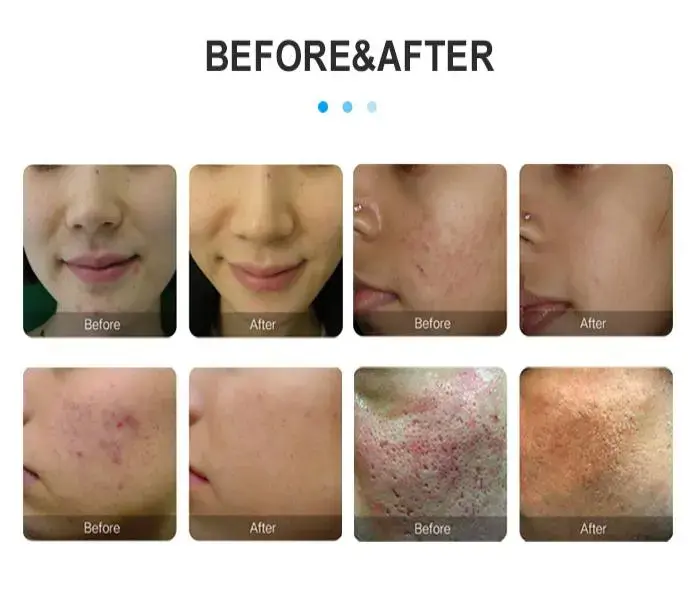
Different aging concerns respond differently to microneedling modalities, and understanding these nuances helps patients make informed treatment decisions. For wrinkle reduction, particularly deep-set expression lines around the eyes, mouth, and forehead, RF microneedling demonstrates markedly superior efficacy. The thermal energy delivered by an rf microneedling machine reaches the reticular dermis where mature collagen resides, effectively remodeling existing fibers while stimulating production of new, organized collagen bundles. This results in sustained wrinkle reduction that improves progressively over three to six months post-treatment. Traditional microneedling may soften fine lines but lacks the depth and thermal activation necessary for addressing deeper wrinkles. For skin laxity and loss of firmness, RF technology provides the only microneedling option capable of generating meaningful improvement. The controlled heating effect creates immediate tissue contraction followed by long-term collagen tightening that can lift and firm sagging skin on the lower face, jawline, neck, and even body areas like the abdomen and inner thighs. Regarding scar revision and textural improvement, both modalities offer benefits, but RF microneedling accelerates results and treats more severe scarring. Acne scars, particularly deep ice-pick and boxcar scars, respond better to RF treatment because the thermal energy breaks down rigid scar tissue while promoting organized collagen replacement. For hyperpigmentation and sun damage, traditional microneedling combined with topical treatments works well, though RF technology can enhance penetration and efficacy of skin-brightening agents. Pore size reduction and overall skin texture refinement benefit from both approaches, though the more aggressive collagen remodeling achieved with rf microneedling machine treatments typically produces more dramatic improvement in fewer sessions.
-
Treatment Sessions and Results Timeline
The number of treatment sessions required and the timeline for seeing results differ between traditional and RF microneedling, factors that significantly impact patient satisfaction and treatment planning. Traditional microneedling typically requires a series of four to eight sessions spaced four to six weeks apart to achieve optimal results for aging skin concerns. Improvements appear gradually, with most patients noticing visible changes in skin texture and tone beginning around the fourth or fifth treatment session. The progressive nature of traditional microneedling makes it suitable for patients who prefer subtle, incremental improvement and are committed to multiple treatments over several months. RF microneedling delivers results more quickly and typically requires fewer sessions to achieve comparable or superior outcomes. Most patients see visible improvement after just one to three treatments with an advanced rf microneedling machine, though a complete protocol usually consists of three to four sessions spaced four to six weeks apart. The combination of immediate tissue contraction from RF energy and accelerated collagen remodeling produces noticeable firming and smoothing effects within two to four weeks of the initial treatment. Results continue improving for three to six months as new collagen matures and remodels. For patients seeking efficient treatment with minimal time commitment, RF microneedling offers significant advantages. The ability to achieve dramatic results in fewer sessions also makes RF technology more cost-effective despite higher per-session pricing, particularly for individuals with significant aging concerns requiring aggressive intervention.
Advanced RF Microneedling Machine Features
Professional-grade rf microneedling machine technology has evolved dramatically, incorporating sophisticated features that enhance both treatment efficacy and patient comfort. Modern systems utilize insulated needles that protect the epidermis from thermal damage while delivering concentrated RF energy precisely to targeted dermal depths. This insulation technology minimizes surface trauma, reduces downtime, and allows for safer treatment of all skin types, including darker skin tones that historically faced higher risk of complications with heat-based procedures. The bipolar RF configuration ensures uniform energy distribution and consistent heating patterns, eliminating hot spots and reducing the risk of burns or uneven results. Advanced devices feature multiple treatment cartridges optimized for different anatomical areas and skin concerns. A typical professional rf microneedling machine includes 12-pin cartridges for delicate areas like the periorbital region and upper lip, 24-pin cartridges for facial rejuvenation and neck lifting, and 40-pin cartridges for body applications including stretch mark removal and skin tightening on the abdomen, thighs, and arms. Some systems also incorporate nanoneedle fractional RF tips that deliver thermal energy without mechanical penetration, ideal for patients with low pain tolerance or those seeking treatment with absolutely no downtime. The availability of multiple applicators allows practitioners to customize each treatment session, addressing diverse concerns comprehensively in a single appointment while optimizing patient comfort and safety throughout the procedure.
-
Integrated Cooling and Comfort Technologies
Patient comfort represents a critical consideration in aesthetic procedures, and modern rf microneedling machine designs incorporate advanced features to minimize discomfort and enhance the treatment experience. Most professional systems include integrated cooling mechanisms such as semiconductor cooling systems that regulate device temperature and prevent excessive heat accumulation. Some devices feature specialized ice compress attachments or cooling hammers that can be applied before, during, and after treatment to reduce tissue temperature, minimize swelling, constrict blood vessels, and significantly decrease pain perception. These cooling technologies are particularly valuable when treating sensitive areas or when using more aggressive treatment parameters for challenging skin concerns. Topical anesthetic creams applied thirty to sixty minutes before treatment provide excellent pain control for most patients, allowing comfortable treatment even at deeper needle depths and higher RF power settings. The combination of pre-treatment numbing, integrated device cooling, and advanced needle technology makes RF microneedling remarkably well-tolerated despite its intensive nature. Many patients report that the procedure feels like mild heat and pressure rather than pain, particularly when compared to more aggressive resurfacing treatments like deep chemical peels or ablative laser procedures. The minimal discomfort associated with modern RF microneedling contributes to high patient satisfaction rates and encourages consistent follow-through with recommended treatment protocols.
-
Technical Specifications and Performance
Understanding the technical capabilities of professional rf microneedling machine equipment helps aesthetic practitioners select appropriate devices and develop optimal treatment protocols. High-quality RF microneedling systems operate at radiofrequency frequencies of 1-2 MHz, which provides effective tissue heating at therapeutic depths without causing superficial damage. Power output typically ranges from 10W to 300W, allowing precise adjustment based on treatment area, skin thickness, and desired aggressiveness. The ability to modulate power output ensures safe treatment across diverse patient populations while enabling customization for specific clinical indications. Needle penetration depth adjustment represents another critical specification, with professional devices offering depths from 0.2mm to 7mm or even 8mm for specialized body applications. This extensive range allows treatment of everything from superficial textural concerns to deep dermal and subdermal laxity. Advanced systems feature both single-pulse and dual-pulse modes, with dual-pulse capability particularly valuable when treating at depths exceeding 4mm, as it ensures adequate thermal delivery throughout the entire needle track. Display interfaces have evolved to include large touchscreen controls (typically 10.4 inches or larger) that allow intuitive operation and real-time monitoring of treatment parameters. These user-friendly interfaces incorporate preset treatment programs for common indications while allowing complete customization for complex cases, ensuring optimal results regardless of patient presentation or practitioner experience level.
Safety, Side Effects, and Downtime Considerations
Safety considerations differ between traditional and RF microneedling, though both procedures boast excellent safety profiles when performed by trained professionals using appropriate techniques and equipment. Traditional microneedling carries minimal risk, with the most common side effects including temporary redness, mild swelling, and slight skin sensitivity lasting twenty-four to forty-eight hours. The superficial nature of mechanical needling limits potential complications, making it suitable even for patients with sensitive skin or those new to aesthetic procedures. Proper technique and sterile needle cartridges eliminate risks of infection or cross-contamination. RF microneedling involves additional considerations due to the thermal component of treatment. When performed with a professional rf microneedling machine by an experienced practitioner, the procedure remains exceptionally safe, but patients may experience slightly more pronounced initial side effects including moderate redness, swelling, and warmth that typically resolve within two to four days. The thermal energy delivery creates controlled inflammation necessary for collagen remodeling, which may manifest as visible redness more intense than traditional microneedling. Rare complications can include temporary hyperpigmentation, particularly in darker skin types if excessive heat is applied, or mild superficial burns if device parameters are set inappropriately. However, modern RF systems incorporate multiple safety mechanisms including temperature monitoring, automatic shut-off features, and error alerts that maintain secure operation and minimize complication risks. When treatment parameters are properly adjusted for individual skin characteristics and appropriate cooling protocols are implemented, RF microneedling demonstrates an outstanding safety record across all skin types and tones.
-
Post-Treatment Care and Recovery
Proper post-treatment care significantly influences both comfort during recovery and final treatment outcomes. Following traditional microneedling, patients should avoid direct sun exposure, heavy exercise, and harsh skincare products for forty-eight hours. Gentle cleansing, abundant hydration with quality moisturizers, and consistent sunscreen application support healing and optimize results. Most patients return to normal activities immediately or within one day, with makeup application permitted after twenty-four hours to cover any residual redness. RF microneedling requires slightly more attentive post-treatment care due to the deeper thermal effect on tissues. Patients should expect mild to moderate redness and possible swelling for two to four days, though some individuals with sensitive skin may experience visible effects for up to one week. Cold compresses, gentle skincare products free from irritants, and consistent broad-spectrum sunscreen (SPF 50 or higher) remain essential. Avoiding strenuous exercise, saunas, hot tubs, and excessive heat exposure for three to five days prevents complications and supports optimal healing. Most patients resume work and normal activities within twenty-four to forty-eight hours, with makeup application typically permitted after twenty-four hours. The slightly longer recovery associated with rf microneedling machine treatments is offset by superior results and fewer required sessions, making the trade-off worthwhile for most patients seeking aggressive improvement in aging skin.
Clinical Applications and Ideal Candidates
RF microneedling technology treats a remarkably broad spectrum of aesthetic concerns, making it one of the most versatile procedures in modern aesthetic practice. For facial rejuvenation, an advanced rf microneedling machine effectively addresses fine lines, wrinkles, skin laxity, enlarged pores, uneven texture, acne scarring, and hyperpigmentation. The treatment excels at non-surgical face lifting, particularly for mild to moderate jowling, loose skin along the jawline and lower face, and early neck aging. The precision and depth control capabilities allow safe, effective treatment of delicate areas including the periorbital region, where it reduces crow's feet, tightens crepey eyelid skin, and improves under-eye texture. Beyond facial applications, RF microneedling demonstrates exceptional efficacy for body contouring and skin tightening. Common body treatment areas include the neck and décolletage for horizontal lines and crepey texture, the abdomen for stretch marks and loose skin following pregnancy or weight loss, inner thighs and arms for laxity and dimpled texture, and even hands for rejuvenation of aging skin. The technology's ability to penetrate deeply and deliver concentrated thermal energy makes it uniquely effective for these challenging body concerns that traditionally required surgical intervention. For aesthetic practices, dermatology clinics, and medical spas, incorporating professional rf microneedling machine technology expands treatment capabilities and allows providers to address diverse patient needs comprehensively.
-
Patient Selection and Contraindications
While RF microneedling suits most patients seeking skin rejuvenation, careful patient selection ensures optimal safety and results. Ideal candidates include individuals with mild to moderate skin laxity, visible signs of aging including wrinkles and textural changes, acne scarring or other forms of scarring, stretch marks, enlarged pores, and uneven skin tone or texture. The treatment works effectively across all skin types and tones, including darker skin that may be at higher risk for complications with other energy-based devices, provided appropriate treatment parameters are selected and adequate cooling protocols are implemented. Patients should have realistic expectations, understanding that while RF microneedling produces significant improvement, it cannot replicate the dramatic results of surgical facelift or body contouring procedures. Contraindications for RF microneedling include active skin infections or inflammation in the treatment area, active acne breakouts, history of keloid scarring, current use of isotretinoin (Accutane), pregnancy or breastfeeding, presence of metal implants or pacemakers in the treatment area, and certain autoimmune conditions affecting wound healing. Patients with unrealistic expectations or those seeking immediate dramatic results may be better suited to alternative procedures. A thorough consultation with assessment of medical history, current medications, skin type and condition, and aesthetic goals ensures appropriate patient selection and treatment planning. When properly selected and treated with an advanced rf microneedling machine, patients experience high satisfaction rates and significant improvement in their aesthetic concerns.
Investment Considerations and Long-Term Value
Cost considerations influence treatment decisions, and understanding the financial aspects of traditional versus RF microneedling helps patients make informed choices aligned with their budgets and aesthetic goals. Traditional microneedling typically costs between $150 and $400 per session depending on geographic location, provider expertise, and treatment area size. With most protocols requiring four to eight sessions for optimal results, total treatment investment ranges from $600 to $3,200 or more. While more affordable per session, the need for multiple treatments over extended timeframes can make traditional microneedling less cost-effective for patients seeking aggressive improvement in aging skin. RF microneedling commands higher per-session fees, typically ranging from $600 to $1,500 per treatment depending on treatment area, device technology, and provider qualifications. However, most patients achieve their desired results with just three to four sessions, bringing total treatment investment to approximately $1,800 to $6,000. When evaluated on a per-result basis rather than per-session cost, RF technology often proves more economical despite higher initial pricing. The superior efficacy of rf microneedling machine treatments means fewer sessions required, less time commitment, and faster achievement of aesthetic goals. Additionally, results from RF microneedling tend to last longer than traditional microneedling outcomes, as the deeper structural remodeling creates more durable improvement. Many patients find that RF microneedling results remain visible for twelve to eighteen months or longer with proper skincare maintenance, whereas traditional microneedling may require more frequent touch-up treatments to maintain results.
-
Return on Investment for Practices
For aesthetic practices, medical spas, and dermatology clinics, investing in professional rf microneedling machine technology represents a strategic decision with significant return-on-investment potential. High-quality RF microneedling systems typically range from $15,000 to $45,000 depending on brand, features, and included accessories. While this represents a substantial capital investment, the equipment enables practices to offer premium services commanding higher fees while delivering superior patient outcomes that drive referrals and repeat business. The versatility of RF microneedling technology—treating face, neck, and body concerns with a single device—maximizes equipment utilization and revenue generation potential. Practices can typically recoup their equipment investment within six to twelve months through direct treatment revenue, assuming reasonable patient volume and appropriate fee structuring. Beyond direct revenue, offering advanced rf microneedling machine technology positions practices as leaders in aesthetic innovation, attracts quality-conscious patients willing to invest in premium treatments, and creates opportunities for comprehensive treatment packages combining RF microneedling with complementary procedures. The ability to treat diverse concerns from anti-aging to acne scarring to body contouring expands patient demographics and increases practice revenue streams. For practices considering equipment acquisition, prioritizing devices from reputable manufacturers with robust warranties, comprehensive training programs, and reliable technical support ensures optimal long-term value and minimizes operational disruptions.
Conclusion
When comparing microneedling versus RF microneedling for aging skin, radiofrequency-enhanced technology consistently demonstrates superior efficacy, efficiency, and long-term value. An advanced rf microneedling machine delivers comprehensive rejuvenation addressing both superficial imperfections and deeper structural concerns through combined mechanical and thermal mechanisms. For patients seeking meaningful improvement in aging skin with minimal downtime and fewer treatment sessions, RF microneedling represents the optimal choice in modern aesthetic medicine.
Cooperate with Xi'an Taibo Laser Beauty Company
Partner with Xi'an Taibo Laser Beauty Company, a leading China rf microneedling machine manufacturer with over 15 years of professional expertise. As a trusted China rf microneedling machine supplier and China rf microneedling machine factory, we export high-quality rf microneedling machine equipment to over 180 countries worldwide. Our advanced technology includes Morpheus 8 systems with adjustable depths up to 7mm, multiple treatment cartridges, and comprehensive CE and ISO13485 certifications. We offer competitive rf microneedling machine price options, extensive rf microneedling machine for sale inventory, and comprehensive OEM/ODM customization services. As a premier China rf microneedling machine wholesale provider, we support global distributors with exclusive territory rights, professional training programs, two-year warranties, and 24-hour technical support. Contact our team at susan@taibobeauty.com to discuss partnership opportunities, receive detailed product specifications, and discover why aesthetic professionals worldwide choose Taibo as their exclusive rf microneedling machine supplier.
References
1. Gold, M. H., & Biron, J. (2020). Efficacy of a Novel Combination Radiofrequency and Targeted Pressure Technology for the Treatment of Facial Wrinkles. Journal of Cosmetic Dermatology.
2. Lee, S. J., Kim, J. I., Yang, Y. J., Nam, J. H., & Kim, W. S. (2013). Treatment of Periorbital Wrinkles with a Novel Fractional Radiofrequency Microneedle System in Dark-Skinned Patients. Dermatologic Surgery.
3. Alster, T. S., & Graham, P. M. (2018). Microneedling: A Review and Practical Guide. Dermatologic Surgery: Official Publication for American Society for Dermatologic Surgery.
4. Elman, M., Harth, Y., & Shapiro, H. (2019). A Novel Radiofrequency Microneedling Technology for Skin Rejuvenation: Safety and Efficacy Profile. Journal of Drugs in Dermatology.





YOU MAY LIKE