
Laser Hair Regrowth Machine Features: What to Look For in 2026
2026-01-15 09:12:39
Imagine walking into your clinic every day, watching clients leave disappointed because traditional hair loss treatments aren't delivering the results they desperately need. Hair thinning and baldness affect millions worldwide, causing not just physical changes but profound emotional distress. In 2026, the laser hair regrowth machine represents a breakthrough solution that addresses this pain point with scientifically-backed, non-invasive technology. This comprehensive guide will walk you through the essential features to consider when selecting a laser hair regrowth machine, ensuring you invest in equipment that delivers real results for your clients while building a profitable, trusted practice.
Understanding Low-Level Laser Therapy Technology in Hair Regrowth Machines
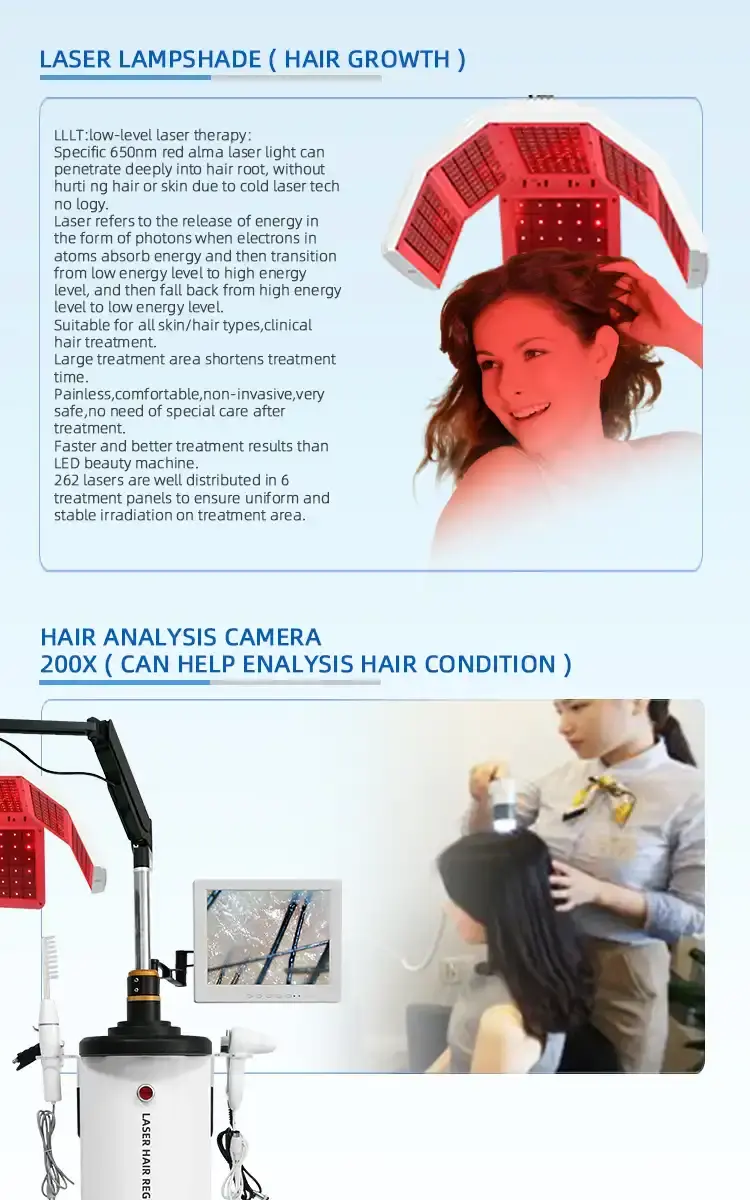
The foundation of any effective laser hair regrowth machine lies in its application of Low-Level Laser Therapy (LLLT), a scientifically validated approach that has transformed hair restoration treatments. When evaluating machines in 2026, understanding the core technology becomes paramount. The most effective laser hair growth machine utilizes a 650nm wavelength, which has been extensively researched for its ability to penetrate the scalp surface without generating heat or causing skin damage. This specific wavelength stimulates cellular activity at the follicular level, creating an environment conducive to hair regeneration. The mechanism behind LLLT involves photobiomodulation, where laser energy interacts with mitochondria in hair follicle cells. This interaction triggers increased production of adenosine triphosphate (ATP), the cellular energy currency that powers metabolic processes. With radiant exposures between 0.12 and 0.36 J/cm², the 650nm laser temporarily increases skin blood flow by up to 55%, delivering essential nutrients like ATP to weakened follicles while simultaneously removing harmful waste products such as dihydrotestosterone (DHT), a hormone linked to pattern baldness. The laser hair regrowth machine essentially revitalizes dormant follicles, transforming them from weakened, miniaturized structures into healthy ones capable of producing thick, vibrant hair.
Critical Wavelength and Power Specifications
When selecting a laser hair regrowth machine for professional use, the technical specifications demand careful scrutiny. The optimal wavelength remains 650nm, as this falls within the visible red spectrum where maximum biological effectiveness occurs. However, wavelength alone doesn't determine treatment success—laser power output plays an equally crucial role. Professional-grade machines should feature multiple diode lasers, ideally 262 individual laser lights, each operating at approximately 10mW power output. This configuration ensures comprehensive scalp coverage and uniform energy distribution across treatment areas. The power specification of 200W total system power indicates a robust device capable of sustaining consistent treatment protocols. Unlike consumer-grade devices that may feature fewer, less powerful diodes, professional laser hair growth machines must deliver therapeutic doses reliably across extended treatment sessions, typically lasting 60 minutes. The combination of proper wavelength, adequate power output, and sufficient laser diode quantity creates the therapeutic window necessary for clinical efficacy. Machines lacking these specifications may produce suboptimal results, disappointing clients and damaging your practice's reputation.
Treatment Modes and Frequency Settings
Advanced laser hair regrowth machines in 2026 offer multiple operational modes, allowing practitioners to customize treatments based on individual client needs. Look for devices providing frequency options including 30Hz, 50Hz, 70Hz, and 90Hz settings. These varying frequencies enable practitioners to adjust treatment intensity and cellular response patterns. Lower frequencies may prove gentler for sensitive scalps or initial treatments, while higher frequencies can intensify therapeutic effects for clients requiring more aggressive intervention. The ability to modulate treatment frequency represents a significant advancement over earlier, single-mode devices. Different stages of hair loss respond variably to photobiomodulation, and clients with distinct scalp conditions—from overly dry to excessively oily—benefit from customized frequency protocols. A versatile laser hair regrowth machine equipped with multiple frequency settings empowers practitioners to develop personalized treatment plans, enhancing outcomes and client satisfaction. This flexibility also supports combination therapies, where LLLT complements other hair restoration approaches like topical treatments or post-transplant recovery protocols.
Essential Safety Features and Quality Certifications
Safety considerations must dominate your equipment selection process, particularly when investing in medical-aesthetic technology. The laser hair regrowth machine you choose should incorporate comprehensive safety mechanisms protecting both clients and operators. Overheat protection stands as a fundamental requirement—devices must automatically shut down when internal temperatures exceed safe thresholds, preventing potential burns or equipment damage. An integrated cooling system maintains comfortable temperatures throughout 60-minute treatment sessions, ensuring client comfort and consistent laser performance. User-friendly interfaces minimize operational errors, a critical consideration when multiple staff members operate the equipment. Intuitive controls with clear indicators help practitioners maintain treatment protocols accurately. Built-in timers ensure treatments deliver optimal therapeutic doses without under or over-exposure. These safety features, combined with ergonomic design, create a professional treatment environment that inspires client confidence and supports practice efficiency.
International Certifications and Compliance Standards
Professional laser hair growth machines must meet rigorous international safety and quality standards. When evaluating equipment in 2026, verify that devices carry CE certification, confirming compliance with European health, safety, and environmental protection standards. ISO13485 certification specifically addresses medical device quality management systems, ensuring manufacturers maintain consistent production standards and quality control processes. These certifications aren't merely bureaucratic formalities—they represent verified commitments to product safety and efficacy. Additional certifications including SGS verification, EMC (Electromagnetic Compatibility) compliance, and LVD (Low Voltage Directive) adherence further validate equipment quality. Machines certified under these standards undergo extensive testing to ensure they operate safely within electromagnetic environments and maintain electrical safety parameters. For practices serving international clientele or considering export markets, Hague certification and certificates of origin provide additional credibility. Manufacturers currently pursuing FDA certification and medical CE approval demonstrate ongoing commitment to meeting the highest regulatory standards, positioning your practice at the forefront of compliant, trustworthy hair restoration services.
Advanced Diagnostic and Treatment Accessories
Modern laser hair regrowth machines extend far beyond simple laser emission devices. Comprehensive systems in 2026 integrate multiple accessories that enhance diagnostic capabilities and treatment effectiveness. A high-quality hair analysis camera with 200X magnification capability allows practitioners to conduct detailed scalp and hair assessments before initiating treatment. This diagnostic tool identifies specific hair quality issues, follicle health, and scalp conditions, enabling practitioners to develop targeted treatment strategies and document progress through comparative imagery. The oxygen jet spray gun represents another valuable accessory, using pressurized delivery to drive hair restoration products directly into scalp tissue. This technology activates necrotic cell tissue, promoting collagen and elastic fiber regeneration. When combined with the photobiomodulation effects of the laser hair growth machine, the oxygen jet spray enhances product absorption and accelerates cellular recovery. High-frequency electrotherapy and ozone comb attachments provide sterilization and disinfection benefits while promoting acne healing, regulating sebum secretion, and strengthening hair regeneration capacity through improved metabolism and lymphatic circulation.
Photon Therapy and Comprehensive Treatment Protocols
Photon therapy brushes complement laser treatments by providing therapeutic massage that stimulates the scalp, activates cellular function, and promotes cranial blood circulation. These multi-modal approaches address hair loss through various mechanisms simultaneously, creating synergistic effects that surpass single-modality treatments. When evaluating a laser hair regrowth machine, consider whether the system supports comprehensive treatment protocols or focuses narrowly on laser emission alone. Integrated systems offering multiple therapeutic modalities provide greater clinical flexibility and enhanced value propositions for clients. The combination of LLLT with accessory treatments allows practitioners to address diverse client needs within single sessions. Clients experiencing androgenetic alopecia benefit from DHT reduction and follicle stimulation, while those with scalp inflammation or seborrheic conditions receive targeted interventions addressing underlying causes. This comprehensive approach transforms the laser hair regrowth machine from a single-purpose device into a complete hair restoration platform, justifying premium pricing and fostering client loyalty through superior results.
Clinical Efficacy and Expected Treatment Outcomes
Understanding realistic treatment outcomes helps practitioners set appropriate client expectations while demonstrating the laser hair growth machine's value. Clinical data indicates that properly administered LLLT treatments stop hair loss in approximately 85% of patients, a remarkable success rate that positions this technology as a primary intervention rather than a supplementary option. Beyond halting further loss, treatments increase scalp blood flow by up to 55%, directly correlating with improved follicle health and hair growth in follicles still capable of production. Individual hair shaft thickness increases by approximately 25% per hair, creating substantially fuller, more voluminous appearance even when total hair count remains stable. This thickening effect addresses one of clients' primary concerns—visible scalp showing through thinning hair. The laser hair regrowth machine also relieves itchy scalp conditions, regulates sebaceous gland activity for clients with excessively dry or oily scalps, and repairs damaged hair shafts. For clients undergoing hair transplant procedures, incorporating LLLT significantly decreases recovery time and improves transplanted follicle survival rates, making these machines valuable additions to surgical hair restoration practices.
Treatment Duration and Protocol Considerations
Effective LLLT protocols typically require 60-minute treatment sessions, delivered consistently over extended periods. When selecting a laser hair regrowth machine, ensure the device supports sustained operation at therapeutic parameters throughout full-duration sessions without performance degradation. The treatment timeline for visible results generally spans several months, with initial improvements appearing around the three-month mark and progressive enhancement continuing through six to twelve months of regular treatments. This extended timeline requires practitioners to educate clients about realistic expectations and treatment commitment. However, the non-invasive, painless nature of LLLT treatments supports high compliance rates. Clients can relax comfortably during sessions, often reading, using mobile devices, or simply resting. The absence of pain, downtime, or recovery periods makes the laser hair growth machine an attractive option for busy professionals seeking effective hair restoration without lifestyle disruption. Positioning treatments as relaxing, therapeutic sessions rather than medical procedures enhances client experience and supports consistent attendance.
Practical Considerations for Professional Implementation
Beyond technical specifications and clinical efficacy, practical factors influence the laser hair regrowth machine's value within your practice. Physical dimensions matter—devices measuring approximately 107cm x 63cm x 46cm require dedicated treatment space with adequate clearance for client comfort and operator access. Weight considerations, typically around 45kg for professional systems, affect installation and potential relocation. Ensure your treatment rooms can accommodate these specifications while maintaining a professional, welcoming environment. Power supply compatibility represents another practical consideration. Quality machines accommodate wide voltage ranges (AC 100-240V), ensuring compatibility across international markets and eliminating concerns about electrical incompatibility. This flexibility proves particularly valuable for practices with multiple locations or those considering expansion into different regions. The universal power compatibility of modern laser hair regrowth machines simplifies procurement and installation while supporting business scalability.
Staff Training and Operational Integration
Successful implementation requires comprehensive staff training on device operation, treatment protocols, and client consultation techniques. Seek manufacturers offering detailed instructional materials, training videos, and hands-on support during initial implementation phases. Video call training sessions allow your team to achieve operational competency before treating clients, minimizing risks and building confidence. The learning curve for operating modern laser hair growth machines remains relatively modest, particularly with user-friendly interfaces, but dedicated training ensures optimal results and professional service delivery. Integration into existing service menus requires strategic positioning. LLLT hair restoration can function as a standalone offering or complement existing services like scalp treatments, nutritional counseling for hair health, or post-surgical care. Consider package pricing that encourages treatment commitment while providing accessible entry points for new clients. The recurring revenue potential from LLLT treatments—requiring multiple sessions over extended periods—creates stable income streams that support practice growth and financial predictability.
OEM Services and Customization Options
For practices seeking brand differentiation or those operating as distributors, OEM (Original Equipment Manufacturer) services provide valuable customization opportunities. Leading manufacturers of laser hair regrowth machines, particularly those with extensive production experience, offer comprehensive OEM support including custom branding, logo integration, color customization, and even language interface modifications. These services enable you to offer branded equipment that reinforces your practice identity and creates market distinction. Customization extends beyond superficial branding to include technical modifications addressing specific market needs or regulatory requirements. Manufacturers with robust R&D capabilities and diverse production departments can accommodate specialized requests, from modified treatment protocols to enhanced safety features required in particular jurisdictions. When evaluating laser hair growth machine suppliers, inquire about OEM capabilities, minimum order quantities for customization, and support services accompanying customized equipment. Manufacturers offering flexible OEM terms demonstrate commitment to partnership rather than transactional sales relationships.
Warranty Coverage and After-Sales Support
Warranty terms provide insight into manufacturer confidence and long-term support commitment. Standard one-year warranties covering manufacturing defects and component failures represent baseline protection, but leading manufacturers often extend coverage to two years for laser equipment. Comprehensive warranties should cover free parts replacement for non-human-caused failures, ensuring your investment remains protected against premature equipment degradation. Beyond warranty coverage, after-sales support quality determines long-term satisfaction with your laser hair regrowth machine purchase. Evaluate manufacturers' support infrastructure including response times, communication channels, and technical expertise. Professional manufacturers maintain dedicated after-sales teams providing 24-hour support, ensuring problems receive prompt attention regardless of time zones or business hours. Access to detailed troubleshooting resources, spare parts availability, and ongoing technical consultation supports sustained equipment performance and minimizes treatment interruptions that could disappoint clients and damage your reputation.
Conclusion
Selecting the right laser hair regrowth machine in 2026 requires balancing technical specifications, safety certifications, clinical efficacy, and practical implementation factors. Prioritize devices offering 650nm wavelength, adequate power output, comprehensive accessories, and proven safety features backed by international certifications.
Cooperate With Xi'an Taibo Laser Beauty Company
As a China laser hair regrowth machine manufacturer with over 15 years of production and export experience, Xi'an Taibo Laser Beauty Company stands as your trusted partner for high-quality laser hair regrowth machine solutions. Our factory, established in 2009, combines advanced R&D capabilities with comprehensive production facilities, delivering equipment to over 180 countries worldwide. As a leading China laser hair regrowth machine supplier, we offer competitive laser hair regrowth machine price points without compromising quality, making professional-grade equipment accessible for practices of all sizes.
Our high quality laser hair regrowth machine systems feature 650nm low-level laser technology with 262 laser diodes, advanced accessories including hair analysis cameras and photon therapy brushes, and comprehensive safety features including CE and ISO13485 certifications. As a premier China laser hair regrowth machine factory, we provide extensive OEM/ODM services, allowing you to customize equipment to your brand specifications. Whether you're seeking laser hair regrowth machine for sale for a single location or China laser hair regrowth machine wholesale opportunities for distribution networks, our flexible business models support your growth objectives.
We understand that investing in medical-aesthetic equipment represents a significant commitment. That's why we offer two-year warranties, 24-hour technical support, free training via video calls and detailed instructional materials, and on-site installation for bulk purchases. Our professional packaging ensures safe delivery worldwide through multiple transportation options including air, sea, rail, and express services. Every interaction with our team reflects our commitment to efficiency, safety, quality, and reputation—the four pillars supporting our market leadership.
Don't let another day pass watching clients leave disappointed with ineffective hair loss solutions. Contact us today at susan@taibobeauty.com to discuss how our laser hair regrowth machine can transform your practice, attract new clients, and establish you as a leader in advanced hair restoration treatments. Save this article for future reference, and reach out whenever questions arise about specifications, customization options, or implementation strategies. Your success is our priority, and we're here to support your journey toward becoming the go-to destination for effective, professional hair regrowth treatments in your market.
References
1. Avci, P., Gupta, G.K., Clark, J., Wikonkal, N., and Hamblin, M.R. "Low-Level Laser (Light) Therapy (LLLT) for Treatment of Hair Loss." Lasers in Surgery and Medicine, 2014.
2. Lanzafame, R.J., Blanche, R.R., Bodian, A.B., Chiacchierini, R.P., Fernandez-Obregon, A., and Kazmirek, E.R. "The Growth of Human Scalp Hair Mediated by Visible Red Light Laser and LED Sources in Males." Lasers in Surgery and Medicine, 2013.
3. Jimenez, J.J., Wikramanayake, T.C., Bergfeld, W., Hordinsky, M., Hickman, J.G., Hamblin, M.R., and Schachner, L.A. "Efficacy and Safety of a Low-Level Laser Device in the Treatment of Male and Female Pattern Hair Loss: A Multicenter, Randomized, Sham Device-Controlled, Double-Blind Study." American Journal of Clinical Dermatology, 2014.
4. Zarei, M., Wikramanayake, T.C., Falto-Aizpurua, L., Schachner, L.A., and Jimenez, J.J. "Low Level Laser Therapy and Hair Regrowth: An Evidence-Based Review." Lasers in Medical Science, 2016.
5. Friedman, S., and Schnoor, P. "Novel Approach to Treating Androgenetic Alopecia in Females with Photobiomodulation (Low-Level Laser Therapy)." Dermatologic Surgery, 2017.





YOU MAY LIKE