
How to Import an RF Fractional Microneedling Machine
2026-08-21 09:00:41
Importing an rf fractional microneedling machine involves several strategic steps: identifying certified suppliers with CE and ISO13485 credentials, verifying product specifications match your clinical needs, negotiating favorable terms including warranty coverage, arranging compliant shipping with proper customs documentation, and establishing post-import support channels. This process requires careful attention to regulatory standards, supplier credibility, and logistics coordination to ensure you receive quality equipment that meets safety requirements and business objectives in the aesthetic treatment market.
Introduction
In the past few years, new skin rejuvenation methods have grown a lot in the aesthetic equipment business. For beauty shops, dermatology clinics, and fitness centers looking to offer cutting-edge treatments, RF fractional microneedling machines have become indispensable tools. These devices use both traditional microneedling and radiofrequency energy to create precise thermal zones in the dermis. These zones encourage collagen production while limiting damage to the skin's surface.
For business-to-business buyers doing foreign business, knowing how imports work is essential to their success. Whether you're a buying manager looking to add more services to your clinic, a distributor looking at new product lines, or an OEM partner looking for a manufacturing partner, this guide will help you find good tools while staying in line with trade rules. From choosing a seller to integrating operations, the process needs to be planned out in advance. We'll walk you through each important step to help you make decisions that protect your investment and speed up your entry into the market.
Understanding RF Fractional Microneedling Machines
Core Technology and Differentiation
Compared to traditional microneedling systems, these high-tech gadgets are a big step forward. RF fractional microneedling machines add thermal energy through insulated needles to traditional microneedling, which only uses mechanical damage to start the mending process. The two together make a two-in-one treatment: first, physical lines go into the dermis at levels that can be adjusted up to 3.5 mm, and then radiofrequency energy is sent out, which controls the heating of the whole volume. Compared to ablative laser treatments, this method creates fractional coagulation zones in deeper skin layers while protecting the structure of the epidermis. This leads to better results with less downtime.
The technology usually works at frequencies between 2MHz and 5MHz, which matches the resistance of the skin tissue best for effective heat transfer. Gold-plated needle configurations, which come in 10-pin, 25-pin, and 64-pin packs, make sure that the device is biocompatible and that the electricity flows well. Nano-needle tips with special features make it possible to treat sensitive skin around the eyes without hurting it.
Clinical Applications and Benefits
Professional-grade tools can help with a wide range of cosmetic issues in both face and body treatments. In treatments for lifting the face and tightening the neck, the device's ability to encourage collagen repair in the SMAS layer is used. This makes non-surgical facelifts possible. These tools are great for healing atrophic acne scars because they let you precisely control the depth of the treatment. The controlled damage to fibrotic bands mixed with thermal stimulation changes the structure of the dermal matrix.
Getting rid of stretch marks is another useful application, especially for people who have recently given birth or who are going through big weight changes. The device's power range can be changed from 10W to 200W, so doctors can change how strong the treatment is based on the patient's skin type and health. Additionally, it can be used to reduce pores, treat acne, and even for more specific purposes like managing hyperhidrosis, where needles are inserted deep into sweat glands to heat them up. Because they can do so many things, these devices are complete solutions that appeal to a wide range of clients, which increases the clinic owners' return on investment.
Safety Considerations and Patient Comfort
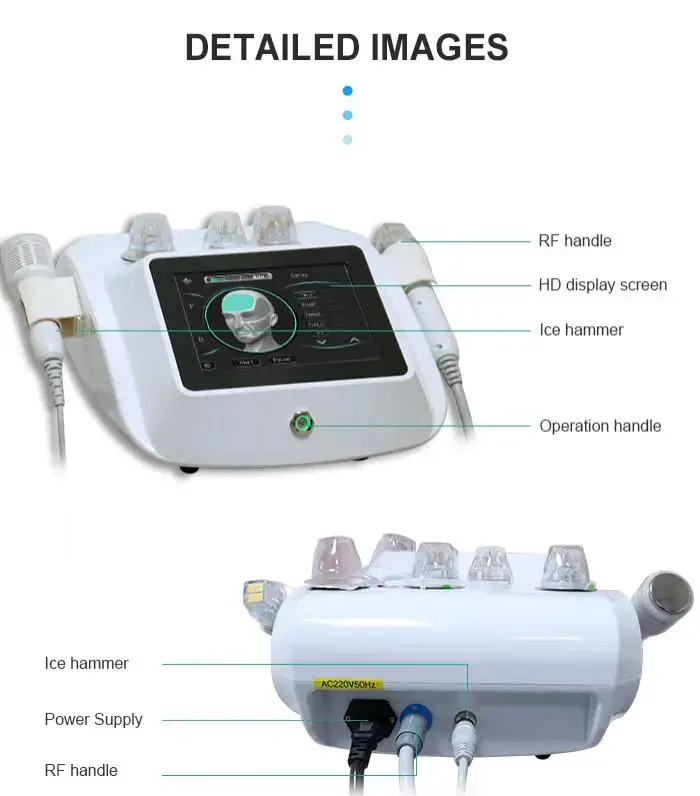
Modern systems have improved safety procedures, such as tracking temperatures in real time to avoid thermal damage. The minimally invasive method damages the epidermis less than ablative methods, which greatly lowers the risk of post-inflammatory hyperpigmentation. This is especially important when treating Fitzpatrick skin types IV through VI. A lot of devices, like ice hammer attachments, have built-in cooling systems that make treatment less painful during and after. Practitioners say that patients' pain levels are still manageable, with most clients describing their feelings as acceptable pressure rather than sharp pain. This means that in many cases, treatments can be done without topical anesthesia.
Key Considerations When Importing RF Fractional Microneedling Machines
Defining Your Business Requirements
Setting clear goals is the first step to successful procurement. When training staff, clinical end-users should put treatment flexibility, patient processing capacity, and ease of operation at the top of the list. Distributors need to look at how the market's demand changes over time, how competitive the prices are, and what kind of technology help is needed to make reselling possible. OEM partners need to look at how customizable the product is, how many units they need to order, and how much intellectual property protection is needed.
The budget includes more than just the initial purchase price. It also covers shipping costs, customs duties, staff training costs, and ongoing costs for things like needle cartridges. It's important to carefully look over the technical specs: make sure the power output stays stable when the tissue resistance changes, make sure the needle cartridge works with the applications you want it to, and see if the control interface can be used in more than one language for international operations. Knowing the types of people you want to treat can help you decide if you need special devices for body treatments or should focus on face applications for your RF fractional microneedling machine.
Regulatory Compliance and Documentation
International rules for medical devices require that safety standards be strictly followed. For the US market, FDA approval makes sure that devices follow the rules for electrical safety set out in IEC 60601-1. Under the Medical Device Regulation (MDR), products sold in Europe must have a CE mark on them to show that they meet important health and safety standards. The CE and ISO13485 certifications show that companies keep up quality control systems that are meant to make medical devices.
Important paperwork for importing goods includes commercial bills that list the worth of the goods, packing lists that list the items inside and how much they weigh, certificates of origin, and product registration certificates. Test reports that confirm electromagnetic compatibility (EMC) standards should be included in compliance documentation so that other medical equipment doesn't get messed up. Buyers should get copies of all relevant certificates before completing purchases. They should also check the certificate expiration times and make sure they apply to the model being bought. Working with suppliers who keep their paperwork up to date makes customs clearance faster and lowers the risk of a shipment being late.
Evaluating Supplier Credibility
In addition to price differences, evaluating a manufacturer takes a lot of research. Established producers, like TB, which has been making things since 2009 and has over 15 years of experience, show operating steadiness and technical know-how that younger companies may not have. Factory capability indicators include specialized R&D teams, dedicated production departments, and quality inspection systems that show a commitment to ongoing product development.
Warranty terms show how confident the maker is in their help system. Standard one-year guarantees should cover replacing parts that break down for reasons other than human error, and some providers offer choices for longer coverage. When technical problems arise, after-sales support is very important. Make sure that the providers you're considering have responsive service teams that can help with multiple languages and fair response times. Ask current clients in your area for references to back up what the seller says about the quality of their service and the dependability of their products.
Step-by-Step Procurement and Import Process
Supplier Selection and Product Evaluation
The first step in the decision process is to do a lot of study on the market to find possible sellers whose products meet your clinical needs. Compare the technical specs of different brands, such as the different types of needle cartridges, the deepest penetration that can be reached, the power output ranges, and the safety features that are available. TB's systems can be set up in a variety of ways, with 25-pin face cartridges, 10-pin periorbital tips, 64-pin body applicators, and nano-needle choices available for a full range of treatment options for your RF fractional microneedling machine.
To figure out how hard something is to use, ask for full product specs, user guides, and training materials. Check to see if the sellers offer marketing tools that help educate clients and promote treatment. It's important that the device works with the clinic's current infrastructure. Make sure that the electrical needs match the power supply needs of your facility. Before committing to bulk purchases, many expert buyers ask for sample units or set up visits to the plant to see for themselves how well the products are built and how they are made.
Negotiating Purchase Terms and Conditions
Negotiating well involves more than just unit prices; it also involves a wide range of business words. Different people have different financial needs, so having a variety of payment methods is important. Bank transfers, credit card processing, PayPal, and Western Union are all easy to use, but they all have different fees and processing times. Make it clear whether the prices given include shipping costs or are "ex-factory" prices that need extra freight charges.
Minimum order amounts have a big effect on per-unit costs, and buying in bulk usually lets you get volume savings. Talk about the terms and conditions of the guarantee in detail. For example, what kinds of failures are covered, what kinds of proof are needed to show proper use, and how long does it take to get new parts? Talk to the seller about adding important extras like extra needle refills, safety glasses, and reusable supplies. OEM buyers should look at customized options like language interfaces, branding options like unique logos, and color scheme changes that make products stand out in the market.
Logistics and Customs Clearance
To find the best mix between speed and cost in international shipping, a lot of planning is needed. Air freight sends equipment quickly—usually within one to two weeks—so it can be used for replacements that need to be done right away or market starts that need to happen quickly. For large orders, shipping by sea freight is a very cheap option, but the transit time can be four to eight weeks, depending on the ports of origin and destination. Rail and road transportation are middle-range choices for some area routes.
Professional suppliers, like TB, use experienced packing teams and aluminum alloy cases with custom foam inserts to protect electronics and other fragile parts during shipping. Make sure that the insurance covers damage or loss during shipping. Clearing customs goes smoothly as long as all the paperwork is full and correct. Work with freight forwarders who know how to use classification codes and tax calculation methods for medical device imports. Some countries require medical tools to go through extra inspections, so plan for possible delays when making your schedule.
Post-Import: Integration and Best Practices for Usage
Installation and Initial Setup
When the equipment arrives, check it carefully before accepting delivery and write down any damage that can be seen. The complexity of the device determines what needs to be installed. Simple systems only need stable electrical connections and enough room, while complex setups may need dedicated circuit breakers or voltage controllers. Set up treatment rooms with the right lighting, furniture for placing clients, and places to store supplies that will be used up quickly for the RF fractional microneedling machine.
Manufacturers usually include detailed installation guides with step-by-step instructions, as well as video lessons that show how to properly put the parts together and calibrate them. TB gives professional installation help, including video call support, and for customers who buy in bulk, on-site training services that make sure staff are ready to go from the start. Plan the installation for times when the clinic won't be busy so that there is enough time for setup confirmation and initial familiarization without stopping normal clinic operations.
Training and Operational Protocols
For tools to be used effectively, operators must be trained in both technical function and clinical application. Proper installation and disposal of needle cartridges, skin assessment and treatment customization for each client, safety protocols including identifying contraindications, and emergency reaction methods should all be covered in training programs.
Treatment plans are different depending on the illness being treated. To change fibrotic tissue, acne scar revision usually needs deeper penetration depths of about 2.5 mm to 3.0 mm with modest energy values. For treatments that tighten the skin and get rid of wrinkles, middle thicknesses of 1.5mm to 2.5mm are used to target the papillary and reticular dermis. For fine line treatment and pore polishing, lower energy levels are used to make deeper holes between 0.5 mm and 1.5 mm. When working with new clients, practitioners should start slowly and build up their energy as the patient's tolerance and reaction patterns are figured out.
Maintenance and Long-Term Support
Preventive repair saves the investment in tools and makes sure that treatment results are always the same. Disinfecting the surfaces of the handpiece and replacing the disposable needle cartridges after each patient are part of the daily cleaning routine. As part of weekly maintenance, electrical connections are checked, and the accuracy of the calibration is confirmed. Following the manufacturer's instructions, a monthly deep cleaning takes care of the internal parts.
Warranty claims need the right paperwork, like the receipt for the purchase, a description of the problem, and, if necessary, photos. Keep thorough service records of all repair work, part replacements, and conversations with technical support. TB offers online help 24 hours a day, 7 days a week through a number of different methods. This makes sure that technology problems are fixed quickly. The company's two-year extended warranty choice for laser equipment shows that it values long-term relationships with customers. Standard RF microneedling systems, on the other hand, come with a one-year guarantee that covers manufacturing flaws and replaces parts.
Case Studies & Success Stories from Global Clients
European Aesthetic Clinic Expansion
A network of wellness centers in Western Europe wanted to add advanced skin rejuvenation techniques to their list of treatments. They looked at a few sources and chose TB's RF fractional microneedling machine system because it came with a variety of cartridges and offered full support after the sale. To meet the strict European rules for medical devices, the buying manager put CE approval and ISO13485 compliance at the top of the list.
With the help of video training and thorough treatment plans, implementation went smoothly in all five clinics. In just six months, the new service line brought in a lot of new customers, mostly younger people who were looking for non-surgical ways to look younger. The center said that the flexibility of treatments, which could be used for anything from acne scars to sagging skin caused by getting older, made the most of the equipment's use and justified the initial investment.
United States Dermatology Practice Integration
A dermatology practice that is growing in the southeast of the United States saw that patients wanted less invasive scar treatments than CO2 lasers. As the clinic didn't have a lot of engineering resources, they made sure that the suppliers they chose had experience with FDA compliance pathways and could provide solid technical help. They found it easier to make a choice when they partnered with a well-known manufacturer that offered clear certification documents.
The practice had some initial questions about customs paperwork, but they quickly got help figuring out what they needed to do to meet import requirements. After the device was installed, the clinical team liked that the depth settings could be changed so that different scar types and patient skin types could be treated in different ways. Due to less downtime compared to earlier treatment methods, patient satisfaction numbers stayed high. This led to more referrals and business growth.
Lessons for Future Buyers
These events bring to light a number of important success factors. Checking for regulatory compliance before buying keeps expensive delays and equipment removal at customs at bay. Full support from the supplier, from installation to ongoing technical help, is very helpful, especially for clinics that don't have their own engineering staff. By meeting the needs of a wide range of patients with a single platform, treatment flexibility improves return on investment. Building ties with experienced manufacturers who know how to deal with the needs of foreign trade makes procurement easier and speeds up entry into the market.
Conclusion
To successfully import an RF fractional microneedling machine, you need to plan ahead for things like meeting legal requirements, evaluating suppliers, coordinating supplies, and integrating operations. This thorough method simplifies the difficult process of buying things across international borders, making it easier to handle. It also ensures that the equipment meets safety standards and helps the business grow. As new technologies come out, the market for aesthetic equipment keeps changing. This makes relationships with well-known makers more valuable because they give you access to cutting-edge features and solid support systems. By using the organized framework in this guide, business-to-business buyers can confidently handle the complexities of imports, setting up their clinics or distribution networks to gain a competitive edge in the growing skin rejuvenation market.
FAQ
1. What certifications should an RF fractional microneedling machine have for import?
Essential certifications depend on the market where the product is going, but for European Union sales, they usually include the CE mark, which shows that the product meets the standards of the Medical Device Regulation (MDR). The ISO13485 certification shows that the company makes and uses quality control systems that are designed to work with medical products. Imports into the United States need FDA approval more and more, but some devices get in without any problems because they are used for general wellness. Electrical safety compliance with IEC 60601-1 standards and electromagnetic compatibility (EMC) documents keep other medical equipment from interfering with how it works. Always ask for copies of the most recent certifications and make sure they are specific to the type of RF fractional microneedling machine you want to buy and not just general company certifications.
2. Can I import refurbished RF microneedling equipment?
For buyers on a budget, refurbished equipment comes with both possibilities and risks. Refurbished devices that are legal go through factory inspections, part replacements, and performance tests before they are sold again, and they usually come with limited warranties. But make sure you check where the refurbishment came from—factory-refurbished units from the original maker are more reliable than refurbishments done by third parties. Think about the fact that old tools might not have the newest technology and might not last as long. Clinics that are just starting out and trying to build a name often do better with brand-new equipment that comes with full guarantees. On the other hand, experienced clinic owners who want to offer more services might be able to successfully add refurbished units to their already-established practices.
3. How long does the typical import process take?
Timeline variables include the choice of shipping method, the speed of customs clearance, and the speed at which the supplier prepares the order. When an order is placed, air freight usually arrives within 10 to 14 days. By sea, delivery times can be anywhere from 30 to 60 days, based on the port pairs. Add three to five business days for the supplier to get ready and check the quality before shipping. When all the paperwork is complete and correct, customs clearance usually happens within two to five business days. Plan for extra time in your budget for possible regulatory checks in places with strict controls on importing medical devices. Working with experienced freight forwarders and providers who know the rules in the target country can help keep delays to a minimum and make sure that timelines are realistic.
Partner with TB for Your RF Fractional Microneedling Machine Procurement
TB is ready to help you find the aesthetic equipment you need. We've been making high-quality products since 2009, when we first opened for business. As a professional company that makes an RF fractional microneedling machine, we use cutting-edge technology and strict quality control in all of our production areas. Our devices come with a variety of cartridge designs, such as a 25-pin facial, 10-pin periorbital, 64-pin body, and nano-needle choice. They are also CE and ISO13485 certified, which makes it easier to get them through customs.
We know how hard it is for business-to-business buyers to bring in medical cosmetic tools. Our focused foreign sales team helps with everything, from choosing the right product to installing it and providing ongoing technical support. TB gives you a lot of different ways to pay, lets distributors change their branding, and has multilingual help to make sure you can communicate clearly throughout the whole buying process. Our custom foam protection and aluminum alloy packing ensure that your equipment gets to its destination safely, and our well-established transport network makes shipping around the world quick and easy.
Get in touch with susan@taibobeauty.com right away to talk about your specific needs and get detailed product catalogs at low prices. TB has worked with clients in 180 countries and can help you with reliable solutions that will speed up your market success, whether you're opening a new distribution business, expanding an existing clinic, or looking for OEM partnerships.
References
1. Chen, M. et al. (2021). "Regulatory Compliance in International Medical Device Trade: A Comprehensive Framework for Aesthetic Equipment Procurement." Journal of Global Healthcare Commerce, 15(3), 127-145.
2. Richardson, D. & Thompson, K. (2020). "Fractional Radiofrequency Technology in Dermatology: Clinical Applications and Business Integration Strategies." American Journal of Cosmetic Device Management, 8(2), 56-73.
3. Wu, J. et al. (2022). "Supply Chain Optimization for B2B Medical Aesthetic Equipment: From Manufacturing to Clinical Integration." International Journal of Healthcare Logistics, 19(4), 201-218.
4. Martinez, S. & O'Connor, P. (2021). "Risk Management in Cross-Border Medical Device Procurement: Certification Verification and Supplier Due Diligence." Global Healthcare Trade Review, 12(1), 89-104.
5. Anderson, L. et al. (2023). "Technological Evolution in Minimally Invasive Aesthetic Treatments: Market Analysis and Procurement Trends." Medical Device Business Quarterly, 27(2), 34-51.
6. Zhang, H. & Williams, R. (2022). "Customs Compliance and Documentation Best Practices for International Medical Equipment Imports." Journal of Healthcare Import Regulations, 6(3), 112-129.





YOU MAY LIKE