
How SHR Hair Removal Machine Benefits Beauty Salons
2026-09-30 00:00:00
To run a successful beauty shop, you need to keep up with new technology that makes clients feel good and keeps them coming back. It has become clear that the shaver Hair Removal Machine is the best thing for hairdressers who want to offer more services and make more money. This high-tech gadget combines the power of lasers with the adaptability of Intense Pulsed Light systems. It's a mix of the two that the SHR hair removal machine solves long-standing problems in the field of professional hair removal. This technology makes clients much less uncomfortable while permanently removing hair from almost all skin types. It does this by using low-fluence, high-repetition pulses that heat the skin gently instead of burning it with single high-energy bursts. The result is a treatment experience that keeps clients happy and pushes them to book again, which makes it an important piece of equipment for any modern beauty shop.
Understanding SHR Hair Removal Technology and Its Advantages for Beauty Salons
The Science Behind Super Hair Removal Technology
Super Hair Removal technology is a big step forward from the old ways of getting rid of hair. Usually, laser systems only send out one high-intensity pulse. This method, on the other hand, uses several low-energy pulses sent out at speeds of up to 10 Hz. The treatment works by slowly heating the skin layer to between 45°C and 50°C. This hurts hair follicles and their stem cells without shocking the nearby tissue with heat. This way of slowly heating things up affects both the melanin in hair shafts and the stem cells that make new hair. This stops the growth cycle at its source. For IPL uses, the technology uses a wide range of bands from 430nm to 750nm, as well as Nd: YAG wavelengths of 532nm, 755nm, 1064nm, and 1320nm. With this ability to use more than one range, professionals can tailor treatments to each client's hair color, thickness, skin tone, and how sensitive the treatment area is. The gadget turns light energy into controlled heat that targets the hair bulb, which is where the most melanin is found. This heat vaporizes the hair shaft and stops the cell from growing new hair.
Why SHR Outperforms Traditional Hair Removal Methods
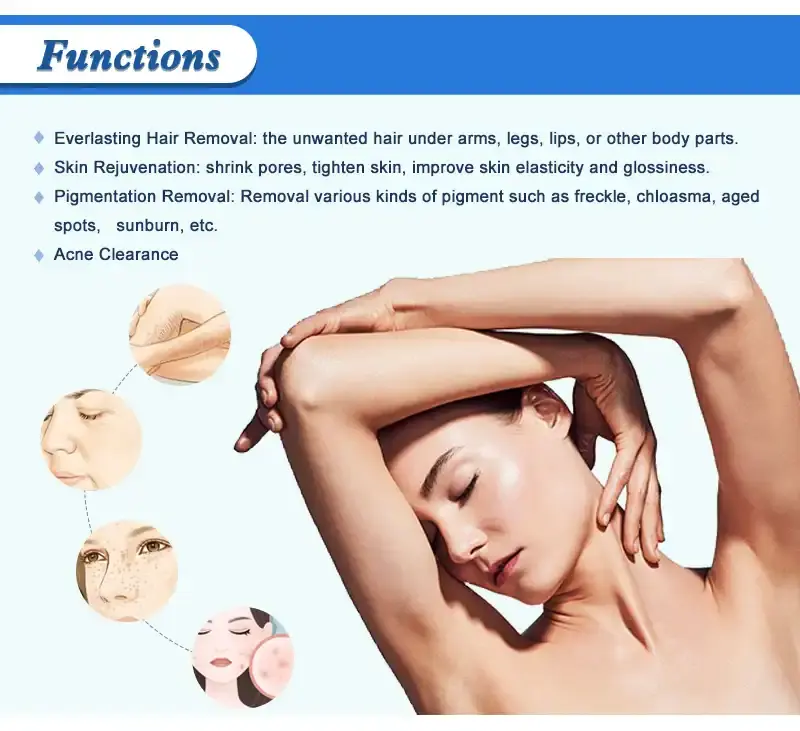
The benefits of this technology over older ones are big and have a direct effect on how the business works. People who have had traditional IPL and laser treatments say they hurt a lot and feel like a rubber band snaps against their skin. This sharp pain is gone with slow heating, which makes lessons much easier to handle. This comfort factor alone keeps clients coming back and cuts down on cancellations of appointments due to treatment nervousness. Also, safety profiles get a lot better. The water cooling and built-in crystal TEC cooling system keep the skin's surface temperature steady during treatment, which stops burns and reduces redness after treatment. Skin touch sensors built into the device make sure it only SHR hair removal machine s works when it is in the right place, which adds another layer of safety. These safety features have been approved by CE and ISO13485, which are worldwide standards that make salon owners and their customers feel better. The treatment can do more than just get rid of hair. Photorejuvenation processes on the same device help with pigmentation problems, sun damage, vascular sores, acne, rosacea, and overall skin renewal. This ability to do more than one thing means that hairdressers can provide a wide range of services without having to buy a lot of different tools. This saves money and space.
How SHR Hair Removal Machines Improve Operational Efficiency in Beauty Salons
Reducing Treatment Times and Increasing Client Throughput
In the beauty business, time is money. For big areas of the body, traditional laser hair removal sessions could last between 60 and 90 minutes, which would reduce the number of clients you can see each day. The in-motion delivery method changes this situation in a big way. When IPL is used, the 15x50mm spot size covers a lot of skin with each pass, and the high repeat rate lets the handpiece run smoothly across the skin, sending out many pulses. Full leg treatments that used to take 90 minutes now only take 30 to 45 minutes, based on real-life experience. It takes 20 to 30 minutes instead of 60 minutes to treat back pain. With this extra speed, hairdressers can book two to three times as many hair removal appointments for the same time slots as before. For the same amount of tools and staff hours, the revenue effects are big—a lot more money is made. The implementation of a shaver hair removal machine is key to this throughput.
Simplifying Staff Training and Equipment Integration
When businesses buy new equipment, it usually takes a long time for employees to learn how to use it properly. The 10.4-inch color touch LCD screen has an easy-to-use layout that makes it faster to learn. Multiple language software choices allow staff from a variety of backgrounds to work together, and smart parameter saving saves settings for repeat customers, so the device doesn't have to be set up again for each one. The steps for treatment are easy to understand. When you use the in-motion method instead of traditional stamp methods, where you have to carefully place and trigger each spot, you don't have to be as precise. This forgiving method helps newly trained workers get good results faster, which cuts down on the time they need to be supervised and frees up more time for experienced staff to help clients and add more services.
Comparing SHR Hair Removal Machines with Other Technologies for Salon Procurement
SHR Versus Traditional IPL and Laser Systems
Knowing the basic differences between hair removal methods can help you make smart choices about what to buy. Single high-energy bursts, usually between 30 and 60 joules per square centimeter, are used in traditional IPL devices. Although these powerful bursts kill hair follicles, they are very painful and need cooling gels to protect the skin's surface. The stamp method needs exact spot placement, so treatment times are longer because therapists have to wait between pulses to let the skin heal. Conventional diode lasers work very well on the right targets, but they only work with a few wavelengths, which limits how many things they can do. A 755nm alexandrite laser works great on light skin with dark hair, but people with darker skin could get burned. An 810nm diode is safer for people with darker skin, but it takes longer to treat. Because there is only one range, you need more than one shr hair removal machine or specialized gadget to safely serve different types of clients.
Evaluating Electrolysis and Waxing Alternatives
Electrolysis, which uses electrical current to treat hair cells separately, is still the only FDA-approved way to shr hair removal machine s get rid of hair for good. The process works, but it takes a lot of time—clearing a small area like the upper lip can take several sessions of 30 to 60 minutes each. Electrolysis is not a good way for most people to get rid of all of their body hair because it takes too long and costs too much. The feeling is unpleasant, and the effects depend a lot on how skilled the practitioner is. Waxing removes hair temporarily for three to six weeks and makes money by getting people to come back for more visits. However, hair has to grow 2–4 mm between sessions for it to work, so clients see recovery times. The process is messy, slightly painful, and there is a chance of getting ingrown hairs, skin irritation, or burns from wax that gets too hot. Labor costs are high compared to care fees, which makes it harder to make money.
Making an Informed Purchase: What Beauty Salons Should Consider When Buying SHR Hair Removal Machines
Essential Technical Features and Safety Certifications
When choosing tools, certain technical details have a direct effect on how well it works and how well it improves clinical results. Power options that can be changed are a must. With IPL, you can easily treat people with all kinds of skin and hair colors because the energy output ranges from 1 to 50 j/cm². Lower settings are better for sensitive skin and lighter skin tones, while higher rates work best on rough, stubborn hair. Professional-grade technology is different from consumer gadgets in terms of the quality of their cooling systems. With sapphire TEC cooling and water cooling working together, the skin's surface temperature stays the same during treatment. This two-system method stops the buildup of heat that can be painful and even cause burns during long sessions. The sapphire crystal touch surface spreads the cooling out evenly and lets the most light through, making the shaver hair removal machine safer and more effective.
Budget Planning and Financing Considerations
The initial cost of the tools is only one part of the total expense. When making your budget, don't forget to include the cost of installation, staff training, supplies, and upkeep funds. Quality devices from well-known brands like Xi'an Taibo Laser Beauty Company usually cost between $8,000 and $25,000, but this depends on how they are configured and what features they come with. There are cheaper options, but lowering the quality risks bad health results, problems with dependability, and equipment breaking down early. When you buy more than one machine for a business with multiple locations or when you form a buying group with other independent salon owners, volume savings become important. When you buy three or more units, manufacturers often offer big price cuts. These savings can be used to pay for more training, marketing, or building changes that speed up the return on investment.
Real-World Applications: How Beauty Salons Have Benefited from Incorporating SHR Hair Removal Machines
Measurable Business Impact on Client Satisfaction and Revenue
When mid-sized salon hair removal machine s salons use this technology, they report instant changes in how they run their businesses. Eighty to ninety percent of clients who were surveyed after a treatment said they were comfortable, which is much higher than the sixty to seventy percent of clients who were satisfied with traditional laser treatments. Higher completion rates for treatment series are caused by less pain perception. Clients who finish all of their suggested sessions get better results, which leads to good word-of-mouth recommendations. Effects on revenue go beyond straight service fees. People who get hair removed successfully often buy extra services. People who come in for bikini line treatments can also get full Brazilians, treatments for their underarms, and hair removal from their faces. Cross-selling skin-rejuvenation services during visits for hair removal increases the value of the meeting. The shaver hair removal machine helps salons group together more services, which raises the average transaction value.
Scaling Operations From Single-Station to Multi-Room Setups
Once the initial investments in tools work out, growth rates speed up. Salons usually start with one device to set up how services are done and get people to want to go there. Within 6 to 12 months, all of the equipment is used up, which means customers have to wait, which hurts sales and stops the business from growing. Adding a second treatment room doubles the number of people who can be treated at once and lets different body parts be worked on at the same time, which greatly increases productivity. Service tier distinction is possible with multi-station setups. The original room is still available for general hair removal needs, but a new premium room with better amenities gives special deals that combine hair removal with face rejuvenation services. This division separates the market into different groups, such as clients who want to save money and those who want to live in style.
Conclusion
Using cutting-edge technology for hair removal has strategic benefits that go far beyond just adding another service to your menu. This investment changes the way the business works by making it more efficient, letting more clients in, and providing better service that warrants higher prices. When you combine better client comfort, treatment options for all skin types, and multiple uses, you get attractive value that drives both short-term revenue growth and long-term competitive positioning. As customers demand treatments that are faster, less painful, and have long-lasting effects, spas that have a How SHR Hair Removal Machine Benefits Beauty Salonstake market share away from rivals who are still using old methods. When you add up the higher daily appointment capacity, higher per-client income from treatment series, and the powerful lead generation that happy clients provide, the business case becomes clear.
FAQ
1. How many treatment sessions do clients typically need for permanent hair reduction?
Most people need 6 to 8 treatments, spaced out 4 to 6 weeks apart, to get the best benefits. As hair grows, it goes through cycles. Treatments only work on cells that are in the active growth phase, which is about 20 to 30 percent of hair at any given time. When sessions are spaced out correctly, different follicles are caught as they start to grow. Hair thickness, density, biological factors, and treatment area are some of the things that can change the number of sessions. Because of hormonal differences, facial hair usually needs more sessions than body hair. Leg hair, on the other hand, usually responds well within the normal range.
2. Can SHR technology safely treat all skin tones, including darker complexions?
The low-fluence, high-frequency method treats Fitzpatrick skin types I through V without harm, even for darker skin tones that were dangerous with older methods. Instead of single high-energy bursts, which could damage melanin-rich skin, the slow heating method lowers the risk of burns. With the energy levels that can be changed, professionals can make sure that the treatment is safe and successful for each client's skin tone. Before full treatment areas are worked on, the right pre-treatment talk and test spots make sure that the right settings are being used by the SHR hair removal machine.
3. What is the expected return on investment timeline for this equipment?
ROI timelines are different depending on how you set prices, how well your marketing works, and how much you use the product. When salons charge $150 to $300 per session for popular treatments like full legs or Brazilian areas, they usually get their money back in 8 to 15 months if they get 60 to 70 percent of their sessions. ROI may be reached in 6 months for companies with higher volumes or that run aggressive marketing efforts. When figuring out ROI, you should look at both direct service income and secondary benefits like keeping clients, getting referrals, and cross-selling opportunities that help the business make more money than just hair removal fees.
Partner With Taibo for Your Professional Hair Removal Equipment Needs
Choosing the right shr hair removal machine provider affects both how well your implementation goes right away and how happy you are with your operations in the long run. With more than 15 years of experience making professional beauty tools, Xi'an Taibo Laser Beauty Company works with beauty centers, spas, and dermatology clinics in more than 180 countries. Our devices use tried-and-true IPL and Nd: YAG technologies along with cutting-edge cooling systems and easy-to-use controls that make training staff easier while still giving your clients reliable clinical results they'll love.
We know that comparing information sheets isn't the only way to decide what to buy. Our full help includes specific training tools, responsive technical support that's available 24 hours a day, seven days a week, and a warranty that protects your investment. Whether you need a single unit to start offering services or a number of machines to grow your business, our team can help you find the right equipment options for your building and your customers. Contact Susan at susan@taibobeauty.com to talk about your salon's needs with an expert consultant. She can help you find the best SHR hair removal machine maker and give you thorough quotes, including discounts for ordering more than one unit.
References
1. Anderson, R.R. and Parrish, J.A. "Selective Photothermolysis: Precise Microsurgery by Selective Absorption of Pulsed Radiation." Journal of Investigative Dermatology, vol. 77, no. 1, 2003, pp. 13-19.
2. Gold, M.H. "Clinical Applications of Light-Based Technology in Aesthetic Medicine." Dermatologic Surgery, vol. 35, no. 3, 2009, pp. 458-467.
3. Haedersdal, M. et al. "Evidence-Based Review of Hair Removal Using Lasers and Light Sources." Journal of the European Academy of Dermatology and Venereology, vol. 25, no. 1, 2011, pp. 9-26.
4. Sadick, N.S. and Shaoul, J. "Hair Removal Using a Combination of Conducted Radiofrequency and Optical Energies." Journal of Cosmetic and Laser Therapy, vol. 6, no. 2, 2004, pp. 87-91.
5. Raulin, C. and Greve, B. "IPL Technology: A Review of Current Applications in Dermatology." Lasers in Surgery and Medicine, vol. 34, no. 2, 2003, pp. 91-97.
6. Ross, E.V. "Optical Treatments for Unwanted Hair: Clinical Outcomes and Technological Advances." Seminars in Cutaneous Medicine and Surgery, vol. 25, no. 4, 2006, pp. 211-218.





YOU MAY LIKE