
How safe is picosecond q switch laser for dark skin?
2026-01-09 11:16:19
If you have dark skin and worry about hyperpigmentation or permanent damage from laser treatments, you're not alone. Many individuals with darker skin tones hesitate to pursue laser procedures due to fears of post-inflammatory hyperpigmentation or scarring. The picosecond q switch laser represents a significant advancement in safely treating pigmentation issues, tattoo removal, and skin rejuvenation for all skin types, particularly those with Fitzpatrick skin types IV, V, and VI. This technology combines ultra-short pulse duration with precise targeting to minimize thermal damage while maximizing treatment effectiveness, making it considerably safer than traditional nanosecond lasers for darker complexions.
Understanding Picosecond Q Switch Laser Technology and Its Safety Profile
The picosecond q switch laser operates fundamentally differently from conventional nanosecond lasers, which has dramatic implications for safety on dark skin. Traditional Q-switched lasers emit pulses measured in nanoseconds, which generate significant photothermal effects that can damage surrounding tissue and trigger melanocyte activity in the basal layer. This thermal damage frequently leads to post-inflammatory hyperpigmentation in individuals with darker skin tones, creating a frustrating cycle where treatment for pigmentation actually causes more pigmentation. The picosecond q switch laser addresses this critical limitation by delivering energy in trillionths of a second, creating primarily photomechanical rather than photothermal effects. This means the laser shatters pigment particles into microscopic dust-like fragments through acoustic pressure rather than heat, dramatically reducing the risk of thermal injury to surrounding skin structures. Clinical studies have demonstrated that picosecond q switch laser treatments on Fitzpatrick skin types IV through VI show significantly lower rates of post-inflammatory hyperpigmentation compared to nanosecond alternatives, with some research indicating a reduction in adverse effects from 25-47% with traditional lasers to less than 10% with picosecond technology.
The safety profile of the picosecond q switch laser for dark skin also depends heavily on proper parameter selection. Modern systems like those manufactured by Xi'an Taibo Laser Beauty Company offer multiple wavelengths including 532nm, 755nm, and 1064nm, each optimized for different pigment depths and skin types. The 1064nm wavelength penetrates deeper into the dermis with minimal epidermal absorption, making it particularly safe for treating dermal pigmentation in darker skin without triggering surface melanocyte activity. The 532nm wavelength effectively targets epidermal pigmentation but requires careful energy adjustment for darker skin to prevent adverse reactions. Advanced picosecond q switch laser systems feature adjustable spot sizes from 2-10mm and energy outputs ranging from 100-2000mJ, allowing practitioners to customize treatments based on individual skin characteristics. The pulse duration of 6 nanoseconds combined with picosecond capabilities enables practitioners to achieve optimal results while maintaining safety margins that protect the surrounding tissue from collateral thermal damage.
Why Dark Skin Requires Specialized Laser Treatment Approaches?
Dark skin presents unique challenges and considerations for laser treatments that directly impact safety protocols. Individuals with higher Fitzpatrick skin types possess greater melanin concentration throughout both the epidermis and dermis, which means there is more chromophore available to absorb laser energy. When traditional lasers deliver their energy, this abundant melanin can absorb excessive heat, leading to widespread thermal damage, inflammation, and subsequent hyperpigmentation that may be difficult or impossible to reverse. The picosecond q switch laser mitigates this risk through its ultra-short pulse duration and photomechanical action mechanism. Rather than heating melanin until it degrades through thermal decomposition, the picosecond q switch laser creates a rapid pressure wave that mechanically fractures pigment particles without generating significant heat diffusion into neighboring tissues. This fundamental difference in mechanism of action explains why multiple clinical studies have confirmed superior safety profiles for picosecond q switch laser treatments in Asian and African populations compared to traditional Q-switched nanosecond lasers.
The risk of post-inflammatory hyperpigmentation remains the primary safety concern when treating dark skin with any laser technology. Research published in dermatological journals indicates that dark-skinned individuals treated with nanosecond Q-switched lasers face approximately 25% baseline risk of developing post-inflammatory hyperpigmentation, with this risk escalating to 47% when treating specific lesions like solar lentigines. The picosecond q switch laser dramatically reduces these risks through several mechanisms. First, the reduced thermal diffusion means less inflammatory stimulus to melanocytes. Second, the more efficient pigment fragmentation requires fewer treatment sessions to achieve desired results, reducing cumulative thermal exposure. Third, the ability to use lower fluence settings while maintaining efficacy provides an additional safety margin. Clinical trials evaluating picosecond q switch laser treatments on patients with Fitzpatrick skin types IV, V, and VI have documented successful treatment of conditions including melasma, nevus of Ota, Hori's nevus, solar lentigines, and tattoos with minimal adverse effects when appropriate parameters are selected and proper cooling protocols are implemented.
Clinical Evidence Supporting Picosecond Q Switch Laser Safety for Darker Skin Types
Multiple peer-reviewed studies have established the safety and efficacy of picosecond q switch laser treatments for individuals with dark skin. A significant multicenter study examining Q-switched laser treatment with picosecond pulse duration in Asian patients with Fitzpatrick skin types IV and V demonstrated nearly complete removal of benign hypermelanosis in 31 patients, with high satisfaction scores and no reports of permanent hyperpigmentation or scarring. The study utilized 1064nm wavelength for dermal lesions and 532nm for epidermal lesions, with pulse durations in the picosecond range, confirming that appropriate parameter selection enables safe treatment across darker skin phototypes. Another comprehensive clinical trial evaluating picosecond q switch laser treatment for melasma in patients with Fitzpatrick skin types III and IV found superior efficacy and safety compared to both traditional Q-switched lasers and topical hydroquinone, with the picosecond q switch laser group showing the greatest reduction in pigmentation scores and the lowest incidence of side effects.
Research specifically examining nevus of Ota and Hori's nevus treatment in Asian populations has provided particularly compelling evidence for picosecond q switch laser safety on dark skin. These dermal melanocytic conditions traditionally required multiple treatment sessions with nanosecond lasers and carried significant risks of hypopigmentation in darker skin types. Studies utilizing 755nm picosecond alexandrite lasers and 1064nm picosecond Nd:YAG lasers have documented clearance rates exceeding 75% with fewer treatment sessions than traditional approaches, and importantly, demonstrated that while some temporary hypopigmentation may occur, permanent depigmentation remained rare when appropriate cooling and energy settings were utilized. The key safety consideration revealed by this research is that picosecond q switch laser treatments require proper pre-treatment skin assessment, appropriate wavelength selection based on lesion depth and skin type, conservative initial energy settings with gradual escalation based on skin response, adequate cooling before, during, and after treatment, and sufficient healing intervals between sessions to allow complete resolution of any inflammatory response.
Technical Specifications That Enhance Safety for Dark Skin Treatment
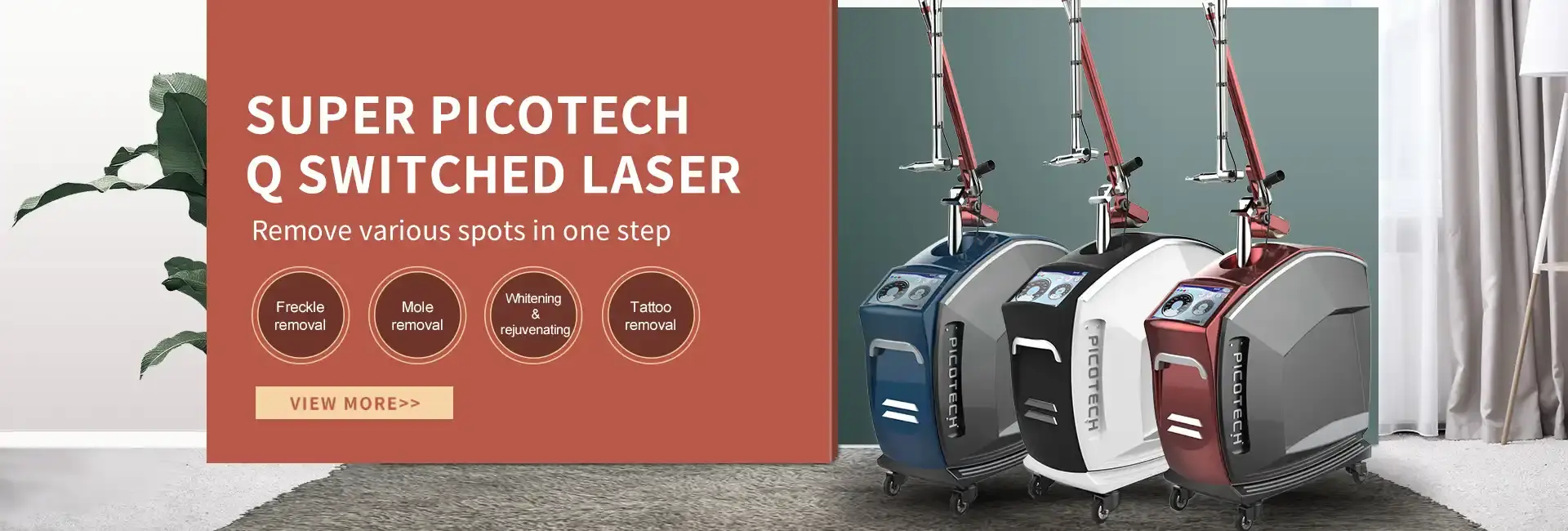
The Xi'an Taibo Laser Beauty Company picosecond q switch laser incorporates multiple technical features specifically designed to enhance safety for all skin types, including darker complexions. The system offers triple wavelength capability with 532nm, 755nm, and 1064nm options, providing versatility to match treatment parameters to specific clinical indications and skin types. The energy output range of 100-2000mJ per pulse with adjustable spot sizes from 2-10mm enables precise energy density control, which is crucial for safe treatment of dark skin where excessive energy can trigger post-inflammatory hyperpigmentation. The 6 nanosecond pulse duration combined with picosecond technology delivers the optimal balance between effective pigment fragmentation and minimal thermal diffusion. The working frequency of 1-10Hz allows practitioners to adjust treatment density and speed based on patient tolerance and clinical objectives. The integrated air and water cooling system provides essential thermal protection during treatment, helping to prevent epidermal overheating that could compromise safety in darker skin types. The system's compliance with international safety standards, including CE certification and ISO 13485 quality management certification, ensures that the picosecond q switch laser meets rigorous safety and performance requirements. The two-year warranty and comprehensive after-sales support from Xi'an Taibo Laser Beauty Company provide additional confidence in system reliability and long-term safety performance. The built-in self-inspection function with over 30 monitoring points continuously evaluates system performance, helping to prevent parameter drift or malfunction that could compromise patient safety. The adaptive optics lattice technology ensures even energy distribution across the treatment spot, eliminating hot spots that could cause localized thermal injury. These technical specifications combine to create a treatment platform that minimizes risks while maximizing efficacy for patients with dark skin seeking pigmentation treatment, tattoo removal, or skin rejuvenation.
Optimal Treatment Protocols for Dark Skin Safety
Achieving safe and effective results with picosecond q switch laser treatment on dark skin requires adherence to established clinical protocols. Pre-treatment assessment should include careful evaluation of skin type using the Fitzpatrick classification system, detailed medical history to identify factors that might increase complication risk such as history of keloid formation or active inflammatory skin conditions, realistic discussion of expected outcomes and potential risks specific to darker skin types, and test spot treatment in an inconspicuous area to assess individual skin response before proceeding with full treatment. This conservative approach allows practitioners to identify patients who may require modified parameters or who may not be suitable candidates for laser treatment.
During treatment, safety protocols for dark skin should include use of the longest wavelength appropriate for the target chromophore, typically 1064nm for dermal pigmentation and darker skin types; conservative initial fluence settings, often starting at the lower end of the recommended range and gradually increasing based on clinical endpoint and skin tolerance; adequate cooling before, during, and after laser exposure to minimize thermal accumulation in the epidermis; appropriate spot size selection, with larger spot sizes generally providing deeper penetration and more uniform energy distribution; and limiting treatment density to avoid excessive thermal loading in any given area. Post-treatment care is equally critical for safety in dark skin, requiring sun protection with broad-spectrum SPF 50+ sunscreen to prevent UV-induced pigmentation; gentle skincare avoiding harsh exfoliants or active ingredients that might irritate healing skin; possible use of anti-inflammatory agents or antioxidants to modulate healing response; and scheduled follow-up appointments to monitor healing and identify any early signs of adverse reactions. The interval between treatment sessions represents another crucial safety consideration for dark skin. While some pigmented lesions may require multiple sessions to achieve complete clearance, adequate healing time between treatments is essential to minimize cumulative thermal damage and inflammatory response. Most protocols recommend minimum intervals of 4-8 weeks between sessions for darker skin types, allowing complete resolution of any post-treatment inflammation and permitting proper assessment of treatment response before proceeding with additional sessions. This patient approach may require more calendar time to achieve final results but significantly reduces the risk of permanent complications such as hypopigmentation or scarring.
Comparing Picosecond Q Switch Laser to Alternative Treatments for Dark Skin
When evaluating treatment options for pigmentation issues in dark skin, the picosecond q switch laser offers distinct advantages over alternative approaches. Traditional chemical peels and topical lightening agents like hydroquinone may provide gradual improvement for superficial pigmentation but require extended treatment periods, may cause irritation, and demonstrate limited efficacy for dermal pigmentation. Cryotherapy can effectively treat some pigmented lesions but carries significant risk of hypopigmentation in dark skin and lacks the precision of laser treatment. Intense Pulsed Light systems, while effective for some indications, deliver non-coherent polychromatic light over broader spectral ranges, making them less selective and potentially more likely to cause complications in darker skin compared to the targeted, monochromatic energy of picosecond q switch laser systems. Compared to traditional nanosecond Q-switched lasers, the picosecond q switch laser demonstrates clear superiority for dark skin treatment. Multiple comparative studies have shown that picosecond systems require fewer treatment sessions to achieve equivalent or superior results, generate less thermal damage and inflammatory response, produce lower rates of post-inflammatory hyperpigmentation and hypopigmentation, demonstrate faster healing and recovery times, and achieve better patient satisfaction scores. The enhanced safety profile stems from the fundamental physics of ultra-short pulse duration combined with photomechanical rather than photothermal pigment fragmentation. While picosecond q switch laser systems represent higher initial investment for clinics, the improved safety and efficacy translate to better outcomes for patients and reduced need for complication management or corrective treatments.
For individuals with dark skin seeking treatment for pigmented lesions, tattoos, or skin rejuvenation, the picosecond q switch laser represents the current gold standard technology. The combination of proven safety in multiple clinical trials, reduced complication rates compared to alternative treatments, versatility across multiple indications and skin types, and continuously improving technology and protocols makes this laser technology the preferred choice for both patients and practitioners treating darker skin types.
Real-World Applications and Success Stories with Dark Skin Treatment
The versatility of picosecond q switch laser technology extends across numerous clinical applications, all of which have been successfully performed on patients with dark skin. Tattoo removal represents one of the most dramatic demonstrations of picosecond q switch laser capability and safety. Multi-colored tattoos that previously required dozens of sessions with nanosecond lasers can now be cleared in half the time with picosecond technology, with significantly reduced risk of scarring or permanent pigment changes even in darker skin types. The photomechanical action of the picosecond q switch laser efficiently shatters red, black, blue, green, and even challenging colors like yellow without generating excessive heat that might damage surrounding tissue or trigger reactive pigmentation. Treatment of melasma, one of the most challenging conditions affecting individuals with darker skin, has been revolutionized by picosecond q switch laser technology. Traditional approaches to melasma in dark skin faced the paradox that aggressive treatment might worsen the condition through inflammatory hyperpigmentation, while conservative treatment often proved ineffective. Picosecond q switch laser treatments using large spot sizes, low fluences, and 1064nm wavelength have demonstrated the ability to improve melasma in Asian and darker-skinned populations without triggering the rebound hyperpigmentation that plagued earlier laser approaches. Multiple treatment sessions spaced 4-6 weeks apart, combined with appropriate pre- and post-treatment skincare including sun protection and potential use of topical agents, can achieve substantial improvement in melasma appearance with acceptable safety profiles.
Benign pigmented lesions including solar lentigines, café-au-lait macules, nevus of Ota, and Hori's nevus all respond favorably to picosecond q switch laser treatment, with clinical studies documenting high clearance rates and low complication rates even in darker skin types. The ability to select wavelength, energy, and spot size based on lesion characteristics and skin type enables customized treatment approaches that optimize safety while maintaining efficacy. Xi'an Taibo Laser Beauty Company's picosecond q switch laser system, with its comprehensive wavelength options and adjustable parameters, provides practitioners with the tools necessary to safely treat the full spectrum of pigmentation concerns across all skin types.
Manufacturer Expertise and Quality Assurance for Safe Treatment Outcomes
The safety and efficacy of picosecond q switch laser treatment depend not only on proper technique but also on equipment quality and reliability. Xi'an Taibo Laser Beauty Company has established itself as a leading manufacturer of professional beauty laser equipment with over 15 years of production experience and 15 years of export experience serving more than 180 countries worldwide. The company's comprehensive approach includes dedicated research and development, manufacturing, international sales, and after-sales service teams working in coordination to deliver high-quality laser systems. Their picosecond q switch laser incorporates military-grade Q-switched technology with enhanced pulse width control, self-inspection functions with over 30 built-in monitoring points for system reliability, maintenance-free modular design reducing long-term operating costs, and adaptive optics ensuring consistent energy distribution for reproducible results. Quality certifications including CE certification confirming compliance with European safety and health standards, ISO 13485 certification demonstrating quality management systems for medical devices, and ongoing application for FDA certification and medical CE further validate the company's commitment to manufacturing excellence and patient safety. The company provides comprehensive support including two-year warranty coverage for equipment defects, professional after-sales team for technical support and problem resolution, detailed instructional materials and training videos for proper equipment operation, OEM/ODM customization services for specific market needs, and 24-hour online customer service for urgent inquiries or technical issues. For clinics and practitioners treating patients with dark skin, selecting equipment from manufacturers with proven track records like Xi'an Taibo Laser Beauty Company provides important safety advantages. Reliable equipment performance, consistent energy output, proper cooling function, and responsive technical support all contribute to treatment safety and patient satisfaction. The company's extensive experience exporting to diverse global markets means their equipment is designed and tested for use across all skin types and clinical environments, providing confidence when treating darker-skinned patients who may face higher risks with lower-quality equipment.
Conclusion
The picosecond q switch laser represents safe, effective technology for treating pigmentation and other skin concerns in individuals with dark skin when appropriate protocols are followed and quality equipment is utilized.
Cooperate With Xi'an Taibo Laser Beauty Company
As a professional China picosecond q switch laser manufacturer and China picosecond q switch laser supplier with over 15 years of expertise, Xi'an Taibo Laser Beauty Company delivers high quality picosecond q switch laser systems with CE and ISO13485 certifications. Our China picosecond q switch laser factory offers competitive picosecond q switch laser price with China picosecond q switch laser wholesale options and picosecond q switch laser for sale globally. We provide comprehensive OEM/ODM services, two-year warranty, 24-hour technical support, and free training. Whether you're looking to upgrade equipment, establish distribution partnerships, or access reliable high quality picosecond q switch laser technology, we deliver professional solutions backed by proven results across 180+ countries. Contact susan@taibobeauty.com today to discuss your specific requirements and discover why leading clinics worldwide trust our innovative laser systems for safe, effective treatment of all skin types.
References
1. Negosanti L, Negosanti F, Bonciani D, et al. Efficacy and Safety of Q-Switched 1064/532 nm Nd:YAG Lasers on Benign Hypermelanosis in Dark-Skinned Individuals—A Preliminary Study. Journal of Clinical Medicine, 2024.
2. Li X, Zhang Y, Wang M, et al. Comparison of the efficacy and safety of picosecond Nd:YAG laser (1,064 nm), picosecond alexandrite laser (755 nm) and 2% hydroquinone cream in the treatment of melasma: A randomized, controlled, assessor-blinded trial. Frontiers in Medicine, 2023.
3. Chan JC, Shek SY, Kono T, et al. Treatment of Laser-Responsive Dermal Pigmentary Conditions in Type III-IV Asian Skin With a 755-nm Picosecond Pulse Duration Laser: A Retrospective Review of Its Efficacy and Safety. Lasers in Surgery and Medicine, 2019.
4. Brauer JA, Kazlouskaya V, Alabdulrazzaq H, et al. Use of a picosecond pulse duration laser with specialized optic for treatment of facial acne scarring. JAMA Dermatology, 2015.
5. Alabdulrazzaq H, Brauer JA, Bae YS, Geronemus RG. Clearance of yellow tattoo ink with a novel 532-nm picosecond laser. Lasers in Surgery and Medicine, 2015.





YOU MAY LIKE