
How Multi-Wavelength PDT LED Light Therapy Machine Enhances Results?
2026-01-21 09:14:53
Are you frustrated with inconsistent skincare results from single-wavelength treatments? Many beauty professionals and med spa owners struggle to address diverse client concerns with limited equipment, leading to multiple device purchases and compromised treatment outcomes. A multi-wavelength pdt led light therapy machine solves this challenge by combining various light spectrums into one comprehensive system, delivering targeted solutions for acne, aging, pigmentation, and inflammation simultaneously. This advanced photodynamic therapy approach maximizes treatment efficacy while reducing equipment costs and treatment time, making it the ideal investment for forward-thinking aesthetic practices seeking superior client satisfaction and practice profitability.
Understanding Multi-Wavelength PDT LED Light Therapy Technology
The foundation of effective photodynamic therapy lies in understanding how different wavelengths interact with skin tissue at cellular levels. Multi-wavelength pdt led light therapy machines represent a significant advancement over traditional single-color LED systems, offering practitioners the ability to customize treatments based on individual client needs and specific skin concerns. These sophisticated devices integrate multiple LED wavelengths ranging from blue light at approximately four hundred fifteen nanometers to near-infrared light extending beyond eight hundred thirty-five nanometers, each serving distinct therapeutic purposes within the skin's architecture. The science behind multi-wavelength therapy stems from the principle that different chromophores within skin cells absorb specific light wavelengths more efficiently than others. When a pdt led light therapy machine delivers precisely calibrated wavelengths, these photons penetrate the skin at varying depths, triggering photobiomodulation processes that stimulate cellular repair mechanisms, enhance collagen synthesis, and activate the body's natural healing responses. Blue wavelengths primarily target superficial layers where acne-causing bacteria reside, while red and infrared wavelengths penetrate deeper into the dermis to stimulate fibroblast activity and promote tissue regeneration. This multi-layered approach ensures comprehensive treatment outcomes that address both surface-level concerns and underlying structural issues contributing to skin aging and damage.
Modern multi-wavelength pdt led light therapy machines incorporate advanced LED technology that provides superior power output compared to earlier generations of phototherapy devices. Professional-grade systems typically deliver light intensities ranging from fifty to one hundred milliwatts per square centimeter, ensuring adequate energy reaches target tissues to initiate therapeutic responses without causing thermal damage or discomfort. The ability to combine multiple wavelengths simultaneously or sequentially during a single treatment session represents a paradigm shift in aesthetic medicine, enabling practitioners to develop comprehensive protocols that previously would have required multiple devices and extended treatment times.
Key Wavelengths and Their Specific Therapeutic Benefits
The therapeutic efficacy of a multi-wavelength pdt led light therapy machine depends significantly on the specific wavelengths incorporated into the device design and their corresponding biological effects. Blue light therapy, operating at wavelengths between four hundred ten and four hundred sixty nanometers, demonstrates powerful antibacterial properties by generating reactive oxygen species that destroy Propionibacterium acnes bacteria responsible for inflammatory acne lesions. This wavelength also helps regulate sebaceous gland activity, reducing excess oil production that contributes to breakouts and enlarged pores. Beauty professionals utilizing pdt led light therapy machines with blue light capabilities report significant improvements in clients with active acne, hormonal breakouts, and persistently oily complexions. Red light therapy, typically delivered at wavelengths around six hundred thirty nanometers, stands as the cornerstone of anti-aging phototherapy protocols. This wavelength penetrates approximately eight to ten millimeters into the skin, reaching the dermis where fibroblasts produce collagen and elastin proteins essential for maintaining skin firmness and elasticity. Clinical research consistently demonstrates that red light stimulates mitochondrial activity within cells, enhancing adenosine triphosphate production that fuels cellular repair processes. When practitioners incorporate red light into multi-wavelength pdt led light therapy machine treatments, clients experience visible reductions in fine lines and wrinkles, improved skin texture and tone, accelerated wound healing, and enhanced overall skin vitality. The cumulative effects of regular red light exposure create lasting improvements in skin architecture that continue developing over weeks and months following treatment completion.
Near-infrared wavelengths, extending from eight hundred to beyond one thousand nanometers, provide the deepest tissue penetration available through non-invasive phototherapy. These wavelengths reach subcutaneous tissues, affecting adipose layers and promoting enhanced circulation throughout treated areas. Near-infrared capabilities within pdt led light therapy machines prove particularly valuable for body contouring protocols, cellulite reduction treatments, and post-procedure recovery applications where deep tissue healing acceleration provides substantial clinical benefits. Additionally, yellow light wavelengths around five hundred ninety nanometers offer specialized benefits for treating vascular conditions, reducing inflammation, and improving lymphatic drainage, while green light at approximately five hundred twenty nanometers addresses hyperpigmentation concerns and promotes balanced skin tone.
Synergistic Effects of Combined Wavelength Protocols
The true advantage of multi-wavelength pdt led light therapy machines emerges when practitioners design treatment protocols that strategically combine different wavelengths to create synergistic therapeutic effects exceeding what single wavelengths could achieve independently. Research into combination phototherapy demonstrates that sequential or simultaneous application of multiple wavelengths produces enhanced outcomes compared to monotherapy approaches. For example, combining blue and red light therapy addresses both the bacterial infection component and inflammatory response associated with acne vulgaris, delivering faster clearance rates and reduced recurrence compared to single-wavelength treatments alone. Advanced practitioners develop customized protocols based on comprehensive skin analysis, selecting specific wavelength combinations that target multiple aspects of client concerns simultaneously. A typical anti-aging protocol utilizing a pdt led light therapy machine might begin with red light to stimulate collagen production, followed by near-infrared exposure to enhance circulation and promote deeper tissue regeneration, and conclude with yellow light to reduce any residual inflammation and support lymphatic drainage. This layered approach ensures all contributing factors to skin aging receive therapeutic attention during a single convenient treatment session. The versatility inherent in multi-wavelength systems allows practitioners to adjust protocols as client needs evolve throughout treatment courses. Initial sessions might emphasize blue light for active acne control, gradually transitioning toward red and near-infrared wavelengths as bacterial populations decline and the treatment focus shifts toward healing post-inflammatory hyperpigmentation and restoring skin barrier function. This adaptability makes pdt led light therapy machines invaluable assets for practices serving diverse clientele with varying skin types, concerns, and treatment goals.
Clinical Applications and Treatment Outcomes
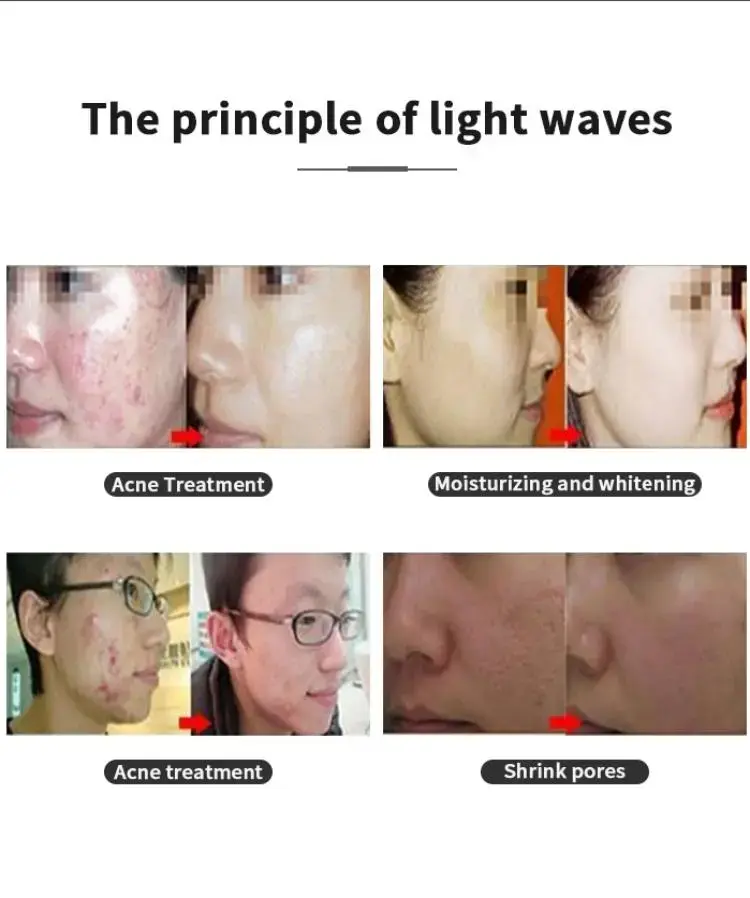
Multi-wavelength pdt led light therapy machines demonstrate remarkable versatility across numerous clinical applications in both medical and aesthetic settings. Dermatological applications include acne vulgaris management, where controlled studies show significant lesion count reductions following treatment protocols combining blue and red wavelengths. Patients with inflammatory acne experience decreased papule and pustule formation, reduced sebum production, and improved skin texture after completing treatment series typically consisting of eight to twelve sessions performed twice weekly. The non-invasive nature of LED phototherapy makes these treatments particularly appealing for patients seeking alternatives to pharmaceutical interventions or those experiencing side effects from systemic medications. Anti-aging and skin rejuvenation represent primary applications driving demand for professional pdt led light therapy machines in medical spas and aesthetic clinics. Clinical trials evaluating red and near-infrared light therapy for photoaging demonstrate measurable improvements in skin elasticity, firmness, and overall appearance following treatment protocols. Objective measurements using specialized imaging equipment reveal increased dermal density consistent with enhanced collagen deposition, while patient satisfaction surveys consistently report high approval ratings and willingness to recommend treatments to others. The progressive nature of phototherapy results, with continued improvement occurring over months following treatment completion, provides lasting value that exceeds many temporary aesthetic interventions.
Wound healing acceleration and post-procedure recovery applications showcase another valuable dimension of multi-wavelength phototherapy. Plastic surgeons and dermatologists incorporate pdt led light therapy machines into pre-operative conditioning protocols and post-surgical care pathways to optimize healing outcomes and minimize complication risks. Red and near-infrared wavelengths promote angiogenesis, reduce inflammation, and support tissue remodeling processes essential for optimal surgical results. Patients recovering from ablative laser resurfacing, chemical peels, microneedling, and surgical procedures experience reduced downtime, decreased pain and discomfort, and improved aesthetic outcomes when LED phototherapy supplements standard post-procedure care protocols.
Professional Integration and Practice Growth Opportunities
Incorporating multi-wavelength pdt led light therapy machines into existing practice offerings creates numerous opportunities for service expansion and revenue growth. These devices complement virtually all aesthetic treatments, serving as standalone procedures or valuable adjunct therapies that enhance outcomes from other modalities. Forward-thinking practitioners develop signature treatment packages combining LED phototherapy with facials, chemical peels, microdermabrasion, and other popular services, creating comprehensive skincare solutions that differentiate their practices from competitors while maximizing appointment value and client satisfaction. The non-invasive nature and absence of downtime associated with LED phototherapy make these treatments ideal for busy professionals and clients hesitant about more aggressive interventions. Marketing multi-wavelength pdt led light therapy machine services appeals to health-conscious consumers seeking natural, science-based approaches to skincare that align with wellness-oriented lifestyles. Educational content highlighting the research foundation supporting phototherapy, combined with compelling before-and-after documentation, effectively communicates treatment value and builds client confidence in recommended protocols. Staff training requirements for operating pdt led light therapy machines remain relatively minimal compared to laser systems and other advanced aesthetic technologies, allowing practices to quickly integrate these services without extensive downtime or significant training investments. Most professional systems feature intuitive touchscreen interfaces with pre-programmed protocols designed for common treatment applications, enabling technicians to deliver consistent, high-quality treatments after brief orientation periods. This accessibility makes LED phototherapy an attractive entry point for practices beginning to expand beyond basic skincare services into advanced aesthetic treatments.
Selecting Quality Equipment and Manufacturer Partnerships
Choosing the appropriate multi-wavelength pdt led light therapy machine requires careful evaluation of technical specifications, manufacturer reputation, and ongoing support capabilities. Professional-grade systems should deliver adequate light intensity across all incorporated wavelengths, typically providing at least fifty milliwatts per square centimeter to ensure therapeutic efficacy. LED quantity and distribution patterns significantly impact treatment coverage and consistency, with systems incorporating hundreds of individual LEDs generally providing superior results compared to devices with minimal LED counts. Treatment area dimensions determine session efficiency and versatility, with larger panels enabling full-face treatments or extensive body applications that smaller devices cannot adequately address. Manufacturer certifications and regulatory approvals provide essential assurance regarding device safety and performance standards. Reputable pdt led light therapy machine manufacturers maintain certifications including ISO 13485 for quality management systems, CE marking indicating European safety compliance, and various other regional certifications demonstrating commitment to meeting international standards. These credentials reflect manufacturer investment in proper design validation, manufacturing controls, and post-market surveillance activities that protect practitioners and their clients from substandard equipment that might compromise treatment outcomes or create safety concerns.
After-sales support capabilities distinguish exceptional manufacturers from suppliers merely focused on initial equipment sales. Comprehensive warranty coverage, responsive technical support teams, and readily available replacement parts ensure practitioners can maintain continuous service availability even when equipment issues arise. Training resources including detailed operation manuals, instructional videos, and opportunities for hands-on training sessions accelerate staff competency development and optimize treatment delivery quality. Manufacturers offering customization options for OEM and ODM partnerships enable practices to develop branded equipment solutions that reinforce practice identity and create unique market positioning.
Investment Considerations and Return Analysis
Financial considerations surrounding multi-wavelength pdt led light therapy machine acquisition extend beyond initial purchase prices to encompass total cost of ownership and revenue generation potential. While entry-level devices may appear attractive from a price perspective, professional-grade systems offering superior specifications, durability, and manufacturer support typically deliver better long-term value despite higher upfront investments. Calculating expected return on investment requires realistic projections of treatment volumes, pricing strategies, and operational expenses including consumable supplies and maintenance requirements. Most aesthetic practices achieve equipment payback within six to twelve months following implementation of well-marketed LED phototherapy services. Treatment pricing typically ranges from seventy-five to two hundred fifty dollars per session depending on geographic location, practice positioning, and treatment complexity, with package pricing encouraging client commitment to complete protocols while ensuring predictable revenue streams. The low per-treatment consumable costs associated with LED phototherapy, primarily limited to disposable eye protection and basic skincare products, contribute to favorable profit margins that enhance overall practice profitability.
Strategic equipment selection should consider future practice growth and evolving treatment capabilities. Multi-wavelength pdt led light therapy machines offering the broadest wavelength selections and most flexible programming options provide greatest versatility for developing diverse treatment protocols that address emerging client demands and incorporate new phototherapy research findings as the field continues advancing. Systems supporting software updates and modular expansion capabilities protect equipment investments against obsolescence while enabling practices to remain current with technology developments without requiring complete system replacements.
Conclusion
Multi-wavelength pdt led light therapy machines represent transformative investments for aesthetic practices committed to delivering evidence-based treatments that produce consistent, impressive results across diverse client populations and skin concerns. The synergistic benefits achieved through strategic wavelength combinations, coupled with the non-invasive nature and strong safety profile of LED phototherapy, position these systems as essential components of comprehensive skincare treatment offerings.
Cooperate With Xi'an Taibo Laser Beauty Company
Partner with Xi'an Taibo Laser Beauty Company, a leading China pdt led light therapy machine manufacturer with over fifteen years of production excellence and international export experience serving more than one hundred eighty countries worldwide. As a professional China pdt led light therapy machine factory and trusted China pdt led light therapy machine supplier, Taibo Beauty delivers high quality pdt led light therapy machine solutions backed by comprehensive certifications including CE, ISO13485, and multiple international approvals. Our China pdt led light therapy machine wholesale programs offer competitive pdt led light therapy machine prices with flexible OEM and ODM customization supporting your brand development goals. Every pdt led light therapy machine for sale includes a two-year warranty, professional training resources, twenty-four-hour technical support, and expert guidance from our experienced international sales team. Discover why aesthetic professionals globally choose Taibo Beauty for reliable equipment, responsive service, and partnership opportunities that drive practice growth. Contact susan@taibobeauty.com today to discuss your specific requirements and explore how our advanced phototherapy solutions can elevate your treatment capabilities and client satisfaction.
References
1. Avci, P., Gupta, A., Sadasivam, M., Vecchio, D., Pam, Z., Pam, N., and Hamblin, M. R. "Low-level laser (light) therapy (LLLT) in skin: stimulating, healing, restoring." Seminars in Cutaneous Medicine and Surgery, 2013.
2. Barolet, D., Christiaens, F., and Hamblin, M. R. "Infrared and skin: Friend or foe." Journal of Photochemistry and Photobiology B: Biology, 2016.
3. Lee, S. Y., Park, K. H., Choi, J. W., Kwon, J. K., Lee, D. R., Shin, M. S., et al. "A prospective, randomized, placebo-controlled, double-blinded, and split-face clinical study on LED phototherapy for skin rejuvenation: clinical, profilometric, histologic, ultrastructural, and biochemical evaluations and comparison of three different treatment settings." Journal of Photochemistry and Photobiology B: Biology, 2007.
4. Whelan, H. T., Smits, R. L., Buchman, E. V., Whelan, N. T., Turner, S. G., Margolis, D. A., et al. "Effect of NASA light-emitting diode irradiation on wound healing." Journal of Clinical Laser Medicine & Surgery, 2001.
5. Wunsch, A., and Matuschka, K. "A controlled trial to determine the efficacy of red and near-infrared light treatment in patient satisfaction, reduction of fine lines, wrinkles, skin roughness, and intradermal collagen density increase." Photomedicine and Laser Surgery, 2014.





YOU MAY LIKE