
How 980 nm Diode Laser Removes Spider Veins Fast?
2026-04-17 09:15:21
Millions of people have spider veins, red, blue, or purple veins under the skin. Many seek expert help for tiny, broken blood vessels on the face and legs. Spider veins are annoying and can suggest venous insufficiency, thus beauty and health facilities need effective treatments. The 980 nm diode laser spider vein removal machine targets hemoglobin and plugs problematic arteries quickly without surgery with excellent outcomes. This high-tech device uses vascular cell-friendly wavelengths. Veins coagulate immediately and fade. With this method, surgeons may repair 0.2- to 2-mm veins without damaging surrounding tissue. Clients saw benefits after one treatment. Purchasing managers, marketers, and clinic owners in the US are finding that this technology may improve services and client happiness.
Understanding Spider Vein Removal with 980 nm Diode Laser
What Makes Spider Veins Problematic?
When small blood vessels near the skin grow or are damaged, spider veins appear. Hormones, heredity, lengthy standing, obesity, and age-related artery wall weakening may induce this. Tiny vessels don't hurt like varicose veins, yet they're unsightly and insecure. Many common treatments take multiple sessions and have various outcomes. Some want more reliable methods. Innovative clinics have an advantage in competitive markets because patients carefully consider treatment options before arranging appointments.
The Science Behind 980 nm Wavelength Technology
Vascular laser treatment efficiency depends on wavelength. Hemoglobin and porphyrin absorb the most 980 nm diode laser energy. This high-energy laser heats and coagulates venous blood, bursting barriers. In selective photothermolysis, energy is used just on the needed skin layers. Professional handpieces target 0.2–0.5 mm diameters. Energy is focused on target tissue without heating skin.
Key Advantages That Set This Technology Apart
Multiple clinical benefits from the mechanism of action boost treatment results and client satisfaction. High-power tissue penetration treats small vascular tumors best at 980 nm without discomfort. Fast coagulation shuts blood vessels promptly during treatment. This prevents injuries and speeds client recovery. Laser therapy thickens and densifies skin by stimulating collagen production. Reworking collagen strengthens skin. The skin becomes elastic and vascular-resistant, and little blood vessels are hidden.
Safety Profile and Clinical Protocols
Cosmetic procedures still prioritize patient safety, so assess any treatment's risk before buying. The 980 nm diode laser is safe when used appropriately. Practitioners can vary energy delivery based on vessel size, skin type, and treatment region sensitivity with a 1–100 ms pulse width range. Controlling heat buildup with a frequency between 1 and 10 Hz keeps the therapy running without warming. A good ice hammer handpiece cools quickly, making clients more comfortable and eliminating temporary redness during intensive treatment.
Comparing 980 nm Diode Laser with Other Spider Vein Removal Technologies
How 980 nm Performs Against Nd:YAG and 1064 nm Systems
Different laser ranges can heal vascular lesions, although their efficacy varies. Better for bigger varicose veins but less precise for superficial spider veins, the 1064 nm Nd:YAG laser penetrates deeper than 980 nm devices. Darker skin types are more likely to have heat damage and color changes following treatment due to its depth. Lower fluence works because the 980 nm diode laser spider vein removal machine absorbs hemoglobin better than 1064 nm. This reduces treatment discomfort and speeds healing. Clinical statistics show that 980 nm clients for the same vessels are happier and have less side effects than 1064 nm clients.
IPL Technology Versus Focused Diode Laser Treatment
Intense Pulsed Light devices can treat vascular lesions and other skin disorders with their numerous colors. Vascular therapy are less effective due to elasticity. Hemoglobin absorbs minimal IPL energy, which spans multiple wavelengths. Higher energy needs hurt and cause problems. IPL rays aren't concentrated, making vessel targeting hard. Treating more skin than necessary. Concentrated, monochromatic 980 nm diode laser light strikes vascular targets best. This indicates fewer therapy sessions improve results. Clinics that switch from IPL to vascular lasers always see faster clearance and shorter treatment periods.
Sclerotherapy as a Chemical Alternative
Chemical solutions are injected into troublesome arteries in sclerotherapy. These solutions irritate vessels, closing them. This method works for certain vessels but is painful, needs several sites, and can induce allergic responses, skin ulcers, and unintended vascular occlusion. Wear tight garments and avoid certain tasks for days or weeks during recovery. Laser treatment doesn't involve injections, therefore results are immediate. Needle-free choices are sought more. Laser technology appeals to clinics seeking internet treatment seekers.
Cost-Effectiveness and Long-Term Investment Returns
When buying tools, smart purchasers look beyond the initial price. A 980 nm diode laser doesn't require needles, chemical solutions, or disposable applicators, reducing usage costs. Stable solid-state diode technology requires fewer lamp changes than advanced IPL systems, making maintenance easier. The treatment is fast and successful, so doctors can serve more patients daily and get great results that spread through word of mouth. When properly advertised to spider vein patients, vascular treatment services that use this technology usually recover their costs within six to twelve months.
Procurement Guide: Buying a 980 nm Diode Laser Spider Vein Removal Machine
Critical Device Specifications to Evaluate
Technical specs must be reviewed by professionals to verify equipment meets quality and clinical standards. Power output considerably impacts therapeutic flexibility. The 20W, 30W, and 40W systems can treat vessels of various sizes and levels. High-volume practices benefit from the 40W version's quicker treatment times and better performance on larger or more resistant vessels. The 8.4-inch color touch screen simplifies treatment settings for non-technical users Interface design affects daily utility. Surgeons can tailor pulse width and frequency to treat various skin and blood vessel types using the 980 nm diode laser spider vein ectomy device.
Warranty and After-Sales Support Considerations
Warranty coverage is important when buying equipment because it influences clinic revenue. The manufacturer's two-year warranty protects you from unexpected repair costs during the crucial early operating phase. Consider the guarantee duration and after-sales support team's timeliness and expertise. Companies that provide good products include clear instructions, instructional videos, and live technical help. Replacement parts with reasonable wait times avoid equipment downtime, which disrupts appointment scheduling and income streams. Instead than trusting the supplier's marketing materials, check client references from similar market groups for real aid.
Certification Requirements and Regulatory Compliance
Professional beauty medical instrument safety and quality regulations varies. US clinics must check FDA permission of imported medical and cosmetic laser equipment, including devices such as the 980 nm diode laser spider vein removal machine, before selling. CE and ISO 13485 certifications mean the product meets European safety standards and international medical device quality management system standards. These certificates demonstrate to clinic owners that their equipment is tested and manufactured, limiting liability. Procurement managers should examine certifications and accept model-specific setups instead of assuming company-wide certifications cover all product variances.
Pricing Trends and Payment Flexibility
Equipment pricing depends on power configuration, extras, certification, and manufacturer market position. 980 nm vascular laser systems range from mid-range for single-location clinics to high-end for multi-location, high-volume treatment centers. Knowing this range helps clients set budgets and spot low pricing that may signal lower quality or missing certifications. To facilitate purchases, reputable manufacturers accept bank transfers, credit card processing, and other payment methods. Purchases of multiple units are discounted. This solution helps growing distributors and clinics standardize their tools across sites.
Training and Operational Support Programs
Advanced technology is meaningless without skilled users. Staff can safely utilize the equipment thanks to extensive training. For the first few weeks, good producers provide clear instructions, live video training, and technical support. It should address how to use the equipment, stay safe, design treatment protocols for different vessels, provide clients the best advice, and fix basic issues. Some sellers offer clinic-based bulk order training. This investment in operator skills improves treatment results, client satisfaction, and online reviews, helping the organization grow.
The 980 nm Diode Laser Spider Vein Removal Procedure Explained
Patient Consultation and Treatment Planning
Successful results start with extensive client consultations that assess the vasculature, patient history, and treatment goals. Spider vein size, depth, and placement are examined while doctors describe the treatment and mild side effects. Establishing reasonable expectations that complex vascular networks may require numerous sessions but often show a big difference after one helps clients avoid disappointment. Photographing the vessels at the start enables you compare treatment results at follow-up appointments. This assessment can also uncover reasons to avoid treatment, such as current illnesses, sun exposure, drugs, or medical issues that slow healing.
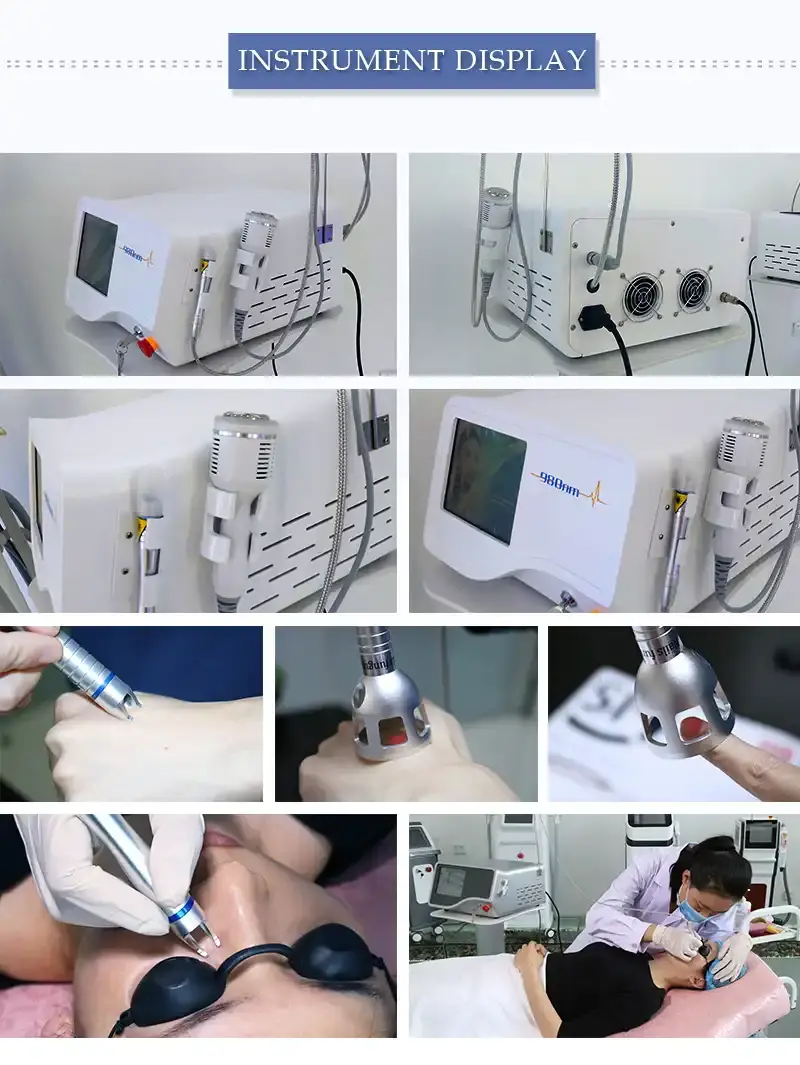
Laser Application Technique and Session Duration
Healing is still quick and easy. To numb the area, doctors can use a gel or the laser's ice hammer before starting. Focused handpiece laser pulses target visible blood vessels. Practitioners saw treated veins discolor or vanish quickly after clotting. Therapy length depends on venous damage severity. Large leg vein networks may take 30–45 minutes to treat, while facial spider veins may take minutes. Treatment can be tailored to client comfort and vascular response with adjustable pulse width and frequency. This yields the finest outcomes while preserving a pleasant experience.
Recovery Timeline and Post-Treatment Care
Benefits of this technology include accommodating clients' plans. With few modifications, most people may return to their normal lives after therapy. Some treated areas may be red for a few hours, although this usually goes away without concealer. For 24–48 hours, practitioners advise clients to avoid hot baths and intense exercise to avoid inflammation. Maintaining color requires protecting treated areas from light during recovery. Vascular coagulation disappears throughout two to six weeks after healing. Follow-up consultations 4–6 weeks after therapy work well.
Integration with Complementary Treatment Protocols
Combine therapies function better than single-modalities, say innovative clinics. Vascular laser treatment helps with uneven pigmentation, texture, and collagen loss in the face. For skin improvement, some doctors combine vascular treatments with modest chemical peels or microdermabrasion. They do these procedures at different intervals to avoid overworking the skin's healing. This united method helps clinics build comprehensive treatment plans for many of their clients' issues, improving revenue per client and providing great results that make people recommend them. Because good 980 nm diode laser spider vein removal machine systems are adjustable, these extra services can be provided without numerous devices.
Why 980 nm Diode Laser Is the Preferred Choice for B2B Clients
Growing Market Demand and Revenue Opportunities
The market for beauty treatments keeps growing as changes in population and social norms make cosmetic operations more common among a wider range of people. Spider vein treatment is especially popular with older Baby Boomers who want to look young and younger people who want to fix circulatory problems that run in their families. According to market research, the demand for non-invasive vascular treatments keeps growing every year. This means that clinics that offer these services can keep making money. The relatively short treatment times allow practitioners to see more than one client every day, which increases the rate of equipment usage and shortens the time it takes to get a return on investment. Clinics that advertise vascular treatments say that these procedures are often the first ones that people try, and after a good experience, they come back for more cosmetic treatments.
Scalability and Customization for Volume Buyers
Distributors and owners with multiple locations need equipment options that can grow with their businesses. The flexible form of good vascular laser systems helps with attempts to standardize while also meeting the needs of site-specific customization. Larger buyers can use OEM services to add branding elements like custom interface designs, image integration, and changed color schemes that strengthen the company's personality at all points of contact with clients. This ability to customize is especially useful for sellers who are making their own lines of branded equipment or for franchises that want to make sure that all of their places have the same brand presentation. Manufacturers with well-established OEM programs offer variable minimum order amounts and technical support throughout the customization process. This makes it possible to turn standard equipment into unique products for the market.
Future-Proof Technology and Competitive Positioning
When you invest in technology, it needs to provide value that goes beyond your current needs. It also needs to stay useful as treatment tastes and the competitive landscape change. There is a lot of clinical proof that the 980 nm diode laser spider vein removal machine works. This means that it is a mature, proven technology that lowers the risks that come with new technologies that haven't been tested yet. Handpiece designs, cooling systems, and user interfaces are always being improved on these systems, so older generations aren't rendered useless. This road for incremental growth protects the investments made in equipment while letting clinics get better performance through upgrades instead of replacing the whole system. Because vascular laser treatment is so popular in beauty medicine, there will be a need for it for many years to come. This means that the tools you buy now should be thought of as long-term investments rather than risky bets based on trends.
Conclusion
The 980 nm diode laser spider vein removal machine is a tried-and-true piece of technology that meets real client needs and gives beauty practices a great return on their investment. The exact wavelength targeting, few side effects, and quick, obvious results make clients very happy, which leads to growth through word of mouth. When purchasing managers look at vascular treatment tools, this technology strikes the perfect mix between clinical success, ease of use, and financial performance. Established makers offer full help to make sure that implementation goes smoothly and operations run smoothly for a long time. As the number of people looking for non-invasive cosmetic treatments keeps going up, centers that have the newest vascular laser systems have an edge in the market.
FAQ
1. What types of vascular lesions can the 980 nm laser treat effectively?
This wavelength excels at treating spider veins, facial telangiectasias, cherry angiomas, and small varicose veins up to 3 mm in diameter. The focused energy delivery makes it particularly effective for superficial vessels between 0.2 and 2 mm, which represent the majority of cosmetic vascular concerns clients present. The technology also addresses rosacea-related redness and other benign vascular proliferations.
2. Which safety certifications should buyers verify before purchasing?
Reputable vascular laser systems carry CE certification confirming European safety standards compliance and ISO 13485 certification verifying quality manufacturing processes. For the United States market, buyers should verify FDA registration status appropriate to intended use classifications. Request documentation proving these certifications apply to the specific model and configuration being purchased.
3. What warranty coverage should quality systems include?
Professional-grade equipment should include a minimum two-year comprehensive warranty covering parts and technical support. This coverage demonstrates manufacturer confidence in build quality and protects buyers from unexpected repair costs during the critical initial operational period. Clarify what components the warranty covers and whether technical support remains available beyond the warranty period.
Partner with Taibo Beauty for Your Vascular Treatment Equipment Needs
Xi'an Taibo Laser Beauty Company stands as a trusted 980 nm diode laser spider vein removal machine manufacturer with over 15 years of production experience and global export expertise. Our manufacturing facility maintains ISO 13485 certification and produces CE-certified equipment trusted by clinics across 180 countries. The two-year warranty, comprehensive training programs, and responsive technical support ensure your investment delivers long-term value. We offer flexible OEM services for distributors and multi-location operators seeking customized solutions, with competitive bulk pricing available for qualified buyers. Our professional team provides detailed product demonstrations, answers technical questions, and guides you through the procurement process from initial inquiry through staff training and beyond. Contact susan@taibobeauty.com today to discuss how our vascular laser systems can expand your service offerings and accelerate practice growth. As an established supplier committed to your success, we deliver the equipment quality and partnership support that transform technology investments into profitable reality.
References
1. Goldman, M. P., & Weiss, R. A. (2017). Treatment of Vascular Lesions: Principles and Practice of Laser Technology in Dermatology. CRC Press Medical Publishing.
2. Anderson, R. R., & Parrish, J. A. (1983). Selective Photothermolysis: Precise Microsurgery by Selective Absorption of Pulsed Radiation. Science, 220(4596), 524-527.
3. Lupton, J. R., Alster, T. S., & Romero, P. (2002). Clinical Comparison of Laser Systems for Treatment of Superficial Leg Veins. Dermatologic Surgery, 28(3), 224-230.
4. Sadick, N. S., & Wasser, S. (2004). Combined Modality Laser Treatment of Reticular and Telangiectatic Leg Veins. Journal of Cutaneous Laser Therapy, 6(2), 105-109.
5. Ross, E. V., & Domankevitz, Y. (2005). Laser Treatment of Leg Veins: Physical Mechanisms and Theoretical Considerations. Lasers in Surgery and Medicine, 36(2), 105-116.
6. Bencini, P. L., Guida, S., & Galimberti, M. (2012). Vascular Lasers in Dermatology: Mechanisms, Applications and Clinical Outcomes. International Journal of Dermatology, 51(7), 769-779.





YOU MAY LIKE