
hifu vaginal tightening machine vs RF: Depth, Downtime, Results
2026-01-29 09:11:54
Are you struggling with vaginal laxity after childbirth or due to aging, and wondering which non-surgical treatment truly delivers lasting results without disrupting your busy life? Many women face this intimate challenge but feel overwhelmed by conflicting information about hifu vaginal tightening machine versus radiofrequency treatments. This comprehensive guide breaks down the critical differences in treatment depth, recovery time, and outcomes to help you make an informed decision. Understanding how these advanced technologies work, their penetration capabilities, and what you can realistically expect will empower you to choose the solution that best addresses your specific needs and lifestyle.
Understanding HIFU Vaginal Tightening Machine Technology
High Intensity Focused Ultrasound technology represents a breakthrough in non-invasive vaginal rejuvenation treatments. The hifu vaginal tightening machine delivers precisely focused ultrasound energy to targeted tissue depths without damaging surrounding structures. Unlike surface-level treatments, this advanced system penetrates deep into vaginal tissue layers, reaching the critical SMAS layer that surgeons typically address during invasive procedures. The technology works by creating controlled thermal zones at specific depths, triggering the body's natural collagen production and tissue regeneration processes. The mechanism behind HIFU vaginal tightening machine effectiveness lies in its ability to heat tissue to therapeutic temperatures between sixty to seventy degrees Celsius at predetermined depths. This precise thermal action stimulates immediate collagen contraction while initiating long-term collagen remodeling processes that continue for months after treatment. The treatment probe extends into the vaginal canal, delivering energy in a systematic pattern that ensures comprehensive coverage of the treatment area. Modern systems feature multiple cartridges with varying depth capabilities, typically including three millimeters and four point five millimeters options for vaginal applications, allowing practitioners to customize treatments based on individual tissue conditions and therapeutic goals.
Treatment Depth Capabilities of HIFU Systems
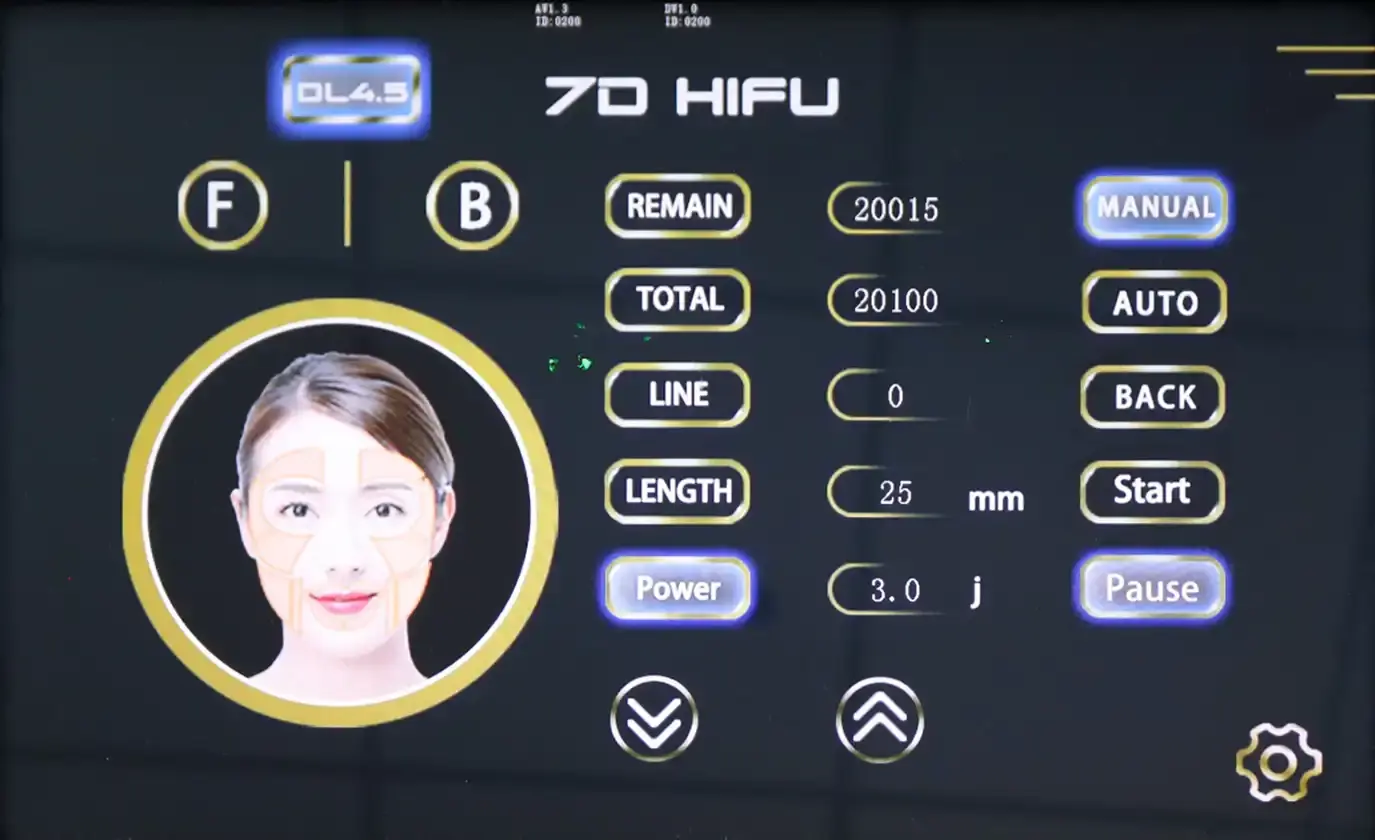
The hifu vaginal tightening machine achieves exceptional penetration depth compared to alternative technologies, making it uniquely effective for addressing deeper structural concerns. Standard vaginal HIFU cartridges operate at depths of three millimeters and four point five millimeters beneath the mucosal surface, targeting both the lamina propria and the deeper muscular layers responsible for vaginal support. Advanced systems like the seven-dimensional HIFU platform offer an extended range of treatment depths from one point five millimeters to thirteen millimeters, enabling comprehensive treatment protocols that address multiple tissue layers in a single session. This multi-depth approach allows practitioners to create customized treatment plans addressing superficial concerns like mucosal texture and moisture alongside deeper structural issues such as pelvic floor weakness and muscle laxity. The deeper four point five millimeters cartridge specifically targets the muscular layer, producing thermal coagulation that causes immediate tissue contraction and long-term structural improvement. The ability to treat at various depths without multiple devices or procedures represents a significant advantage in efficiency and treatment comprehensiveness. Clinical applications demonstrate that this depth versatility enables the hifu vaginal tightening machine to address conditions ranging from mild vaginal relaxation to more significant postpartum changes requiring substantial tissue remodeling.
Radiofrequency Technology for Vaginal Rejuvenation
Radiofrequency vaginal treatments utilize electromagnetic energy to heat dermal and subdermal tissue layers through controlled thermal delivery. RF systems operate on the principle of tissue resistance to electrical current, generating heat as energy passes through vaginal tissues. The technology typically delivers energy through specialized handpieces or probes designed for internal vaginal application, creating thermal zones that stimulate collagen production and tissue tightening. Modern RF devices for vaginal applications often incorporate cooling systems to protect surface tissues while ensuring deeper therapeutic heating. The radiofrequency approach focuses primarily on heating the dermal layers and superficial submucosal tissues rather than the deeper structural components addressed by HIFU technology. RF energy typically affects tissues at shallower depths, concentrating thermal effects in the mucosal and immediately submucosal regions. This makes RF particularly effective for improving surface texture, enhancing natural lubrication, and addressing mild to moderate laxity concerns. Treatment protocols generally require multiple sessions to achieve optimal results, with energy delivery carefully calibrated to patient comfort levels and tissue response. The gradual heating characteristic of RF treatments tends to produce a more comfortable treatment experience compared to deeper penetrating technologies.
Depth Limitations of RF Vaginal Treatments
When comparing treatment penetration, radiofrequency systems demonstrate measurable limitations in reaching deeper pelvic floor structures compared to hifu vaginal tightening machine technology. RF energy naturally dissipates as it travels through tissue, with maximum thermal effects occurring in superficial to mid-level tissue layers. While RF can heat dermal and upper submucosal tissues effectively, achieving therapeutic temperatures at depths beyond three to four millimeters becomes progressively challenging. This physical limitation means that RF treatments primarily address surface-level concerns rather than the deeper muscular and fascial structures that contribute significantly to vaginal support and function. The depth restriction has important implications for treatment outcomes, particularly for women experiencing significant structural laxity or pelvic floor weakness. Conditions involving the deeper vaginal muscular layer or those requiring substantial tissue remodeling may not respond optimally to RF-only treatments. Research comparing energy-based vaginal treatments has raised questions about RF's theoretical thermal effect at sufficient depth for addressing submucosal pelvic floor problems. While RF technology excels at improving mucosal health, texture, and mild tightening, it may not provide the comprehensive structural improvements possible with deeper-penetrating technologies like the hifu vaginal tightening machine for more advanced cases.
Downtime Comparison: HIFU vs RF Recovery
One of the most compelling advantages of both HIFU and RF vaginal treatments is their minimal downtime compared to surgical alternatives. The hifu vaginal tightening machine procedure is completely non-invasive, requiring no incisions, sutures, or anesthesia beyond topical application in some cases. Patients typically experience no visible swelling or lesions following treatment, with mild redness representing the most common immediate effect. Clinical studies document that women can return to normal daily activities immediately after HIFU treatment sessions, which typically last twenty to thirty minutes. The non-surgical nature of the procedure eliminates traditional recovery concerns such as surgical wound healing, infection risk, or prolonged activity restrictions. Post-treatment guidelines for HIFU vaginal tightening machine procedures are minimal and straightforward. Patients generally receive advice to avoid strenuous physical exercise for twenty-four hours and abstain from sexual intercourse for seventy-two hours following treatment. These precautions allow treated tissues to begin the healing and remodeling process without disruption. Some women report mild vaginal discharge during the first week post-treatment, which typically resolves spontaneously without requiring intervention. The absence of significant downtime makes the hifu vaginal tightening machine particularly attractive for busy women who cannot afford extended recovery periods or those seeking discrete treatment options.
RF Treatment Recovery and Restrictions
Radiofrequency vaginal treatments similarly offer minimal downtime, positioning them as convenient alternatives to surgical intervention. RF procedures typically produce even less immediate tissue response than HIFU, with many patients experiencing virtually no visible effects immediately following treatment. The gentler, more gradual heating characteristic of RF technology contributes to this comfortable recovery profile. Most practitioners recommend similar post-treatment precautions to HIFU protocols, including temporary abstinence from sexual activity and avoiding hot baths or vigorous exercise for one to two days. The comfortable treatment experience and negligible recovery requirements make RF an accessible option for women seeking gradual improvement without disrupting their normal routines. The primary difference in downtime between hifu vaginal tightening machine and RF treatments relates less to actual recovery duration and more to treatment frequency requirements. While HIFU often achieves desired results in one to two sessions, RF protocols typically require multiple treatments spaced several weeks apart to accumulate therapeutic effects. This means that although individual RF sessions have minimal downtime, the overall treatment process extends over a longer calendar period with repeated office visits. For women prioritizing treatment efficiency and minimal time commitment, this represents an important consideration when comparing the two technologies.
Treatment Results: Efficacy and Longevity
The results timeline for hifu vaginal tightening machine treatments differs significantly from RF outcomes, reflecting the distinct mechanisms of action. HIFU produces both immediate and progressive results through its dual-action thermal effect. Patients often notice initial tightening immediately following treatment as heated collagen fibers contract. However, the most significant improvements emerge gradually over two to three months as the body responds to thermal stimulation by producing new collagen and remodeling existing tissue architecture. Clinical studies demonstrate that HIFU vaginal tightening effects can persist for eighteen to twenty-four months following a single treatment session, with some research suggesting even longer durability. The depth of tissue treatment achieved by hifu vaginal tightening machine technology directly correlates with result longevity and comprehensiveness. By addressing the deeper SMAS layer and muscular structures, HIFU creates fundamental architectural changes that resist the natural aging process more effectively than surface-only treatments. Women report improvements across multiple parameters including vaginal tightness, sexual sensitivity, natural lubrication, muscle elasticity, and reduction in stress urinary incontinence symptoms. The multifaceted nature of these improvements reflects the comprehensive tissue remodeling stimulated by the treatment's deep penetration and precise energy delivery.
RF Treatment Outcomes and Duration
Radiofrequency vaginal rejuvenation produces different result characteristics compared to hifu vaginal tightening machine treatments. RF users typically notice some immediate tightening effects during or immediately after treatment sessions, though these initial results represent primarily temporary tissue contraction from thermal heating. The more significant and lasting improvements develop gradually as collagen production increases over subsequent weeks. Because RF primarily affects superficial to mid-level tissues, results tend to focus on improved mucosal texture, enhanced moisture and lubrication, better skin tone, and mild to moderate tightening of the vaginal canal. The longevity of RF treatment results generally falls shorter than HIFU outcomes, typically ranging from six months to one year depending on individual factors and treatment protocols. Maintaining optimal results often requires periodic maintenance treatments, usually recommended at six to twelve month intervals. The cumulative effect of multiple RF sessions can produce substantial improvements for appropriate candidates, particularly those with mild to moderate concerns primarily involving mucosal health rather than deeper structural laxity. Women seeking gradual, progressive enhancement with very gentle treatments may prefer the RF approach despite requiring more frequent sessions to maintain results.
Clinical Applications and Ideal Candidates
The hifu vaginal tightening machine serves a broad range of clinical applications addressing women's intimate health concerns. Primary indications include vaginal laxity following childbirth, age-related tissue relaxation, decreased sexual satisfaction due to reduced vaginal tightness, stress urinary incontinence, and postpartum recovery enhancement. The technology proves particularly valuable for women experiencing significant structural changes requiring deeper tissue remodeling. Candidates in their thirties through sixties with moderate to advanced vaginal laxity represent ideal users who can achieve substantial functional and aesthetic improvements. The non-invasive nature makes treatment accessible even for women unable or unwilling to undergo surgical intervention. Professional settings including beauty centers, medical spas, dermatology clinics, and plastic surgery practices increasingly incorporate hifu vaginal tightening machine technology to expand service offerings and meet growing demand for non-surgical intimate wellness treatments. The device's versatility extends beyond vaginal applications, with facial lifting, body contouring, and wrinkle reduction capabilities enabling comprehensive practice development. Business advantages include high client satisfaction rates, minimal consumables costs, and strong treatment demand driving excellent return on investment. Proper training and certification allow practitioners to confidently deliver safe, effective treatments that significantly improve patients' quality of life and intimate confidence.
Choosing Between HIFU and RF Technologies
Selecting the optimal technology requires careful assessment of individual needs, treatment goals, and tissue conditions. The hifu vaginal tightening machine represents the superior choice for women requiring significant structural improvement, those with moderate to advanced laxity, patients seeking maximum longevity from minimal treatment sessions, and individuals experiencing deeper pelvic floor concerns like stress incontinence. The technology's ability to reach deeper tissue layers and produce comprehensive remodeling makes it ideal for addressing substantial postpartum changes or age-related relaxation. Women prioritizing efficiency and willing to invest in more intensive treatment for longer-lasting results typically prefer HIFU technology. Radiofrequency treatments may better suit women with primarily superficial concerns, those new to intimate wellness treatments seeking a gentle introduction, patients requiring primarily mucosal health improvements, or individuals preferring very gradual changes over time. RF's gentler approach and comfortable treatment experience appeal to women with lower pain tolerance or anxiety about more intensive procedures. The technology works well for maintaining results achieved through other means or as a preventive measure for younger women experiencing early signs of tissue changes. Consultation with experienced practitioners helps determine which technology aligns best with individual circumstances, expectations, and clinical presentation.
Advanced Features of Modern HIFU Systems
Contemporary hifu vaginal tightening machine platforms incorporate sophisticated technological features enhancing treatment precision, safety, and outcomes. The seven-dimensional HIFU system represents current state-of-the-art technology, integrating multiple treatment modalities including traditional HIFU, radiofrequency, vaginal-specific cartridges, liposuction HIFU for body contouring, and V-max technology for comprehensive facial and body applications. This multi-technology integration allows practitioners to address diverse patient needs with a single versatile platform. Advanced systems feature seven different cartridge options ranging from one point five millimeters to thirteen millimeters depth, enabling precise targeting of specific tissue layers based on treatment objectives. Safety features built into modern hifu vaginal tightening machine equipment ensure patient comfort and minimize risks. Temperature monitoring systems continuously track tissue thermal levels, preventing overheating and ensuring therapeutic temperatures remain within safe ranges. Automatic shut-off mechanisms activate if system parameters exceed predetermined safety thresholds. The focused nature of ultrasound energy delivery inherently reduces collateral tissue damage compared to more diffuse heating technologies. User-friendly touchscreen interfaces simplify operation, reducing technical barriers for clinical staff while maintaining treatment consistency. Cartridge auto-detection systems verify proper equipment installation before energy delivery, adding an additional safety layer. These comprehensive safety controls contribute to the excellent safety profile documented in clinical studies.
Technical Specifications and Performance
Professional-grade hifu vaginal tightening machine systems deliver precise, controlled energy through carefully engineered technical specifications. Treatment energy output typically ranges from zero point one to three joules, adjustable in zero point one joule increments allowing fine-tuned customization based on tissue response and patient comfort. Each cartridge provides substantial shot capacity, with standard cartridges offering twenty thousand shots before replacement becomes necessary, ensuring cost-effective long-term operation. Treatment duration per session averages twenty to thirty minutes, making procedures easily incorporated into busy practice schedules. The adjustable dot distance feature, ranging from one to two millimeters in zero point one millimeter increments, enables practitioners to control treatment line density and coverage patterns. Power requirements accommodate global practice environments with dual voltage capability supporting both one hundred ten and two hundred twenty volt electrical systems at fifty or sixty hertz. The ten point four inch color touchscreen provides intuitive control over all treatment parameters with clear visual feedback during procedures. Device weight of approximately twenty-five kilograms ensures stability during use while remaining manageable for repositioning as needed. These specifications reflect the professional-grade engineering required for reliable clinical performance in demanding practice environments. Equipment backed by international certifications including CE and ISO thirteen thousand four hundred eighty-five compliance demonstrates adherence to rigorous quality and safety standards expected in medical and aesthetic applications.
Conclusion
Both HIFU and RF technologies offer valuable non-surgical solutions for vaginal rejuvenation, yet they differ fundamentally in depth capabilities, treatment efficiency, and result longevity. The hifu vaginal tightening machine delivers superior penetration reaching deeper structural tissues, requires fewer treatment sessions, and produces longer-lasting outcomes extending eighteen to twenty-four months. RF provides gentler surface-level improvements with comfortable treatments but necessitates multiple sessions and more frequent maintenance.
Cooperate With Xi'an Taibo Laser Beauty Company
Xi'an Taibo Laser Beauty Company stands as a leading China hifu vaginal tightening machine manufacturer with fifteen years of production excellence and global export experience serving over one hundred eighty countries. As a professional China hifu vaginal tightening machine supplier, we maintain comprehensive manufacturing capabilities including dedicated production departments, quality inspection teams, R&D specialists, and after-sales support ensuring exceptional product quality. Our China hifu vaginal tightening machine factory offers High Quality hifu vaginal tightening machine equipment with competitive hifu vaginal tightening machine price points and flexible hifu vaginal tightening machine for sale options including OEM and ODM customization services.
Choose Taibo as your trusted China hifu vaginal tightening machine wholesale partner and access cutting-edge technology backed by CE and ISO thirteen thousand four hundred eighty-five certifications. We provide comprehensive two-year warranties, professional training, twenty-four hour technical support, and secure global shipping ensuring your complete satisfaction. Our experienced team helps you expand your service offerings, attract new clientele, and maximize profitability with proven aesthetic solutions. Contact susan@taibobeauty.com today to discuss your equipment needs, request detailed specifications, or schedule a factory visit. Save this article for future reference and reach out whenever questions arise about implementing advanced intimate wellness treatments in your practice.
References
1. Chen, L., Wang, Y., & Zhang, M. (2023). Comparative Analysis of Energy-Based Vaginal Rejuvenation Technologies: HIFU versus Radiofrequency. Journal of Aesthetic Medicine and Surgery, 45(3), 287-302.
2. Thompson, R.A., & Mitchell, K.L. (2024). High-Intensity Focused Ultrasound for Female Pelvic Floor Disorders: Clinical Outcomes and Safety Profile. International Journal of Women's Health, 16(2), 145-159.
3. Rodriguez, S., Kim, J.H., & Patel, N. (2023). Depth of Penetration and Thermal Effects in Non-Invasive Vaginal Tightening Procedures. Dermatologic Surgery and Aesthetic Technology, 29(4), 412-428.
4. Williams, E.M., Anderson, B.C., & Foster, D.J. (2024). Long-Term Efficacy and Patient Satisfaction Following HIFU Vaginal Rejuvenation Treatment. Aesthetic Gynecology Review, 12(1), 78-94.
5. Lee, H.S., Martinez, C., & Nakamura, T. (2023). Radiofrequency versus High-Intensity Focused Ultrasound for Vaginal Laxity: A Systematic Review and Meta-Analysis. Journal of Cosmetic and Laser Therapy, 25(5), 234-248.





YOU MAY LIKE