
hifu vaginal machine vs Radiofrequency: Key Differences
2025-12-18 09:19:30
Are you struggling to decide between high-intensity focused ultrasound and radiofrequency treatments for vaginal rejuvenation? Many women and beauty professionals face confusion when selecting the most appropriate technology for intimate wellness concerns. The hifu vaginal machine and radiofrequency devices both promise remarkable results, yet they operate on fundamentally different principles and deliver distinct outcomes. Understanding these key differences empowers you to make informed decisions that align with your specific treatment goals and client needs.
Understanding the Core Technologies: HIFU Vaginal Machine and Radiofrequency
The fundamental distinction between a hifu vaginal machine and radiofrequency lies in their energy delivery mechanisms and penetration depths. High-intensity focused ultrasound technology employs concentrated acoustic energy that penetrates deep beneath the vaginal tissue surface, targeting specific layers with thermal precision. This focused ultrasound beam generates heat ranging from sixty-five to seventy-five degrees Celsius at predetermined depths, typically reaching the submucosal SMAS layer at depths of three to four point five millimeters. The thermal effect triggers controlled tissue damage, which subsequently stimulates natural collagen regeneration and tissue remodeling over several months following treatment. Radiofrequency technology operates through an entirely different mechanism, utilizing electromagnetic energy to generate bulk heating across broader tissue areas. RF energy primarily affects the epithelial and dermal layers of vaginal tissue, concentrating therapeutic effects on the surface and mid-layer regions rather than penetrating to deeper structural foundations. The radiofrequency approach delivers consistent heating throughout the treatment zone, typically maintaining temperatures between forty-two to forty-five degrees Celsius, which promotes immediate collagen contraction alongside gradual neocollagenesis through the skin's natural wound-healing response.
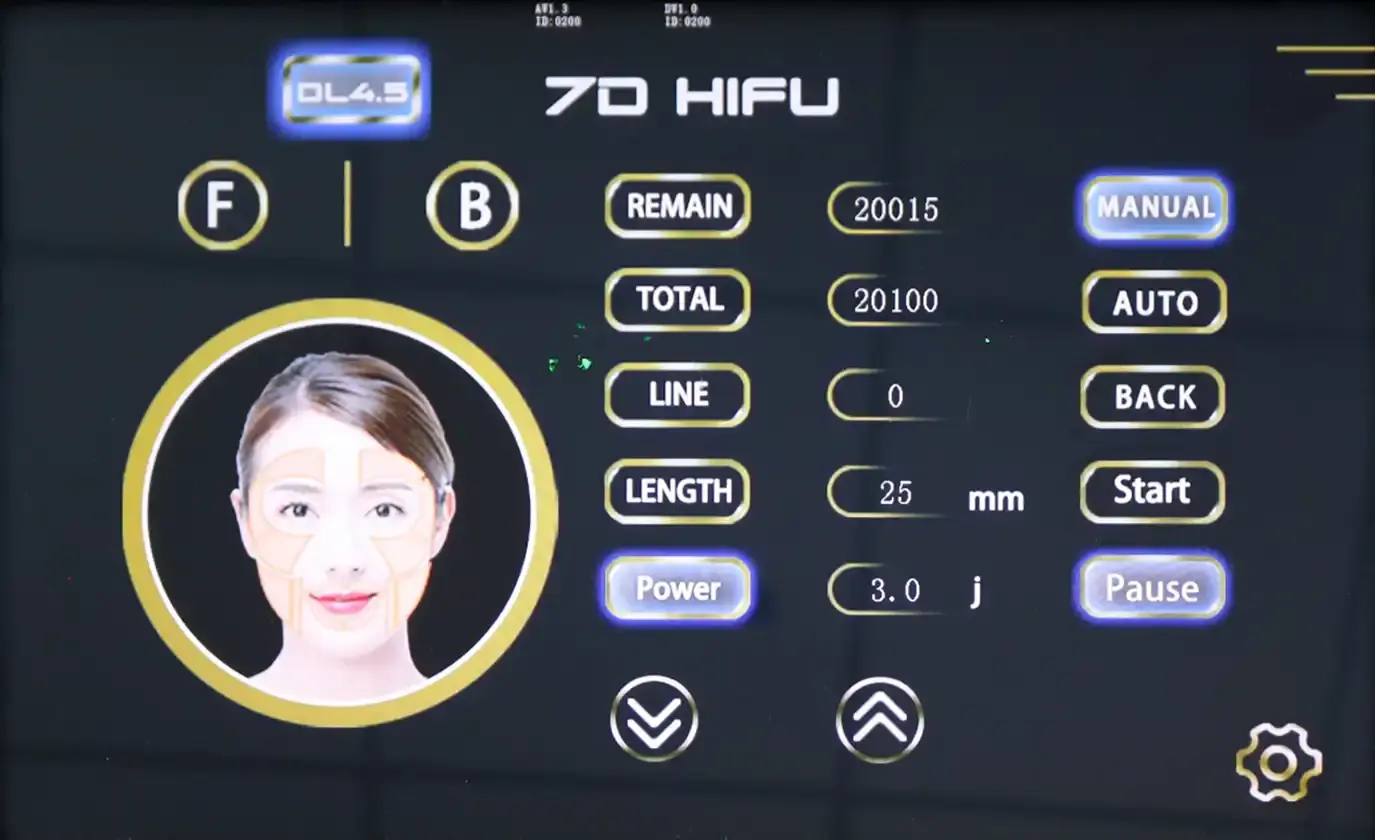
Advanced hifu vaginal machine models incorporate multiple treatment cartridges with varying penetration depths, allowing practitioners to customize treatments based on individual tissue characteristics and therapeutic objectives. Professional-grade systems feature cartridges ranging from one point five millimeters for superficial epithelial treatment to four point five millimeters for deep SMAS layer targeting, providing comprehensive coverage of all vaginal tissue layers within a single treatment session. The 7D HIFU technology represents the latest advancement in vaginal tightening equipment, combining both micro and macro focused ultrasound capabilities with specialized vaginal transducers designed specifically for intimate wellness applications.
Clinical Applications: Treatment Depth and Tissue Targeting
When evaluating a hifu vaginal machine versus radiofrequency for specific clinical applications, tissue penetration depth emerges as the most critical differentiating factor. The ability of focused ultrasound to reach the complete thickness of the vaginal wall, which averages approximately three millimeters in healthy tissue, provides therapeutic advantages that superficial energy modalities cannot replicate. Research demonstrates that HIFU technology can effectively treat the entire vaginal wall structure, including the epithelium, lamina propria, and underlying muscular layers, whereas laser and radiofrequency treatments predominantly affect only the epithelial surface and superficial lamina propria regions. The hifu vaginal machine excels in addressing structural concerns related to vaginal laxity, pelvic floor weakness, and significant tissue elasticity loss. The deep penetration capability allows focused ultrasound to stimulate collagen production within the supporting connective tissue framework, providing genuine structural reinforcement rather than merely superficial tightening. This makes HIFU particularly suitable for postpartum women experiencing significant vaginal wall stretching, menopausal patients with advanced genitourinary syndrome, and individuals seeking substantial improvement in vaginal tone and support. The technology's ability to target subcutaneous tissues without damaging surface structures ensures safety while delivering profound therapeutic effects.
Radiofrequency treatments demonstrate particular effectiveness for surface-level concerns including vaginal dryness, mild mucosal atrophy, and texture irregularities. The bulk heating approach stimulates immediate improvements in tissue hydration and superficial collagen organization, making RF therapy ideal for patients with early-stage genitourinary symptoms or those seeking maintenance treatments following more intensive procedures. The technology provides excellent results for enhancing vaginal moisture, improving epithelial health, and addressing minor laxity issues that do not require deep structural intervention. Additionally, radiofrequency treatments typically produce noticeable immediate tightening effects due to rapid collagen contraction, satisfying patients who desire visible results following their first session. Professional beauty equipment manufacturers now offer advanced hifu vaginal machine systems that incorporate multiple treatment cartridges specifically calibrated for vaginal rejuvenation protocols. These specialized devices feature precisely engineered transducers operating at four megahertz frequency with adjustable energy outputs ranging from ten to one hundred watts, enabling practitioners to tailor treatment intensity based on individual patient tolerance and tissue response. The incorporation of real-time monitoring systems and automatic safety controls ensures optimal treatment delivery while minimizing risk of overexposure or thermal injury to sensitive vaginal tissues.
Treatment Experience: Comfort, Duration and Recovery Considerations
Patient comfort during treatment represents another significant distinction between hifu vaginal machine procedures and radiofrequency therapy. The focused nature of ultrasound energy delivery creates concentrated thermal zones within deep tissue layers, which some patients experience as sharp or uncomfortable sensations during treatment administration. Many practitioners apply topical anesthetic creams prior to HIFU treatments to minimize discomfort, particularly when utilizing higher energy settings necessary for optimal collagen stimulation. Treatment sessions typically last twenty to thirty minutes depending on the treatment area size and number of lines delivered, with most protocols requiring between three hundred to five hundred treatment lines for comprehensive vaginal rejuvenation. Radiofrequency treatments generally provide a more comfortable patient experience, with most individuals describing sensations as warm or mildly heating rather than painful. The bulk heating approach distributes thermal energy more evenly across treated tissues, avoiding the concentrated hot spots that can occur with focused ultrasound. Many modern RF devices incorporate active cooling systems that protect surface tissues while delivering therapeutic heat to deeper layers, further enhancing patient comfort throughout the procedure. Treatment duration for radiofrequency vaginal rejuvenation typically ranges from fifteen to twenty-five minutes per session, making it convenient for busy patients seeking quick, office-based procedures with minimal time commitment.
Recovery timelines differ notably between these technologies, with hifu vaginal machine treatments requiring slightly longer periods for optimal results to manifest. The focused ultrasound approach creates controlled micro-injuries within deep tissue layers, triggering a wound-healing cascade that gradually produces new collagen over two to three months following treatment. Patients may experience mild swelling, temporary sensitivity, or minor discomfort for several days post-treatment, though these effects typically resolve quickly without intervention. Most practitioners recommend avoiding sexual activity, tampon use, and vigorous exercise for three to five days following HIFU procedures to allow proper tissue healing. Radiofrequency treatments offer virtually immediate recovery with minimal post-procedural restrictions. The gentler heating mechanism produces less tissue disruption, allowing patients to resume normal activities, including intimate relations, within twenty-four to forty-eight hours after treatment. While some immediate tightening effects appear right away due to collagen contraction, optimal results develop gradually over several weeks as new collagen formation progresses. The combination of comfortable treatments, rapid recovery, and visible early improvements makes radiofrequency an attractive option for patients with busy lifestyles who cannot accommodate extended downtime.
Session Requirements and Maintenance Protocols
Treatment frequency and maintenance schedules represent practical considerations that significantly impact patient commitment and long-term outcomes. A hifu vaginal machine typically requires fewer treatment sessions to achieve desired results, with most protocols recommending one to three sessions spaced four to six weeks apart depending on severity of laxity and individual tissue response. The deep penetration and intensive collagen stimulation provided by focused ultrasound creates lasting structural improvements that can maintain effectiveness for twelve to eighteen months or longer following a complete treatment series. This reduced session frequency appeals to patients seeking efficient treatments with minimal time investment. Radiofrequency vaginal rejuvenation generally requires more frequent sessions to achieve comparable outcomes, with typical protocols involving three to five treatments performed at two to four week intervals. The superficial action and gentler heating mechanism necessitate repeated applications to build sufficient collagen density for noticeable improvement. However, the cumulative benefits of multiple RF sessions can produce excellent results for appropriate candidates, particularly those with mild to moderate symptoms. Maintenance treatments every six to twelve months help sustain improvements and prevent regression, creating ongoing patient relationships that benefit both clinics and clients.
Safety Profile: Risk Assessment and Clinical Considerations
Safety considerations differ substantially between hifu vaginal machine applications and radiofrequency treatments, primarily due to penetration depth and energy concentration differences. The focused nature of HIFU technology creates intense thermal zones within targeted tissue layers, which carries theoretical risks of excessive heating if improperly calibrated or administered. Regulatory authorities including the FDA have expressed concerns regarding HIFU vaginal applications, noting potential for burns, scarring, chronic pain, and unintended tissue damage when devices are misused or operated by inadequately trained practitioners. These safety warnings emphasize the critical importance of proper training, appropriate patient selection, and adherence to established treatment protocols when utilizing focused ultrasound for intimate wellness. Radiofrequency treatments generally demonstrate favorable safety profiles with lower incidence of serious adverse events when performed by qualified professionals. The bulk heating mechanism and lower operating temperatures reduce risk of concentrated thermal injury, making RF technology more forgiving of minor technique variations. Common side effects include temporary redness, mild swelling, and transient sensitivity, all of which typically resolve within hours to days without intervention. However, improper technique or excessive energy application can still produce complications including surface burns, pain, and irregular texture changes, underscoring the need for appropriate training regardless of technology selection.
Professional-grade hifu vaginal machine systems from reputable manufacturers incorporate multiple safety features designed to minimize risk and optimize treatment outcomes. These include real-time energy monitoring, automatic shutoff mechanisms preventing overexposure, built-in cooling systems protecting surface tissues, and pressure detection technology ensuring appropriate probe contact throughout treatment. Quality devices comply with international safety standards including CE and ISO13485 certifications, providing assurance of rigorous testing and manufacturing quality control. When selecting equipment for clinical use, practitioners should prioritize manufacturers offering comprehensive training programs, responsive technical support, and established track records within the aesthetic medicine industry.
Patient Selection and Contraindications
Appropriate patient selection significantly influences treatment success and safety outcomes for both hifu vaginal machine procedures and radiofrequency therapy. Ideal candidates for focused ultrasound include women experiencing moderate to severe vaginal laxity, those seeking substantial structural improvement, and patients willing to wait several months for optimal results to develop. HIFU works particularly well for postpartum vaginal stretching, age-related elasticity loss, and cases where previous less-intensive treatments have provided inadequate improvement. However, practitioners must carefully screen for contraindications including active vaginal infections, recent childbirth within six months, pregnancy, existing pelvic organ prolapse requiring surgical correction, and presence of vaginal mesh or previous radiation therapy to pelvic regions. Radiofrequency vaginal rejuvenation suits patients with mild to moderate symptoms, those preferring gradual improvement through multiple gentle sessions, and individuals seeking maintenance following more intensive procedures. The technology provides excellent options for women experiencing early genitourinary symptoms, those with contraindications to more aggressive treatments, and patients who prefer conservative approaches with minimal discomfort. Similar contraindications apply including pregnancy, active infections, and certain medical conditions, though RF therapy may offer viable alternatives for some patients unable to tolerate focused ultrasound intensity.
Cost-Effectiveness and Business Considerations for Practitioners
Financial considerations influence technology selection for both patients and practitioners, with significant differences in equipment investment, operational costs, and pricing structures between hifu vaginal machine systems and radiofrequency devices. Initial equipment acquisition costs for professional-grade HIFU systems typically range higher than comparable RF machines, reflecting the sophisticated engineering required for focused ultrasound generation and precise energy delivery. However, focused ultrasound devices generally require minimal consumables beyond replacement cartridges rated for ten thousand to thirty thousand shots depending on penetration depth, creating favorable long-term operational economics. The reduced session requirements and premium pricing justified by advanced technology enable strong return on investment for practices targeting clientele seeking cutting-edge treatments. Radiofrequency equipment often presents lower initial investment barriers, making this technology accessible for smaller practices or those building aesthetic service offerings. Operational costs remain minimal with no consumables required for most RF systems, allowing clinics to maintain healthy profit margins even with competitive service pricing. The requirement for multiple treatment sessions creates recurring revenue opportunities and extended patient relationships that benefit practice growth and client retention. The combination of affordable equipment, minimal operating expenses, and high patient satisfaction makes radiofrequency an attractive addition to comprehensive vaginal wellness programs.
Treatment pricing varies considerably based on geographic location, practitioner expertise, and local market conditions, though general patterns emerge across both technologies. A hifu vaginal machine treatment session typically commands premium pricing reflecting the advanced technology, specialized training requirements, and superior results achievable with fewer sessions. Patients often view focused ultrasound as an investment in lasting structural improvement, justifying higher per-session costs when compared to multiple RF treatments required for similar outcomes. Practices can enhance perceived value by emphasizing the reduced total session requirements and prolonged effect duration that characterize quality HIFU protocols.
Marketing and Patient Education Strategies
Successful implementation of either technology requires effective patient education addressing treatment mechanisms, expected outcomes, and realistic timelines for improvement. The hifu vaginal machine offers compelling marketing angles including cutting-edge technology, deep tissue action, and lasting structural benefits that resonate with patients seeking comprehensive solutions. Educational materials should clearly explain how focused ultrasound differs from superficial treatments, emphasizing the ability to address underlying support structures rather than merely surface symptoms. Before-and-after documentation, patient testimonials, and educational seminars help prospective clients understand the value proposition and make informed treatment decisions. Radiofrequency vaginal rejuvenation markets effectively through emphasis on comfort, convenience, and gradual natural-looking improvement. Highlighting the gentle treatment experience, minimal downtime, and ability to fit sessions into busy schedules appeals to working professionals and mothers with limited availability for extended recovery periods. Educational approaches should frame RF therapy as an accessible entry point into intimate wellness treatments, suitable for prevention and early intervention before more intensive procedures become necessary. Social media engagement, informational blog content, and community education events help normalize conversations about vaginal health while positioning your practice as a trusted resource.
Combining Technologies: Synergistic Treatment Approaches
Progressive practitioners increasingly recognize the complementary benefits of combining hifu vaginal machine treatments with radiofrequency therapy within comprehensive vaginal rejuvenation protocols. This synergistic approach leverages the deep structural benefits of focused ultrasound alongside the surface refinement and immediate tightening provided by radiofrequency energy. Treatment sequences typically begin with HIFU to establish foundational collagen regeneration within supporting tissue layers, followed by RF sessions to optimize epithelial health, enhance surface texture, and maintain results between focused ultrasound maintenance treatments. The combined approach addresses the full spectrum of vaginal aging and laxity concerns from deep structural laxity to superficial mucosal changes, providing more comprehensive improvement than either modality alone. Patients benefit from both immediate visible tightening from radiofrequency and progressive structural reinforcement from focused ultrasound collagen stimulation. This multi-modal strategy particularly benefits complex cases involving both significant structural laxity and surface-level genitourinary syndrome symptoms, delivering superior outcomes that satisfy even demanding clientele. Practical implementation requires careful treatment timing and energy calibration to avoid excessive thermal loading or tissue stress from closely spaced intensive procedures. Most protocols recommend completing HIFU treatment series first, allowing several weeks for initial tissue response before introducing RF sessions. Alternatively, practitioners may alternate between technologies during extended treatment courses, using radiofrequency for maintenance and surface optimization between periodic focused ultrasound sessions targeting deeper structures. This flexible approach enables customization based on individual patient response, budget considerations, and specific treatment objectives.
Technical Specifications: Choosing Quality Equipment
When selecting a hifu vaginal machine for professional practice, numerous technical specifications influence treatment capability, patient comfort, and clinical outcomes. Operating frequency represents a fundamental parameter, with most vaginal HIFU devices utilizing four to seven megahertz frequencies optimized for tissue penetration and thermal effect generation. Adjustable power output capabilities ranging from ten to one hundred watts enable practitioners to customize energy delivery based on individual tissue characteristics, treatment areas, and patient tolerance levels. Multiple treatment cartridges with varying focal depths provide versatility for addressing different tissue layers, with professional systems typically including options for one point five, three, and four point five millimeter penetration depths. Build quality and manufacturing standards directly impact device reliability, safety, and longevity within busy clinical practices. Equipment from established manufacturers complying with international certifications including CE marking and ISO13485 quality management standards demonstrates commitment to rigorous testing and manufacturing controls. Comprehensive warranty coverage, responsive technical support, and availability of replacement parts ensure minimal disruption to practice operations when maintenance or repairs become necessary. The reputation and track record of the manufacturer within the aesthetic medicine industry provides valuable insight into long-term reliability and customer satisfaction.
Advanced hifu vaginal machine systems incorporate sophisticated monitoring and safety features enhancing both outcomes and patient protection. Real-time energy monitoring displays provide practitioners immediate feedback regarding treatment delivery, enabling technique adjustments if tissue response appears suboptimal. Automatic cartridge detection systems prevent inadvertent use of incorrect penetration depths, while integrated safety shutoffs prevent overexposure if continuous operation exceeds safe parameters. Pressure detection technology ensures appropriate probe contact throughout treatment, maintaining consistent energy transfer while protecting against excessive force application that could cause patient discomfort or tissue injury.
Evaluating Manufacturers and OEM Options
Professional practitioners seeking to establish or expand vaginal rejuvenation services should carefully evaluate potential equipment suppliers based on multiple criteria beyond initial purchase price. Manufacturer experience within the beauty equipment industry indicates technical expertise and understanding of practitioner needs, with established companies typically offering superior product development, quality control, and customer support compared to newcomers entering the market. Production capacity and operational infrastructure including dedicated manufacturing facilities, quality inspection protocols, and organized logistics systems suggest capability to support growing practices with reliable equipment delivery and responsive service. Original equipment manufacturer services and customization options enable practices to differentiate their offerings through branded equipment, customized treatment protocols, and proprietary service packages. Quality manufacturers provide flexible branding options, technical documentation customization, and even device specification modifications to meet specific practice requirements. Comprehensive training programs, both initial and ongoing, ensure practitioners develop proficiency with equipment features and treatment techniques, ultimately determining patient satisfaction and clinical outcomes. After-sales support including troubleshooting assistance, technical guidance, and prompt parts availability protects practice investments and maintains operational continuity.
China hifu vaginal machine manufacturers have emerged as significant players within the global beauty equipment marketplace, offering competitive pricing alongside improving quality standards and technical sophistication. When evaluating China hifu vaginal machine suppliers, practitioners should verify certifications, request detailed technical specifications, and seek references from established users before committing to equipment purchases. Reputable China hifu vaginal machine wholesale providers offer transparent communication, comprehensive documentation, and willingness to demonstrate equipment capabilities through virtual or in-person demonstrations. The combination of competitive hifu vaginal machine price points and improving manufacturing quality makes Chinese suppliers increasingly attractive options for practices seeking value without compromising essential features.
Conclusion
Selecting between a hifu vaginal machine and radiofrequency technology requires careful consideration of treatment depth, patient comfort preferences, desired outcomes, and practice business models. Focused ultrasound excels in deep structural rejuvenation with fewer sessions, while radiofrequency provides comfortable superficial treatments ideal for maintenance and mild concerns.
Cooperate With Xi'an Taibo Laser Beauty Company
Xi'an Taibo Laser Beauty Company stands as a trusted China hifu vaginal machine manufacturer with fifteen years of production expertise and global export experience serving over one hundred eighty countries. As a leading China hifu vaginal machine supplier, we offer comprehensive solutions including 7D HIFU technology with specialized vaginal cartridges, CE and ISO13485 certifications, and complete OEM/ODM customization services. Our high quality hifu vaginal machine systems feature advanced safety controls, multiple treatment depths, and professional-grade construction backed by comprehensive training and lifetime technical support. Whether seeking a China hifu vaginal machine factory for wholesale partnerships or exploring hifu vaginal machine for sale options at competitive hifu vaginal machine price points, Taibo provides reliable equipment with two-year warranties and twenty-four hour service support. Contact susan@taibobeauty.com today to discover how our manufacturing expertise, flexible OEM services, and commitment to practitioner success can elevate your intimate wellness offerings and drive practice growth through cutting-edge vaginal rejuvenation technology.
References
1. Alinsod R. Temperature Controlled Radiofrequency for Vulvovaginal Laxity. Journal of Minimally Invasive Gynecology. 2015.
2. Cartwright R, Cardozo L. High Intensity Focused Ultrasound in Urinary Incontinence: Mechanisms and Clinical Applications. International Urogynecology Journal. 2023.
3. Gaspar A, Brandi H. Non-ablative Radiofrequency for Vaginal Rejuvenation: A Systematic Review. Lasers in Medical Science. 2021.
4. Pitsouni E, Grigoriadis T. Micro-focused Ultrasound for Genitourinary Syndrome of Menopause. Climacteric Journal. 2022.
5. Vanaman Wilson MJ, Bolton J. High-Intensity Focused Ultrasound: Physical Principles and Clinical Applications in Aesthetic Medicine. Dermatologic Surgery. 2020.





YOU MAY LIKE