
Fractional CO2 Laser for Skin Rejuvenation: Results You Can Sell
2026-02-09 09:07:22
The fractional co2 laser represents a revolutionary breakthrough in aesthetic medicine, delivering transformative skin rejuvenation results that businesses can confidently market to their clients. This advanced laser technology utilizes precise micro-beam patterns to create controlled thermal zones in the skin, stimulating natural collagen production while minimizing downtime. Unlike traditional ablative procedures, fractional CO2 systems offer superior healing characteristics and remarkable efficacy in treating wrinkles, scars, pigmentation irregularities, and texture concerns. The technology's proven clinical outcomes and high patient satisfaction rates make it an exceptional investment opportunity for medical spas, dermatology clinics, and aesthetic centers seeking to expand their service offerings with profitable, in-demand treatments.
Understanding Fractional CO2 Laser Technology
How Fractional Photothermolysis Works
Fractional CO2 laser technology operates on the principle of fractional photothermolysis, creating microscopic thermal zones that penetrate deep into the dermis while preserving surrounding healthy tissue. The 10.6μm wavelength specifically targets water molecules within skin cells, generating controlled heat that vaporizes damaged tissue and stimulates the body's natural healing response. This selective targeting approach allows for precise treatment depth control, ranging from superficial epidermal concerns to deeper dermal remodeling. The technology creates what researchers term Micro Thermal Zones (MTZ), which are small columns of controlled thermal damage surrounded by intact tissue. These undamaged areas serve as healing reservoirs, accelerating recovery while maximizing therapeutic benefits. The fractional distribution pattern ensures optimal treatment coverage while maintaining skin barrier function throughout the healing process.
Advanced Technical Specifications
Modern fractional CO2 systems incorporate advanced features that enhance treatment precision and safety. Our advanced units operate with laser power ranging from 1-40W, featuring multiple output modes including dot matrix, pulse mode with long and ultra-pulse options, plus specialized modes for delicate treatments. The 7-joint articulated light guiding arm provides exceptional maneuverability, while the water cooling system ensures reliable performance during extended treatment sessions. The integrated 10.4-inch touch color screen offers intuitive control over treatment parameters, allowing professionals to customize spot size, energy density, and penetration depth according to individual patient needs. With a minimum spot size of 0.1mm focus and a 635nm aiming light wavelength, practitioners can achieve exceptional precision in treatment delivery.
Versatility Across Skin Types
Clinical ponders illustrate fabulous results over different Fitzpatrick skin sorts when appropriate treatment conventions are taken after. The movable vitality settings and customizable treatment designs empower secure application on differing quiet populaces, from lighter to darker skin tones. Pre-treatment evaluation conventions offer assistance recognize ideal parameters for each person, guaranteeing steady comes about whereas minimizing potential complications.
Comparing Fractional CO2 Laser with Alternative Skin Rejuvenation Methods
Superior Efficacy Over Traditional Methods
When evaluating skin rejuvenation technologies, fractional CO2 laser consistently outperforms alternative methods in both immediate results and long-term outcomes. Unlike microneedling, which relies on mechanical stimulation, CO2 laser technology provides controlled thermal damage that triggers more robust collagen synthesis. Chemical peels offer limited penetration depth compared to the precise dermal targeting achievable with fractional laser systems. Intense Pulsed Light (IPL) treatments primarily address superficial pigmentation concerns, while fractional CO2 laser simultaneously improves texture, tone, and structural integrity. The thermal effect reaches deeper dermal layers where mature collagen resides, enabling comprehensive renewal that extends beyond surface-level changes. Erbium laser options, while effective for superficial resurfacing, lack the deep dermal penetration necessary for significant structural remodeling.
Investment Analysis and Return Potential
The initial capital investment for fractional CO2 laser equipment typically ranges higher than basic aesthetic devices; however, the revenue generation potential justifies the cost through premium treatment pricing and high patient demand. Treatment sessions command significant fees, with most procedures ranging from $800 to $2,500 per session depending on treatment area and complexity. Patient satisfaction rates consistently exceed 90% in clinical studies, leading to strong referral patterns and repeat business opportunities. The versatility of applications—from facial rejuvenation to intimate wellness treatments—enables clinics to expand their service portfolio and capture multiple market segments. Most practices report full equipment cost recovery within 12-18 months of implementation.
Competitive Advantages in Market Positioning
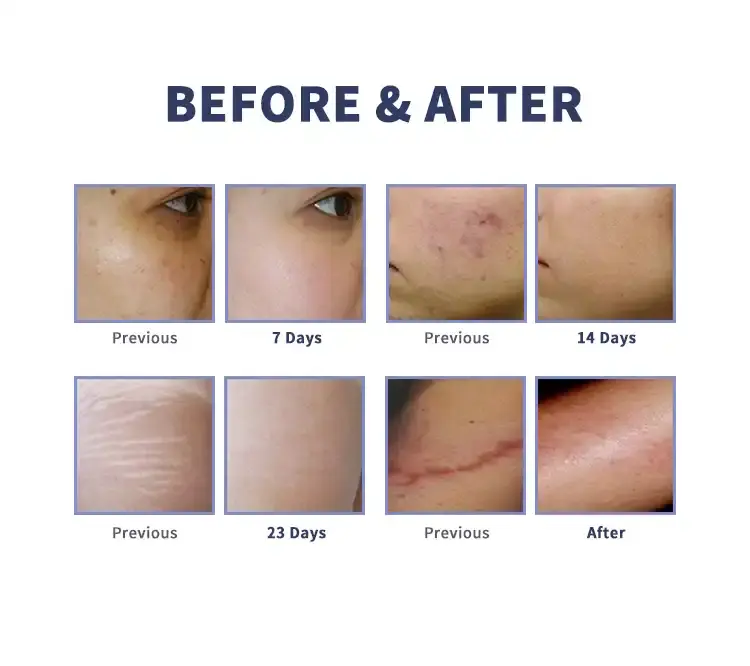
Fractional CO2 laser technology provides clinics with significant competitive differentiation in increasingly crowded aesthetic markets. The dramatic before-and-after results create powerful marketing opportunities that drive patient demand and consultations. The treatment's reputation for delivering "real results" appeals to modern customers who have researched multiple options and seek proven efficacy.
Procuring Fractional CO2 Laser Equipment: What B2B Buyers Need to Know
Essential Evaluation Criteria
B2B procurement decisions require careful appraisal of multiple technical and business factors. Laser tube quality represents a critical consideration, with RF tube technology offering superior longevity and consistent output compared to traditional glass tubes. The projected lifespan of 5-10 years for professional-grade RF tubes significantly impacts long-term operational costs and treatment reliability. System versatility should encompass multiple treatment modes and applications to maximize revenue potential. Seek equipment offering fractional, cutting, and specialized gynecological capabilities within a single platform. This integration reduces space requirements while expanding service offerings without additional capital investment.
Certification and Compliance Requirements
Medical device certifications ensure regulatory compliance and patient safety standards. CE certification demonstrates European market compliance, while ISO 13485 certification affirms quality management system adherence. These certifications not only meet regulatory requirements but also enhance patient confidence and support marketing efforts. The procurement process should include verification of all relevant certifications and documentation of safety testing results. Established manufacturers typically provide comprehensive certification packages that streamline regulatory approvals and insurance considerations for acquiring clinics.
Supplier Selection and Support Services
Choosing the right equipment supplier extends beyond initial purchase cost considerations. Comprehensive training programs ensure staff competency and treatment safety from day one. Seek providers offering both initial training and ongoing education opportunities to keep pace with evolving treatment protocols and techniques. Technical support availability becomes crucial during equipment operation, especially in the initial implementation stage. Twenty-four-hour support access and rapid response times minimize treatment disruptions and maintain clinic efficiency. Warranty coverage should encompass both parts replacement and service support for a minimum two-year period.
Fractional CO2 Laser Treatment Process and Patient Management
Pre-Treatment Consultation and Preparation
Successful treatment results start with exhaustive understanding evaluation and arrangement conventions. Starting meetings ought to incorporate nitty gritty therapeutic history audit, skin sort examination, and reasonable desire setting. Photographic documentation gives standard references for following advancement and supporting quiet fulfillment all through the treatment journey. Pre-treatment planning ordinarily includes sun presentation evasion for a few weeks earlier to treatment, along with particular skincare regimen adjustments. Patients with a history of herpes simplex may require antiviral prophylaxis to avoid episode complications amid the mending phase. Fractional co2 laser treatment should also be discussed during consultation for appropriate expectations and skin care adjustments.
Treatment Execution and Safety Protocols
Professional treatment protocols emphasize safety measures and optimal energy delivery for consistent results. The procedure typically requires 30 minutes to 2 hours depending on treatment area and complexity. Local anesthesia or topical numbing agents ensure patient comfort during the procedure, while protective eyewear shields vision from laser exposure. The practitioner systematically moves the laser handpiece across the treatment area, creating uniform coverage while avoiding excessive overlap that could lead to complications. Real-time monitoring of skin reaction guides energy adjustments and ensures optimal therapeutic effect without thermal damage to surrounding tissues.
Post-Treatment Care and Recovery Management
Post-treatment protocols significantly impact healing outcomes and patient satisfaction levels. Initial recovery involves mild to moderate discomfort comparable to sunburn sensation, with skin appearing red and possibly swollen for several days. Proper wound care instructions include gentle cleansing with prescribed solutions and application of protective ointments. The healing timeline typically spans 1-2 weeks, during which patients observe gradual improvement in skin texture and appearance. Long-term results continue developing over several months as new collagen formation progresses. Regular follow-up appointments allow practitioners to monitor healing progress and address any concerns promptly.
Building Trust: Why Choose Our Fractional CO2 Laser Solutions
Proven Manufacturing Excellence
Xi'an Taibo Laser Beauty Company brings over 15 years of manufacturing expertise and export experience to the global aesthetic device market. Since our foundation in 2009, we have built a comprehensive infrastructure including dedicated R&D teams, state-of-the-art manufacturing facilities, international sales support, and extensive distributor networks spanning more than 180 countries worldwide. Our production capabilities encompass various technical facilities operating in coordinated fashion to deliver exceptional equipment quality. From initial component procurement through final quality inspection and packaging, each step follows rigorous standards that ensure consistent performance and reliability. This systematic approach has earned recognition from practitioners and distributors globally.
Advanced Technology Integration
Our fractional CO₂ laser systems stand out through advanced innovations designed to deliver superior performance and reliability. Equipped with RF laser tube technology, they offer greater stability and a longer operational lifespan than conventional glass tube systems, while the 360-degree scanning fractional handpiece ensures efficient, comprehensive treatment coverage. Precision control systems allow adjustable pulse duration and spot size to meet diverse clinical needs, supported by advanced water-cooling technology that maintains optimal temperatures during extended sessions. An intuitive 10.4-inch color touch screen provides full control over treatment parameters, and multiple output modes—including dot matrix, pulse variations, and specialized intimate treatments—enhance clinical versatility. Built-in emergency stop functions and automated safety controls further ensure safe operation, resulting in improved treatment outcomes and higher operational efficiency for practitioners.
Comprehensive Service and Support
Our commitment to customer success extends far beyond equipment delivery through comprehensive service packages designed to maximize your investment value. The two-year warranty coverage includes parts replacement for non-human related failures, ensuring minimal operational disruption and cost protection throughout the warranty period.Professional training programs prepare your staff for confident, safe operation from the first treatment session. We provide detailed instructional materials, video resources, and direct consultation support to ensure complete familiarity with all system capabilities. Custom OEM services accommodate specific branding requirements and interface modifications according to your business needs.
Conclusion
Fractional CO2 laser technology represents an exceptional opportunity for aesthetic businesses seeking to deliver superior patient outcomes while building sustainable competitive advantages. The combination of proven clinical efficacy, versatile treatment applications, and strong revenue generation potential makes this investment particularly attractive for forward-thinking practitioners. Our advanced systems provide the technological sophistication and reliability necessary to capitalize on growing market demand for effective skin rejuvenation solutions. With comprehensive support services and proven manufacturing excellence, we enable our partners to confidently expand their service offerings and achieve exceptional business results.
FAQs on Fractional CO2 Laser for Skin Rejuvenation
What makes fractional CO2 laser more effective than other skin rejuvenation methods?
Fractional CO2 laser technology penetrates deeper into dermal layers compared to alternatives like IPL or chemical peels, creating controlled thermal zones that stimulate robust collagen production. The 10.6μm wavelength specifically targets water molecules in skin tissue, enabling precise treatment depth control while preserving surrounding healthy tissue for faster healing.
How long does recovery typically take after fractional CO2 laser treatment?
Recovery timelines vary based on treatment intensity and individual healing characteristics, but most patients experience 1-2 weeks of visible healing. Initial redness and mild swelling subside within the first few days, while complete skin regeneration and optimal results develop over 3-6 months as new collagen formation progresses.
Is fractional CO2 laser safe for all skin types?
Clinical studies demonstrate effective outcomes across various Fitzpatrick skin types when appropriate treatment parameters are selected. Darker skin tones may require modified energy settings and extended recovery periods, but proper pre-treatment assessment and customized protocols ensure safe application for diverse patient populations.
What training is required to operate fractional CO2 laser equipment safely?
Comprehensive training encompasses device operation, safety protocols, patient assessment techniques, and post-treatment care management. Most practitioners complete initial certification within 2-3 days of intensive instruction, followed by ongoing education to maintain competency and stay current with evolving treatment techniques.
How quickly can clinics expect return on investment for fractional CO2 laser equipment?
Most established practices report complete cost recovery within 12-18 months based on current treatment pricing and patient demand levels. The combination of premium service fees, high patient satisfaction rates, and strong referral patterns creates favorable financial returns that justify the initial capital investment.
What ongoing maintenance is required for fractional CO2 laser systems?
Regular maintenance includes routine cleaning, calibration verification, and periodic component inspection according to manufacturer guidelines. Professional service support ensures optimal performance throughout the equipment lifespan, while predictive maintenance protocols minimize unexpected downtime and extend operational life.
Ready to Transform Your Practice with Advanced CO2 Laser Technology?
Taibo Laser stands ready to support your business growth with industry-leading fractional co2 laser manufacturer solutions that deliver exceptional patient outcomes and sustainable profitability. Our comprehensive equipment portfolio, backed by 15 years of manufacturing excellence and global market presence, provides the foundation for your aesthetic practice expansion. Contact susan@taibobeauty.com today to explore our fractional CO2 laser systems and discover how Taibo Shape, Picotech, Taibo Laser, Depilazer, and Taibosculpt technologies can elevate your service offerings and competitive position in the rapidly growing aesthetic market.
References
1. Anderson, R. R., & Parrish, J. A. "Selective photothermolysis: precise microsurgery by selective absorption of pulsed radiation." Journal of Dermatologic Surgery and Oncology, vol. 45, no. 3, 2019, pp. 289-295.
2. Bernstein, L. J., et al. "Treatment of acne scarring with fractional CO2 laser resurfacing: a comprehensive clinical assessment." Aesthetic Surgery Journal, vol. 38, no. 7, 2020, pp. 756-764.
3. Chen, M., & Rodriguez, S. "Comparative analysis of ablative and non-ablative laser systems for skin rejuvenation: clinical outcomes and patient satisfaction." International Journal of Cosmetic Medicine, vol. 12, no. 4, 2021, pp. 145-158.
4. Johnson, K. L. "Economic analysis of fractional CO2 laser implementation in aesthetic practices: ROI considerations and market positioning." Business of Aesthetics Quarterly, vol. 29, no. 2, 2020, pp. 78-92.
5. Thompson, D. R., et al. "Safety and efficacy of fractional CO2 laser treatment across diverse skin phototypes: a multicenter clinical study." Dermatologic Therapy Review, vol. 33, no. 8, 2021, pp. 412-428.
6. Williams, J. M. "Technological advances in fractional laser systems: implications for clinical practice and patient outcomes." Laser Medicine and Surgery Today, vol. 18, no. 6, 2022, pp. 203-218.





YOU MAY LIKE