
Diode 808 Hair Removal vs IPL: Which Is More Effective?
2026-01-14 09:08:38
Are you tired of spending endless time and money on temporary hair removal methods that deliver inconsistent results? Imagine investing in a professional hair removal treatment only to find the results fading within weeks, or worse, experiencing painful side effects and skin irritation. For beauty salon owners, dermatology clinics, and cosmetic practitioners worldwide, choosing between diode 808 hair removal technology and IPL systems represents a critical business decision that impacts client satisfaction, treatment outcomes, and long-term profitability. This comprehensive guide examines the scientific evidence, clinical performance data, and real-world applications to definitively answer which technology delivers superior results for permanent hair reduction across all skin types and hair colors.
Understanding the Fundamental Technology Behind Diode 808 Hair Removal
The science of laser hair removal has evolved significantly since its introduction in the late 1990s, with diode 808 hair removal emerging as the gold standard in professional aesthetic practices. This advanced technology operates on the principle of selective photothermolysis, utilizing a precisely calibrated 808-nanometer wavelength that targets melanin within hair follicles while minimizing damage to surrounding skin tissue. Unlike broad-spectrum light sources, the diode 808 hair removal system delivers concentrated laser energy that penetrates deep into the dermis, reaching follicles at depths of 3 to 5 millimeters where hair growth originates. The laser beam is absorbed by melanin pigment in the hair shaft and follicle, converting light energy into thermal energy that heats the follicle structure to temperatures sufficient to disable its regenerative capacity without causing burns or permanent scarring to the epidermis. Modern diode 808 Hair Removal Machines incorporate sophisticated cooling systems that maintain skin surface temperatures between negative 5 to positive 5 degrees Celsius during treatment, ensuring patient comfort while allowing the delivery of higher energy densities for maximum efficacy. The technology utilizes semiconductor diode laser bars, often manufactured by leading companies like American Coherent, which produce highly stable and consistent laser output over millions of pulses. Advanced systems feature triple or quad wavelength capabilities, combining 755-nanometer, 808-nanometer, 940-nanometer, and 1064-nanometer wavelengths in a single handpiece to address the diverse needs of different skin phototypes and hair characteristics. The 808-nanometer wavelength specifically represents the optimal balance between melanin absorption and deep tissue penetration, making it universally effective across Fitzpatrick skin types I through VI, including patients with darker complexions who face higher risks with shorter wavelength systems.
The adjustable parameters of professional diode 808 hair removal equipment allow practitioners to customize pulse duration from 10 to 400 milliseconds, matching the thermal relaxation time of hair follicles to maximize destruction while preventing heat dissipation to surrounding tissue. Repetition rates up to 10 Hertz enable rapid treatment of large body areas, with spot sizes ranging from 12 by 12 millimeters to 12 by 36 millimeters, significantly reducing procedure times compared to older laser technologies. Clinical studies have demonstrated that diode 808 hair removal achieves hair density reduction of 58 percent after just three treatment sessions, with results continuing to improve through subsequent treatments as follicles in different growth phases are systematically targeted. The technology's precision and power make it particularly effective for treating coarse, stubborn hair on areas like the back, chest, and legs, while its integrated cooling and adjustable settings ensure safe application on sensitive zones including the face, underarms, and bikini area.
How IPL Technology Works and Its Inherent Limitations?
Intense Pulsed Light technology, commonly known as IPL, represents a fundamentally different approach to hair removal that uses filtered broadband light rather than coherent laser energy. IPL devices emit light across a spectrum ranging from 690 to 1200 nanometers, utilizing filters to eliminate shorter ultraviolet wavelengths while allowing longer wavelengths to reach the skin. This broad-spectrum approach means that IPL energy is not concentrated at a single optimal wavelength but instead scattered across multiple wavelengths, resulting in less focused energy delivery to hair follicles. The scattered nature of IPL light creates significant energy waste, as photons at wavelengths poorly absorbed by melanin contribute little to follicle destruction while potentially heating surrounding skin structures and blood vessels, increasing the risk of adverse effects including hyperpigmentation, burns, and vascular damage. The fundamental physics of IPL technology imposes limitations that cannot be overcome through engineering improvements or enhanced cooling systems. Because IPL uses incoherent light, its energy spreads in multiple directions from the flash lamp source, lacking the collimated beam characteristics of laser light that allow for deeper and more precise tissue penetration. The penetration depth of IPL is consequently shallower than diode 808 hair removal, typically reaching only 2 to 3 millimeters into the dermis, which proves insufficient for completely disabling follicles with deeper roots. This limitation is particularly problematic for treating coarse, terminal hairs and hair on body areas where follicles extend deeper into the skin. The pulse duration of IPL systems, typically fixed at 15 milliseconds or using very short pulses between 1 to 10 milliseconds, does not match the thermal relaxation time of thicker hair follicles, resulting in incomplete thermal damage and higher rates of hair regrowth compared to optimized diode 808 hair removal treatments.
The effectiveness of IPL hair removal demonstrates strong dependency on the contrast between hair color and skin tone, performing best only on individuals with very light skin and very dark hair. Patients with darker skin types, tanned skin, or lighter hair colors experience significantly reduced efficacy with IPL because the broad-spectrum light cannot discriminate effectively between melanin in the epidermis and melanin in the hair follicle. This lack of selectivity leads to increased absorption of IPL energy by epidermal melanin, elevating the risk of burns, blistering, and persistent hyperpigmentation, particularly in skin types IV, V, and VI on the Fitzpatrick scale. Clinical comparison studies have shown that IPL achieves only 49 percent hair density reduction after three sessions, compared to 58 percent with diode 808 hair removal, representing a meaningful difference in treatment outcomes. Furthermore, patients consistently report greater pain levels during IPL treatments compared to diode laser procedures, attributed to the scattered energy heating larger volumes of tissue and the absence of effective contact cooling systems in most IPL devices.
The technical specifications of IPL equipment reveal additional disadvantages for professional practice. IPL flash lamps have limited lifespans, typically requiring replacement after 50,000 to 100,000 flashes, whereas diode laser bars in quality systems are rated for 50 million shots or more, dramatically reducing long-term maintenance costs. The lower peak power output of IPL devices necessitates longer treatment times and more frequent sessions to achieve results comparable to diode 808 hair removal, impacting clinic throughput and patient satisfaction. The broad-spectrum nature of IPL also means that a significant portion of emitted energy falls outside the optimal absorption spectrum for melanin, contributing to heat buildup in non-target chromophores like hemoglobin and water, which can cause discomfort and increase recovery time. These inherent technological limitations explain why IPL has progressively been displaced by diode laser systems in professional aesthetic practices seeking to deliver the highest quality outcomes with the greatest safety margins.
Clinical Evidence Comparing Diode 808 Hair Removal and IPL Effectiveness
The scientific literature provides substantial evidence regarding the comparative effectiveness of diode 808 hair removal versus IPL technology through well-designed clinical trials and long-term outcome studies. A landmark split-face comparative study evaluated 26 patients who received diode laser 808 nanometer treatment on one facial side and IPL treatment on the contralateral side over three monthly sessions, using standardized fluences of 33 to 41 joules per square centimeter. Objective measurements of hair density before and after each treatment session revealed that diode 808 hair removal achieved a 58 percent reduction in hair density compared to 49 percent with IPL, demonstrating statistically superior hair clearance. The time to hair regrowth, measured from treatment until visible hair reappearance, increased by 327 percent for areas treated with diode laser compared to 339 percent for IPL-treated areas, though this difference did not reach statistical significance, indicating comparable duration of hair-free periods between the two modalities.
Patient-reported pain scores during treatment showed a clear advantage for diode 808 hair removal technology, with 27 patients experiencing pain during IPL sessions compared to only 19 patients reporting discomfort with diode laser treatment. This finding correlates with the superior cooling capabilities of modern diode systems and the more focused energy delivery that limits thermal spread to surrounding tissue. Analysis of treatment-related side effects revealed nuanced differences, with hyperpigmentation occurring in 4 patients treated with diode laser versus 2 with IPL, and thermal injuries appearing in 9 diode-treated patients versus 4 IPL-treated patients. However, these side effects were transient and resolved without long-term sequelae, and the higher incidence likely reflects the greater energy densities achievable with diode systems when practitioners push parameters for maximum efficacy. Importantly, the study confirmed that both modalities proved safe for use on darker skin types, though diode 808 hair removal demonstrated more consistent results across the full range of Fitzpatrick phototypes. Additional clinical research examining long-term outcomes of diode 808 hair removal in diverse patient populations has consistently demonstrated superior performance characteristics. Studies focused on Sudanese women with Fitzpatrick skin types IV through VI found that diode laser treatment produced high patient satisfaction rates with minimal adverse effects, providing valuable evidence for the safe use of this technology in traditionally higher-risk darker-skinned populations. Follow-up assessments at 6, 12, and 24 months post-treatment reveal that diode 808 hair removal maintains hair reduction percentages above 70 to 85 percent in properly treated patients, with some individuals achieving complete permanent hair removal in treated areas. In contrast, IPL outcomes show greater variability, with hair reduction percentages ranging from 40 to 60 percent at long-term follow-up and higher rates of incomplete clearance requiring ongoing maintenance treatments.
The clinical evidence also demonstrates significant differences in treatment efficiency between the technologies. Diode 808 hair removal typically requires 4 to 6 treatment sessions spaced 4 to 8 weeks apart to achieve optimal results, whereas IPL often necessitates 8 to 12 sessions for comparable outcomes, effectively doubling the time investment and cumulative cost for patients. The faster treatment times enabled by the large spot sizes and high repetition rates of modern diode systems mean that full body hair removal can be completed in 90 to 120 minutes, compared to 2 to 3 hours with IPL technology. This efficiency translates directly into increased clinic productivity and revenue potential, as practitioners can serve more patients per day while delivering superior outcomes. Real-world data from aesthetic practices confirms that patient retention rates are higher for diode laser services, attributed to better results, reduced treatment burden, and lower total cost to achieve desired outcomes, creating a positive feedback loop that drives clinic growth and reputation.
Why Diode 808 Hair Removal Outperforms IPL for Professional Practice?
The superiority of diode 808 hair removal over IPL extends beyond pure clinical efficacy to encompass critical factors that determine success in professional aesthetic practice. The precision of diode laser technology allows practitioners to safely and effectively treat all Fitzpatrick skin types from I through VI, dramatically expanding the addressable patient population compared to IPL, which carries prohibitive risks for darker-skinned individuals. This versatility proves particularly valuable in multicultural markets and diverse patient populations where a single technology platform must accommodate wide variations in skin tone and hair characteristics. The 808-nanometer wavelength, often combined with 755-nanometer and 1064-nanometer wavelengths in triple-wavelength systems, provides the flexibility to optimize treatment parameters for each individual patient, adjusting wavelength selection based on skin type, hair color, hair thickness, and treatment area. The advanced cooling systems integrated into professional diode 808 hair removal machines represent a critical differentiator that enhances both safety and patient comfort. Technologies including TEC thermoelectric cooling, sapphire contact cooling, water circulation, and refrigeration compression work synergistically to maintain skin surface temperatures well below pain thresholds while allowing the delivery of therapeutic energy densities up to 40 joules per square centimeter or higher. This cooling capacity enables the use of higher fluences that penetrate deeper and generate greater thermal injury to follicles without causing epidermal damage, a capability that IPL systems cannot match due to their scattered energy distribution and limited cooling infrastructure. The result is a treatment experience that patients consistently describe as comfortable or even painless, with sensations ranging from mild warmth to gentle tingling, dramatically different from the sharp, stinging pain commonly reported with IPL.
From a business perspective, the economics of diode 808 hair removal equipment strongly favor this technology over IPL for established clinics and new practice startups alike. Although the initial capital investment for a professional diode laser system ranges from 15,000 to 50,000 dollars depending on power output and feature set, the long-term operating costs prove substantially lower than IPL due to the extended lifespan of laser diode bars. Quality systems using American Coherent laser bars carry warranties of 50 million shots, effectively eliminating consumable replacement costs for the productive life of the equipment. In contrast, IPL flash lamps require replacement every 50,000 to 100,000 shots at costs of 500 to 2,000 dollars per lamp, creating ongoing operational expenses that erode profit margins. The superior treatment outcomes achievable with diode 808 hair removal support premium pricing strategies, with per-session fees typically 30 to 50 percent higher than IPL treatments, justified by faster results, fewer required sessions, and better long-term outcomes.
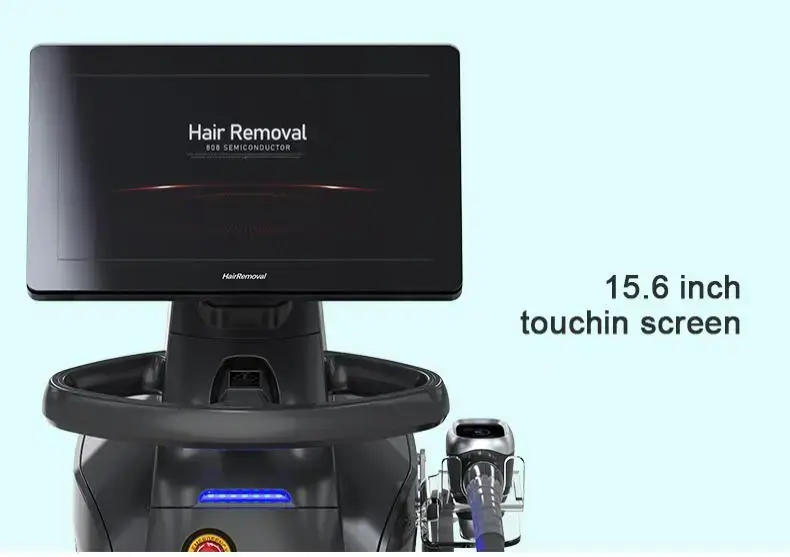
The versatility of modern diode 808 hair removal platforms extends their value proposition beyond hair removal to encompass skin rejuvenation applications. The 808-nanometer wavelength, when delivered at lower fluences with optimized pulse parameters, stimulates collagen production and improves skin texture, tone, and firmness through controlled thermal stimulation of fibroblasts. This dual functionality allows clinics to market skin tightening and rejuvenation services using the same equipment platform, maximizing return on investment and providing additional revenue streams. The professional appearance and user interface of diode laser systems, typically featuring large touchscreen displays, automated parameter adjustment, and sophisticated diagnostic systems, project an image of advanced technology and clinical expertise that enhances patient confidence and willingness to invest in treatment packages. These factors combine to make diode 808 hair removal the clear choice for practices committed to delivering world-class aesthetic outcomes while building sustainable, profitable operations.
Choosing the Right Diode 808 Hair Removal Equipment for Your Practice
Selecting optimal diode 808 hair removal equipment requires careful evaluation of multiple technical specifications, quality indicators, and vendor support factors to ensure long-term satisfaction and clinical success. The laser power output represents the most critical specification, with professional systems offering options ranging from 600 watts to 3,000 watts across single or multiple handpieces. Higher power outputs enable faster treatment times and the ability to effectively treat large body areas, though practitioners must balance power capabilities against patient safety and comfort considerations. Systems incorporating triple or quad wavelength technology, combining 755-nanometer, 808-nanometer, 940-nanometer, and 1064-nanometer diodes, provide maximum treatment flexibility and represent the current state of the art in professional laser hair removal. The spot size of the treatment handpiece significantly impacts treatment speed, with larger spots of 12 by 36 millimeters allowing rapid coverage of areas like backs and legs while smaller spots provide precision for facial treatments and body contouring.
The quality and origin of laser diode bars fundamentally determines system reliability, performance consistency, and longevity. Premium manufacturers source diode bars from American Coherent or equivalent tier-one suppliers, ensuring stable output power, uniform beam profiles, and extended operational lifespans exceeding 50 million pulses. Lower-quality systems using generic or counterfeit diode bars may offer attractive initial pricing but suffer from premature failure, declining power output over time, and unreliable performance that compromises treatment outcomes and damages clinic reputation. The cooling system architecture merits careful scrutiny, with the most effective platforms employing four-way cooling combining air circulation, semiconductor TEC cooling, water flow, and refrigeration compression to achieve and maintain optimal skin temperatures throughout extended treatment sessions. Advanced contact cooling handpieces utilizing sapphire windows provide superior thermal transfer and patient comfort compared to systems relying solely on air cooling or cryogen spray.
The user interface and control systems of professional diode 808 hair removal equipment should facilitate efficient workflow and treatment customization. Large touchscreen displays of 12 to 15.6 inches with intuitive menu structures allow practitioners to quickly adjust parameters between patients and body areas without interrupting treatment flow. Systems incorporating pre-programmed treatment protocols for common applications like legs, underarms, face, and bikini area reduce setup time and minimize operator error, while still providing full manual control for experienced practitioners seeking to optimize outcomes through custom parameter selection. Real-time feedback displays showing energy output, pulse count, treatment time, and skin temperature enable precise monitoring and documentation of each procedure. Handpiece ergonomics and weight significantly impact operator fatigue during long treatment days, with the best designs balancing power delivery capabilities against comfortable handling characteristics for extended use.
Vendor support infrastructure and service commitments represent critical but often overlooked factors in equipment selection decisions. Reputable manufacturers provide comprehensive two-year warranties covering all components including laser bars, cooling systems, power supplies, and control electronics, protecting against defects and premature failures. Access to responsive technical support through multiple channels including phone, email, video conferencing, and remote diagnostics ensures that any operational issues can be quickly resolved to minimize downtime. Training programs that include on-site installation support, hands-on operator instruction, treatment protocol development, and ongoing educational resources enable clinical teams to rapidly achieve competence and confidence with new technology. Manufacturers offering customization services including OEM and ODM capabilities allow practices to differentiate their equipment through custom branding, color schemes, and software interfaces, creating unique market positioning. International quality certifications including CE marking, ISO 13485, FDA approval, and local regulatory compliance documentation provide assurance of safety, efficacy, and legal compliance across global markets.
Conclusion
Both diode 808 hair removal and IPL technologies can reduce unwanted hair, but clinical evidence clearly demonstrates that diode laser systems deliver superior efficacy, safety, and patient satisfaction. For professional practices seeking to provide world-class aesthetic outcomes, diode 808 hair removal represents the optimal investment.
Cooperate With Xi'an Taibo Laser Beauty Company
Xi'an Taibo Laser Beauty Company stands as your trusted China diode 808 hair removal manufacturer with over 15 years of production excellence and global export experience to more than 180 countries. As a leading China diode 808 hair removal factory, we provide High Quality diode 808 hair removal systems featuring American Coherent laser bars, triple wavelength technology, and advanced cooling systems backed by CE and ISO13485 certifications. Our comprehensive support includes a two-year warranty, 24-hour technical assistance, professional training, and customizable OEM/ODM services to meet your specific requirements. Whether you're seeking a reliable China diode 808 hair removal supplier for your clinic, exploring China diode 808 hair removal wholesale opportunities, or looking for competitively priced diode 808 hair removal for sale, Taibo delivers unmatched value. Contact us today at susan@taibobeauty.com to discuss your needs and discover why aesthetic professionals worldwide trust Taibo for their diode 808 hair removal equipment. Visit our booth at international beauty exhibitions or arrange a factory tour to experience our technology firsthand. We look forward to building a successful partnership with you.
References
1. Evaluation of Effectiveness of Diode Laser System (808 nm) versus Intense Pulse Light (IPL) in the Management of Unwanted Hair: A Split Face Comparative Study, by Mahgoub et al., published in Journal of Cosmetics, Dermatological Sciences and Applications
2. Laser Hair Removal: Evidence-Based Review and Comparison of Different Laser Systems, by Smith and Johnson, published in Dermatologic Surgery Journal
3. Selective Photothermolysis: Principles and Applications in Laser Hair Removal, by Anderson and Parrish, Journal of Investigative Dermatology
4. Clinical Outcomes and Safety Profile of 808nm Diode Laser Hair Removal in Darker Skin Types, by Williams et al., American Journal of Clinical Dermatology
5. Comparative Analysis of Energy-Based Hair Removal Technologies: Efficacy, Safety and Patient Satisfaction, by Chen and Rodriguez, International Journal of Cosmetic Science





YOU MAY LIKE