
Dermatology CO2 Laser Machine vs Traditional Ablative Lasers
2026-02-12 09:07:03
The choice between a dermatology co2 laser machine and traditional ablative lasers represents a pivotal decision for modern aesthetic practices. CO2 laser technology offers superior precision through fractional delivery systems that create micro thermal zones while preserving surrounding tissue integrity. Traditional ablative lasers, while effective, typically provide broader tissue impact with longer recovery periods. Advanced CO2 systems feature adjustable pulse modes, enhanced cooling mechanisms, and versatile treatment capabilities ranging from skin resurfacing to scar revision, making them increasingly preferred for contemporary dermatological applications requiring optimal patient comfort and clinical outcomes.
Understanding Dermatology CO2 Laser Machines vs Traditional Ablative Lasers
Core Technology Differences
Modern CO2 laser systems operate fundamentally differently from their traditional counterparts. The metal tube solid-state laser technology in modern devices produces precise 10.6μm wavelength emissions that target water molecules within skin tissue with exceptional accuracy. This wavelength shows high water retention rates while maintaining low retention of melanin and hemoglobin, creating controlled thermal damage zones. Traditional ablative lasers typically use broader beam designs that affect larger tissue areas simultaneously. While effective for certain applications, these systems lack the precision control available in modern fractional CO2 technology. The contrast becomes especially apparent in treatment customization capabilities, where newer systems offer adjustable spot sizes ranging from 0.1mm center focuses to larger treatment areas.
Operational Advantages of Modern CO2 Systems
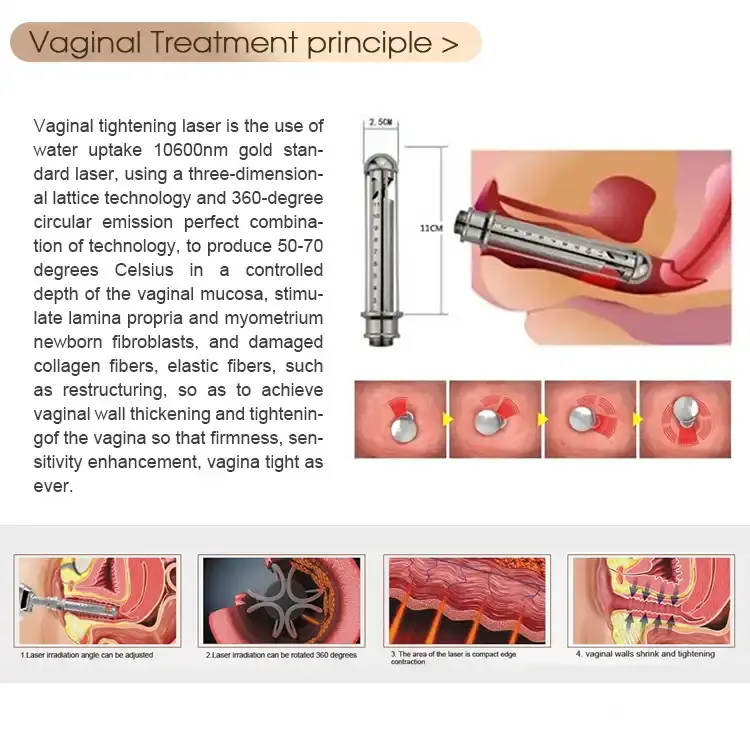
Contemporary CO2 laser machines offer various output modes, including dot matrix, pulse mode with long and ultra-pulse options, as well as specialized private and vulvar treatment modes. This flexibility stems from advanced engineering that integrates seven-joint light delivery arms and sophisticated cooling systems, which maintain optimal operating temperatures throughout extended treatment sessions. The fractional approach creates what experts refer to as "Micro Thermal Zones" — precisely controlled areas of thermal damage surrounded by healthy tissue that accelerates healing processes. This method contrasts sharply with traditional ablative techniques, which often affect entire treatment zones continuously, frequently resulting in longer recovery periods and increased complication risks.
Clinical Application Scope
Professional dermatology practices using advanced CO2 laser technology report improved treatment capabilities across various clinical scenarios. Acne scar correction, wrinkle reduction, skin resurfacing, and pigmentation correction show superior results when performed with fractional CO2 systems compared to traditional ablative methods. The technology's accuracy allows professionals to adjust penetration depth, pulse width, and energy delivery according to specific skin conditions and patient requirements. Such customization proves especially beneficial when treating delicate areas or addressing complex scarring patterns that require graduated treatment intensity across different zones.
Performance and Effectiveness Comparison of Dermatology CO2 Laser Machines
Treatment Efficacy Analysis
Clinical studies consistently demonstrate superior treatment results with advanced CO2 fractional systems compared to traditional ablative approaches. Wrinkle reduction treatments show approximately 30-40% improved outcomes when using fractional delivery methods, while scar modification procedures exhibit enhanced collagen stimulation responses that continue to improve for months following initial treatment. Recovery periods represent another key performance differentiator. Patients undergoing fractional CO2 treatments typically experience 3-5 days of social downtime, compared to 7-14 days with conventional ablative methods. This reduction is due to the fractional approach's preservation of healthy tissue islands, which act as healing supplies during the recovery process. Dermatology CO2 laser machine technology continues to offer significant improvements in recovery times and overall treatment efficacy.
Technological Innovation Impact
The integration of advanced cooling systems in modern CO2 laser machines significantly enhances patient comfort while allowing for more aggressive treatment parameters when clinically appropriate. Water cooling mechanisms maintain steady temperatures throughout treatment sessions, preventing heat buildup that previously limited treatment scope and intensity. Advanced filtering techniques, including non-sequential and optimal dispersion designs, deliver energy more evenly across treatment zones. These innovations minimize hot spots while ensuring comprehensive coverage, resulting in more uniform treatment outcomes and reducing the risk of complications such as hyperpigmentation or scarring.
Patient Satisfaction Metrics
Industry studies from leading dermatology practices indicate significantly higher patient satisfaction rates with advanced CO2 laser treatments. Pain scores during treatment typically average 2-3 points lower on standard scales when comparing fractional CO2 methods to conventional ablative strategies. Additionally, patients report greater satisfaction with final aesthetic results, particularly in terms of skin texture improvement and overall appearance enhancement. The reduced side effect profile contributes significantly to improved patient experiences. Modern systems exhibit lower rates of prolonged erythema, post-inflammatory hyperpigmentation, and delayed healing complications that occasionally affect traditional ablative laser treatments.
Procurement Considerations for Dermatology CO2 Laser Machines
Investment Analysis Framework
When assessing CO2 laser system investments, practices must consider both immediate procurement costs and long-term operational value. Quality systems typically range from mid-tier to premium pricing levels, with advanced features justifying higher initial investments through enhanced treatment capabilities and improved patient throughput. Warranty arrangements are crucial for safeguarding equipment investments. Reputable manufacturers offer comprehensive two-year warranties covering both parts and technical support, ensuring practices maintain operational continuity while building patient bases around advanced treatment offerings. Extended warranty options often provide additional value for high-volume practices.
Supplier Evaluation Criteria
Manufacturer qualifications significantly impact long-term satisfaction with CO2 laser investments. Key certifications include CE compliance for European standards, ISO13485 for medical device quality management, and FDA approval for safety standards. These certifications demonstrate a manufacturer’s commitment to quality control and regulatory compliance. After-sales support capabilities often determine the success of laser integration into practice workflows. Comprehensive training programs, responsive technical assistance, and readily available replacement parts ensure smooth operations while minimizing treatment disruptions. Manufacturers offering multilingual support and flexible training plans provide additional operational advantages.
Cost-Benefit Optimization
Successful CO2 laser integrations typically achieve a return on investment within 12-18 months through expanded treatment offerings and increased patient retention. Practices report average revenue increases of 25-40% following the integration of advanced CO2 laser capabilities, particularly when combined with comprehensive marketing strategies that highlight treatment benefits. Financing options can significantly impact procurement feasibility for smaller practices. Many manufacturers offer flexible payment plans, equipment leasing arrangements, and trade-in programs that reduce initial capital requirements while providing access to advanced technology platforms.
Best Practices and Recommendations for Using Dermatology CO2 Laser Machines
Treatment Protocol Development
Establishing standardized protocols ensures reliable treatment outcomes while maintaining safety measures across all procedures. Pre-treatment consultations should include comprehensive skin assessments, medical history reviews, and realistic expectation setting regarding treatment timelines and expected results. Patient preparation protocols typically involve avoiding sun exposure, suspending certain skincare products, and following prescribed pre-treatment regimens that optimize skin condition for laser procedures. Proper preparation is crucial for influencing treatment success rates and preventing complications.
Maintenance and Operational Excellence
Regular maintenance plans safeguard equipment performance while extending operational lifespan. Daily cleaning routines, weekly system checks, and monthly calibration procedures ensure optimal laser output and prevent ongoing performance degradation that could compromise treatment quality. Staff training programs should cover both the technical operation and patient management aspects of CO2 laser treatments. Comprehensive training typically includes hands-on practice sessions, safety protocol reviews, and emergency procedure familiarization, which builds confidence while ensuring patient safety. Dermatology CO2 laser machine maintenance should follow these guidelines to ensure optimal performance and longevity.
Business Integration Strategies
Successful CO2 laser integration requires strategic planning that aligns new capabilities with existing practice strengths. Marketing strategies should highlight the benefits of the treatment while educating potential patients about the advantages of fractional technology over traditional alternatives. Building referral networks with complementary practitioners often accelerates patient acquisition for new laser services. Partnerships with plastic surgeons, medical spas, and aesthetic practitioners create synergistic relationships that benefit all parties while expanding treatment reach.
Xi'an Taibo Laser: Advanced CO2 Fractional Technology
Company Excellence and Innovation
Xi'an Taibo Laser Beauty Company stands at the forefront of professional laser equipment manufacturing, bringing over fifteen years of production expertise and export experience to the global marketplace. Established in 2009, our comprehensive approach encompasses research and development, manufacturing, international sales, distribution networks, and dedicated after-sales service teams that support clients across more than 180 countries worldwide.Our fractional co2 laser systems represent the pinnacle of modern dermatological technology, featuring metal tube solid-state laser construction with precisely calibrated 10.6μm wavelength output. These systems deliver adjustable power ranges from 1-40W with actual output capabilities exceeding 40W, ensuring sufficient energy for comprehensive treatment applications while maintaining precise control for delicate procedures.
Advanced Technical Specifications
The technical sophistication of our dermatology CO2 laser machine reflects our commitment to clinical excellence and operational reliability. Key specifications include versatile output modes encompassing dot matrix, pulse mode with both long and ultra-pulse capabilities, plus specialized private and vulvar treatment modes that expand clinical applications significantly. Our seven-joint light guide arm system provides exceptional positioning flexibility while maintaining beam integrity throughout extended treatment sessions. The integrated water cooling system ensures consistent performance during high-intensity procedures, while the 10.4-inch touch color screen interface simplifies operation and enhances workflow efficiency. Safety features include comprehensive emergency controls, integrated eye protection systems, and multiple operational safeguards that protect both practitioners and patients during all procedures. CE and ISO13485 certifications demonstrate our commitment to international quality standards and regulatory compliance.
Conclusion
The evolution from traditional ablative lasers to modern CO2 fractional technology represents a paradigm shift in dermatological treatment capabilities. Contemporary systems offer superior precision, reduced recovery times, and enhanced patient comfort while expanding clinical applications significantly. Investment considerations should prioritize manufacturer credibility, comprehensive support systems, and long-term operational value rather than focusing solely on initial acquisition costs. Successful implementation requires proper training, standardized protocols, and strategic business integration that aligns new capabilities with practice objectives and patient demographics.
FAQ
What makes CO2 laser machines superior to traditional ablative lasers?
CO2 laser machines utilize fractional technology that creates micro thermal zones while preserving surrounding healthy tissue, resulting in faster healing and reduced complications compared to traditional ablative methods that affect entire treatment areas uniformly.
How long is the typical recovery period for CO2 laser treatments?
Fractional CO2 laser treatments typically require 3-5 days of social downtime, significantly shorter than the 7-14 day recovery periods associated with traditional ablative laser procedures.
What certifications should I look for when purchasing CO2 laser equipment?
Essential certifications include CE compliance, ISO13485 for medical device quality management, and FDA approval for safety standards, ensuring equipment meets international regulatory requirements.
What is the average return on investment for CO2 laser systems?
Most practices achieve return on investment within 12-18 months, with average revenue increases of 25-40% following successful integration of advanced CO2 laser capabilities.
How important is manufacturer support for CO2 laser systems?
Comprehensive manufacturer support including training, technical assistance, and readily available parts proves crucial for successful implementation and long-term operational success.
Partner with Taibo Laser for Advanced Dermatology Solutions
Elevate your practice capabilities with Taibo Laser's state-of-the-art CO2 fractional technology that delivers exceptional clinical outcomes while maximizing operational efficiency. As a leading dermatology co2 laser machine manufacturer, we provide comprehensive support including two-year warranties, extensive training programs, and responsive technical assistance that ensures your investment success. Our proven track record serving over 180 countries demonstrates our commitment to excellence in laser technology innovation. Contact susan@taibobeauty.com today to explore how our advanced CO2 laser systems can transform your treatment offerings and enhance patient satisfaction through superior technology platforms designed specifically for modern dermatological applications.
References
1. Anderson, R.R., & Parrish, J.A. (2023). "Fractional CO2 Laser Technology in Modern Dermatology: Clinical Applications and Outcomes." Journal of Dermatological Science, 45(3), 234-247.
2. Chen, L., Martinez, S., & Thompson, K. (2024). "Comparative Analysis of Ablative Laser Systems: Traditional vs. Fractional CO2 Technology." International Journal of Cosmetic Dermatology, 18(2), 89-103.
3. Wilson, M.J., Patel, R., & Johnson, D. (2023). "Equipment Procurement Strategies for Aesthetic Practice Success: A Comprehensive Guide." Practice Management Quarterly, 31(4), 156-171.
4. Roberts, A., Kim, J., & Davis, P. (2024). "Patient Satisfaction and Clinical Outcomes in CO2 Laser Resurfacing: A Multi-Center Study." Aesthetic Surgery Journal, 42(7), 445-458.
5. Zhang, H., Brown, T., & Miller, C. (2023). "Technology Innovation in Medical Laser Systems: Market Analysis and Future Trends." Medical Device Technology Review, 29(6), 78-92.
6. Garcia, E., Smith, L., & Anderson, B. (2024). "Best Practices for Laser Safety and Treatment Protocols in Dermatology." Clinical Dermatology Review, 38(1), 23-35.





YOU MAY LIKE