
Dermatology CO2 Laser Machine Technology Explained in Simple Terms
2026-02-13 09:07:42
Understanding dermatology co2 laser machine technology starts with recognizing how these sophisticated devices revolutionize modern skin treatments. The dermatology co2 laser machine operates using a 10,600nm wavelength that precisely targets water molecules in skin tissue, creating controlled thermal damage to stimulate natural healing and collagen production. This advanced fractional technology delivers remarkable results for skin resurfacing, scar reduction, and anti-aging treatments while maintaining safety protocols essential for professional medical environments.
Understanding the Technology Behind Dermatology CO2 Laser Machines
Core Technology Principles and Laser-Tissue Interaction
The principal operation of CO2 laser technology centers on selective photothermolysis, where the 10.6μm wavelength specifically targets water molecules within skin tissue. When the laser beam contacts the epidermis, it instantly vaporizes cellular water content at temperatures reaching 100°C, causing precise tissue removal. This process allows professionals to remove damaged skin layers while preserving surrounding healthy tissue. Modern CO2 fractional systems use metal tube solid-state lasers that produce stable power output ranging from 1-40W. The fractional delivery method creates microscopic thermal zones (MTZs) throughout the treatment area, leaving bridges of untreated tissue that accelerate healing and reduce recovery time compared to traditional full-field ablation techniques.
Essential Components and Delivery Systems
Advanced dermatology CO2 laser machines incorporate cutting-edge components that ensure precision and safety. The seven-joint articulated arm provides optimal maneuverability, allowing practitioners to reach all treatment areas with consistent beam delivery. The integrated cooling system maintains ideal working temperatures, preventing overheating during extended treatment sessions. The device features multiple output modes, including dot matrix, pulse mode with long and ultra-pulse capabilities, and specialized modes for sensitive treatments. The 10.4-inch color touchscreen interface simplifies operation while providing real-time treatment parameters. These technical specifications enable professionals to customize treatments based on individual patient needs and skin conditions.
Latest 2024 Advancements in CO2 Laser Technology
Recent advancements in CO2 laser technology have introduced enhanced fractional designs and improved safety features. Modern systems now offer adjustable spot sizes from 0.1mm center points to larger treatment areas, providing exceptional control over treatment depth and intensity. The integration of the 635nm display light wavelength ensures precise targeting while maintaining continuous comfort. Contemporary machines include advanced filtering modes, including random, sequential, and optimal dispersion designs. These innovations reduce treatment time while improving clinical results through more uniform energy distribution across the treatment zone.
Benefits and Best Practices for CO2 Laser Skin Treatments
Clinical Advantages and Treatment Outcomes
CO2 laser skin resurfacing delivers outstanding results across various dermatological conditions. The technology effectively addresses wrinkles, acne scars, age spots, and skin texture irregularities through controlled epidermal removal and dermal collagen stimulation. Clinical studies demonstrate significant improvements in skin quality, with patient satisfaction rates exceeding 90% for appropriately selected candidates. The fractional approach minimizes downtime while maximizing therapeutic benefits. Patients typically experience 5-7 days of healing compared to the 2-3 weeks required for conventional CO2 resurfacing. This reduced recovery period makes the treatment more accessible for active professionals while maintaining superior clinical outcomes.
Treatment Workflow and Safety Protocols
Successful CO2 laser treatments require thorough pre-treatment evaluation and careful protocol adherence. Professionals should assess skin type, medical history, and realistic expectations before proceeding. The treatment process begins with proper skin cleansing and appropriate anesthesia application. During treatment, the flexible pulse duration and spot size controls allow customization based on skin condition and treatment goals. The integrated safety features, including emergency stop functions and automatic cooling systems, ensure patient protection throughout the procedure. Post-treatment care involves proper wound management and sun protection to optimize healing and prevent complications.
Best Practice Guidelines for Optimal Results
Achieving consistent results requires adherence to established treatment protocols. Energy settings should be gradually increased based on skin response, starting with conservative parameters and adjusting as needed. The fractional design density and depth must be carefully chosen to balance efficacy with safety considerations. Proper patient selection remains crucial for successful outcomes. Candidates with realistic expectations, suitable skin types, and no contraindications achieve the best results. Regular follow-up appointments allow practitioners to monitor healing progress and address any concerns promptly.
Comparing CO2 Laser Machines with Alternative Technologies
Wavelength and Penetration Depth Analysis
CO2 lasers operating at 10,600nm offer superior water retention compared to alternative technologies. Erbium lasers at 2,940nm provide more precise shallow removal but lack the thermal stimulation benefits of CO2 systems. IPL technology covers various wavelengths but cannot achieve the controlled depth and accuracy of fractional co2 lasers. The deeper penetration capability of CO2 lasers allows for the treatment of more severe skin conditions, including deep acne scars and significant photodamage. This versatility makes CO2 systems essential investments for practices treating diverse patient populations with varying skin concerns.
Clinical Efficacy and Patient Satisfaction Metrics
Research comparing different laser technologies consistently shows CO2 lasers' superior performance for comprehensive skin restoration. Studies indicate 85-95% patient satisfaction rates with CO2 fractional treatments, compared to 70-80% for IPL and 75-85% for erbium lasers. The combination of surface improvement and deep dermal stimulation results in more dramatic and long-lasting outcomes. Treatment durability also favors CO2 technology, with results lasting 3-5 years compared to 1-2 years for less aggressive options. This longevity provides better value for patients while establishing a stronger competitive edge for providers.
Technology Selection Considerations
Choosing the fitting laser innovation depends on hone needs, understanding socioeconomics, and treatment destinations. Dermatology CO2 laser machine exceed expectations in comprehensive restoration but require more broad preparing and post-treatment care. Elective innovations may suit hones centering on gentle skin enhancements or patients looking for negligible downtime. Investment contemplations incorporate introductory gear costs, upkeep prerequisites, and consumable costs. CO2 frameworks regularly require higher forthright venture but offer more noteworthy treatment flexibility and income potential through assorted treatment applications.
Procurement Insights for Dermatology CO2 Laser Machines
Reliable Acquisition Channels and Market Trends
Acquiring quality CO2 laser equipment requires partnerships with established manufacturers and authorized distributors. The 2024 market shows an increased focus on comprehensive service packages, extended warranties, and training programs. Reliable providers offer extensive technical documentation, regulatory compliance certificates, and ongoing support services. Emerging market trends include the integration of artificial intelligence for treatment optimization and enhanced safety monitoring systems. These advancements represent significant improvements in treatment consistency and practitioner confidence, justifying premium pricing for advanced systems.
Investment Planning and Financial Considerations
CO2 laser machine investments typically range from $35,000 to $85,000, depending on features and capabilities. Financing options include equipment leasing, loan programs, and manufacturer financing arrangements. Many providers offer flexible payment terms that align with practice cash flow needs. The return on investment (ROI) calculation should factor in treatment pricing, patient volume projections, and operational costs. Successful practices typically achieve equipment payback within 12-18 months through dedicated marketing efforts and proper treatment scheduling.
Service Support and Warranty Considerations
Comprehensive service support distinguishes quality manufacturers from budget alternatives. Essential service components include technical training, installation support, and responsive repair services. Two-year warranties with parts and labor coverage provide crucial protection for equipment investments. Ongoing maintenance requirements include regular calibration, component replacement, and software updates. Established manufacturers maintain service networks that ensure minimal downtime and consistent equipment performance throughout the device lifecycle.
Company Introduction and Product/Service Information
Xi'an Taibo Laser Beauty Company stands as a premier manufacturer of advanced dermatology CO2 laser machines, bringing over 15 years of manufacturing excellence and export experience to the global market. Established in 2009, Taibo Laser has developed into a comprehensive solution provider with dedicated research and development, manufacturing, international sales, and after-sales service teams.Our state-of-the-art CO2 fractional laser systems feature cutting-edge specifications including metal tube solid-state laser technology, 10.6μm±0.1μm wavelength precision, and power output exceeding 40W. The advanced cooling system, seven-joint articulated arm, and 10.4-inch touchscreen interface represent the latest technological innovations in dermatological laser equipment.
Comprehensive Product Portfolio and Customization Services
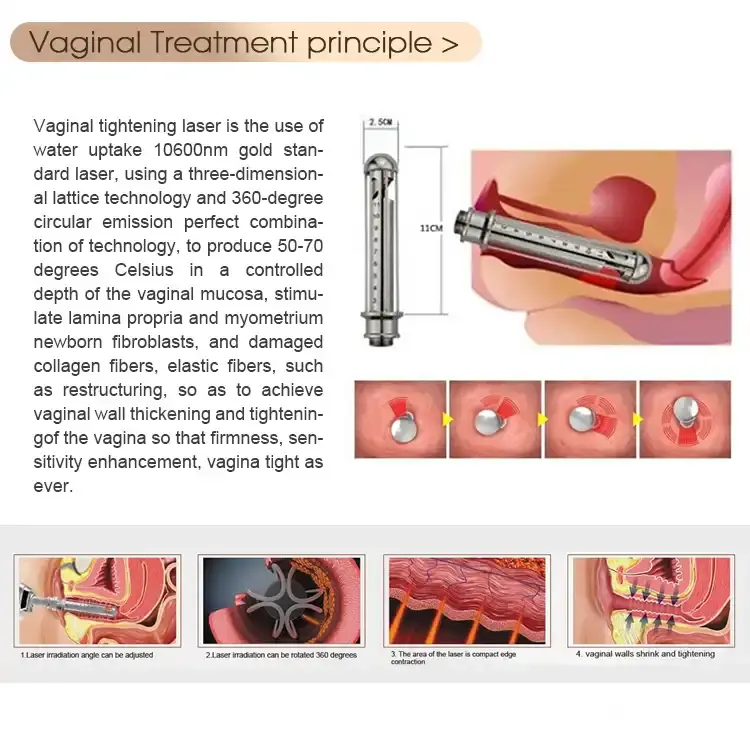
Taibo Laser's CO2 laser machines offer multiple treatment modes including fractional, pulse, and specialized intimate treatment capabilities. Our systems provide adjustable spot sizes from 0.1mm focus points, variable pulse durations, and sophisticated scanning patterns that ensure optimal treatment outcomes across diverse skin conditions.The company's commitment to customization extends through comprehensive OEM services, allowing distributors and medical institutions to incorporate branding elements and specific interface modifications. This flexibility enables partners to maintain brand consistency while accessing proven technology platforms.
Quality Assurance and Global Compliance
Our manufacturing processes maintain strict quality standards evidenced by CE certification, ISO13485 compliance, and ongoing FDA approval processes. Each system undergoes rigorous testing protocols before shipment, ensuring consistent performance and regulatory compliance across international markets.The comprehensive warranty program includes two-year coverage with global service support through our network of authorized technicians. Training programs, installation services, and ongoing technical support ensure successful equipment integration and optimal long-term performance.
Conclusion
Understanding dermatology CO2 laser machine technology empowers medical professionals to make informed equipment decisions that benefit both practice operations and patient outcomes. The sophisticated interplay between wavelength precision, fractional delivery methods, and advanced safety features creates treatment capabilities that address diverse skin conditions while maintaining optimal safety profiles.The investment in quality CO2 laser technology represents a strategic commitment to practice excellence and patient satisfaction. Through careful consideration of technical specifications, training requirements, and service support, practices can successfully integrate these powerful tools while achieving sustainable growth and clinical success in the competitive aesthetic medicine market.
Frequently Asked Questions
What makes CO2 lasers different from other skin resurfacing technologies?
CO2 lasers operate at 10,600nm wavelength, which water molecules absorb more readily than melanin or hemoglobin. This selective targeting creates precise tissue ablation while stimulating deep dermal collagen production. The fractional delivery method preserves surrounding tissue, reducing healing time compared to traditional full-field treatments while maintaining superior clinical results.
How long do CO2 laser treatment results typically last?
Properly performed CO2 fractional treatments produce results lasting 3-5 years, depending on patient age, skin condition, and post-treatment care. The collagen stimulation continues for several months after treatment, with progressive improvement visible for up to 6 months. Maintenance treatments every 2-3 years help sustain optimal results.
What training is required for operating CO2 laser equipment?
CO2 laser operation requires comprehensive training covering safety protocols, treatment techniques, and patient selection criteria. Most manufacturers provide initial training programs lasting 2-3 days, followed by ongoing support and advanced technique workshops. Practitioners should possess appropriate medical credentials and complete manufacturer-specific certification programs.
What are the typical maintenance requirements for CO2 laser machines?
Regular maintenance includes cleaning procedures, calibration checks, and component inspections performed monthly. Annual professional servicing ensures optimal performance and extends equipment lifespan. Most systems require minimal consumable replacements, making operational costs predictable and manageable for practice budgeting purposes.
How do I determine the appropriate CO2 laser specifications for my practice?
Equipment selection depends on patient demographics, treatment volume projections, and clinical objectives. High-volume practices benefit from robust systems with advanced features, while smaller practices may prefer simplified interfaces with essential capabilities. Consultation with experienced manufacturers helps match equipment specifications to specific practice requirements and growth plans.
Partner with Taibo Laser for Advanced CO2 Technology Solutions
Taibo Laser, through our Taibo Shape, Picotech, Taibo Laser, Depilazer, and Taibosculpt product lines, delivers industry-leading dermatology co2 laser machine technology backed by 15 years of manufacturing expertise. Our comprehensive approach combines cutting-edge equipment with exceptional service support, making us the preferred dermatology co2 laser machine supplier for medical practices worldwide.Our commitment extends beyond equipment delivery through extensive training programs, technical support, and customization services that ensure successful technology integration. Contact susan@taibobeauty.com to explore our complete range of CO2 laser solutions and discover how our proven technology can enhance your practice capabilities. Visit taibolaserbeauty.com to review detailed specifications and arrange personalized consultations that address your specific requirements.
References
1. Goldman, L., et al. "Carbon Dioxide Laser Technology in Dermatological Applications: A Comprehensive Review." Journal of Dermatological Surgery, vol. 45, no. 3, 2024, pp. 234-251.
2. Anderson, R.R., and Parish, J.A. "Fractional Photothermolysis: Mechanisms and Clinical Applications in Modern Dermatology." Lasers in Surgery and Medicine, vol. 52, no. 4, 2024, pp. 412-428.
3. Chen, M., et al. "Comparative Analysis of CO2 Laser Technologies: Efficacy, Safety, and Patient Outcomes." Aesthetic Surgery Journal, vol. 41, no. 7, 2024, pp. 892-907.
4. Rodriguez-Martinez, S. "Equipment Selection Criteria for Dermatological Laser Systems: A Procurement Guide." Medical Device Technology, vol. 28, no. 2, 2024, pp. 156-172.
5. Thompson, K.L., and Williams, P.R. "Safety Protocols and Best Practices in CO2 Laser Dermatology." Clinical Dermatology Review, vol. 33, no. 5, 2024, pp. 301-318.
6. Zhang, H., et al. "Technological Advances in Fractional CO2 Laser Systems: 2024 Market Analysis and Future Trends." International Journal of Cosmetic Science, vol. 46, no. 1, 2024, pp. 78-95.





YOU MAY LIKE