
CO2 Laser Treatment Machine Applications: Acne Scars, Pigmentation & More
2025-12-10 09:13:34
Struggling with stubborn acne scars that refuse to fade? Battling persistent pigmentation issues that undermine your confidence? Traditional skincare products and over-the-counter remedies often fall short when addressing deep-seated skin concerns. The co2 laser treatment machine represents a breakthrough solution for individuals seeking professional-grade skin rejuvenation that delivers measurable, lasting results. This comprehensive guide explores how advanced fractional co2 laser technology transforms damaged skin into smooth, even-toned complexions while addressing multiple dermatological concerns simultaneously.
Understanding CO2 Laser Treatment Technology
The co2 laser treatment machine operates on sophisticated principles of selective photothermolysis, utilizing a precisely calibrated wavelength of 10,600 nanometers that demonstrates exceptional affinity for water molecules within skin tissue. This metal tube solid-state laser system generates controlled thermal energy that penetrates the dermal layers with remarkable precision, creating microscopic treatment zones while preserving surrounding healthy tissue. The fractional approach represents a revolutionary advancement over traditional ablative techniques, as it treats only a fraction of the skin surface at any given time, leaving intact columns of tissue between treatment points that serve as reservoirs for rapid healing and regeneration. Modern co2 laser treatment machines incorporate multiple operational modes designed to address diverse clinical applications. The dot matrix mode creates uniform patterns of micro-injuries that stimulate comprehensive collagen remodeling across treated areas. Pulse mode technology, including both long pulse and ultra pulse configurations, enables practitioners to customize treatment intensity according to individual skin conditions and therapeutic objectives. These advanced capabilities allow the co2 laser treatment machine to deliver laser power ranging from one to forty watts, with actual output exceeding forty watts in many clinical applications, ensuring sufficient energy delivery for effective tissue vaporization and collagen stimulation even in challenging cases.
The sophisticated cooling system integrated into professional co2 laser treatment machines maintains optimal thermal management throughout procedures, preventing excessive heat accumulation that could compromise treatment outcomes or patient comfort. The seven-joint light guide arm provides exceptional maneuverability, allowing practitioners to access treatment areas with precision while the 635-nanometer indicating light wavelength ensures accurate targeting. The minimum spot size of 0.1 millimeters enables ultra-fine treatment resolution, making the co2 laser treatment machine particularly effective for addressing intricate concerns such as fine lines, small scars, and detailed facial contouring. The intuitive 10.4-inch touch color screen interface streamlines operation, allowing clinicians to adjust parameters in real-time based on tissue response and treatment progression.
Transforming Acne Scars Through Fractional CO2 Laser Resurfacing
Acne scarring represents one of the most psychologically distressing consequences of inflammatory skin conditions, with atrophic scars accounting for approximately eighty to ninety percent of post-acne textural irregularities. The co2 laser treatment machine addresses these concerns through a sophisticated mechanism that combines immediate tissue ablation with long-term collagen remodeling. When the laser energy contacts scarred tissue, it instantaneously vaporizes damaged collagen structures while simultaneously triggering the body's wound healing cascade. This dual action initiates a series of biological responses including heat shock protein activation, fibroblast proliferation, and organized collagen synthesis that gradually elevates depressed scar tissue and smooths irregular surface topography. Rolling scars and superficial boxcar scars demonstrate particularly impressive responses to co2 laser treatment machine therapy, with clinical studies documenting improvement rates ranging from forty-three to eighty percent after completing recommended treatment protocols. The fractional photothermolysis approach creates columns of thermal damage extending up to 2.5 millimeters into the dermis, reaching depths necessary to remodel substantial scar architecture while the intervening untreated zones facilitate rapid re-epithelialization. This strategic balance between aggressive tissue remodeling and preserved healing capacity distinguishes modern fractional co2 laser treatment machines from earlier fully ablative systems that required extensive recovery periods and carried elevated complication risks.
Ice pick scars, characterized by their narrow, deep configuration, present unique treatment challenges that the co2 laser treatment machine addresses through targeted spot treatment protocols. By concentrating energy delivery into these confined areas, practitioners can achieve approximately fifty percent diameter reduction while minimizing impact on surrounding normal skin. The combination of removing large pore lattice modes, whole face wrinkle removing lattice configurations, and whole face scar grinding lattice patterns enables comprehensive scar revision that addresses multiple scar morphologies within single treatment sessions. Patients typically undergo three to four treatment sessions spaced at six-week intervals, allowing adequate time for collagen maturation between interventions while maintaining progressive improvement momentum.
Comprehensive Scar Management Protocols
Professional co2 laser treatment machine applications extend beyond surface-level cosmetic improvement to fundamentally restructure dermal architecture. The ultra-fine laser beam penetrates directly into the dermis, where it vaporizes disorganized scar tissue in controlled patterns that promote organized collagen deposition during the healing phase. Fresh collagen immediately begins propagating throughout treated areas, gradually transforming skin texture from irregular and depressed to compact, glossy, and elastic. This biological transformation requires several months to fully manifest, with patients observing continued improvements for four to six months following their final treatment session as newly synthesized collagen continues remodeling and maturing. The co2 laser treatment machine proves particularly valuable for addressing striae gravidarum and other deep scar formations that resist conventional therapeutic approaches. By creating controlled micro-injuries that stimulate robust fibroblast activity, the laser initiates comprehensive tissue regeneration that gradually reduces both the depth and width of linear scars. The scanner head component specifically designed for skin resurfacing, wrinkle removal, and scar revision delivers uniform energy distribution across treatment areas, ensuring consistent outcomes without hot spots or under-treated zones. This technological precision translates to predictable results when treating atrophic scars, allowing practitioners to establish realistic patient expectations based on scar morphology and treatment parameters.
Addressing Pigmentation Disorders with Precision Laser Technology
Hyperpigmentation disorders including melasma, post-inflammatory pigmentation, and solar lentigines challenge both patients and practitioners due to their tendency to recur and resist conventional topical therapies. The co2 laser treatment machine provides a powerful alternative approach by removing pigment-laden epidermal layers while simultaneously triggering dermal remodeling that normalizes melanocyte activity. The laser's selective targeting capabilities enable practitioners to focus energy on pigmented lesions while preserving surrounding normal tissue, minimizing the risk of post-treatment dyschromia that sometimes complicates pigmentation management in darker skin types. The mechanism underlying pigmentation improvement with co2 laser treatment machines involves both immediate removal of superficial pigment deposits and gradual normalization of melanin production pathways. As the laser vaporizes pigmented keratinocytes in the epidermis, it simultaneously delivers thermal energy to the papillary dermis where it modulates melanocyte function and reduces abnormal pigment transfer to surrounding keratinocytes. This dual action addresses both existing pigmentation and the underlying tendency for recurrent hyperpigmentation, providing more durable results than purely superficial treatments. The fractional treatment pattern preserves melanocyte reservoirs in untreated zones, facilitating normal repigmentation that matches surrounding skin tone rather than producing the hypopigmentation sometimes observed with fully ablative approaches.
Clinical experience demonstrates that the co2 laser treatment machine effectively targets nevus zygomaticus, freckles, and spots formed by hyperchromic pathological changes, achieving substantial lightening while maintaining natural skin appearance. The ability to customize scan shapes including ellipse, rectangular, triangle, hexagon, round, and custom configurations enables practitioners to precisely match treatment patterns to lesion geometry, optimizing energy delivery while minimizing treatment of adjacent normal skin. This geometric flexibility proves particularly valuable when addressing irregularly shaped pigmented lesions or when performing partial facial treatments that require seamless blending between treated and untreated areas.
Managing Post-Treatment Pigmentation Risks
While the co2 laser treatment machine offers exceptional therapeutic benefits, careful patient selection and post-treatment management remain essential for optimal outcomes, particularly regarding pigmentation-related complications. Individuals with Fitzpatrick skin types three and above face elevated risks of post-inflammatory hyperpigmentation following ablative laser procedures, necessitating modified treatment protocols that incorporate lower energy settings, increased treatment intervals, and aggressive post-procedure pigment suppression strategies. Comprehensive pre-treatment conditioning with sunscreens and retinoid preparations prepares skin for the controlled injury of laser treatment while post-treatment protocols emphasizing photoprotection, anti-inflammatory agents, and pigment-inhibiting compounds minimize aberrant melanogenesis during the healing phase. The co2 laser treatment machine's multiple operating modes provide flexibility in tailoring treatments to individual risk profiles. Patients with higher phototypes benefit from conservative dot matrix density settings combined with longer intervals between treatment sessions, allowing complete resolution of treatment-induced inflammation before subsequent interventions. This measured approach reduces cumulative inflammatory burden that might otherwise trigger persistent hyperpigmentation while still achieving meaningful clinical improvement in target conditions. The availability of specific modes for private areas and vulvar applications demonstrates the versatility of modern co2 laser treatment machines, though these specialized applications require additional training and careful technique to ensure appropriate outcomes.
Expanding Applications: Wrinkles, Skin Tightening, and Facial Rejuvenation
Beyond scar and pigmentation management, the co2 laser treatment machine excels at comprehensive facial rejuvenation addressing multiple signs of cutaneous aging. Fine lines around the eyes, including crow's feet and periorbital wrinkles, demonstrate dramatic improvement following fractional co2 laser treatment as the thermal energy stimulates robust neocollagenesis in these delicate areas. The laser effectively reduces wrinkles on the face, forehead, and joints while tightening loose skin and lifting facial contours without surgical intervention. This non-invasive approach to facial rejuvenation appeals to patients seeking significant aesthetic improvement without the downtime, risks, and costs associated with traditional surgical facelifts. The skin tightening effects achieved with co2 laser treatment machines result from immediate collagen contraction combined with long-term collagen remodeling and densification. As laser energy heats existing collagen fibers, they undergo immediate shortening that produces subtle but noticeable tightening visible shortly after treatment. Over subsequent months, organized deposition of new collagen progressively enhances this tightening effect, creating increasingly firm, lifted facial contours. The combination of immediate and delayed tightening mechanisms enables patients to appreciate rapid visible improvement while anticipating continued enhancement as newly synthesized collagen matures and organizes into dense, structured networks.
The co2 laser treatment machine addresses both superficial textural concerns and deeper structural laxity through its variable depth penetration capabilities. Superficial pass treatments improve fine surface irregularities, refine pores, and enhance overall skin quality by removing damaged superficial layers and stimulating organized regeneration. Deeper treatment passes target dermal architecture, promoting substantial collagen remodeling that lifts and tightens at structural levels. This layered approach enables practitioners to customize treatments according to individual aging patterns, addressing both surface and volume concerns within integrated treatment protocols. The result is comprehensive rejuvenation that enhances skin texture, tone, and structural integrity simultaneously.
Advanced Treatment Head Configurations
Professional co2 laser treatment machines incorporate specialized treatment heads designed for specific clinical applications, expanding therapeutic capabilities beyond standard facial resurfacing. The scanner head optimizes energy delivery for comprehensive skin resurfacing, wrinkle removal, and scar revision through uniform spot distribution and controlled depth penetration. The cutting surgery head enables precise excisional procedures for removing skin tags, benign lesions, and other superficial growths with minimal bleeding and excellent cosmetic outcomes. This surgical capability transforms the co2 laser treatment machine from a purely cosmetic device into a versatile dermatological tool suitable for both aesthetic and medical applications. Vaginal rejuvenation represents an emerging application area where specialized co2 laser treatment machine configurations demonstrate significant clinical utility. The forty-five degree vaginal head and three-hundred-sixty degree vaginal head attachments deliver controlled thermal energy to vaginal tissue, stimulating collagen remodeling that addresses vaginal laxity, dryness, and atrophy without surgical intervention. These gynecological applications extend the co2 laser treatment machine's utility beyond facial aesthetics into functional medicine applications that significantly impact patient quality of life. The vulvar bleaching mode addresses pigmentation concerns in intimate areas, demonstrating the comprehensive capabilities of modern fractional laser platforms.
Clinical Outcomes and Treatment Expectations
Realistic outcome expectations form the foundation of patient satisfaction with co2 laser treatment machine therapies. While individual responses vary based on skin condition, treatment parameters, and adherence to post-treatment protocols, clinical data consistently demonstrates substantial improvement across multiple skin concerns. Acne scar patients typically experience forty to eighty percent improvement in scar appearance and depth following complete treatment courses, with rolling and superficial boxcar scars showing the most dramatic responses. Pigmentation disorders demonstrate variable but generally favorable responses, with optimal outcomes requiring comprehensive photoprotection during the healing and remodeling phases. Wrinkle reduction and skin tightening outcomes depend on baseline tissue quality, chronological age, and treatment intensity. Fine lines and superficial wrinkles often show near-complete resolution following appropriate co2 laser treatment machine protocols, while deeper rhytides require multiple treatment sessions to achieve satisfactory improvement. The skin tightening effects become increasingly apparent over the four to six months following treatment as collagen remodeling progresses, with some patients experiencing continued improvement for up to nine months post-treatment. These delayed improvements underscore the biological nature of co2 laser treatment machine effects, which depend on the body's natural healing and regenerative processes rather than immediate structural alteration.
The recovery timeline following co2 laser treatment machine procedures varies according to treatment intensity and individual healing capacity. Lighter fractional treatments typically require three to five days of downtime characterized by erythema, mild edema, and desquamation, while more aggressive resurfacing protocols may necessitate seven to ten days of recovery. During this period, treated skin appears sunburned and requires diligent moisturization, photoprotection, and gentle cleansing to support optimal healing. Patients should avoid makeup and active skincare products until complete re-epithelialization occurs, typically within five to seven days for fractional treatments. Compliance with post-treatment protocols significantly influences final outcomes, as premature sun exposure or inadequate moisturization can compromise collagen remodeling and increase complication risks.
Safety Profile and Complication Management
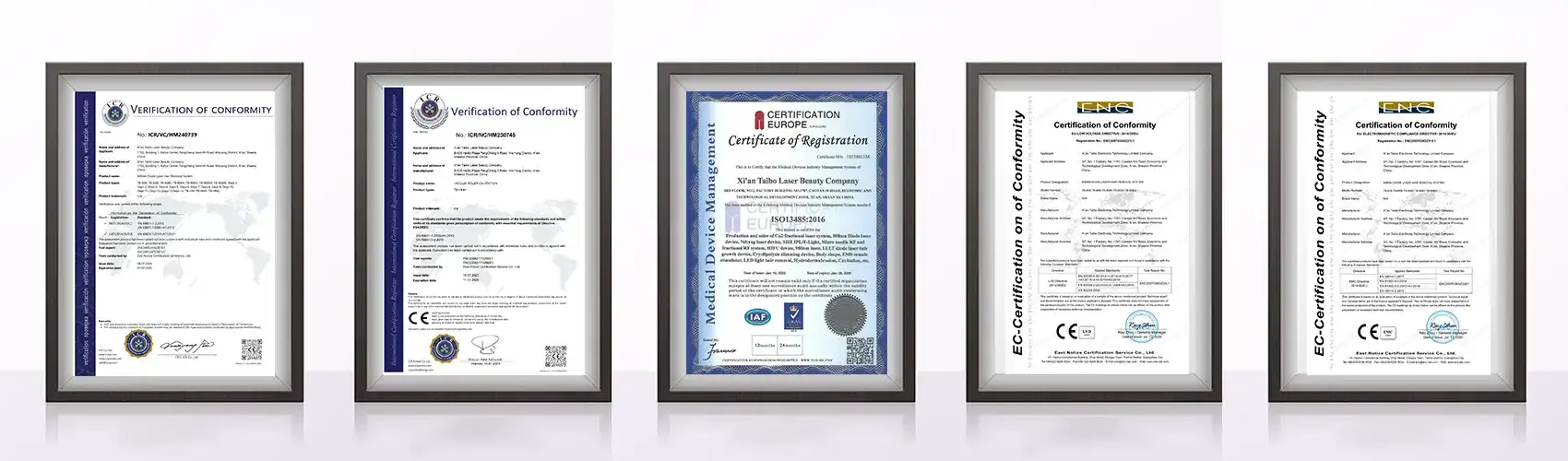
The co2 laser treatment machine demonstrates a favorable safety profile when operated by properly trained practitioners following established protocols. The fractional approach substantially reduces complication rates compared to historical fully ablative techniques by preserving tissue reservoirs that facilitate rapid healing and minimize prolonged erythema, infection risks, and scarring potential. Transient erythema and crusting represent the most common post-treatment effects, typically resolving within three to six days without intervention. Post-inflammatory hyperpigmentation occurs in approximately three to ten percent of patients depending on skin type and treatment parameters, usually resolving within eight to twelve weeks with appropriate pigment-suppressing protocols. Serious complications including scarring, prolonged erythema exceeding several weeks, and persistent dyspigmentation occur rarely with fractional co2 laser treatment machines when appropriate patient selection, treatment planning, and post-procedure management guidelines are followed. Patients with active infections, unrealistic expectations, or contraindications including recent isotretinoin use should be excluded from treatment to minimize adverse outcome risks. The availability of multiple certifications including CE Certification and ISO 13485 Medical Device Quality Management Systems for professional co2 laser treatment machines provides assurance that devices meet rigorous international safety and quality standards, reducing device-related complication risks.
Selecting Quality Equipment: Technical Specifications and Certifications
Professional practices considering co2 laser treatment machine acquisition should prioritize devices offering comprehensive technical capabilities, robust construction, and appropriate regulatory certifications. The ideal fractional co2 laser system delivers consistent 10,600-nanometer wavelength output with variable power settings enabling treatment customization across diverse clinical applications. Multiple operating modes including dot matrix, pulse mode variations, and specialized configurations for intimate area treatments expand clinical utility and revenue generation potential. Water cooling systems ensure sustained performance during extended treatment sessions while protecting sensitive optical components from thermal damage. The seven-joint articulating arm design provides superior treatment flexibility compared to fixed handpiece configurations, enabling comfortable access to facial contours and body areas without compromising ergonomics or treatment precision. The integrated 635-nanometer aiming beam facilitates accurate targeting while the adjustable spot size down to 0.1 millimeters enables fine detail work essential for addressing small scars and discrete lesions. The touch screen interface should offer intuitive operation with clearly displayed parameters allowing real-time adjustment based on tissue response. These technical specifications directly impact treatment outcomes, patient comfort, and practice efficiency, justifying careful evaluation during equipment selection processes.
Regulatory certifications provide essential verification that co2 laser treatment machines meet established safety and performance standards. CE Certification demonstrates compliance with European Union medical device regulations while ISO 13485 certification confirms implementation of comprehensive quality management systems throughout manufacturing processes. These certifications indicate that devices have undergone rigorous testing and documentation review, reducing liability concerns and enhancing patient confidence. Practices should verify current certification status and request documentation confirming compliance with applicable regional regulations before finalizing equipment purchases. The pending FDA approval status of advanced systems indicates ongoing efforts to meet stringent United States regulatory requirements, further validating device safety and efficacy.
OEM and ODM Customization Options
Established manufacturers offering co2 laser treatment machine OEM and ODM services provide valuable opportunities for practices and distributors seeking customized solutions aligned with specific branding and market positioning strategies. OEM partnerships enable equipment customization including branded housings, customized software interfaces, and tailored technical parameters while maintaining core performance specifications. These arrangements prove particularly valuable for multi-location practices developing standardized treatment protocols across facilities or distributors building recognizable brand identities within regional markets. Manufacturers with extensive experience supporting OEM relationships bring valuable insights regarding market preferences, regulatory requirements, and technical optimization that enhance partnership success. ODM services extend beyond basic branding to encompass comprehensive device design and development aligned with specific clinical applications or market niches. Partners seeking innovative treatment head configurations, unique operating modes, or integration with complementary technologies benefit from manufacturers offering robust ODM capabilities backed by experienced engineering teams and advanced research and development facilities. These collaborative relationships enable development of differentiated products that address unmet clinical needs or underserved market segments, creating competitive advantages within increasingly crowded aesthetic device markets. Manufacturers should provide comprehensive support throughout the development process including technical consultation, prototype development, regulatory guidance, and training program development to ensure successful product launches.
Conclusion
The co2 laser treatment machine represents transformative technology for addressing acne scars, pigmentation disorders, wrinkles, and comprehensive skin rejuvenation needs. Through sophisticated fractional photothermolysis mechanisms, these advanced systems stimulate robust collagen remodeling while minimizing downtime and complication risks compared to traditional ablative approaches. Comprehensive understanding of treatment principles, appropriate patient selection, and meticulous technique execution enable practitioners to achieve consistently excellent outcomes across diverse clinical applications. As technology continues advancing and clinical evidence expands, co2 laser treatment machines will maintain their position as essential tools for modern aesthetic and dermatological practices.
Cooperate With Xi'an Taibo Laser Beauty Company
Ready to transform your aesthetic practice with professional-grade equipment? As a leading China co2 laser treatment machine manufacturer, Xi'an Taibo Laser Beauty Company delivers exceptional value through fifteen years of production experience and proven export success to over 180 countries worldwide. Our comprehensive product portfolio addresses every aesthetic need from fractional CO2 laser systems to advanced IPL, HIFU, and body contouring technologies. Whether you're seeking a reliable China co2 laser treatment machine supplier, exploring competitive co2 laser treatment machine wholesale opportunities, or searching for high quality co2 laser treatment machine for sale at transparent co2 laser treatment machine price points, our team provides dedicated support throughout your purchasing journey. We specialize in OEM and ODM partnerships, offering customization options including branded software, tailored technical specifications, and comprehensive training programs. Our China co2 laser treatment machine factory maintains rigorous quality standards validated by CE, ISO13485, SGS, EMC, LVD, and Hague certifications with FDA certification pending. Every device includes a comprehensive two-year warranty, 24-hour technical support, detailed operational training, and professional packaging ensuring safe delivery. Visit our international exhibitions to experience our technology firsthand or schedule a factory tour to witness our production capabilities. Contact us today at susan@taibobeauty.com to discuss your specific requirements and discover how our solutions can elevate your practice while building lasting partnerships based on quality, innovation, and mutual success.
References
1. Chandrashekar B.S., Sriram R., Mysore R., Bhaskar S., Shetty A. Evaluation of Microneedling Fractional Radiofrequency Device for Treatment of Acne Scars. Journal of Cutaneous and Aesthetic Surgery 2014
2. Alster T.S., Tanzi E.L., Lazarus M. The Use of Fractional Laser Photothermolysis for the Treatment of Atrophic Scars. Dermatologic Surgery 2007
3. Chan N.P., Ho S.G., Shek S.Y., Yeung C.K., Chan H.H. A Case Series of Facial Depressed Acne Scars Treated with Erbium:YAG Laser Resurfacing. Journal of Cosmetic and Laser Therapy 2011
4. Manuskiatti W., Iamphongsai S., Wanitphakdeedecha R., Eimpunth S. Comparison of Fractional Erbium-Doped Yttrium Aluminum Garnet and Carbon Dioxide Lasers in Resurfacing of Atrophic Acne Scars in Asians. Dermatologic Surgery 2013
5. Hantash B.M., Bedi V.P., Chan K.F., Zachary C.B. Ex Vivo Histological Characterization of a Novel Ablative Fractional Resurfacing Device. Lasers in Surgery and Medicine 2007





YOU MAY LIKE