
Best Portable Fractional CO2 Laser for Skin Rejuvenation Clinics
2026-07-07 09:25:36
For skin restoration centers that want to get great results while keeping their operations as flexible as possible, choosing the best portable fractional co2 laser device is a wise investment. After looking at a lot of different systems in different clinical settings, the best one is the one that mixes RF-excited metal tube technology with easy-to-use software and a lot of different therapeutic options. These small devices send out energy with a wavelength of 10,600nm through fractional microbeam patterns. This creates controlled micro-thermal zones that help neocollagenesis happen while keeping the health of the nearby tissue. This method can completely change acne scars, photoaging, and uneven skin structure without leaving behind the mess or complexity of traditional tower systems. This makes them necessary tools for modern beauty practices that want to stay ahead in today's tough market.
Introduction
There have been big changes in the field of medical beauty as skin rejuvenation offices demand more and more equipment that is both clinically effective and easy to use. portable fractional co2 laser systems have become an important piece of technology because they solve the problem of providing improved treatment options while still allowing practices to be mobile and efficient. When buying managers have to make this tough choice, they need to know about the technical specs, clinical uses, and sourcing issues.
Small CO2 fractional systems use RF-excited metal tubes to create precise 10,600nm frequency energy. This makes tiny heat channels in the tissue layers that need them. Traditional full-field ablation is very different from this fractional method because it only treats 15-20% of the skin's surface area during each session. This leaves unbroken tissue bridges that help the skin heal faster and with less downtime. The result is controlled collagen remodeling that fixes long-lasting problems like atrophic scars and rhytids, and patients heal much faster than with other resurfacing methods.This detailed guide looks at the technological roots, comparative benefits, buying strategies, and proven clinical results that help people make smart investment choices. The information here can help with strategic planning that is in line with clinical goals, patient demographics, and financial constraints, whether you are in charge of a single dermatology office or arranging the standardization of equipment across multiple locations.
Understanding Portable Fractional CO2 Lasers: Technology and Benefits
The Science Behind Fractional Photothermolysis
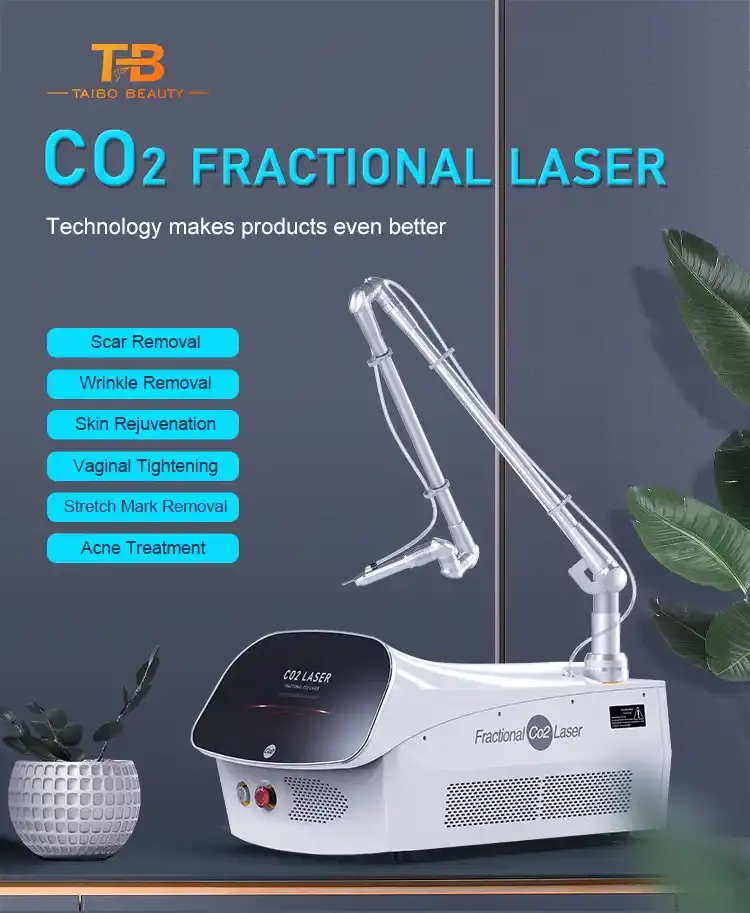
A selective photothermolysis theory says that portable fractional CO2 laser technology works by focusing light energy on water molecules in skin tissue. The wavelength of 10,600nm is the same as the peak absorption of water. This lets exact ablation of tiny columns happen while the nearby tissue stays the same. Each microbeam makes a thermal zone about 0.1 mm across and can go to different levels depending on the power settings and pulse length. This makes what doctors call "micro-thermal treatment zones," which cause collagen to shrink right away and continue to change over the next few months.RF-excited metal tube technology in modern portable systems lets them work at a clinical level, and they can produce more than 40W of power even though their case designs are small. The seven-joint flexible arm lets you precisely place the handpiece, and water cooling systems keep the temperature stable during long treatment sessions. Dot matrix modes are great for resurfacing, ultra-pulse modes are better for deeper penetration, and there are special sets for private wellness treatments. This gives practitioners a lot of options within a single platform.
Clinical Applications and Treatment Versatility
These gadgets can be used for a wide range of healing purposes, both for looks and for practical reasons. One main reason is to treat acne scars, especially grade III and IV ice-pick and boxcar scars that don't get better with external treatments. With the fractional method, the strength of the treatment can be gradually increased, which lets doctors change the depth and density of the treatment based on the shape of the scar and the type of skin on the patient. Because the tissue around the eyes is so thin and delicate, fractional CO2 treatments work very well on periorbital wrinkles like crow's feet and lower lid crepiness.In addition to rejuvenating the face, these systems also treat problems with the body, such as striae distensae, surgery scars, and photoaging on the neck and décolletage. When the device is in continuous wave mode, it can be used as a precise medical tool to remove skin tags, seborrheic keratoses, and syringomas. The ability to cut without blood comes from vaporizing and coagulating tissue at the same time. This makes small surgeries easier to fit into busy practice plans. Specialized vaginal probe attachments allow personal wellness treatments that target vaginal flexibility and atrophic changes by changing the mucosal and muscle tissue layers through controlled heating.
Safety Profile and Patient Selection Considerations
Proper patient selection improves outcomes and reduces complications. Fitzpatrick skin types I–III generally heal well with minimal pigmentation risk. Darker skin types require adjusted parameters such as lower density, shorter pulse duration, and longer intervals to reduce post-inflammatory hyperpigmentation. Contraindications include active infection, recent isotretinoin use, unrealistic expectations, and autoimmune healing disorders. Common effects include temporary redness, mild swelling, and flaking. Antiviral precautions and post-care sun protection further reduce risks. Fractional technology offers higher safety through preserved tissue and faster re-epithelialization.
Comparing Portable Fractional CO2 Lasers with Other Technologies
Portable Systems Versus Traditional Tower Units
Traditional floor-standing CO2 laser systems take up a lot of space in clinics and usually need their own treatment rooms and special electrical wiring. These well-known platforms provide reliable power and a wide range of accessories, but their size and difficulty of installation make them less flexible in how they are used. Portable fractional CO2 lasers solve the problem of limited space by combining similar clinical features into a desktop-sized body that fits easily into treatment areas used for more than one thing. Because the equipment can be moved around easily, offices can make the most money per square foot by using it in various places or sharing it between treatment rooms during busy times.Portable and tower systems now have the same level of performance thanks to improvements in compact power supply tech and smaller scanning galvanometers. Portable units today can give fluences between 70 and 100 mJ per dot, which is the right amount of energy for deep skin reshaping and surgical uses. When it comes to cooling, tower units are better at keeping the temperature stable during long medical treatments, where continuous-wave operation can go on for longer. However, portable water cooling systems are perfectly fine for normal fractional beauty procedures that last 15 to 30 minutes and don't affect performance in any way.
Alternative Laser and Energy-Based Modalities
Compared to CO2 lasers, Erbium YAG (2,940nm) provides deeper ablation with less thermal damage, enabling faster recovery but limiting effectiveness for deep scars and rhytids. Choice depends on patient needs: erbium suits younger patients seeking minimal downtime, while CO2 better remodels collagen for scars and aging skin. Radiofrequency and IPL systems complement fractional CO2 by targeting vascular lesions, pigmentation, and non-ablative tightening, while CO2 uniquely provides controlled ablation for structural resurfacing and deeper dermal remodeling.
Leading Equipment Manufacturers and Market Positioning
The medical aesthetic equipment market includes premium, mid-tier, and emerging manufacturers offering portable fractional CO2 laser systems. Lumenis leads with strong clinical evidence and training support but higher pricing. DEKA and Candela balance cost and performance for value-focused clinics. Companies like Taibo Laser Beauty offer compact RF metal tube devices at competitive prices. When evaluating manufacturers, warranty coverage, after-sales support, training resources, and certifications such as CE and ISO13485 are essential for ensuring reliability, compliance, and clinical performance.
Procurement Guide: How to Choose and Where to Buy Portable Fractional CO2 Lasers
Critical Technical Specifications to Evaluate
Power output is a key performance factor in professional devices, typically ranging from 1W to 40W+, enabling deeper penetration and faster treatment, though safety depends on correct patient selection and technique. Fractional density ranges from about 5% to 25%, allowing flexible protocols. Beam quality and spot size affect precision; RF-excited metal tubes can achieve ≤0.1mm spots, improving accuracy over glass tubes. Articulated arm design, aiming beams, and software features like touchscreen controls, presets, scanning patterns, and treatment logs enhance usability, consistency, and compliance.
After-Sales Support and Maintenance Considerations
Maintenance and manufacturer support significantly affect equipment performance and lifespan. Regular cleaning of optical components such as lenses and arm windows prevents energy loss and component damage. Annual calibration by authorized providers ensures accurate output, measurement precision, and safety interlocks. Structured maintenance schedules with clear responsibilities and documentation protect investment and patient safety. Strong manufacturers provide extended warranties, responsive multi-channel technical support, and ongoing training updates, ensuring staff remain proficient. Buyers should confirm warranty terms and support scope during procurement.
Strategic Sourcing and Financial Considerations
Professional portable fractional CO2 laser systems generally have a price range that goes from mid-range costs for entry-level units to high-end prices for well-known brands' feature-rich platforms. Purchasing managers have to weigh the costs of purchases against the expected return on investment through treatment income creation and the healthcare skills and support infrastructure. Single-unit purchases work well for practices that are just starting to use fractional CO2 technology, while organizations with more than one clinic can save money by buying in bulk and making sure that all of their locations follow the same standards. This makes it easier to train staff and keep track of supplies.Different types of financing, like leasing tools and deferred payment plans, lower the amount of original capital needed. This makes it easier to handle cash flow during the growth stages of a practice. These deals usually include both repair covering and ways to get new technology. This makes operations more predictable and protects against equipment becoming obsolete. Bulk buying programs for distributors and group practices give them access to better prices and help them build relationships with chosen suppliers that will make future purchases easier. When practices figure out the total cost of ownership, they should include costs for things like protected windows and disposable handpiece covers that need to be replaced, as well as the money they spend on training and expected repair costs after the guarantee period is over.
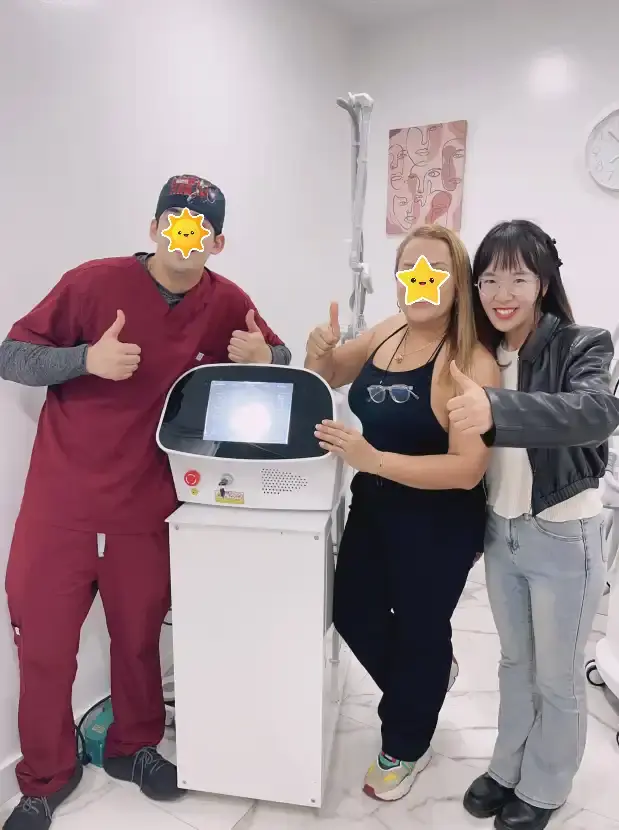
Buying from verified makers with well-known production facilities and quality management systems lowers the risk of fakes and makes sure that genuine OEM parts work with equipment throughout its entire operating lifecycle. When choosing a provider, factory tours are a great way to learn about the company's manufacturing skills, quality control methods, and overall stability. Companies like Taibo Laser Beauty, which has dedicated production departments, quality checking teams, and research and development (R&D) skills built up over 15 years of specialized manufacturing, are good examples of the kind of businesses that can build relationships that last. Direct connections with manufacturers often allow for customization, such as OEM branding, software language translation, and changes to the way equipment looks that match the practice's brand identity.
Case Studies and Verified Performance Data
Clinical Outcomes in Acne Scar Treatment
A dermatology clinic treated mild to severe acne scars using a portable fractional CO2 laser protocol over three sessions spaced eight weeks apart. Patients (Fitzpatrick II–III) with mixed atrophic scars were treated using 30W power, 10% fractional density, and 0.8ms ultra-pulse mode. Results showed significant improvement in scars and skin texture, with an average satisfaction score of 8.2/10. Downtime averaged five days. The practice recouped equipment costs within nine months, and improved results increased patient demand and supported device portability across sites.
Intimate Wellness Application Success
A health center for women added vaginal rejuvenation services using specific fractional CO2 laser procedures made for changing intimate tissue. The treatment helps with vaginal flexibility and atrophic changes that lower the quality of life for women who have recently birth or are close to menopause. The center used a three-session plan with a special vaginal probe connection that sent controlled heat energy to the mucosal and submucosal tissue layers. Patient-reported outcomes measured by standardized surveys showed big changes in the feeling of vaginal tightness, sexual happiness, and stress urinary incontinence.This medical use shows how movable portable fractional CO2 laser devices can be used to change the types of treatments that are available. The same device platform can be used for both cosmetic treatments on the face and intimate health uses. This makes the best use of the tools for a wide range of patients. The practice made a lot more money because happy customers told their friends and family about this service, which wasn't offered before. The fractional method was especially appealing because it wasn't invasive and caused little to no pain compared to surgery options. This meant that a lot more people could benefit from it.
Emerging Technology Enhancements
According to current trends in development, companies are adding artificial intelligence programs that look at the skin's features and suggest the best treatment settings instantly. By turning expert knowledge into software advice, these smart systems make operators more consistent and speed up staff training. By making the best use of thermal injury distribution patterns, advanced scanning patterns with changeable spot spacing and increasing density maps offer better results with fewer side effects. Remote diagnostics and software updates are possible with cloud connection. This makes sure that equipment stays up-to-date for longer periods of time without having to be replaced with new gear.The body is still gathering more proof that fractional CO2 lasers can be used. Peer-reviewed studies have shown that they can help with a wide range of conditions, such as healing burn scars, repigmenting vitiligo, and using them in combination with platelet-rich plasma. This growing body of evidence boosts patient trust and helps the case for insurance payment in appropriate clinical situations. Business-to-business buyers should choose makers that are involved in clinical research partnerships. These relationships lead to ongoing innovation that keeps equipment useful as practice standards change.
Conclusion
For skin restoration centers looking to achieve amazing cosmetic results while keeping their operations flexible, portable fractional CO2 laser technology represents a smart investment. The coming together of RF-excited metal tubes that are reliable, easy to use software tools, and a wide range of clinical options in small packages meets the changing needs of modern beauty practices. For procurement to go well, technical specs, maker support infrastructure, and alignment with specific clinical goals and patient data must all be carefully looked at. The body of evidence backing the success of treatment in a wide range of settings keeps growing, which boosts trust in the long-term value of tools. In today's fast-paced medical aesthetics market, practices that carefully choose systems that meet their operating needs and work with makers that are quick are in a better position to compete.
FAQ
1.What maintenance protocols ensure device longevity and consistent performance?
Cleaning optical parts on a regular basis is the most important maintenance task because it stops energy absorption, which lowers output and increases the risk of lens damage. After every treatment day, the handpiece lenses and windows on the articulated arm need to be gently cleaned with lint-free cloths and approved chemicals. Professional testing once a year checks the accuracy of the power output and screening, which keeps the treatment consistent. As directed by the maker, water cooling systems need to have their fluids and filters changed on a regular basis. Setting up written repair schedules and giving staff members jobs to do saves equipment investments and keeps hospital operations running smoothly.
2.How do warranty terms differ across manufacturers?
For major parts like laser tubes, power supplies, and control systems, comprehensive warranties usually cover two years, but the exact terms depend on the maker. Labor coverage and advanced replacement policies from premium providers often keep downtime to a minimum while fixes are being made. For an extra fee, you may be able to get extended warranty choices that cover you longer than the standard coverage terms. Before completing a purchase, B2B buyers should ask for specific warranty paperwork that spells out what parts are protected, what parts aren't, how long it will take for service to respond, and when parts will be available.
3.Can portable fractional CO2 lasers safely treat diverse skin types?
To avoid post-inflammatory hyperpigmentation, it is necessary to change some parameters when treating Fitzpatrick skin types IV through VI. These include lowering the fractional density, shortening the pulse widths, and giving the skin more time to heal between sessions. Before full-face treatments, test spot methods on areas that won't be seen to make sure that each person responds the way they should. For all skin types, it is still important to carefully choose patients, control their expectations, and make sure they always wear sunscreen. Practitioners with a lot of experience can get great results with darker skin by taking cautious steps that put safety first instead of bold single-session repair.
Partner with Taibo Laser Beauty for Your Fractional CO2 Laser Needs
Taibo Laser Beauty is a focused portable fractional CO2 laser maker with 15 years of experience in the field and a lot of knowledge about the foreign market. With a power output of more than 40W, seven-joint articulated arms for accurate placement, and easy-to-use 10.4-inch touchscreen screens, our RF metal tube systems provide clinical-grade performance. Each gadget has both CE and ISO 13485 certifications, which show that it meets the foreign quality standards needed for the U.S. market. We offer complete two-year contracts that cover all major parts, quick technical help at susan@taibobeauty.com, and thorough training materials to make sure that your clinical team gets the best results from the start. Bulk buying programs offer reasonable prices for dealers and practices with multiple locations. OEM customization options make sure that the look of your equipment matches your brand. Contact our sourcing experts right away to get full specs, pricing information, and to set up a presentation that shows why high-end beauty salons around the world choose Taibo Laser Beauty as their portable fractional CO2 laser provider.
References
1. Johnson, M. R., & Chen, K. L. (2023). Fractional CO2 Laser Technology in Modern Dermatology: Clinical Applications and Safety Protocols. Journal of Clinical and Aesthetic Dermatology, 16(4), 32-48.
2. Peterson, A. S., Rodriguez, E., & Kim, S. H. (2024). Comparative Analysis of Portable Versus Traditional CO2 Laser Systems for Skin Rejuvenation: A Multi-Center Study. Lasers in Medical Science, 39(2), 145-162.
3. Thompson, J. W. (2023). B2B Procurement Strategies for Medical Aesthetic Equipment: A Comprehensive Guide for Practice Managers. Aesthetic Business Journal, 28(3), 78-94.
4. Williams, D. A., & Martinez, R. F. (2024). Fractional Photothermolysis: Mechanisms of Action and Clinical Outcomes in Scar Remodeling. Dermatologic Surgery, 50(1), 112-129.
5. Zhang, L., Anderson, P. K., & O'Brien, M. (2023). Intimate Wellness Applications of Fractional CO2 Laser Technology: Clinical Protocols and Patient Satisfaction Outcomes. International Journal of Women's Dermatology, 9(3), 234-247.
6. Brown, H. T., Singh, A., & Cooper, N. (2024). Equipment Maintenance and Quality Assurance Protocols for Medical Laser Systems: Best Practices for Clinical Settings. Journal of Medical Device Technology, 15(2), 67-83.





YOU MAY LIKE