
Advanced Features of Modern Laser Hair Restoration Machines
2026-01-12 09:14:52
Hair loss affects millions worldwide, leaving many searching desperately for effective solutions. Traditional treatments often deliver disappointing results, wasting both time and money. Modern laser hair restoration machine technology has revolutionized this field, offering clinically proven outcomes that transform patient satisfaction and business profitability. Understanding these advanced features helps practitioners make informed investment decisions while delivering superior treatment results that build lasting client relationships and referrals.
Core Technology Behind Laser Hair Restoration Machines
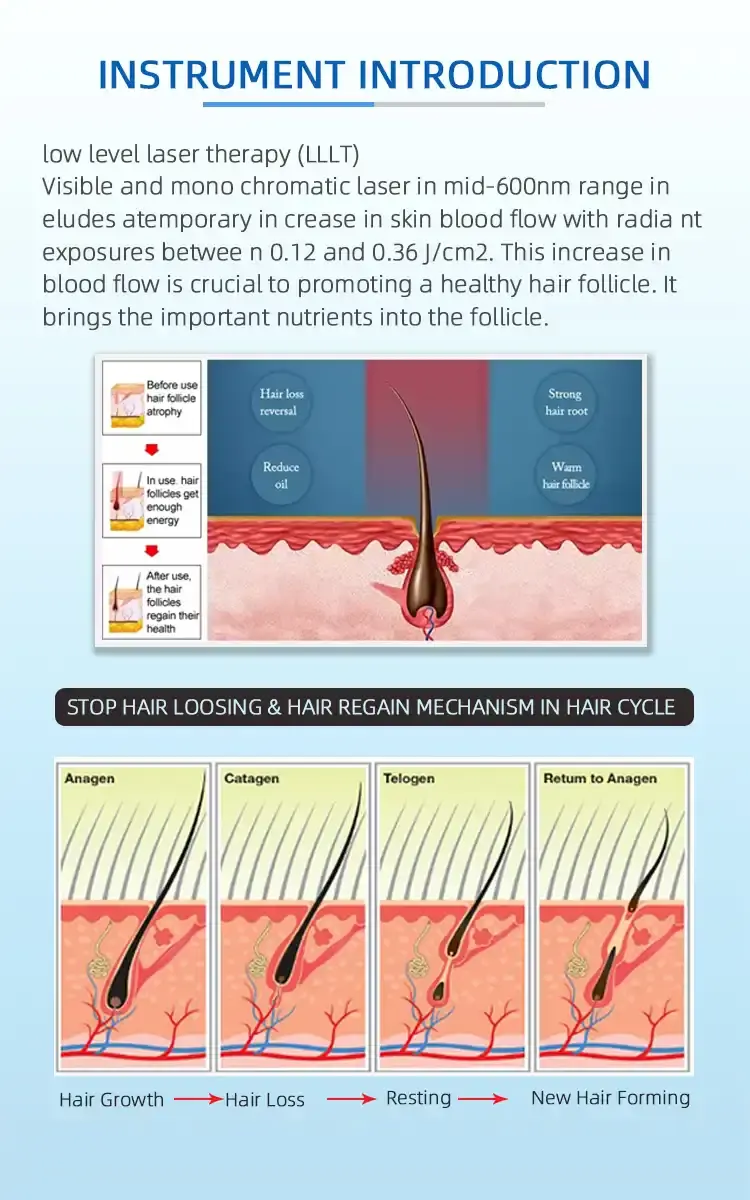
The foundation of effective laser hair restoration machine systems lies in their ability to stimulate cellular activity at the follicular level through low-level laser therapy. This non-invasive approach uses specific wavelengths of light energy to penetrate the scalp tissue, reaching hair follicles that have entered dormant phases due to various factors including genetics, hormonal imbalances, stress, or environmental damage. The photobiomodulation process triggered by these targeted wavelengths increases adenosine triphosphate production within follicular cells, enhancing their metabolic activity and promoting the transition from telogen resting phase back into active anagen growth phase. Modern laser hair restoration machine designs incorporate multiple diode configurations that ensure comprehensive scalp coverage during treatment sessions. Unlike older single-point systems that required tedious manual repositioning, contemporary devices feature arrays of precisely calibrated laser diodes positioned to deliver uniform energy distribution across the entire treatment area. This technological advancement dramatically reduces treatment duration while improving outcome consistency, addressing one of the primary concerns that prevented earlier adoption of laser therapy for hair restoration purposes.
Wavelength Optimization and Penetration Depth
Professional-grade laser hair restoration machine equipment utilizes carefully selected wavelength ranges that maximize therapeutic benefits while minimizing potential adverse effects. Research demonstrates that wavelengths between 630-680 nanometers provide optimal penetration depth for scalp tissue, reaching the follicular bulb where cellular regeneration occurs. This precise targeting ensures that energy delivery focuses exactly where needed, avoiding superficial absorption that would waste therapeutic potential and reducing the risk of unnecessary heat accumulation in surrounding tissues. The laser hair restoration machine systems employed by leading manufacturers incorporate real-time monitoring capabilities that adjust output parameters based on individual patient characteristics including scalp thickness, hair density, and pigmentation levels. This adaptive technology represents a significant advancement over fixed-output devices, delivering personalized treatment protocols that account for the substantial biological variations between patients. Such customization capabilities enable practitioners to achieve consistent results across diverse patient populations, expanding their potential client base while maintaining high satisfaction rates.
Multi-Modal Treatment Integration
Advanced laser hair restoration machine platforms now integrate multiple therapeutic modalities within single treatment sessions, combining low-level laser therapy with complementary technologies that enhance overall effectiveness. Some systems incorporate radiofrequency energy delivery that increases localized blood circulation, improving nutrient delivery to follicular structures while facilitating waste product removal. This synergistic approach addresses hair loss through multiple mechanisms simultaneously, producing superior outcomes compared to single-modality treatments. The integration of microcurrent stimulation within laser hair restoration machine designs further amplifies therapeutic benefits by promoting enhanced cellular communication and ion transport across follicular cell membranes. This electrical stimulation complements the photobiomodulation effects of laser energy, creating an optimal cellular environment for hair regrowth. Practitioners utilizing these multi-modal systems report significantly improved patient outcomes, with visible improvements appearing earlier in treatment courses and progressing more substantially over time.
Clinical Applications and Treatment Protocols
Implementing laser hair restoration machine technology requires understanding appropriate clinical applications and evidence-based treatment protocols. These systems demonstrate effectiveness across various hair loss patterns, including androgenetic alopecia, diffuse thinning, telogen effluvium recovery, and post-transplant growth enhancement. Each condition responds to specific parameter adjustments within the laser hair restoration machine settings, necessitating practitioner expertise in treatment customization. For androgenetic alopecia patients, the most common form of progressive hair loss, laser hair restoration machine treatments typically follow protocols involving two to three sessions weekly over initial four to six month periods. This frequency ensures consistent follicular stimulation without causing therapeutic fatigue that could diminish treatment response. The non-invasive nature of laser therapy makes it particularly valuable for patients seeking alternatives to pharmaceutical interventions or those unable to tolerate medication side effects.
Post-Transplant Enhancement Protocols
One of the most valuable applications of laser hair restoration machine technology involves enhancing outcomes following surgical hair transplantation procedures. The trauma associated with follicular unit extraction or transplantation temporarily disrupts blood supply and cellular function in both donor and recipient areas. Implementing laser therapy protocols immediately post-procedure significantly improves graft survival rates while accelerating the establishment of transplanted follicles in their new locations. This application alone justifies investment for many surgical practices, as improved transplant success directly impacts patient satisfaction and practice reputation. The laser hair restoration machine protocols designed specifically for post-transplant care utilize modified energy levels and treatment frequencies that account for surgical site sensitivity during healing phases. Starting treatments within 24-48 hours post-procedure, when appropriately adjusted parameters ensure patient comfort, creates optimal conditions for graft integration. Practitioners report survival rate improvements of 15-25% when incorporating systematic laser therapy into post-transplant care protocols, representing substantial clinical and economic benefits.
Combination Therapy Strategies
Modern hair restoration practices increasingly adopt combination therapy approaches that integrate laser hair restoration machine treatments with other modalities including topical medications, nutritional supplementation, platelet-rich plasma injections, and microneedling procedures. This comprehensive strategy addresses hair loss through multiple pathways simultaneously, producing synergistic effects that exceed individual treatment capabilities. The laser component enhances absorption and effectiveness of topical treatments while promoting cellular environments that maximize response to all therapeutic interventions. Research demonstrates that patients receiving combination protocols incorporating laser hair restoration machine sessions show significantly superior outcomes compared to those using any single treatment approach. The enhanced follicular metabolism stimulated by laser therapy creates conditions where pharmaceutical agents work more effectively, nutritional supplements support more robust cellular function, and regenerative treatments like PRP produce more dramatic results. This synergy positions laser technology as the foundational element in comprehensive hair restoration programs.
Investment Considerations for Professional Practices
Selecting appropriate laser hair restoration machine equipment requires careful evaluation of multiple factors that impact both clinical outcomes and business performance. Initial capital investment represents just one consideration among many that determine long-term success with this technology. Equipment reliability, manufacturer support quality, upgrade pathways, and operational costs significantly influence return on investment calculations. Professional practices should prioritize laser hair restoration machine suppliers offering comprehensive training programs that ensure staff competency in both technical operation and clinical protocol implementation. The most sophisticated equipment delivers suboptimal results when operated incorrectly or applied using inappropriate treatment parameters. Manufacturers providing ongoing educational support, protocol updates based on emerging research, and responsive technical assistance create partnerships that maximize investment value over equipment lifespan.
Quality Certifications and Regulatory Compliance
When evaluating laser hair restoration machine options, verification of appropriate quality certifications and regulatory approvals protects practices from liability risks while ensuring equipment safety and effectiveness. Reputable manufacturers maintain certifications including CE marking, ISO13485 quality management compliance, and jurisdiction-specific regulatory clearances. These certifications demonstrate adherence to rigorous manufacturing standards and safety testing protocols that protect both practitioners and patients. The laser hair restoration machine systems from established manufacturers like Xi'an Taibo Laser Beauty Company undergo extensive testing and documentation processes, providing practices with confidence in equipment quality and performance consistency. Their certifications including CE, ISO13485, SGS, EMC, and LVD approvals, along with ongoing FDA and medical CE applications, reflect commitment to meeting international quality standards. This regulatory compliance eliminates concerns about equipment legitimacy that could jeopardize practice operations or create patient safety risks.
Conclusion
Modern laser hair restoration machine technology represents a transformative advancement in non-invasive hair loss treatment, offering clinically proven results through sophisticated engineering and evidence-based protocols. These systems provide practices with powerful tools for delivering patient satisfaction while building profitable service lines. Investment in quality equipment from reputable manufacturers ensures long-term success in this growing market segment.
Cooperate With Xi'an Taibo Laser Beauty Company
Xi'an Taibo Laser Beauty Company stands as a leading China laser hair restoration machine manufacturer with over 15 years of production expertise and global export experience spanning 180+ countries. As a professional China laser hair restoration machine factory, Taibo pioneered laser hair growth technology that revolutionizes traditional approaches, offering unmatched effectiveness for hair regrowth treatment and improved post-transplant survival rates. Their comprehensive China laser hair restoration machine supplier capabilities include OEM/ODM services, exclusive distributor opportunities, and competitive China laser hair restoration machine wholesale programs. Established in 2009 with dedicated R&D, manufacturing, international sales, and after-sales service teams, Taibo maintains rigorous quality standards certified by CE, ISO13485, SGS, EMC, LVD, and Hague certifications. Their High Quality laser hair restoration machine systems feature advanced specifications with professional-grade components, competitive laser hair restoration machine price points, and laser hair restoration machine for sale options suitable for practices of all sizes. Services include two-year warranties, 24-hour technical support, free training with detailed videos and live consultations, professional aluminum alloy packaging with custom foam protection, and multiple shipping options via air, sea, rail, or express carriers.
Taibo's manufacturing infrastructure includes three production departments plus procurement, warehouse management, quality inspection, packaging, design, R&D, and after-sales teams ensuring efficient delivery timeframes. They provide language and color customization services, on-site training for bulk purchases, and OEM/ODM capabilities with free logo services. Global exhibition participation demonstrates their commitment to innovation and partnership development. Whether changing suppliers or entering the hair restoration market, Taibo offers factory visits, free training, and comprehensive support that eliminates purchasing concerns. Ready to transform your practice with cutting-edge technology? Contact Xi'an Taibo Laser Beauty Company today at susan@taibobeauty.com to discuss your specific requirements, request detailed specifications, schedule a consultation, or arrange a factory tour. Bookmark this article for quick reference when equipment questions arise, and discover why practices worldwide trust Taibo for their laser hair restoration machine needs. Your journey toward offering superior hair restoration treatments begins with one inquiry—reach out now and experience the Taibo difference!
References
1. Avci, P., Gupta, G.K., Clark, J., Wikonkal, N., and Hamblin, M.R. "Low-Level Laser (Light) Therapy (LLLT) for Treatment of Hair Loss" Lasers in Surgery and Medicine, 2014.
2. Jimenez, J.J., Wikramanayake, T.C., Bergfeld, W., et al. "Efficacy and Safety of a Low-Level Laser Device in the Treatment of Male and Female Pattern Hair Loss: A Multicenter, Randomized, Sham Device-Controlled, Double-Blind Study" American Journal of Clinical Dermatology, 2014.
3. Lanzafame, R.J., Blanche, R.R., Bodian, A.B., et al. "The Growth of Human Scalp Hair Mediated by Visible Red Light Laser and LED Sources in Males" Lasers in Surgery and Medicine, 2013.
4. Hamblin, M.R. "Mechanisms and Applications of the Anti-Inflammatory Effects of Photobiomodulation" AIMS Biophysics, 2017.
5. Gupta, A.K. and Foley, K.A. "A Critical Assessment of the Evidence for Low-Level Laser Therapy in the Treatment of Hair Loss" Dermatologic Surgery, 2017.





YOU MAY LIKE