
980nm diode laser vascular removal machine vs 1064nm — Differences?
2025-12-12 09:02:40
If you're running a beauty salon or dermatology clinic and struggling to choose between the 980nm diode laser vascular removal machine and 1064nm systems for treating spider veins and vascular lesions, you're not alone. Many professionals face confusion about which wavelength delivers superior results while maintaining client safety. The primary difference lies in their absorption characteristics: the 980nm diode laser specifically targets hemoglobin with optimal precision for superficial vascular lesions, while 1064nm Nd:YAG lasers penetrate deeper tissue layers and work better for larger, deeper vessels. Understanding these distinctions helps you select the right 980nm diode laser vascular removal machine or 1064nm system that matches your clinic's treatment portfolio and patient demographics, ensuring maximum satisfaction and return on investment.
Understanding Wavelength Technology in Vascular Treatment
The science behind laser vascular removal fundamentally depends on wavelength selection and tissue interaction mechanisms. When comparing the 980nm diode laser vascular removal machine to 1064nm systems, practitioners must understand how different wavelengths interact with target chromophores within blood vessels. Both technologies operate on the principle of selective photothermolysis, where laser energy is selectively absorbed by specific tissue components to achieve therapeutic outcomes without damaging surrounding structures. The 980nm diode laser represents the optimal absorption spectrum for porphyrin vascular cells found in superficial blood vessels. When vascular cells absorb the high-energy laser emission at this specific wavelength, rapid solidification occurs, followed by natural dissipation through the body's metabolic processes. This wavelength demonstrates exceptional specificity for oxyhemoglobin, making the 980nm diode laser particularly effective for treating spider veins, facial telangiectasia, and superficial vascular malformations measuring between 0.2mm to 2mm in diameter. In contrast, the 1064nm Nd:YAG laser penetrates significantly deeper into dermal and subdermal tissue layers. Research indicates that while 980nm wavelengths reach maximum penetration depths of approximately 1-2mm, 1064nm lasers can effectively treat vascular structures located 5-10mm below the skin surface. This deeper penetration capability makes 1064nm systems more suitable for treating larger varicose veins, deeper hemangiomas, and vascular lesions that extend into subcutaneous tissue layers. However, this increased penetration comes with trade-offs in terms of hemoglobin absorption efficiency compared to the highly targeted 980nm diode laser technology.
Hemoglobin Absorption Characteristics: 980nm vs 1064nm
The fundamental distinction between these wavelengths centers on their hemoglobin absorption coefficients and clinical implications. Hemoglobin displays absorption peaks at several wavelengths including 418nm, 524nm, 577nm, and notably at both 980nm and 1064nm. However, the absorption characteristics differ substantially between these near-infrared wavelengths, directly impacting treatment efficacy and safety profiles. The 980nm diode laser vascular removal machine benefits from superior oxyhemoglobin absorption compared to 1064nm systems. Studies demonstrate that 980nm wavelengths exhibit the highest absorption coefficient among near-infrared options for treating superficial vascular lesions. This enhanced absorption translates to more efficient energy transfer to target vessels, requiring lower fluence levels to achieve equivalent therapeutic endpoints. Consequently, treatments with 980nm diode laser systems typically involve reduced thermal damage to surrounding tissue, minimized patient discomfort, and faster recovery times with fewer complications like post-inflammatory hyperpigmentation.
Conversely, 1064nm wavelengths demonstrate interesting photochemical properties during vascular treatment. When 1064nm laser energy interacts with blood, it induces methemoglobin formation within targeted vessels. Methemoglobin exhibits absorption coefficients approximately 3-5 times higher than both oxyhemoglobin and deoxyhemoglobin at the 1064nm wavelength. This dynamic absorption enhancement means that 1064nm treatments become progressively more efficient as methemoglobin accumulates during multi-pulse protocols. Advanced 1064nm systems leverage this phenomenon through pulse shape modulation techniques, delivering initial pulses to create methemoglobin followed by subsequent pulses that capitalize on enhanced absorption characteristics. For practitioners operating beauty salons or aesthetic clinics, these absorption differences have practical implications. The 980nm diode laser excels at treating fine superficial vessels with precision and minimal collateral damage, making it ideal for facial applications where cosmetic outcomes are paramount. Meanwhile, 1064nm systems prove more versatile for treating a broader range of vessel sizes and depths, though they may require higher energy levels and multiple treatment sessions for optimal results on superficial lesions.
Clinical Applications and Treatment Scope Comparison
When evaluating the 980nm diode laser vascular removal machine against 1064nm alternatives, understanding their respective clinical applications helps practitioners match technology to patient needs. Each wavelength demonstrates distinct advantages for specific vascular conditions, influenced by vessel depth, diameter, anatomical location, and patient skin type considerations.
Superficial Vascular Lesions: Where 980nm Excels
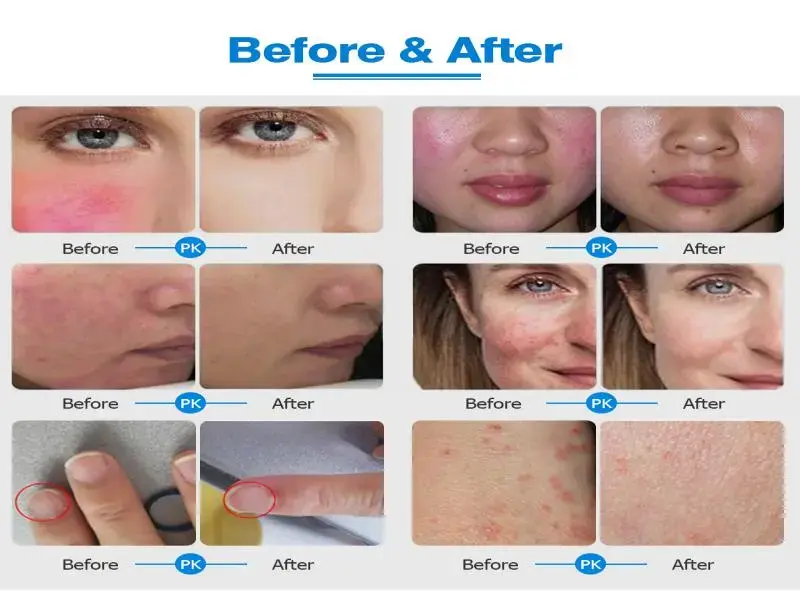
The 980nm diode laser vascular removal machine represents the gold standard for treating superficial vascular lesions including spider veins, facial telangiectasia, cherry angiomas, and rosacea-associated erythema. Its targeted hemoglobin absorption characteristics enable precise treatment of vessels ranging from 0.2mm to 2mm in diameter with minimal thermal spread to surrounding tissue. Professional design handpieces focus the 980nm laser beam onto diameter ranges between 0.2-0.5mm, enabling concentrated energy delivery to target vessels while protecting adjacent skin structures from thermal injury. Clinical applications of the 980nm diode laser extend beyond simple vessel removal. The technology proves particularly effective for endovenous laser treatment (EVLT) of smaller varicose veins, spider vein networks on the lower extremities, and vascular components of conditions like nevus flammeus and port wine stains. Additionally, 980nm systems demonstrate utility for nail fungus removal, leveraging the wavelength's ability to penetrate nail structures and deliver antifungal thermal effects without damaging surrounding tissue. Physical therapy applications also benefit from 980nm technology, with low-level laser therapy protocols providing pain relief and tissue regeneration stimulation. The 980nm diode laser vascular removal machine offers distinct advantages for facial applications where cosmetic outcomes critically influence patient satisfaction. The wavelength's preferential absorption by superficial vessels combined with minimal melanin interaction makes it suitable for treating patients with Fitzpatrick skin types I-VI. Treatments typically require only one or two sessions to achieve permanent vessel clearance, with immediate visible results and no recovery downtime. Patients experience minimal discomfort during treatment, often described as slight warmth or tingling sensations, eliminating the need for topical anesthesia in most cases.
Deep Vascular Structures: 1064nm Advantages
The 1064nm Nd:YAG laser demonstrates superior performance for treating deeper vascular structures that lie beyond the effective range of 980nm systems. With tissue penetration depths reaching 5-10mm, 1064nm technology effectively addresses larger varicose veins, deep hemangiomas, venous lakes, and vascular malformations extending into subcutaneous tissue layers. This deeper penetration capability makes 1064nm lasers the preferred choice for treating leg veins, where vessels often course through deeper dermal and subdermal compartments. Clinical studies confirm that 1064nm lasers achieve excellent outcomes for various deep vascular conditions. For residual infantile hemangiomas following propranolol treatment, 1064nm long-pulsed systems demonstrate clearance rates exceeding 93%, with the majority of patients achieving greater than 75% improvement after one to three treatment sessions. The wavelength's ability to target vessels up to 3-4mm in diameter while preserving epidermal integrity through dynamic cooling systems makes it particularly valuable for treating substantial vascular lesions that would prove difficult or impossible to address with shorter wavelengths. However, 1064nm systems face limitations when treating very superficial vessels. The wavelength's lower hemoglobin absorption coefficient compared to 980nm means that higher fluence levels are required to achieve vessel coagulation in superficial vascular networks. This increased energy requirement elevates the risk of epidermal damage, post-treatment purpura, and thermal injury to surrounding structures. Consequently, while 1064nm lasers excel at deep vessel treatment, they represent suboptimal choices for delicate facial telangiectasia and fine spider veins where the 980nm diode laser vascular removal machine demonstrates clear superiority.
Technical Specifications and Performance Parameters
Understanding the technical specifications that differentiate 980nm diode laser vascular removal machines from 1064nm systems helps practitioners evaluate equipment capabilities and match technology to clinical requirements. Key performance parameters include output power, pulse duration, frequency adjustment, spot size options, and cooling systems that collectively determine treatment efficacy, safety, and versatility.
Power Output and Energy Delivery Systems
Modern 980nm diode laser vascular removal machines typically offer adjustable power outputs ranging from 10W to 40W, with professional-grade systems featuring 30W or 40W maximum power capabilities. This power range provides sufficient energy density to effectively coagulate target vessels while maintaining control over thermal spread to surrounding tissue. The 980nm diode laser utilizes semiconductor diode technology with fiber-coupled laser energy transmission, enabling precise focal spot sizes as small as 0.2mm diameter. This combination of adequate power with tight beam focusing creates high energy density at the treatment site, facilitating rapid vessel coagulation with minimal thermal diffusion. The 980nm diode laser vascular removal machine incorporates adjustable pulse width parameters ranging from 1-100ms, allowing practitioners to customize energy delivery based on vessel size, depth, and clinical indication. Pulse frequency adjustability between 1-10Hz provides additional control over total energy deposition and thermal relaxation time considerations. These adjustable parameters enable treatment protocol optimization for individual patient characteristics, ensuring maximum efficacy while minimizing adverse effects. Advanced systems integrate both air cooling and water cooling mechanisms to maintain stable laser diode temperatures during extended treatment sessions, preserving consistent output characteristics and extending system longevity. In comparison, 1064nm Nd:YAG lasers typically operate at higher power levels, with clinical systems delivering 20-50W or more. The increased power requirement reflects the wavelength's lower hemoglobin absorption coefficient, necessitating greater energy input to achieve equivalent therapeutic effects compared to 980nm systems. Pulse durations for 1064nm lasers generally extend from 0.25ms to 300ms, with longer pulse widths accommodating the slower thermal relaxation times of larger, deeper vessels. Spot sizes range from 1mm to 18mm or larger, providing flexibility for treating vessels of varying caliber. Dynamic cooling systems using cryogen spray cooling protect the epidermis during high-fluence treatments, enabling safe energy delivery even at elevated power levels.
User Interface and Operational Efficiency
The 980nm diode laser vascular removal machine features intuitive user interfaces designed for efficient clinical operation. Modern systems incorporate 7-8.4 inch color touch screens displaying treatment parameters including wavelength, power output, pulse duration, frequency, and cumulative energy delivery. Operators can save customized treatment protocols for common clinical indications, streamlining workflow and ensuring consistent treatment parameters across multiple patients. The compact, portable design of many 980nm systems facilitates transport between treatment rooms, enhancing operational flexibility in multi-room clinics or mobile practice settings. Treatment handpieces for the 980nm diode laser vascular removal machine typically feature quick-change spot size adapters, allowing practitioners to switch between 0.2mm, 0.5mm, and 1.0mm focal diameters without replacing fiber optic cables. This design innovation reduces setup time between patients and eliminates consumable costs associated with disposable fiber tips. Some advanced systems include integrated ice hammer accessories providing immediate post-treatment cooling, enhancing patient comfort and reducing post-procedure erythema. The 980nm diode laser can operate continuously for 24 hours without performance degradation, supporting high-volume practice environments. Professional 1064nm systems incorporate sophisticated control interfaces with extensive parameter customization capabilities. Users can adjust fluence, pulse width, pulse interval, and cooling parameters to optimize treatments for specific vascular lesions and patient characteristics. Many systems offer pre-programmed treatment modes for common indications like leg veins, facial telangiectasia, and hemangiomas, providing starting points that practitioners can refine based on real-time treatment response. The larger physical footprint of 1064nm systems reflects their higher power requirements and more complex cooling infrastructure, though this translates to superior performance for demanding applications requiring deep penetration and large spot sizes.
Safety Profile and Side Effect Considerations
Patient safety and treatment tolerability represent critical factors when choosing between 980nm diode laser vascular removal machines and 1064nm systems. Each wavelength presents distinct safety profiles influenced by tissue absorption characteristics, thermal confinement, and skin type compatibility. Understanding these safety considerations helps practitioners select appropriate technology while establishing realistic patient expectations regarding treatment experience and potential adverse effects.
Epidermal Protection and Thermal Safety
The 980nm diode laser vascular removal machine demonstrates exceptional safety for superficial vascular treatments due to its highly selective hemoglobin absorption with minimal melanin interaction. This selectivity enables safe treatment across all Fitzpatrick skin types, including darker skin tones historically associated with elevated risk of pigmentary complications from laser procedures. The focused beam diameter of 0.2-0.5mm concentrates energy within target vessels while limiting thermal spread to surrounding dermis and epidermis, reducing the risk of unintended tissue damage. Clinical experience with 980nm systems reveals minimal adverse effects when appropriate treatment parameters are employed. Patients typically experience no bleeding, scarring, or prolonged erythema following treatment. The procedure itself produces only mild warming sensations, rarely requiring topical anesthesia even for extensive treatment areas. Post-treatment care proves minimal, with patients able to resume normal activities immediately without activity restrictions or special wound care requirements. The non-contact fiber delivery system eliminates infection risk associated with direct tissue contact, further enhancing the safety profile. The 980nm diode laser stimulates dermal collagen synthesis during vascular treatment, simultaneously improving overall skin quality while addressing vascular lesions. This collagen stimulation increases epidermal thickness and density, providing additional protection for underlying vessels and enhancing skin elasticity and resistance to future vascular damage. These regenerative effects complement the primary vascular treatment objectives, delivering comprehensive aesthetic improvement beyond simple vessel removal.
Risk Management with 1064nm Technology
The 1064nm Nd:YAG laser presents different safety considerations reflecting its deeper penetration and higher energy requirements. While the wavelength demonstrates reduced melanin absorption compared to visible light lasers, it still interacts with epidermal melanin to a degree that necessitates epidermal protection strategies. Dynamic cooling systems spray cryogen onto the skin surface immediately before and after each laser pulse, protecting the epidermis while allowing deeper dermal heating. This cooling mechanism proves essential for safe treatment, particularly in patients with darker skin types or tanned skin. Despite epidermal protection measures, 1064nm treatments carry elevated risk of certain adverse effects compared to 980nm systems. Post-treatment purpura affecting treated vessels and surrounding tissue commonly occurs, particularly when treating larger or deeper vessels requiring higher fluences. This purpura typically resolves within 7-14 days but may concern patients unprepared for temporary discoloration. Transient post-inflammatory hyperpigmentation can develop, especially in darker-skinned patients, though this usually resolves spontaneously over several weeks to months. Pain during treatment proves more pronounced with 1064nm systems, often requiring topical anesthesia or cooling analgesia to maintain patient comfort during extensive treatments. Practitioners must exercise greater caution with 1064nm systems to avoid thermal injury from excessive energy deposition or inadequate cooling. Test spot protocols help establish appropriate treatment parameters for individual patients before proceeding with full treatment areas. Multiple treatment sessions spaced 4-8 weeks apart typically prove necessary to achieve optimal results while maintaining safety margins, contrasting with the one or two session protocols common with 980nm diode laser vascular removal machine treatments. Despite these considerations, 1064nm lasers maintain excellent overall safety records when operated by trained practitioners following established protocols.
Cost Effectiveness and Return on Investment Analysis
Financial considerations significantly influence equipment acquisition decisions for beauty salons, dermatology clinics, and aesthetic practices. Comparing the 980nm diode laser vascular removal machine to 1064nm systems requires analyzing initial purchase costs, operational expenses, treatment pricing potential, and expected patient volumes to calculate realistic return on investment timelines.
Initial Investment and Operational Costs
The 980nm diode laser vascular removal machine typically represents a more accessible initial investment compared to 1064nm Nd:YAG systems. Professional-grade 980nm units with 30W-40W power output, touchscreen interfaces, and multiple spot size options generally cost significantly less than comparable 1064nm platforms. This lower entry cost makes 980nm technology particularly attractive for smaller practices, start-up clinics, or established businesses seeking to expand service offerings without substantial capital expenditure. Operational costs for the 980nm diode laser vascular removal machine prove minimal due to the system's design characteristics. The absence of consumable fiber tips in systems featuring quick-change spot size adapters eliminates recurring supply costs that can accumulate substantially over time. Electrical consumption remains modest due to the efficient semiconductor diode technology and moderate power output requirements. Maintenance needs prove minimal, with most systems requiring only periodic cleaning and calibration checks. The compact, durable construction contributes to reliable long-term operation with low failure rates, minimizing repair costs and treatment downtime. The 1064nm Nd:YAG laser systems involve higher initial capital investments reflecting their more complex optical systems, higher power outputs, and sophisticated cooling infrastructure. Purchase prices typically exceed those of 980nm systems by substantial margins, requiring more significant financial commitment or financing arrangements. Operational costs also run higher due to increased electrical consumption, potential consumable cooling media, and more frequent maintenance requirements for high-power laser generators and cooling systems. However, the broader treatment versatility and ability to address conditions beyond the scope of 980nm systems can justify these elevated costs for practices treating diverse patient populations with varied vascular conditions.
Revenue Generation and Practice Growth
The 980nm diode laser vascular removal machine generates attractive revenue streams through multiple treatment modalities. Spider vein removal represents the primary income source, with typical per-session pricing ranging from moderate to premium levels depending on treatment area size and geographic market factors. The minimal consumable costs and short treatment times enable attractive profit margins per procedure. Additionally, the system's versatility for nail fungus treatment, physical therapy applications, and skin rejuvenation creates multiple revenue channels from a single equipment investment. Patient satisfaction with 980nm diode laser vascular removal machine treatments runs exceptionally high due to immediate visible results, minimal discomfort, and absence of recovery downtime. Satisfied patients become valuable marketing assets through word-of-mouth referrals and positive online reviews, driving organic practice growth without substantial advertising expenditure. The ability to treat patients across all skin types expands the potential patient base, avoiding the demographic limitations associated with technologies unsuitable for darker skin tones. Practices report that 980nm systems typically achieve return on investment within 4-6 months in established practices with active marketing efforts. The 1064nm systems generate revenue through similar vascular treatment services plus capabilities for deeper vascular lesions that command premium pricing due to their complexity and the limited alternative treatment options. The technology's proven efficacy for challenging cases like varicose veins and deep hemangiomas attracts referrals from other providers lacking appropriate equipment, creating additional revenue opportunities. However, the higher per-procedure costs associated with longer treatment times and potential need for multiple sessions may impact patient acceptance compared to the streamlined protocols typical of 980nm treatments. Practices investing in 1064nm technology should ensure adequate patient volume across the system's full treatment spectrum to optimize financial returns.
Conclusion
Choosing between the 980nm diode laser vascular removal machine and 1064nm systems depends primarily on your clinic's patient demographics, treatment focus, and clinical applications. The 980nm diode laser excels for superficial vascular lesions, offering superior hemoglobin absorption, minimal side effects, and excellent results for spider veins and facial telangiectasia across all skin types. Meanwhile, 1064nm technology proves essential for deeper vessels and larger varicose veins requiring greater penetration depth. For most aesthetic practices focusing on facial and superficial vascular treatments, the 980nm diode laser vascular removal machine delivers optimal clinical outcomes with favorable cost-effectiveness and patient satisfaction.
Cooperate With Xi'an Taibo Laser Beauty Company
Ready to elevate your practice with cutting-edge vascular treatment technology? Xi'an Taibo Laser Beauty Company stands as a leading China 980nm diode laser vascular removal machine manufacturer with over 15 years of production expertise and international export experience. As a trusted China 980nm diode laser vascular removal machine supplier, we've delivered High Quality 980nm diode laser vascular removal machine systems to beauty salons, dermatology clinics, and aesthetic centers across more than 180 countries worldwide.
Our China 980nm diode laser vascular removal machine factory produces professional-grade systems certified to ISO13485 and CE standards, ensuring the highest safety and performance benchmarks. We offer competitive 980nm diode laser vascular removal machine price points alongside comprehensive China 980nm diode laser vascular removal machine wholesale programs for distributors seeking reliable, high-performance equipment. Every 980nm diode laser vascular removal machine for sale includes a complete two-year warranty, professional training resources, and dedicated 24-hour technical support from our experienced after-sales team.
Whether you're launching a new practice, upgrading existing equipment, or expanding into vascular treatment services, Taibo Laser provides customized OEM/ODM solutions tailored to your brand specifications. Our comprehensive package includes detailed operation manuals, training videos, free installation guidance, and ongoing technical consultation to ensure your success. We maintain dedicated production departments, quality inspection teams, and R&D specialists committed to delivering equipment that meets the most demanding professional standards while remaining accessible to practices of all sizes.
Contact our sales team today at susan@taibobeauty.com to discuss your specific requirements and receive detailed information about our 980nm diode laser vascular removal machine systems. We welcome factory visits, equipment demonstrations, and consultation sessions to help you make informed decisions about technology investments that will drive your practice growth for years to come. Join the thousands of satisfied practitioners worldwide who trust Taibo Laser for their aesthetic equipment needs.
References
1. Anderson RR, Parrish JA. Selective Photothermolysis: Precise Microsurgery by Selective Absorption of Pulsed Radiation. Science, 1983.
2. Rubin IK, Farinelli WA, Doukas A, Anderson RR. Optimal Wavelengths for Vein-Selective Photothermolysis. Lasers in Surgery and Medicine, 2012.
3. Mordon S, Brisot D, Fournier N. Using Methemoglobin Formation to Optimize Vascular Laser Treatment. Lasers in Medical Science, 2003.
4. Karsai S, Roos S, Hammes S, Raulin C. Treatment of Superficial Cutaneous Vascular Lesions: Experience with the Long-Pulsed 1064nm Nd:YAG Laser. Journal of Dermatological Treatment, 2008.
5. Goldman MP, Fitzpatrick RE. Cutaneous Laser Surgery: The Art and Science of Selective Photothermolysis. Mosby Publishing, 2nd Edition, 1999.





YOU MAY LIKE