
5 Key Features to Look in a diode laser hair growth machine
2025-12-11 09:11:13
Are you watching your clients struggle with thinning hair and seeking effective solutions to offer them? The beauty and medical aesthetics industry has witnessed a revolutionary shift with the introduction of advanced diode laser hair growth machines, yet many clinic owners find themselves overwhelmed when choosing the right equipment. Understanding the critical features that separate professional-grade diode laser hair growth machine technology from inferior alternatives can mean the difference between delivering transformative results and disappointing your clientele. This comprehensive guide reveals the five essential features you must evaluate before investing in a laser hair growth machine, ensuring your clinic provides cutting-edge hair restoration treatments that build client trust and generate consistent revenue.
Understanding Diode Laser Hair Growth Technology
The foundation of effective hair restoration treatment lies in comprehending how diode laser hair growth machine technology actually works at a cellular level. Low-level laser therapy, commonly referred to as LLLT, represents a non-invasive approach that stimulates dormant hair follicles through specific wavelengths of light energy. When a diode laser hair growth machine emits red light at therapeutic wavelengths, typically in the range of 650 nanometers, this photonic energy penetrates the scalp surface without generating heat or causing tissue damage. The absorbed light energy triggers a biological response within hair follicle cells, specifically targeting the mitochondria where cellular energy production occurs. This process increases adenosine triphosphate production, which serves as the fundamental energy currency that hair follicles require to transition from a resting phase into an active growth phase. Clinical research demonstrates that proper application of this technology can increase scalp blood circulation by up to 55 percent, delivering essential nutrients like oxygen and proteins to hair follicles while simultaneously removing harmful metabolic waste products such as dihydrotestosterone that contribute to pattern baldness. The laser hair growth machine essentially creates an optimal environment for hair follicle revitalization, making it an invaluable tool for professionals treating androgenetic alopecia in both male and female patients. Understanding this scientific mechanism helps clinic owners appreciate why certain technical specifications matter significantly more than marketing claims when selecting equipment for their practice.
The Science Behind Low-Level Laser Therapy for Hair Restoration
Delving deeper into the biological mechanisms reveals why specific wavelengths matter critically for achieving clinical outcomes with a diode laser hair growth machine. The 650nm wavelength represents the optimal frequency for penetrating scalp tissue and being absorbed by cellular chromophores, particularly cytochrome c oxidase found in mitochondrial membranes. When photons at this precise wavelength interact with these cellular components, they initiate a cascade of beneficial effects including enhanced cellular metabolism, improved microcirculation, and modulation of inflammatory responses that often accompany hair loss conditions. The laser hair growth machine operates on principles similar to photosynthesis in plants, where light energy converts into biological activity, except in this application the energy stimulates hair follicle cells rather than chloroplasts. This photobiomodulation process also promotes the release of nitric oxide from endothelial cells, causing vasodilation that increases blood flow to the scalp region, ensuring that miniaturized hair follicles receive adequate nutritional support to produce thicker, healthier hair shafts. For clinic owners investing in this technology, understanding these mechanisms helps in properly educating clients about treatment expectations and protocols. The non-thermal nature of the diode laser hair growth machine distinguishes it from ablative laser procedures, making it exceptionally safe for repeated use without risk of burns, scarring, or adverse effects that concern many patients considering hair restoration options.
Feature 1: Optimal Wavelength Specification for Maximum Efficacy
The first and perhaps most critical feature to examine when evaluating any diode laser hair growth machine centers on wavelength specification, as this parameter directly determines treatment effectiveness and clinical outcomes. Professional-grade equipment should operate at 650 nanometers, which represents the clinically validated optimal wavelength for stimulating hair follicle activity through low-level laser therapy. This specific wavelength falls within the red light spectrum and possesses the ideal balance of tissue penetration depth and cellular absorption characteristics necessary for triggering photobiomodulation responses in scalp tissue. When examining specifications for a laser hair growth machine, be wary of equipment claiming effectiveness with wavelengths significantly outside this range, as research consistently demonstrates that wavelengths between 630 and 680 nanometers produce the most reliable results for treating androgenetic alopecia. The 650nm wavelength specifically targets mitochondria within hair follicle cells, where it enhances energy production and metabolic activity essential for transitioning follicles from telogen resting phase into anagen growth phase. Some manufacturers offer diode laser hair growth machine models with multiple wavelengths, combining 650nm with complementary frequencies like 808nm infrared laser or 630nm red light, which can provide additional therapeutic benefits for comprehensive scalp treatment. However, the core 650nm wavelength must remain present and dominant for hair restoration efficacy. Clinic owners should request detailed technical documentation confirming wavelength accuracy and consistency, as variations of even 10-20 nanometers can significantly impact treatment results. Investing in a laser hair growth machine with precisely calibrated wavelength output ensures your clinic delivers consistent, evidence-based treatments that meet professional standards and patient expectations.
Power Output and Energy Density Considerations
Beyond wavelength accuracy, the power output specifications of your diode laser hair growth machine determine the actual energy delivery to scalp tissue and consequently impact treatment duration and effectiveness. Professional devices should specify laser power output per diode, typically ranging from 5 to 10 milliwatts for individual laser units, with total power output depending on the number of laser diodes incorporated into the device design. The laser hair growth machine must deliver sufficient energy density, measured in joules per square centimeter, to trigger photobiomodulation responses without causing thermal damage or patient discomfort. Clinical protocols generally recommend energy densities between 4 to 6 joules per square centimeter per treatment session, which effectively balances therapeutic benefit with patient safety considerations. When evaluating equipment specifications, calculate the total power output by multiplying the number of laser diodes by the power per diode, then consider how this relates to the treatment area coverage. A diode laser hair growth machine featuring 262 laser diodes at 10 milliwatts each delivers substantial total power capable of covering the entire scalp surface with therapeutic energy during recommended 20-30 minute treatment sessions. Compare this carefully against devices with fewer diodes or lower power output that may require extended treatment times or deliver suboptimal results. Quality manufacturers provide detailed technical specifications including power output measurements and energy density calculations, demonstrating their commitment to evidence-based design. Your investment in a laser hair growth machine with appropriate power specifications directly correlates with your ability to deliver effective treatments that satisfy clients and generate positive word-of-mouth referrals for your practice.
Feature 2: Comprehensive Laser Diode Coverage for Complete Treatment
The second essential feature distinguishing professional diode laser hair growth machine equipment from consumer-grade alternatives involves the number and arrangement of laser diodes that determine scalp coverage and treatment uniformity. Comprehensive hair restoration requires that therapeutic light energy reaches all areas of the scalp where hair loss occurs, including the frontal hairline, temporal regions, vertex crown area, and posterior scalp zones. A quality laser hair growth machine should incorporate a minimum of 200-300 individual laser diodes strategically positioned to provide complete scalp coverage without requiring manual repositioning during treatment sessions. The diode distribution pattern matters tremendously, as gaps in coverage leave certain hair follicles untreated and can result in uneven treatment outcomes that disappoint clients. Professional-grade diode laser hair growth machine designs utilize helmet or cap configurations that conform to head anatomy, positioning laser diodes at optimal angles to deliver perpendicular light penetration into scalp tissue. Some advanced systems combine laser diodes with light-emitting diodes to fill coverage gaps, creating a hybrid approach that maximizes energy delivery across the entire treatment area. When comparing equipment options, examine detailed specifications regarding the total number of 650nm laser diodes, their spatial distribution pattern, and how the device design ensures consistent energy delivery to all scalp regions. A laser hair growth machine with 262 dedicated laser diodes represents substantial coverage capability, ensuring that both large treatment areas like the crown and smaller zones like the temples receive adequate therapeutic exposure. Clinic owners should recognize that devices with fewer diodes may advertise lower pricing but ultimately deliver inferior results that damage clinic reputation. Investing in comprehensive coverage through adequate diode numbers and intelligent design translates directly into client satisfaction and treatment success rates.
Spot Size and Treatment Coverage Area
Related to diode quantity, the effective spot size and total treatment coverage area specifications of your diode laser hair growth machine determine how efficiently and thoroughly each session addresses the entire scalp surface. Spot size refers to the diameter of the light beam emitted by each individual laser diode, with larger spot sizes providing broader coverage but potentially reduced energy concentration. Professional laser hair growth machine designs balance spot size with diode quantity to ensure overlapping coverage patterns that eliminate untreated zones while maintaining therapeutic energy density. The total treatment area coverage, typically measured in square centimeters, should encompass the full scalp surface including frontal, vertex, and occipital regions where pattern baldness commonly occurs. Advanced diode laser hair growth machine models feature extended coverage designs that specifically target often-neglected areas like the hairline edges and temporal zones, which prove critical for clients experiencing early-stage hair thinning. When evaluating equipment, request coverage maps or diagrams showing how laser diodes distribute across the device structure and calculate whether the covered area matches your typical patient demographics. Devices designed for comprehensive coverage eliminate the need for repositioning during treatment, making sessions more comfortable for clients and more efficient for clinic operations. A laser hair growth machine with intelligent coverage design allows practitioners to offer hands-free treatment protocols where clients simply wear the device for the prescribed duration while relaxing or engaging in other activities. This convenience factor significantly enhances treatment compliance, as busy clients appreciate the ability to receive therapy without lengthy clinic appointments. Coverage specifications directly impact your return on investment, as thorough, efficient treatments generate better outcomes and stronger client retention rates.
Feature 3: Advanced Safety Features and Regulatory Certifications
The third critical feature category encompasses the safety mechanisms and regulatory certifications that distinguish reputable diode laser hair growth machine manufacturers from questionable suppliers in an increasingly crowded marketplace. Professional medical aesthetic equipment must incorporate multiple layers of safety controls that protect both clients and operators from potential hazards associated with laser technology. Essential safety features for a quality laser hair growth machine include automatic shut-off systems that prevent overexposure, temperature monitoring sensors that detect unusual heat buildup, skin contact sensors that adjust output based on tissue proximity, and emergency stop mechanisms that immediately halt operation if problems arise. These built-in protections ensure that your diode laser hair growth machine operates within safe parameters throughout every treatment session, minimizing liability risks for your practice. Beyond internal safety controls, regulatory certifications provide independent verification that equipment meets established safety and performance standards. Look for diode laser hair growth machine models that carry CE certification indicating compliance with European safety directives, ISO13485 certification demonstrating quality management systems for medical device manufacturing, and relevant regional certifications appropriate for your practice location. These certifications involve rigorous testing protocols and manufacturing audits that verify the laser hair growth machine performs as claimed without introducing unnecessary risks. Reputable manufacturers prominently display certification documentation and provide detailed safety protocols, training materials, and maintenance guidelines that help practices implement proper operating procedures. When evaluating potential equipment purchases, request complete certification documentation including testing reports that verify wavelength accuracy, power output consistency, and safety mechanism functionality. A diode laser hair growth machine lacking proper certifications may offer attractive pricing but exposes your practice to potential regulatory issues, liability concerns, and equipment performance problems. Investing in properly certified equipment protects your practice reputation, ensures client safety, and demonstrates your commitment to professional standards that distinguish quality providers in the competitive aesthetics market.
Temperature Control and Cooling Systems
Within the safety feature category, temperature control mechanisms deserve special attention when evaluating any diode laser hair growth machine, as proper thermal management ensures client comfort and prevents adverse effects during treatment sessions. Although low-level laser therapy operates as a non-thermal modality that should not generate significant heat, prolonged device operation and close scalp contact can create warmth that some clients find uncomfortable. Professional-grade laser hair growth machine designs incorporate built-in cooling systems that maintain comfortable operating temperatures throughout treatment sessions, utilizing technologies such as air cooling fans, heat dissipation panels, or even active cooling elements that draw heat away from the device structure. These cooling mechanisms work continuously during operation, preventing heat accumulation that could compromise treatment comfort or device longevity. When examining diode laser hair growth machine specifications, inquire about the cooling system design, its capacity to maintain stable temperatures during maximum treatment durations, and any maintenance requirements necessary to preserve cooling system performance. Advanced models feature intelligent temperature sensing systems that monitor device temperature in real-time and adjust cooling intensity automatically to maintain optimal operating conditions. The cooling system quality directly impacts client treatment experience, as uncomfortable warmth can reduce treatment compliance and client satisfaction even when therapeutic outcomes prove effective. A laser hair growth machine with robust cooling capabilities allows for comfortable 20-30 minute treatment sessions that clients can complete without distraction or discomfort. For practices offering multiple consecutive treatments throughout busy clinic days, effective cooling systems also prevent device overheating that could necessitate cooldown periods between clients, maximizing equipment utilization and revenue generation potential. Temperature management represents an often-overlooked specification that significantly influences both client experience and operational efficiency, making it an essential consideration during equipment evaluation.
Feature 4: User-Friendly Design and Treatment Protocols
The fourth essential feature to evaluate involves the overall user experience design and treatment protocol implementation capabilities of your diode laser hair growth machine, factors that profoundly influence both client satisfaction and operational efficiency in your practice. Professional equipment should feature intuitive control interfaces that allow staff members to quickly master operation without extensive technical training, reducing onboarding time and minimizing the potential for operational errors. A quality laser hair growth machine incorporates clear display screens showing treatment time remaining, power settings, and operational status indicators that keep both practitioners and clients informed throughout sessions. The physical design should prioritize client comfort through ergonomic construction, adjustable sizing mechanisms that accommodate different head shapes and sizes, and lightweight materials that prevent fatigue during treatment durations. Consider how the diode laser hair growth machine facilitates hands-free operation, as devices requiring manual manipulation throughout treatment sessions prove less practical for busy clinic environments. Advanced models feature automatic sensor systems that detect when the device is properly positioned and begin treatment automatically, eliminating the need for manual start sequences. The laser hair growth machine should also incorporate flexible treatment duration programming that allows customization of session lengths based on individual client needs and protocols, typically offering options between 15-30 minutes per session. When evaluating equipment, assess how quickly clients can don and remove the device, whether adjustments can be made easily for comfort, and if the design allows clients to remain relatively mobile during treatment or if they must remain stationary. User-friendly designs translate directly into higher treatment compliance rates, as clients who find the experience convenient and comfortable prove more likely to complete recommended treatment courses. For clinic operations, intuitive equipment reduces staff training requirements, minimizes treatment administration time, and enables higher patient throughput during busy periods. A diode laser hair growth machine that combines therapeutic efficacy with operational convenience delivers superior return on investment through enhanced productivity and client satisfaction metrics.
Treatment Time Efficiency and Session Protocols
Related to user experience design, the treatment time requirements and recommended session protocols for your diode laser hair growth machine significantly impact both clinical outcomes and practice scheduling efficiency. Effective hair restoration through low-level laser therapy requires consistent treatment exposure over extended periods, typically involving 2-3 sessions per week for several months to achieve noticeable results. The laser hair growth machine should deliver therapeutic energy density within practical timeframes, with most professional protocols recommending 20-30 minute sessions that balance clinical efficacy with client convenience. Devices requiring significantly longer treatment times may deliver adequate results but prove impractical for client compliance, while equipment advertising extremely short session durations may sacrifice therapeutic effectiveness for marketing appeal. When evaluating diode laser hair growth machine specifications, examine the relationship between power output, diode coverage, and recommended treatment duration to ensure protocols align with evidence-based practices. Quality manufacturers provide detailed treatment protocols based on clinical research, specifying session frequency, duration, and expected timeline for visible results. A professional laser hair growth machine should support flexible protocol implementation, allowing practitioners to adjust treatment parameters based on individual client characteristics such as hair loss severity, scalp condition, and treatment response patterns. Consider how the device tracks treatment history, whether it offers preset programs for common protocols, and if it provides documentation capabilities for maintaining client treatment records. Treatment time efficiency impacts both client satisfaction and practice economics, as shorter effective sessions enable higher patient throughput and better schedule utilization. However, prioritize evidence-based protocols over marketing claims promising unrealistic results from minimal treatment exposure. The diode laser hair growth machine should represent a practical balance between clinical effectiveness and operational convenience, supporting sustainable treatment programs that clients can maintain consistently throughout the multi-month courses required for optimal hair restoration outcomes.
Feature 5: Proven Clinical Efficacy and Manufacturer Support
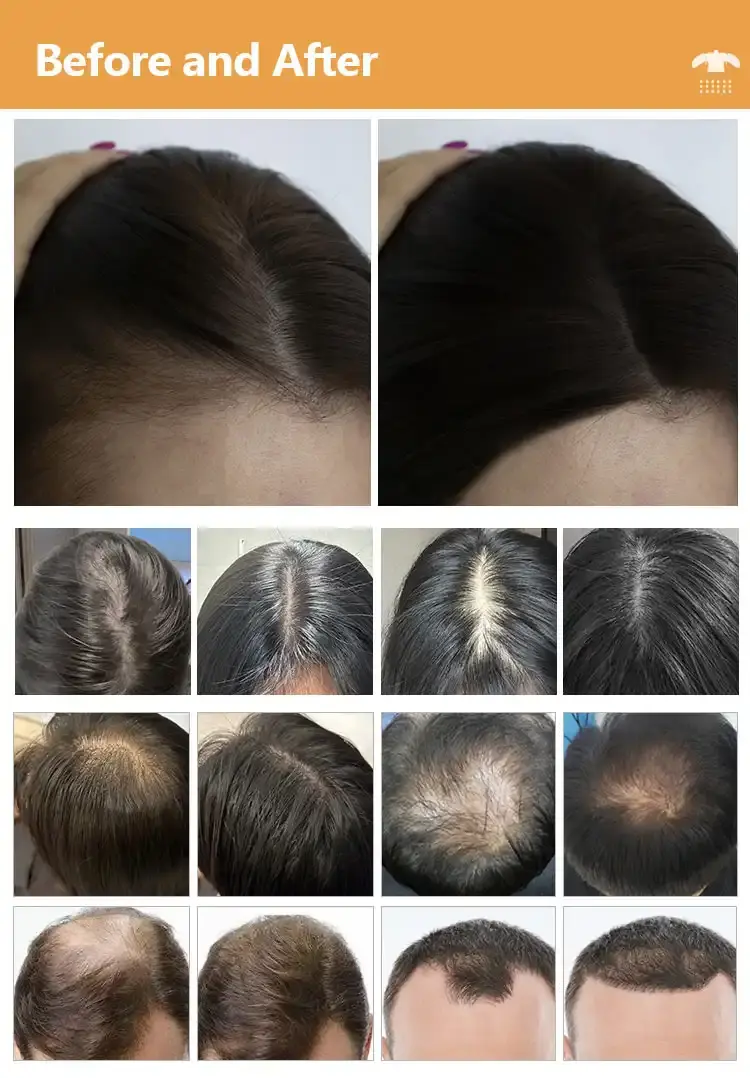
The fifth essential feature encompasses the clinical evidence supporting the diode laser hair growth machine's effectiveness and the comprehensive support structure the manufacturer provides to ensure successful implementation in your practice. Before investing in any equipment, request access to clinical studies, treatment outcome documentation, and before-after photographs demonstrating real results achieved with the specific laser hair growth machine model under consideration. Reputable manufacturers conduct or sponsor clinical research validating their technology's effectiveness, publishing results in peer-reviewed journals or presenting findings at professional conferences. These clinical studies should document measurable outcomes such as increased hair count, improved hair shaft thickness, reduced hair loss rates, and patient satisfaction metrics across statistically significant sample sizes. Be skeptical of diode laser hair growth machine marketing that relies solely on testimonials or individual case reports without broader clinical validation. Beyond clinical evidence, evaluate the manufacturer's commitment to ongoing support through comprehensive training programs, detailed technical documentation, responsive customer service, and reliable warranty coverage. Quality manufacturers offer multiple training formats including detailed user manuals, instructional videos, live training sessions, and ongoing educational resources that help practices maximize treatment effectiveness. When investing in a laser hair growth machine, confirm the manufacturer provides technical support for troubleshooting, maintenance guidance, and replacement parts availability should issues arise. Warranty terms deserve careful review, with professional equipment typically offering minimum one-year coverage for parts and labor, with extended warranty options available for additional investment protection. The manufacturer's reputation within the professional aesthetics community provides valuable insight into reliability, with established companies demonstrating track records of supporting customers throughout equipment lifespans. A diode laser hair growth machine represents a significant capital investment that should deliver reliable performance for years, making manufacturer support and proven efficacy essential considerations beyond initial purchase specifications. Practices that select equipment from supportive manufacturers with documented clinical results position themselves for treatment success, client satisfaction, and sustainable practice growth in the competitive hair restoration market.
OEM/ODM Capabilities and Customization Options
For practices seeking to differentiate their hair restoration services or develop proprietary treatment protocols, the availability of OEM and ODM services from your diode laser hair growth machine manufacturer presents valuable strategic opportunities. Original Equipment Manufacturer services allow practices to order equipment with custom branding, enabling you to market treatments under your clinic name rather than promoting the equipment manufacturer's brand. This customization capability proves particularly valuable for practices building strong brand identities or seeking exclusive positioning in their local markets. Original Design Manufacturer services extend beyond simple branding to encompass custom specifications, feature modifications, and unique configurations that align with your specific treatment philosophy or patient demographics. When evaluating laser hair growth machine suppliers, inquire about customization possibilities including color options, software modifications, treatment protocol programming, and packaging personalization. Some manufacturers offer these services with minimum order quantities, making customization accessible even for individual practices or small clinic groups. A diode laser hair growth machine supplier providing flexible customization demonstrates manufacturing sophistication and customer-focused business practices that often correlate with superior ongoing support. For practices planning expansion or considering equipment retail opportunities, partnering with manufacturers offering comprehensive OEM and ODM services creates pathways for developing proprietary product lines. These strategic partnerships can evolve beyond simple supplier relationships into collaborative ventures that generate additional revenue streams through equipment sales to other practitioners. When discussing customization capabilities, ensure the manufacturer maintains quality standards and certifications across custom configurations, as modifications should never compromise safety or effectiveness. The laser hair growth machine market continues expanding, creating opportunities for innovative practices to establish competitive advantages through strategic manufacturing partnerships that deliver unique treatment solutions unavailable from competitors.
Conclusion
Selecting the right diode laser hair growth machine requires careful evaluation of wavelength accuracy, comprehensive coverage, safety certifications, user-friendly design, and proven clinical effectiveness, ensuring your investment delivers transformative results for clients while supporting sustainable practice growth and competitive positioning in the expanding hair restoration market.
Cooperate With Xi'an Taibo Laser Beauty Company
Xi'an Taibo Laser Beauty Company stands as your trusted China diode laser hair growth machine manufacturer with over 15 years of manufacturing experience and specialized expertise in laser hair restoration technology. As a leading China diode laser hair growth machine factory, we pioneered this revolutionary treatment approach and continue advancing the technology through dedicated research and development. Our China diode laser hair growth machine supplier capabilities encompass comprehensive OEM and ODM services, enabling practices worldwide to access High Quality diode laser hair growth machine solutions customized to their specific requirements. Whether you seek competitive diode laser hair growth machine price options for practice startup or premium diode laser hair growth machine for sale to serve demanding clientele, our extensive product range and flexible China diode laser hair growth machine wholesale programs support practices of all sizes. We provide two-year warranty coverage, 24-hour technical support, comprehensive training programs, and worldwide shipping through multiple transportation routes ensuring safe delivery. Our certifications including CE, ISO13485, and ongoing FDA applications demonstrate our commitment to international quality standards. Contact our professional team at susan@taibobeauty.com to discuss your equipment needs, request detailed specifications, receive competitive quotations, and discover how partnering with an established manufacturer accelerates your practice success in the thriving hair restoration market.
References
1. Avci, P., Gupta, G. K., Clark, J., Wikonkal, N., & Hamblin, M. R. "Low-Level Laser (Light) Therapy (LLLT) for Treatment of Hair Loss." Lasers in Surgery and Medicine Journal, 2014.
2. Lanzafame, R. J., Blanche, R. R., Bodian, A. B., Chiacchierini, R. P., Fernandez-Obregon, A., & Kazmirek, E. R. "The Growth of Human Scalp Hair Mediated by Visible Red Light Laser and LED Sources in Males." Journal of Cosmetic and Laser Therapy, 2013.
3. Jimenez, J. J., Wikramanayake, T. C., Bergfeld, W., Hordinsky, M., Hickman, J. G., Hamblin, M. R., & Schachner, L. A. "Efficacy and Safety of a Low-level Laser Device in the Treatment of Male and Female Pattern Hair Loss: A Multicenter, Randomized, Sham Device-controlled, Double-blind Study." American Journal of Clinical Dermatology, 2014.
4. Gupta, A. K., Mays, R. R., Dotzert, M. S., Versteeg, S. G., Shear, N. H., & Piguet, V. "Efficacy of Non-surgical Treatments for Androgenetic Alopecia: A Systematic Review and Network Meta-Analysis." Journal of the European Academy of Dermatology and Venereology, 2018.
5. Barikbin, B., Khodamrdi, Z., Kholoosi, L., Akhgri, M. R., Haj Abbasi, M., Hajabbasi, M., Barikbin, S., & Yousefi, M. "Comparison of the Effects of 665nm Low Level Diode Laser Hat versus and a Combination of 665nm and 808nm Low Level Diode Laser Scanner of Hair Growth in Androgenic Alopecia." Journal of Cosmetics, Dermatological Sciences and Applications, 2018.





YOU MAY LIKE