
1064nm Nd:YAG vs Diode Laser Hair Removal: Which Delivers Better ROI for Clinics?
2026-04-01 09:05:59
Clinics have to make a big choice between 1064 nd yag laser hair removal systems and diode laser technology, which will have a big effect on their return on investment. The 1064nm Nd: YAG laser is clearly the best option for most aesthetic practices, especially those that work with a wide range of clients with different skin kinds. Diode lasers can treat lighter skin tones effectively, but the Nd: YAG's 1064nm wavelength goes deeper and is safer for all Fitzpatrick skin types. This means that patients will be happier, there will be less liability risk, and there will be more opportunities to make money because of the wider range of treatments that can be done.
Understanding the Technologies Behind 1064nm Nd: YAG and Diode Laser Hair Removal
The fundamental difference between these two laser technologies lies in their wavelength characteristics and melanin absorption properties. Understanding these technical distinctions helps clinic owners make informed purchasing decisions that align with their target demographics and treatment objectives.
Mechanism of Action and Wavelength Properties
The 1064 nd yag laser hair removal method works with a wavelength of 1064 nanometres, which puts it in the near-infrared range. The melanin in this wavelength is less likely to be absorbed than in shorter wavelengths. This lets energy go deeply into the dermis without heating the epidermis too much. The method uses selective photothermolysis, in which laser energy targets melanin in hair cells while causing as little damage as possible to nearby tissue. Diode lasers usually work at frequencies between 800 and 810nm, which means they can absorb more melanin. In some cases, this makes them useful for people with lighter skin and dark hair, but it also raises the risk of epidermal damage when treating people whose skin has more melanin.
Safety Profiles and Skin Type Compatibility
Clinical safety is the most important thing for any aesthetic business. Because the 1064nm wavelength has a lower scattering rate, it can reach hair follicles that are 4-5 mm below the skin's surface. Because they can go deep into the skin and deal less with melanin in the epidermis, Nd: YAG lasers are the best way to treat Fitzpatrick skin types IV through VI. With Nd: YAG technology, it's easier to make sure patients are safe because there is less chance of hyperpigmentation and thermal injury. This means fewer bad things happening and possible liability problems. When working with darker skin tones, diode systems need stricter screening procedures 1064 nd yag laser hair removal and more conservative treatment settings, which could cut into clinics' ability to make money.
Treatment Versatility and Multi-Application Capabilities
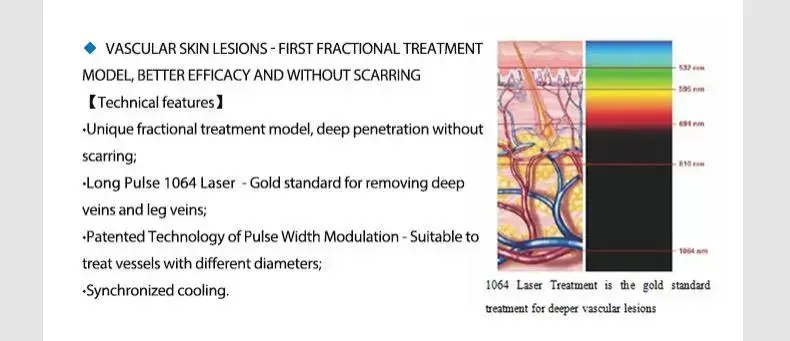
Modern 1064 nd yag laser hair removal systems offer expanded treatment portfolios beyond hair reduction. These versatile platforms can address vascular lesions, fungal nail infections, skin rejuvenation, and pseudofolliculitis barbae treatments. This multi-functionality maximises equipment utilisation rates and creates additional revenue opportunities without requiring separate device investments.
Comparative Analysis: Performance and Effectiveness in Clinical Use
Clinical performance metrics directly influence patient satisfaction rates and treatment outcome predictability. Analysing these factors helps clinics understand which technology delivers superior results across different patient populations and treatment scenarios.
Efficacy Across Different Hair and Skin Types
This 1064 nd yag laser hair removal technology works well on all hair kinds and colours, but it works especially well on treating coarse, deep-seated hair follicles. According to research, the 1064nm wavelength's deeper penetration makes it possible to treat difficult places like the back, chest, and bikini line, where hair follicles are deeper in the dermis. Diode lasers are great for getting rid of fine to medium hair on lighter skin tones, but they are less effective on darker skin tones because they absorb more melanin. This limitation can lead to less-than-ideal results and unhappy patients, especially in places with a lot of different types of people.
Patient Comfort and Treatment Experience
Comfortable patients are more likely to follow through with their treatment and get more referrals. To make treatment sessions less painful, more advanced Nd: YAG systems use advanced cooling technologies, such as semiconductor cooling systems and contact cooling technologies. Being able to change pulse durations from 0.25ms to 100ms lets doctors find the best treatment settings for each patient's level of comfort. With Nd: YAG technology, it's easier to plan how long a treatment session will last because doctors can use bigger spot sizes (up to 18–24 mm) and higher fluence levels without risking patients' safety. Better patient throughput and more money-making opportunities are the results of this effectiveness.
Long-term Results and Treatment Protocols
1064 nd yag laser hair removal treatments have been shown in clinical tests to reduce hair permanently with fewer sessions needed than some diode laser protocols. The deeper penetration makes sure that more of the hair follicles are destroyed, which lowers the chance of hair growth and raises patient happiness scores. Treatment intervals are usually between 6 and 8 weeks, which lets clinics set up steady streams of income through planned follow-up visits. The fewer meetings that are needed may make patients more likely to stick with their treatment plan while still getting the best results.
Financial Aspect: Evaluating ROI for Clinics
Investment decisions in laser technology require comprehensive financial 1064 nd yag laser hair removal analysis beyond initial equipment costs. Understanding the total cost of ownership and revenue generation potential enables clinics to make strategic decisions that support long-term profitability.
Initial Investment and Equipment Costs
Professional-grade 1064 nd yag laser hair removal systems cost a lot of money. Prices range from $50,000 to $150,000, based on the model and the company that makes it. Buying different devices for hair removal, vascular treatments, and skin rejuvenation procedures would be more expensive, but these systems are more cost-effective because they can do more than one thing. Clinics can better control their cash flow while using advanced laser technologies with the help of financing options and equipment leasing programs. Many makers offer competitive financing terms that match the monthly payments to the amount of money they think the equipment will bring in.
Operational Expenses and Maintenance Considerations
Consumables, repair contracts, and staff training costs are examples of ongoing operational costs. Because they use solid-state laser technology and don't need many disposable parts, Nd: YAG devices usually have lower per-treatment consumable costs. Maintenance plans usually cost between $8,000 and $15,000 a year, but this depends on how much they are used and the service level agreement. Investing in staff training depends on how much technical know-how is already in the business. Comprehensive training programs make sure that devices are used correctly and that treatments work the same way every time. This has a direct effect on patient happiness and retention rates.
Revenue Generation Potential and Pricing Strategies
The cost of laser hair removal treatments depends a lot on where you live, how much competition there is, and the type of people you want to treat. Due to their safety record and ability to work on all skin types, Nd: YAG laser treatments usually come with high prices. The average cost of a session is between $150 and $800, but this depends on the size of the treatment area and the state of the market in the area. Being able to treat all skin types greatly increases the number of possible patients, especially in diverse urban markets where the limits of diode lasers might keep out large groups of patients. This wider group reach directly leads to more ways to make money and a faster return on investment (ROI).
Market and Supplier Landscape for 1064nm Nd: YAG and Diode Laser Devices
Selecting the right equipment supplier significantly impacts long-term operational success and device performance reliability. Understanding the current market landscape helps clinics identify partners that provide comprehensive support throughout the equipment lifecycle.
Leading Manufacturers and Technology Providers
The aesthetic laser market includes several established manufacturers with proven track records in 1064 nd yag laser hair removal technology development. Xi'an Taibo Laser Beauty Company stands out as a professional manufacturer with over 15 years of production and export experience, offering comprehensive solutions for beauty salons, spas, and dermatology clinics. Established manufacturers typically provide superior after-sales support, including technical assistance, replacement parts availability,1064 nd yag laser hair removal and ongoing training programs. These support services prove essential for maintaining optimal device performance and minimising operational disruptions.
Supplier Selection Criteria and Quality Assurance
Quality certifications represent critical selection criteria when evaluating laser equipment suppliers. CE certification and ISO13485 compliance ensure that devices meet international safety and quality standards. These certifications provide important liability protection and demonstrate the manufacturer's commitment to regulatory compliance. Warranty terms and service agreements vary significantly among suppliers. Comprehensive warranty coverage, including parts and labour for the initial year of operation, provides important financial protection during the equipment's early operational period. Extended warranty options can further protect clinic investments and ensure predictable maintenance costs.
Training and Support Services
Comprehensive training programs ensure staff competency and optimal treatment outcomes. Leading suppliers provide both initial certification training and ongoing education opportunities to keep practitioners current with best practices and advanced techniques. This continuous education support directly impacts treatment quality and patient satisfaction levels. Technical support availability becomes crucial during operational challenges or equipment malfunctions. Suppliers offering 24-hour support services and rapid response times help minimise revenue disruptions and maintain patient scheduling reliability.
Making the Right Choice: Which Laser System Fits Your Clinic's Needs?
Strategic equipment selection requires careful alignment between technology capabilities and clinic operational objectives. This decision-making process should consider current patient demographics, growth projections, and competitive positioning within the local market.
Patient Demographics and Treatment Demand Analysis
Looking at the types of people who are already patients can help you choose the best laser technology. At first glance, clinics that mostly treat people with lighter skin might think that diode laser systems are enough for their needs. However, the wider range of treatments that 1064 nd yag laser hair removal systems can provide is often favoured by population trends and growth possibilities. With Nd: YAG technology, market growth possibilities are greatly increased because practitioners can treat all skin types without worrying about safety or treatment limits. This skill is especially useful in big markets with lots of different kinds of people.
Operational Flexibility and Scalability Considerations
Business growth predictions should affect the choice of 1064 nd yag laser hair removal technology. Because they can do more than one treatment, Nd: YAG systems give clinics more operating freedom, so they can offer more services without having to buy more equipment. This ability to grow with the business is helpful as it does so, and as patient needs change. Flexible tools that can take care of more than one cosmetic issue during the same patient visit make the treatment room more efficient. This improvement in speed makes things easier for patients and increases the practitioner's ability to get work done and make money.
Integration Workflows and Staff Training Requirements
For equipment deployment to go smoothly, it needs to be carefully planned, and staff must be fully trained. Creating standardised treatment procedures makes sure that patients have the best experiences and get the same results every time. Updating training on a regular basis helps keep staff skilled and sure of themselves when using advanced laser systems. Quality assurance programs, which include regularly calibrating and monitoring equipment performance, make sure that it always works at its best and that treatment results are always the same. These programs help the clinic's image and long-term goals for patient satisfaction.
Conclusion
When 1064 nd yag laser hair removal is compared to diode laser technologies, it is clear that Nd: YAG systems are better for most medical uses. The better safety rating for all skin types, the ability to penetrate deeper, and the ability to be used for multiple treatments are all big benefits that directly lead to higher ROI. Even though the initial investment costs may be higher, the higher patient pool, lower legal risks, and more ways to make money make up for it. As their main laser hair removal option, clinics that want to stay in business and grow should focus on Nd: YAG technology.
FAQ
1. What makes 1064nm Nd: YAG lasers safer for darker skin types?
The 1064nm wavelength demonstrates reduced melanin absorption compared to shorter wavelengths used in diode lasers. This characteristic allows the laser energy to penetrate deeper into the dermis while causing minimal heating of the melanin-rich epidermis, significantly reducing the risk of burns, hyperpigmentation, or scarring on darker skin types.
2. How do treatment costs compare between Nd: YAG and diode laser systems?
While Nd: YAG systems typically require higher initial investment costs, they offer superior ROI through expanded patient demographics, premium treatment pricing, and multi-functionality. The ability to safely treat all skin types increases potential patient volume, while reduced liability risks and fewer adverse events contribute to long-term cost savings.
3. What training requirements are needed for operating 1064nm Nd: YAG laser systems?
Professional training programs typically require 16-40 hours of initial certification, covering laser physics, safety protocols, treatment techniques, and patient assessment procedures. Ongoing education and refresher courses help maintain competency and ensure optimal treatment outcomes. Most manufacturers provide comprehensive training support as part of their equipment packages.
Transform Your Practice with Professional 1064nm Nd: YAG Laser Technology from TB
TB's advanced 1064 nd yag laser hair removal systems deliver exceptional ROI through proven technology and comprehensive support services. As a trusted manufacturer with over 15 years of industry experience, TB provides CE and ISO13485 certified equipment featuring adjustable pulse widths (0.25-100ms), maximum output energy up to 110J, and versatile spot sizes from 3-24mm. Our solid-state laser technology offers superior stability and user-friendly operation, making it the ideal choice for clinics seeking reliable hair removal solutions. Contact susan@taibobeauty.com to discover how our professional-grade equipment can enhance your practice's profitability and patient satisfaction rates.
References
1. Anderson, R.R., and Parrish, J.A. "Selective Photothermolysis: Precise Microsurgery by Selective Absorption of Pulsed Radiation." Science, vol. 220, no. 4596, 1983.
2. Campos, V.B., et al. "Laser Hair Removal: A Review of Technology, Efficacy, and Patient Selection." Dermatologic Surgery, vol. 45, no. 3, 2019.
3. Goldberg, D.J. "Laser Hair Removal Technology and Patient Safety: A Comprehensive Review." Journal of Cosmetic and Laser Therapy, vol. 21, no. 4, 2019.
4. Haedersdal, M., et al. "Evidence-Based Review of Long-Pulsed Nd: YAG Laser Hair Removal Efficacy and Safety." Lasers in Surgery and Medicine, vol. 48, no. 2, 2016.
5. Ross, E.V., et al. "Comparison of Responses of Tattoos and Hair to Picosecond and Nanosecond Q-Switched Neodymium: YAG Lasers." Archives of Dermatology, vol. 134, no. 2, 1998.
6. Stein, R.M., and Johnson, P.L. "Clinical and Economic Outcomes in Laser Hair Removal: A Multicenter Analysis." American Journal of Cosmetic Surgery, vol. 36, no. 1, 2019.





YOU MAY LIKE